Your cold and cough yoga plan
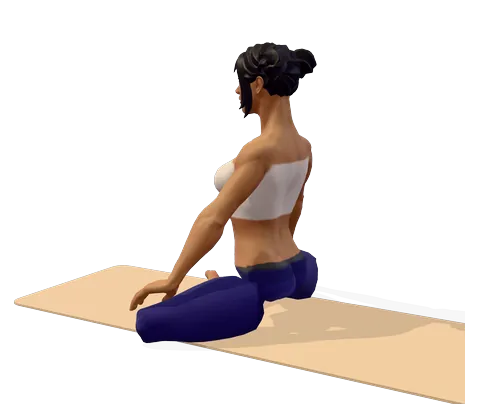 Easy PoseSukhasana
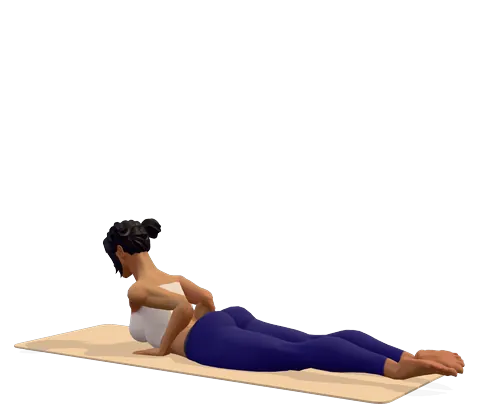 Cobra PoseBhujangasana
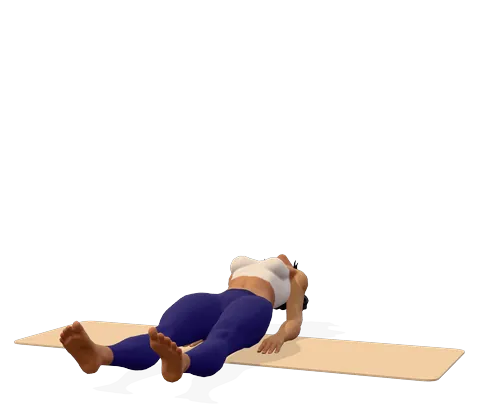 Fish PoseMatsyasana
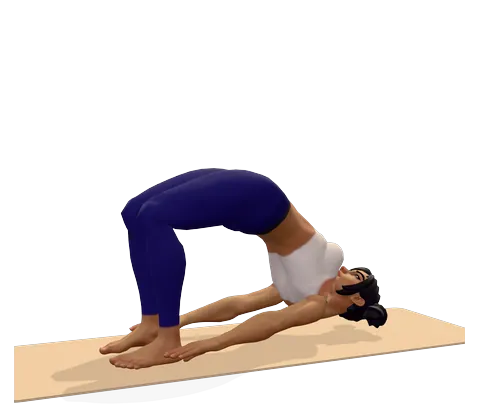 Bridge PoseSetu Bandhasana
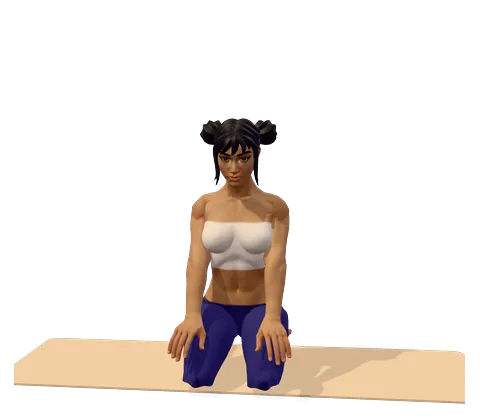 Lion PoseSimhasana
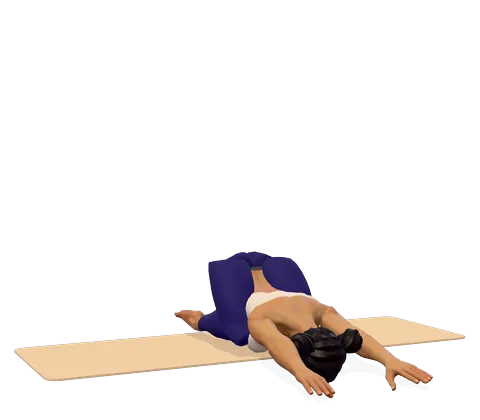 Child’s PoseBalasana
More poses that help with cold and cough
Add these once the session above feels easy, or swap one in when a pose does not suit you.
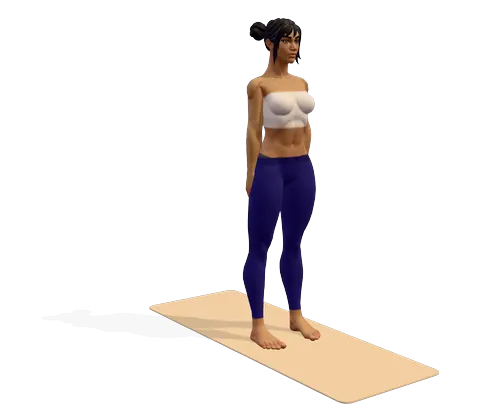
Mudras for cold and cough
Hold a mudra while you sit for the breathing practice or a few minutes of quiet. Mudras are a traditional practice; research on them is limited.
Breathing practice
Avoid
Vigorous practice with a fever; rest instead. See a doctor for high fever or breathlessness.
Traditional practice: Used in classical yoga therapy; few clinical trials so far.
Yoga for cold and cough should be gentle and short. A common cold is a viral infection that usually clears up by itself within one to two weeks, and no yoga pose or breathing practice can kill the virus or cure a cold. What gentle yoga can do is help you feel more comfortable: open the chest, ease a stiff back from coughing, calm the breath and help you rest. This page gives you a 10–15 minute routine, the breathing exercises that suit a cold, and clear rules about when to rest instead.
If you have a fever, rest. Do not do yoga or any exercise with a high temperature, body aches or a chest infection. See a doctor if your temperature stays high for more than 3 days, a cold lasts more than 10 days, a cough lasts more than 3 weeks, or you have a long-term condition. Get urgent help for chest pain, difficulty breathing, coughing up blood or a cough that is severe or getting worse quickly.
Can you practise yoga with a cold?
A simple rule many doctors use is the "neck check". If your symptoms are only above the neck (a runny or blocked nose, sneezing, a mild sore throat) and you have no fever, gentle yoga is usually fine. If you have symptoms below the neck (fever, body aches, chest congestion, a deep cough or tiredness), rest until they settle.
So what is "cold yoga"? It simply means yoga during cold and cough: slow, low-effort practice for adults with a cold and runny nose, not a special style. Yoga for cold and cough side effects are rare, but pushing too hard can leave you more tired or set off a coughing fit.
Even with a mild cold, practise yoga when you have a cold at about half your usual effort. Skip strong flows, hot rooms and long holds. If you practise with others, stay home so you do not spread the virus.
What the research says
The evidence is traditional. There are no good trials showing that yoga cures or shortens a cold or cough. The practices on this page come from yoga tradition and from common-sense comfort measures. The NHS advises rest, plenty of fluids, and simple steps such as steam inhalation and warm lemon with honey for a cold, and notes that antibiotics do not help because colds are caused by viruses. Yoga fits in as a gentle way to rest and breathe more comfortably, not as a treatment.
Yoga poses for cold and cough: a gentle routine
These are the poses in the guided session on this page. Keep a tissue nearby and a glass of warm water.
1. Easy pose, sitting upright
Easy pose (Sukhasana): sit cross-legged on a cushion or on a chair. Sitting tall gives the lungs room and helps mucus drain from the nose. Start here with a few slow breaths.
2. Cobra pose
Cobra pose (Bhujangasana): lie on your front and lift the chest gently, elbows bent. It opens the front of the chest, which can feel good after a day of coughing. Keep it low and breathe slowly; if lying on your front makes you cough, skip it.
3. Bridge pose
Bridge pose (Setu Bandhasana): lie on your back, knees bent, and lift the hips a little. It opens the chest without effort. Hold for a few breaths, then lower.
4. Supported fish pose
Fish pose (Matsyasana): for a cold, use the supported version. Lie back over a rolled blanket placed under the shoulder blades, with the head resting on a pillow. It gently opens the chest and throat. Stay 1–2 minutes.
5. Lion pose
Lion pose (Simhasana): breathe in through the nose, then open the mouth, stretch the tongue out and breathe out with a "haaa". Traditionally it is used for the throat, and it can ease a tight jaw and neck. Do it 3 times, gently, and stop if it makes you cough.
6. Child's pose
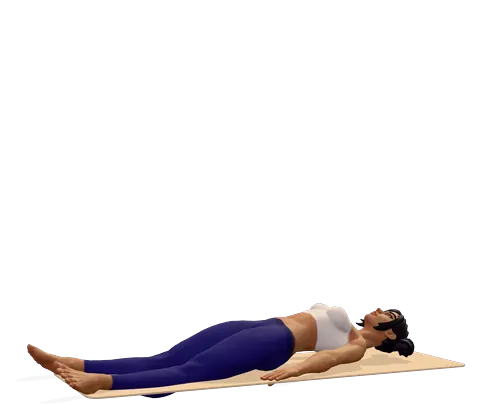
Child's pose (Balasana): fold forward over a pillow and rest. If a head-down position makes your blocked nose worse, keep the head higher on a stack of pillows, or rest in corpse pose with your head and shoulders raised.
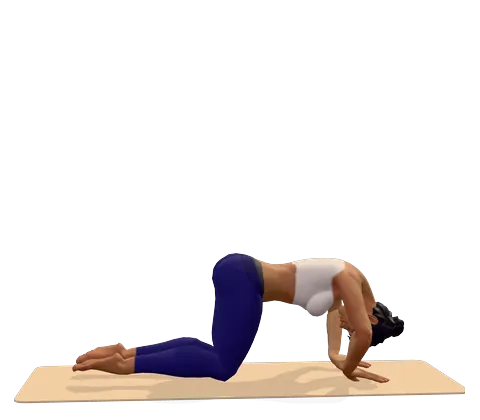
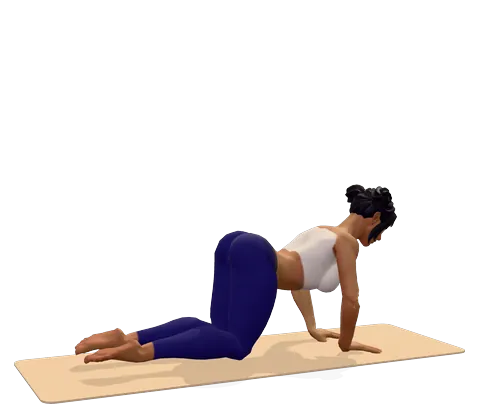
You can also add seated cat–cow to loosen the upper back and ribs after coughing. Together these yoga asanas for cold and cough make a short routine you can do at night: yoga for cold and cough relief is mostly about comfort, and upright or chest-opening poses help with chest congestion and a cough in the chest.
Breathing exercises for cough and cold
Keep all breathing slow and easy. If your nose is blocked, breathe through the mouth or do a few minutes of steam first.
- Anulom Vilom: alternate nostril breathing, slowly and without breath holds. Only do it if at least one nostril is clear.
- Bhramari (humming bee breath): humming on a long out-breath is soothing and may help you calm a tickly cough. Some people find the gentle vibration eases sinus stuffiness.
- Surya Bhedana: breathing in through the right nostril is traditionally used to feel warm when you have a cold. Keep it short and gentle, with no breath holds, and skip it if you have high blood pressure or heart disease.
Avoid Kapalbhati and Bhastrika while you are ill. Fast, forceful breathing can irritate the throat, trigger coughing and leave you light-headed.
Linga mudra for cold and cough
Linga mudra is the hand gesture most often suggested as a yoga mudra for cold and cough with phlegm: interlace the fingers and point one thumb up, encircled by the other thumb and index finger. In yoga tradition it is said to create warmth in the body. There is no scientific evidence that it helps a cold, but it is harmless; hold it for a few minutes while you breathe slowly.
How to relieve cold and cough at home
These cough and cold home remedies are what the NHS suggests alongside rest:
- Rest, and drink plenty of fluids.
- Try warm lemon and honey (not for babies under one year).
- Gargle with salt water for a sore throat.
- Breathe in steam to loosen a blocked nose.
- Ask a pharmacist about pain relief or cough medicines.
Ayurvedic home remedies for cold and cough, such as ginger, tulsi or turmeric in warm water or herbal "yogi tea" for a cough, are popular in India and are comforting warm drinks; there is little evidence that they treat a cold, and ayurvedic treatment for cold and cough should not replace medical advice if you are unwell. How to treat a cough and cold, in short: rest, fluids and time. How to get rid of a cold cough faster? Nothing reliably shortens it, but good rest helps.
How to stop coughing at night
To soothe a cough at night, raise your head and shoulders on an extra pillow, sip warm water, and do a few rounds of humming breath before sleep. A slow out-breath helps you calm down coughing rather than fighting it; this is also how cough suppression therapy exercises work, swapping the cough for a swallow or a slow nose breath. To reduce coughing from a cold during the day, sip water often. Coughing from cold air is common too: so cover your mouth and nose with a scarf outdoors and breathe through the nose.
How to stop coughing after a cold
A cough often lasts two to three weeks after a cold, sometimes longer. Coughing and breathing exercises can help: breathe in slowly through the nose, pause briefly, then breathe out with a gentle "huff" rather than a hard cough. See your doctor if it lasts more than 3 weeks.
Children, seniors and people with health conditions
Yoga for cold and cough for children should be playful and very short: a few lion breaths and child's pose. Keep children with a fever resting. For seniors, sitting in a chair is enough; do the breathing and a seated cat–cow, and see a doctor sooner, as colds can lead to chest infections. Yoga for cold and cough for high blood pressure should skip Surya Bhedana, fast breathing and head-down poses. With asthma or COPD, a cold can trigger a flare; follow your action plan and see yoga for asthma or yoga for COPD. If you often have an allergic cold and cough with sneezing and a stuffy nose, or need yoga for sinus congestion, see yoga for sinusitis and allergies.
Once you have recovered, regular yoga for respiratory health and general fitness may support how you feel; see yoga for immunity.
सर्दी-खांसी के लिए योग (sardi khansi ke liye yoga) — हिंदी में: सर्दी-खांसी में हल्का योग करें: सुखासन, भुजंगासन, सेतुबंधासन, सहारे वाला मत्स्यासन, सिंहासन और बालासन। अनुलोम-विलोम और भ्रामरी धीरे-धीरे करें, कपालभाति न करें। लिंग मुद्रा पारंपरिक रूप से शरीर में गर्मी के लिए की जाती है। बुखार हो तो योग न करें, आराम करें और खूब पानी पिएँ। तेज़ बुखार या साँस लेने में तकलीफ़ हो तो डॉक्टर को दिखाएँ।
Start the guided cold and cough session
If you have no fever, set the hold time to "shorter", keep your tissues close and start the guided session. The 3D teacher shows each pose, and a calm voice guides you in 28 languages.
Research behind this plan
- NHS, Common cold. Rest, fluids, steam, salt-water gargles; better in 1–2 weeks; when to see a GP
- NHS, Cough. Most coughs clear in 3–4 weeks; self-care; when to get urgent help
Frequently asked questions
Can yoga cure cold and cough?
No. Colds are viral and usually clear up in 1–2 weeks by themselves. Gentle yoga and slow breathing may help you feel more comfortable and rest better.
Is it OK to do yoga with a cold?
If you only have symptoms above the neck and no fever, gentle yoga at half your usual effort is usually fine. With a fever, body aches or a chest infection, rest instead.
Which yoga is best for cold and cough?
Gentle chest openers such as supported fish pose, bridge and a low cobra, plus lion pose, child’s pose and slow breathing like Bhramari and Anulom Vilom.
Which mudra is good for cold and cough?
Linga mudra is traditionally used for colds and is said to create warmth. There is no scientific evidence for it, but it is safe to try.
Is yoga for cold and cough safe for a baby?
No yoga is needed for a baby with a cold. Keep them comfortable and feeding, and see a doctor promptly if a baby under 3 months has a fever or any baby struggles to breathe.
How do I cough up mucus from a cold?
Drink fluids, breathe steam, then take a few slow deep breaths and "huff" out with an open mouth. These breathing exercises for cough loosen mucus with less strain than a hard cough; they also help build cough strength.
Should I do Kapalbhati with a cold?
No. Fast, forceful breathing can irritate the throat and trigger coughing. Keep to slow breathing until you have recovered.
How can I stop coughing at night?
Raise your head on an extra pillow, sip warm water or honey and lemon (not for babies under one), and do slow humming breath before sleep.
When should I see a doctor for a cold or cough?
If a cold lasts over 10 days, a high temperature lasts over 3 days, a cough lasts over 3 weeks, or you have chest pain, breathlessness or cough up blood.
Medical note: yoga supports treatment; it does not replace it. Keep taking prescribed medicine and talk to your doctor before you start, especially with heart disease, uncontrolled blood pressure, recent surgery, pregnancy, epilepsy or severe pain. Read our medical disclaimer.