Your arthritis yoga plan
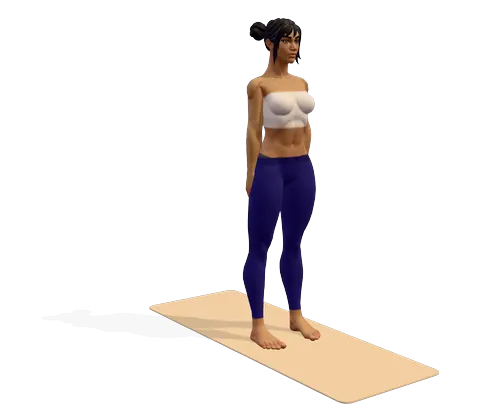 Mountain PoseTadasana
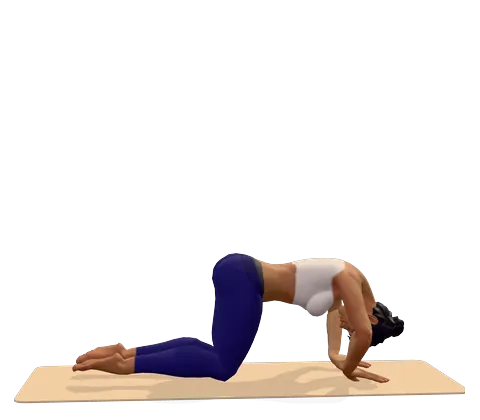 Cat PoseMarjaryasana
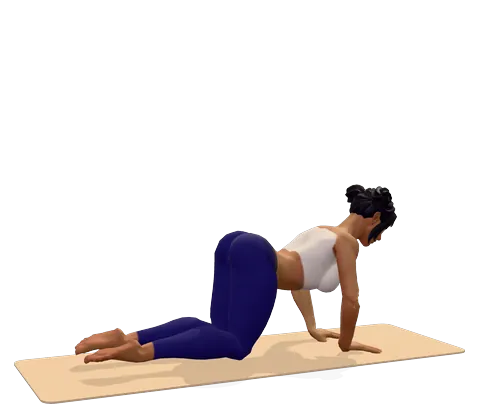 Cow PoseBitilasana
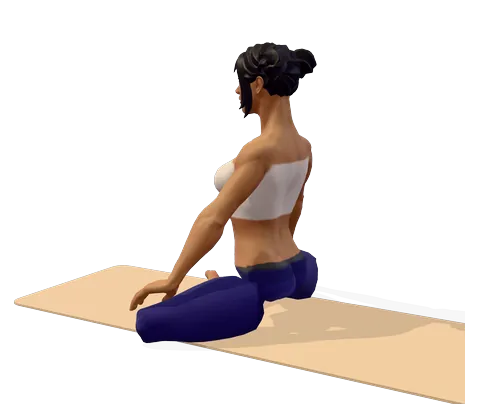 Easy PoseSukhasana
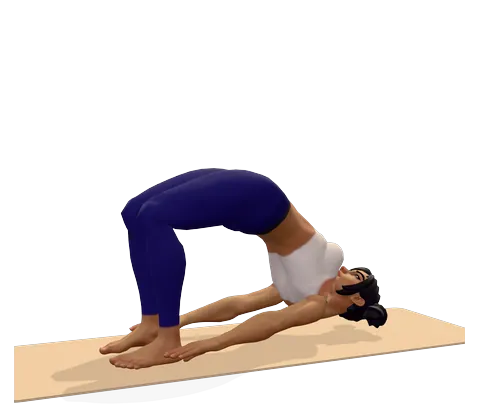 Bridge PoseSetu Bandhasana
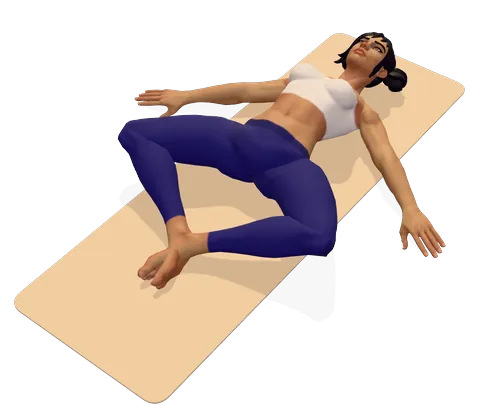 Reclining Bound Angle PoseSupta Baddha Konasana
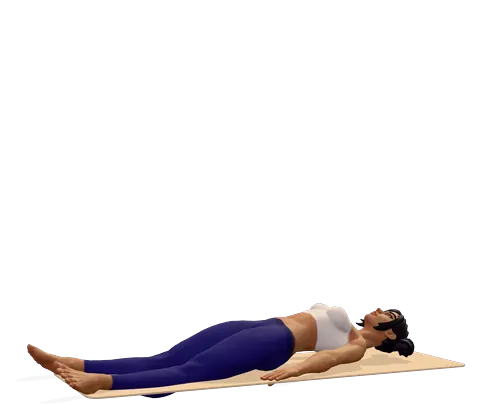 Corpse PoseSavasana
More poses that help with arthritis
Add these once the session above feels easy, or swap one in when a pose does not suit you.
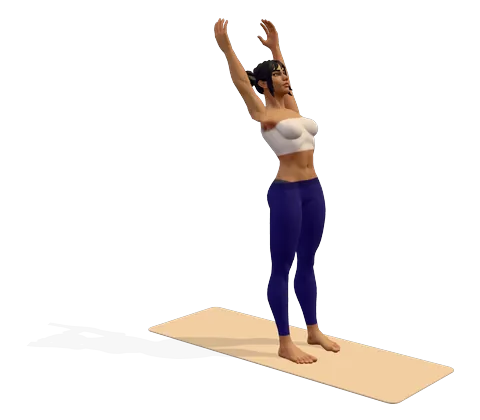 Raised Arms PoseHasta Uttanasana
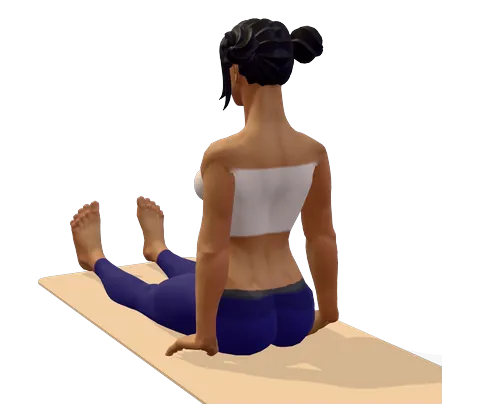 Staff PoseDandasana
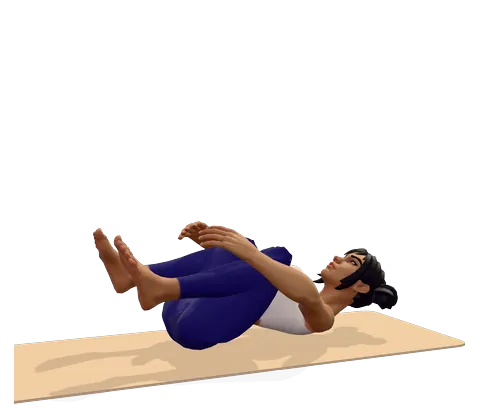 Wind-Relieving PosePavanamuktasana
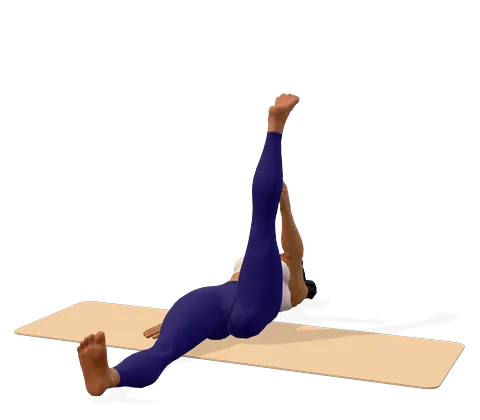 Reclining Hand-to-Big-Toe PoseSupta Padangusthasana
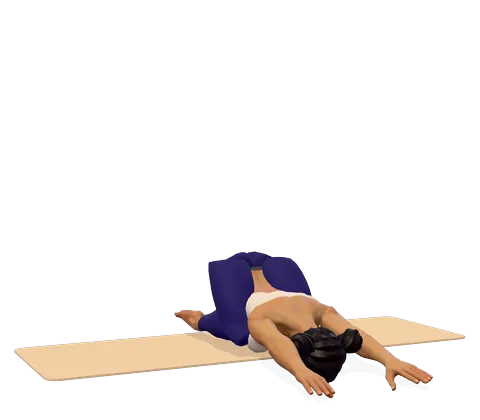 Child’s PoseBalasana
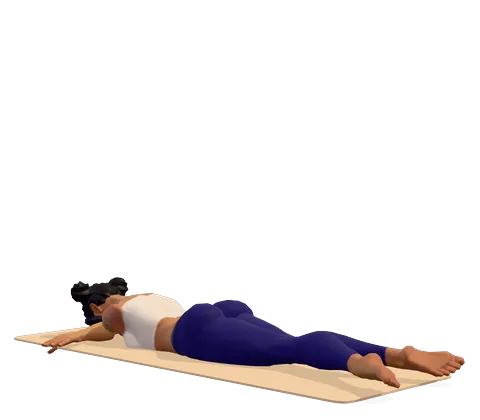 Crocodile PoseMakarasana
Mudras for arthritis
Hold a mudra while you sit for the breathing practice or a few minutes of quiet. Mudras are a traditional practice; research on them is limited.
Breathing practice
Avoid
Loading swollen, hot joints; skip weight-bearing on hands during a flare.
Moderate evidence: Randomised trials show a benefit; more research is under way.
Yoga for arthritis is one of the gentlest ways to keep stiff joints moving, build the muscles that protect them and ease the stress that comes with long-term pain. Trials in people with knee osteoarthritis and rheumatoid arthritis show real, moderate benefits. This page explains how it works, what the research says, how to do each pose in the plan with sore joints, and what to change on a flare day.
How yoga may help arthritis
Arthritis is not one disease. Osteoarthritis (OA) is the common, age-related kind, where the cartilage in knees, hips, hands and the spine slowly wears. Rheumatoid arthritis (RA) is an autoimmune disease in which the immune system inflames the joint lining, often in the hands, wrists and feet. Psoriatic arthritis and other autoimmune types behave more like RA. Yoga therapy for arthritis looks a little different for each, but the basics below apply to all.
In both, joints that do not move get stiffer and the muscles around them get weaker, which puts more load on the joint. Yoga breaks that cycle in three ways:
- Movement: slow, repeated motion through a comfortable range eases stiffness and helps you keep the range you have.
- Strength and balance: standing poses and Bridge build the thigh, hip and core muscles that take pressure off knees, hips and the lower back, and steadier balance lowers the risk of falls.
- Calm: slow breathing and rest lower stress, and people with chronic pain often sleep and cope better when they practise.
These are the main benefits of yoga for arthritis: less joint pain and stiffness, easier daily movement and a calmer mind. Yoga for joint pain relief works best as part of joint pain management that also includes your medicine, walking and a healthy weight.
Is yoga good for arthritis? What the research says
The evidence is moderate: randomised trials show benefits, but many are small.
- In a Johns Hopkins trial of yoga for arthritis led by Steffany Moonaz, 75 inactive adults with rheumatoid arthritis or knee OA did eight weeks of gentle, modified yoga. They reported better physical health, walked further and felt less depressed than the waitlist group, and no adverse events were linked to yoga.
- A 2024 meta-analysis of 8 trials (756 people) with knee osteoarthritis found that yoga reduced pain and stiffness and improved physical function.
- A 2025 trial of 117 people with knee OA found yoga reduced knee pain about as well as a standard strengthening programme.
- For rheumatoid arthritis, reviews found better physical function and lower disease activity scores when yoga was added to usual care, but no clear effect on pain or swollen joints.
- The American College of Rheumatology conditionally recommends yoga for knee osteoarthritis.
So, does yoga help arthritis pain? For knee OA, yes, modestly. For RA, it helps you move and function better, alongside, never instead of, your medicine. Does yoga cure arthritis? No. It is part of good self-care.
The plan, pose by pose
These arthritis yoga poses move almost every joint without heavy load. Practise on a firm bed, a chair or a thick mat, whatever your joints tolerate.
1. Mountain Pose: posture and balance
Mountain Pose (Tadasana) teaches you to stand with weight spread evenly through both feet, which matters when one knee or hip is sore. Stand near a wall. Gently spread and lift your toes, a small yoga move for arthritis in the feet and ankle arthritis.
2 and 3. Cat and Cow: spine and wrists
Cat Pose and Cow Pose move the whole spine in a slow wave, a good start for arthritis in the back and neck. If your hands or wrists hurt, rest on your fists or forearms, or do the same movement seated in a chair with your hands on your knees. Pad your knees with a folded blanket.
4. Easy Pose: hips and hands
Easy Pose (Sukhasana) is a simple seated position. Sit high on a cushion so your knees rest lower than your hips, or sit on a chair. While seated, open and close your fingers, circle your wrists and turn your palms up and down: small moves that help arthritis in the hands, wrists and fingers.
5. Bridge Pose: strength for knees, hips and back
Bridge Pose (Setu Bandhasana) strengthens the glutes and thighs, which support arthritic knees and hips and ease pressure on the lower back. It is also a good choice among yoga poses for SI joint pain, because both legs work evenly and the sacroiliac joint is not twisted. Lift only a few inches, keep your knees hip-width, and lift and lower slowly several times rather than holding. Keep your neck still.
6. Reclining Bound Angle: rest for the hips
Reclining Bound Angle Pose opens the hips while you rest. Put cushions under both knees so there is no strain on the groin or knees. If your hips are replaced or very stiff, keep your legs straight with a pillow under your knees instead.
7. Corpse Pose: relaxation
Corpse Pose (Savasana) lets muscles that have been guarding sore joints let go. Use a pillow under your knees and a blanket for warmth, as cold can make joints feel stiffer.
Breathing for arthritis
Anulom Vilom (alternate nostril breathing) slows the breath and helps the body settle. If your fingers are stiff, you do not need the classic hand position; use one finger of whichever hand is comfortable, or simply breathe slowly through both nostrils. Should you choose yoga pranayama or exercise for arthritis? Do both: the breathing calms, the poses move and strengthen.
A sample weekly yoga routine for arthritis
| Day | Good day | Flare day |
|---|---|---|
| Monday | Guided session on this page | Hand and wrist moves in bed, Anulom Vilom |
| Tuesday | Short walk, then Bridge lifts | Rest, Savasana with breathing |
| Wednesday | Guided session | Seated Cat and Cow in a chair |
| Thursday | Rest or gentle walk | Rest |
| Friday | Guided session plus balance work at a wall | Easy breathing only |
| Saturday | Gentle Yoga for Seniors session on Guided Yoga Sessions | Reclining Bound Angle and Savasana |
| Sunday | Rest | Rest |
A useful rule: if a joint hurts more two hours after practice than before it, do less next time. Mild soreness that fades is fine.
Yoga for arthritis in the knees, hips, hands and spine
Knees: yoga for arthritic knees focuses on strength (Bridge, Mountain, gentle Chair Pose) and avoids deep kneeling and full squats. Our yoga for knee pain plan has more detail for knee osteoarthritis.
Hips: yoga for arthritis in the hips needs gentle range and glute strength, not deep pigeon or lotus. See yoga for hip pain.
Hands and wrists: avoid bearing weight on painful wrists (plank, downward dog). Do finger and wrist moves daily instead.
Spine, lower back and neck: yoga for spinal arthritis favours gentle movement like Cat and Cow and small Bridge lifts. With arthritis in the neck, avoid headstand, shoulder stand and fast neck circles. People with long-standing RA should ask their rheumatologist before any neck stretching, as RA can loosen the top of the neck.
Shoulders: in yoga for arthritis of the shoulder, raise your arms only to the height that feels easy and avoid putting weight on them.
Yoga for arthritis for seniors and beginners
If you are new to yoga or over 65, begin with chair yoga. Chair yoga for arthritis beginners keeps you safe from falls and lets you do nearly every movement in this plan seated. See chair yoga and our yoga for seniors guide. Start with 10 minutes, three times a week, and add time slowly. Easy yoga for arthritis done often beats hard yoga done rarely. The same applies to yoga for rheumatoid arthritis beginners and for people with severe arthritis: small, regular sessions with plenty of props.
What to avoid and when to see a doctor
- During a flare: the main contraindications for rheumatoid arthritis exercise are hot, swollen joints; do not stretch or load them. Rest it and move the other joints gently.
- Osteoporosis: yoga and osteoporosis contraindications include rounded-back forward folds under load, forceful twists and poses with a high fall risk. Ask your doctor about bone density if you have RA or have taken steroids.
- Hot yoga: is hot yoga good for rheumatoid arthritis or arthritis in general? Warmth can ease stiffness, but hot rooms bring dehydration and a pull to overstretch loose joints, and there is little research. A warm shower before practice gives you the comfort without the risk.
- Joint replacement: follow your surgeon's limits on bending and twisting.
See a doctor promptly if: one joint suddenly becomes hot, red and very painful, especially with fever; several joints swell with long morning stiffness; a joint locks or gives way; or you have neck pain with tingling or weakness in your arms. New inflammatory arthritis needs early treatment, and yoga is not a substitute.
Arthritis yoga in Hindi
गठिया (Arthritis) के लिए योग — हिंदी में गठिया में धीरे-धीरे किए गए योगासन जोड़ों की जकड़न कम करने और आसपास की मांसपेशियों को मज़बूत बनाने में मदद कर सकते हैं। ताड़ासन, मार्जरी आसन, सेतु बंधासन और शवासन से शुरू करें, और अनुलोम विलोम से सांस को शांत करें। सूजे हुए, गर्म जोड़ पर ज़ोर न डालें। अपनी दवा बंद न करें और शुरू करने से पहले डॉक्टर से पूछें।
Start your guided session
Scroll up to the guided 3D session. The 3D figure shows each pose, a voice guides you in your language, and you can choose shorter holds on stiff days.
Research behind this plan
- Moonaz 2015, J Rheumatol — 8 weeks of modified yoga improved physical health, walking and mood in sedentary adults with RA or knee OA
- Lu 2024, PLOS ONE — meta-analysis of 8 RCTs (756 people): yoga reduced knee OA pain and stiffness and improved function
- Abafita 2025, JAMA Netw Open — yoga was non-inferior to strengthening exercise for knee OA pain over 12 weeks
- Ye 2020, Front Med — RA meta-analysis: better physical function, disease activity and grip strength; no clear effect on pain
- Biswas 2025, ACR Open Rheumatol — yoga added to standard RA treatment improved disease activity and function
- Kolasinski 2020, Arthritis Care Res — ACR/Arthritis Foundation guideline conditionally recommends yoga for knee OA
Frequently asked questions
Is yoga good for arthritis sufferers?
For most people, yes. Gentle yoga improves stiffness, function and mood in knee osteoarthritis and rheumatoid arthritis. Choose modified poses, avoid loading painful joints and keep taking your treatment.
Is yoga good for rheumatoid arthritis?
Trials suggest yoga added to usual care can improve physical function and lower disease activity scores in RA. It has not been shown to reduce swollen joints, so it supports your medicine rather than replacing it.
Is yoga good for osteoarthritis?
Yes, especially of the knee. A 2024 meta-analysis found less pain and stiffness and better function, and one trial found yoga worked about as well as strengthening exercise for knee pain.
What is the best yoga for joint pain?
For people with bad knees and joint pain, slow, supported styles such as gentle hatha, chair yoga and restorative yoga suit most people with joint pain. Avoid fast flows and hot rooms until you know how your joints respond.
What are the side effects of yoga for arthritis?
Usually only mild muscle soreness. Pain that lasts more than two hours after practice, or a joint that swells, means you did too much; do less next time and use more props.
Can I do yoga during an arthritis flare?
Yes, but change it. Rest the swollen joints, move the rest of your body gently and focus on breathing and relaxation. Return to the full routine when the flare settles.
How long before yoga helps arthritis pain?
Most trials ran for 8 to 12 weeks. Many people feel less stiff after a few sessions, but strength and pain benefits build over two to three months of regular practice.
Is yoga safe with osteoporosis and arthritis?
Usually, with changes: keep your spine long in forward bends, twist gently, and use a wall or chair for balance. Ask your doctor or physiotherapist which movements suit your bone density.
Medical note: yoga supports treatment; it does not replace it. Keep taking prescribed medicine and talk to your doctor before you start, especially with heart disease, uncontrolled blood pressure, recent surgery, pregnancy, epilepsy or severe pain. Read our medical disclaimer.