Your pms (premenstrual syndrome) yoga plan
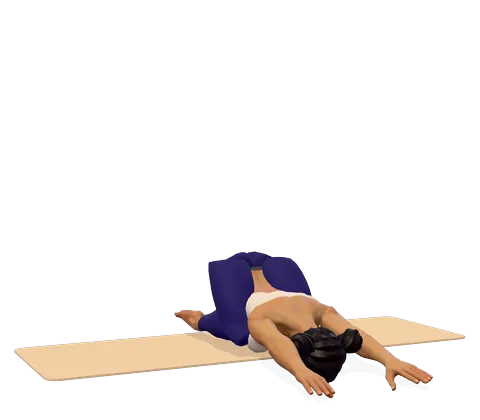 Child’s PoseBalasana
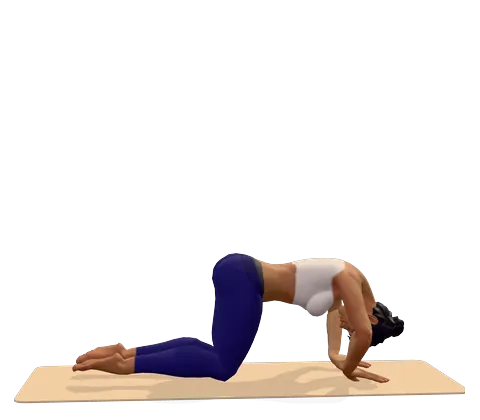 Cat PoseMarjaryasana
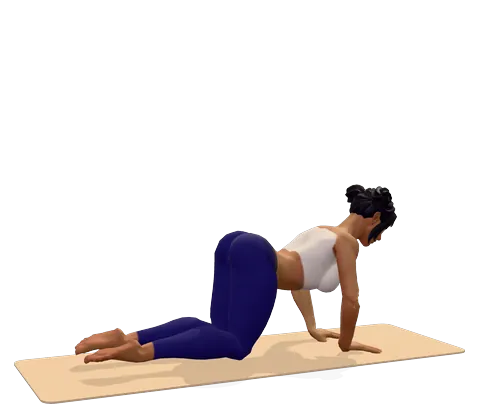 Cow PoseBitilasana
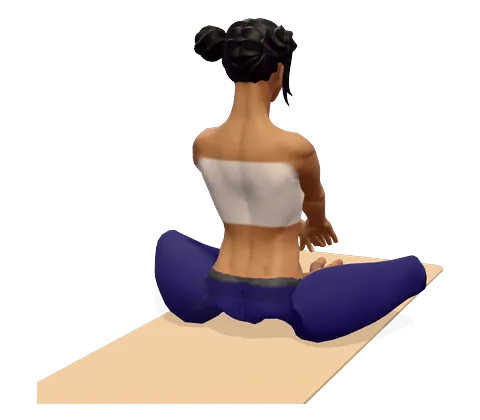 Bound Angle PoseBaddha Konasana
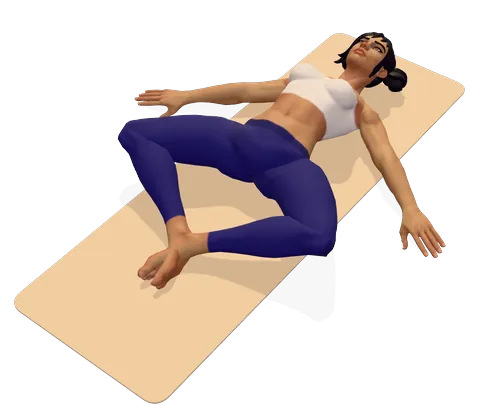 Reclining Bound Angle PoseSupta Baddha Konasana
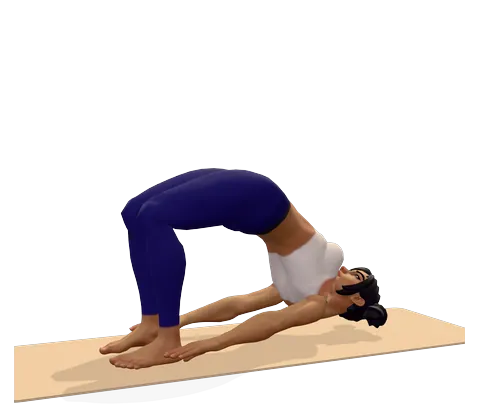 Bridge PoseSetu Bandhasana
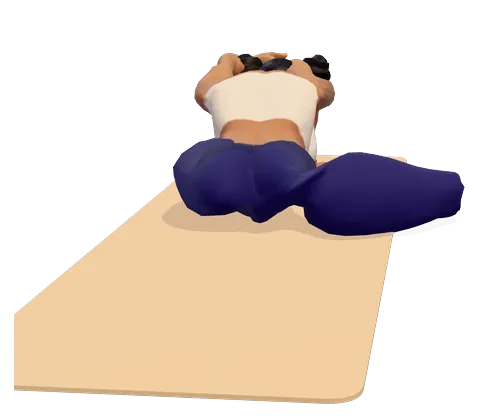 Head-to-Knee PoseJanu Sirsasana
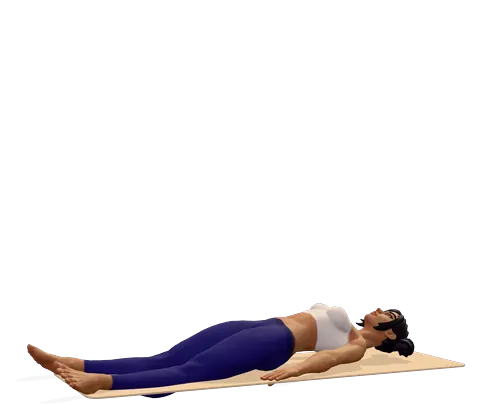 Corpse PoseSavasana
More poses that help with pms (premenstrual syndrome)
Add these once the session above feels easy, or swap one in when a pose does not suit you.
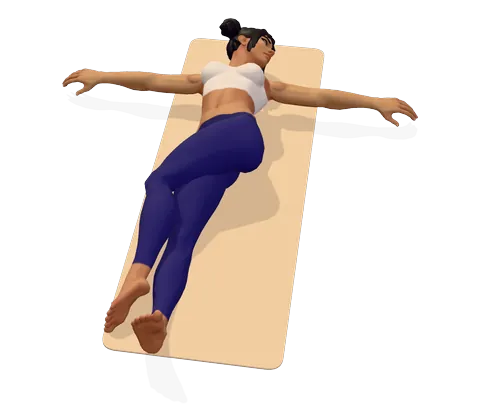 Supine Spinal TwistSupta Matsyendrasana
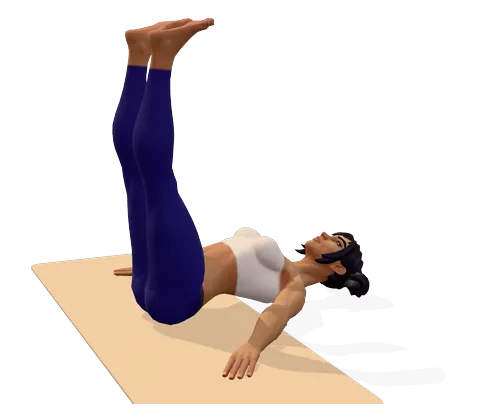 Legs-Up-the-Wall PoseViparita Karani
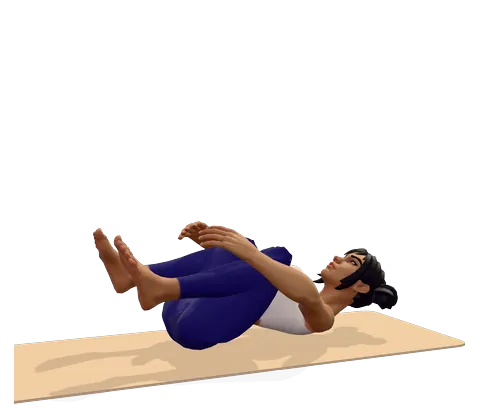 Wind-Relieving PosePavanamuktasana
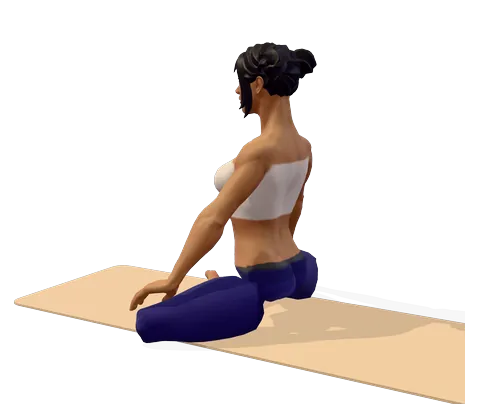 Easy PoseSukhasana
Mudras for pms (premenstrual syndrome)
Hold a mudra while you sit for the breathing practice or a few minutes of quiet. Mudras are a traditional practice; research on them is limited.
Breathing practice
Avoid
Pushing through intense sessions on low-energy days; choose gentle, restorative practice.
Moderate evidence: Randomised trials show a benefit; more research is under way.
Yoga for PMS is one of the better-supported uses of yoga in women's health. Premenstrual syndrome (PMS) is the group of physical and emotional symptoms that many women feel in the one to two weeks before a period: irritability, low or anxious mood, tiredness, bloating, breast tenderness, headaches and cramps. Several randomised trials suggest that regular yoga may ease these symptoms and improve quality of life. This page explains the plan above, how to adjust it across your cycle, and when PMS needs medical help.
What PMS is, and the different types of symptoms
PMS happens because the body and brain react to the normal rise and fall of oestrogen and progesterone after ovulation. It is not "all in your head", and it is not a hormone deficiency. Symptoms fall into different types:
- Mood: irritability, mood swings, sadness, anxiety, feeling overwhelmed.
- Body: bloating, breast soreness, headaches, back pain, cramps, food cravings.
- Energy and sleep: fatigue, poor sleep or sleeping too much, poor concentration.
Symptoms usually ease within a few days of the period starting. If you have mood swings after your period too (post-period mood swings), or all month, the cause may be something else, such as depression, anxiety or thyroid problems, and it is worth talking to a doctor.
For a teenage girl with period mood swings, the same simple steps help: sleep, movement, regular meals and someone to talk to.
PMS or PMDD?
Premenstrual dysphoric disorder (PMDD) is a severe form of PMS in which mood symptoms such as deep sadness, hopelessness, anger or anxiety seriously disrupt work and relationships. Yoga for PMDD can support you, but PMDD usually needs medical treatment, such as certain antidepressants or hormonal treatment, which work well for many people.
If you have thoughts of harming yourself, at any time of the month, contact a doctor, a crisis line or emergency services now.
Does yoga help PMS? What the research says
The evidence level here is moderate. In a randomised trial in Turkey, women with PMS who practised yoga regularly over the long term had lower scores for depressive mood, anxiety, fatigue, pain and sleep problems, and better quality of life, than women who did not. In a randomised trial in Iran, eight weeks of yoga lowered depression scores and diastolic blood pressure in women with PMS. Other trials, including a cluster randomised study in Taiwan, found fewer physical and irritability symptoms after yoga.
This fits what we know about yoga for mental health more widely: regular practice can ease low mood and anxiety. The studies are small and differ in style and length, so yoga is best seen as a helpful part of PMS care alongside good sleep, activity and, when needed, medical treatment.
The best yoga poses for PMS, explained
These yoga asanas for PMS are gentle and calming. They relax the belly and lower back, open the hips and slow the breath. You can do them as a morning or evening routine; in the week before your period, choose the gentlest version of each.
Child's pose
Child's pose (Balasana) is the first and last refuge on a hard day. Widen your knees, rest your forehead on a cushion and let your belly soften between the thighs. It eases lower back tension and calms irritability.
Cat and cow
Cat and cow move the spine and pelvis with the breath. Round as you breathe out, arch gently as you breathe in. This is one of the best yoga poses for PMS cramps and back pain, because the rhythm relaxes the muscles around the pelvis.
Bound angle and reclining bound angle
Bound angle pose opens the inner thighs and hips while you sit tall on a folded blanket. Reclining bound angle is the restorative version: lie back over a pillow with cushions under your knees for three to five minutes. It is the heart of this session for mood swings and anxiety.
Bridge pose
Bridge pose is useful yoga for the psoas: it gently stretches the front of the hips, including the psoas muscle, and strengthens the buttocks. On a low-energy day, place a block under your sacrum and rest there instead of lifting.
Head-to-knee pose
Head-to-knee pose (Janu Sirsasana) is a quiet seated forward bend over one leg. Bend the straight knee a little and rest your forehead on a cushion or block. Forward bends like this are traditionally used to calm the mind.
Savasana
Savasana ends the session. Lie with a pillow under your knees and a blanket over you. For longer rest, try Yoga Nidra.
Yoga for PMS symptoms: what to do for each one
| Symptom | Poses and practice |
|---|---|
| Mood swings, irritability | Reclining bound angle, child's pose, Bhramari breathing |
| Anxiety | Nadi Shodhana, long exhales, Savasana |
| Cramps and back pain | Cat-cow, child's pose, wind-relieving pose, heat pad |
| Bloating | Wind-relieving pose, gentle supine twist, a short walk |
| Fatigue | Short session with shorter holds, legs up the wall, early night |
| Poor sleep | Evening session, Bhramari, Yoga Nidra |
Yoga poses for PMS bloating
Wind-relieving pose and a gentle supine twist, from the extra poses list, are the most helpful yoga poses for PMS bloating. Hug one knee at a time, then let both knees fall softly to each side. Legs up the wall is restful on tired evenings; skip it during heavy bleeding if it feels uncomfortable.
Breathing for PMS mood swings
If you want to know how to deal with PMS mood swings in the moment, or need yoga for mood swings before periods that takes five minutes, start with your breath.
Bhramari (humming bee breath) is one of the quickest mood swing remedies for PMS: the hum lengthens the out-breath and settles a busy mind. Nadi Shodhana gives the mind a steady rhythm to follow. Five minutes of either, once or twice a day in the premenstrual week, is enough. You can also use the free breathing timer. The suggested Yoni mudra is a traditional hand position that helps you turn inward during breathing.
How to manage PMS: beyond the mat
People often ask how to deal with PMS, how to stop it or how to get rid of PMS completely. There is no switch that turns it off, but these steps help most people cope with PMS and control PMS symptoms:
- Move regularly all month, not only when symptoms start. Walking, cycling and yoga all count.
- Sleep regular hours, especially in the premenstrual week.
- Eat regular meals with whole grains, protein and vegetables; cut back on salt (for bloating), alcohol and a lot of caffeine.
- Track your cycle and symptoms for two or three months. Knowing when a hard week is coming helps you plan.
- Tell people close to you. Being understood reduces the strain of mood swings.
What about natural remedies for PMS and the best supplement for PMS? Some studies support calcium and possibly vitamin B6, but high doses of B6 can harm nerves, and herbal products vary in quality. Ask a doctor or pharmacist before taking any PMS support supplement for women. For how to manage extreme PMS, medical options include hormonal contraception, certain antidepressants and talking therapy (cognitive behavioural therapy); a doctor can explain which suits you.
How to deal with PMS fatigue
On low-energy days, do not push through an intense class. Choose gentle yoga for PMS instead: child's pose, reclining bound angle, legs up the wall and ten minutes of Savasana. A short walk in daylight often helps more than rest alone.
Yoga across your cycle
A simple rhythm works well. In the first two weeks after your period, when energy is often higher, add stronger practice such as Surya Namaskar or a walk-and-strength routine. In the week or two before your period, switch to the guided PMS session five days a week, plus breathing. During your period, see yoga for period pain. Gentle yin yoga for PMS, with long supported holds, fits the premenstrual week too. Kundalini yoga for PMS is fine if you enjoy it, but leave out fast breathing if it makes you feel wound up.
Morning or evening?
The benefits of doing yoga in the morning are a calmer start and fewer skipped sessions. An evening session helps if PMS disturbs your sleep. Whichever is the best yoga time for your mornings or evenings, choose one and keep it regular for at least two cycles before you judge the results.
When to see a doctor
See a doctor if PMS stops you working, studying or looking after your family; if mood symptoms are severe; if symptoms do not ease after your period starts; or if you have very painful, heavy or irregular periods, which may point to endometriosis (for pelvic pain and pelvic floor health, see also yoga for pelvic floor), fibroids or PCOS (see yoga for PCOS). Keep taking any treatment you have been given.
Practise with the 3D guide
The guided session at the top of this page plays all eight poses with a calm voice in 28 languages. Choose shorter holds on tired days. If you are new to yoga, start with yoga for beginners, and track how you feel across the month in My Practice.
Research behind this plan
- Korkem Yorulmaz 2024, Health Care Women Int — RCT, 60 women: long-term regular yoga was linked with less depressive mood, anxiety, fatigue and pain and better quality of life in PMS
- Ghaffarilaleh 2019, Complement Ther Clin Pract — RCT: yoga reduced depression scores and diastolic blood pressure in women with PMS
- NCCIH — Yoga: What You Need To Know (safety and evidence overview)
Frequently asked questions
Does yoga help with PMS?
Randomised trials suggest it can. Women with PMS who practised yoga regularly had less depressive mood, anxiety, fatigue and pain, and better quality of life, than women who did not.
Which yoga poses are best for PMS?
Child's pose, cat-cow, bound angle, reclining bound angle, bridge, head-to-knee pose and Savasana, plus wind-relieving pose for bloating and Bhramari breathing for mood.
What is the best yoga for PMS relief for beginners?
Start with the relaxing yoga forms for beginners: child's pose, cat-cow and reclining bound angle with slow breathing. These restful poses give PMS relief without strain, and you can add more of the session as you get used to it.
How can I avoid mood swings during periods?
Keep regular sleep and meals, move daily, cut back on alcohol and a lot of caffeine, and use slow breathing such as Bhramari when you feel tense. Track your cycle so you can plan easier days.
What helps PMS moodiness quickly?
Five minutes of slow breathing with long exhales, such as Bhramari, a short walk outside, or lying in reclining bound angle can calm you within minutes.
How long does yoga take to help PMS?
Most trials ran for about two to three months. Practise regularly for at least two cycles before you judge the effect.
Can yoga help PMDD?
Yoga can support you, but PMDD is a severe condition that usually needs medical treatment. Talk to a doctor; effective options exist.
Should I do yoga when I have PMS fatigue?
Yes, but keep it gentle: restorative poses, short holds and breathing. Pushing through an intense session on a low-energy day can make you feel worse.
Medical note: yoga supports treatment; it does not replace it. Keep taking prescribed medicine and talk to your doctor before you start, especially with heart disease, uncontrolled blood pressure, recent surgery, pregnancy, epilepsy or severe pain. Read our medical disclaimer.