Your fibromyalgia yoga plan
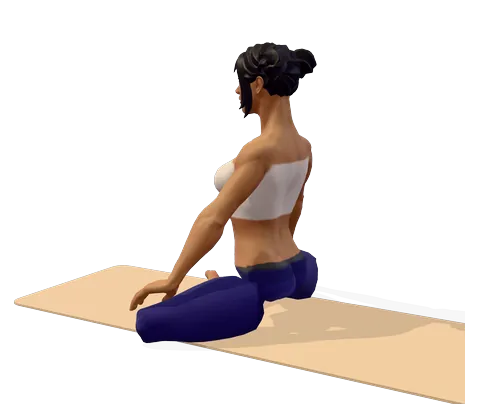 Easy PoseSukhasana
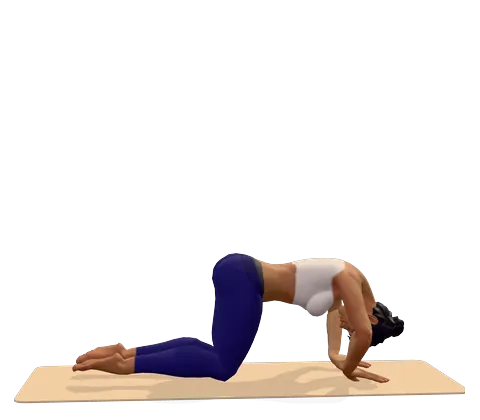 Cat PoseMarjaryasana
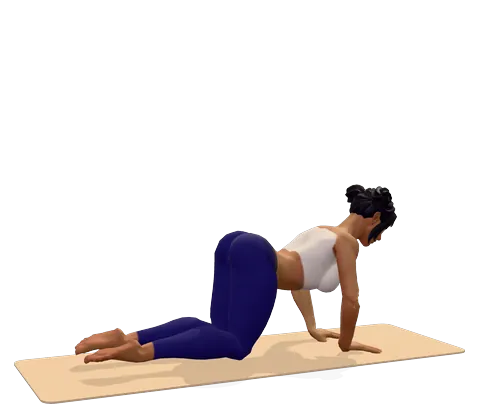 Cow PoseBitilasana
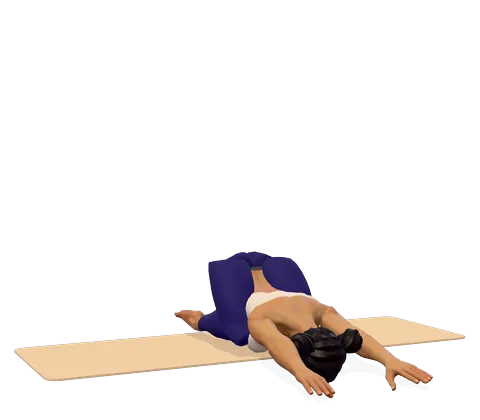 Child’s PoseBalasana
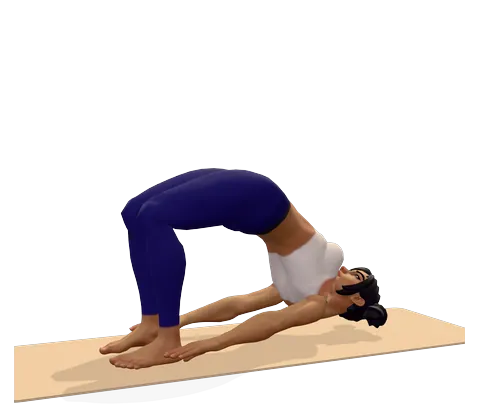 Bridge PoseSetu Bandhasana
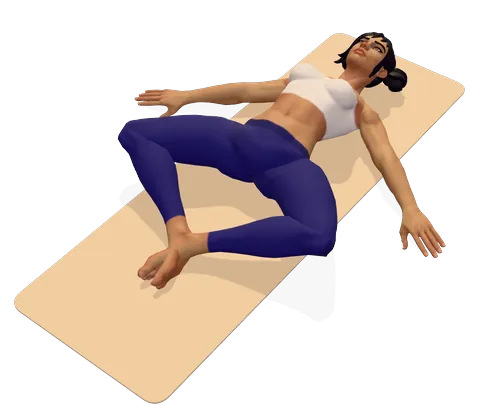 Reclining Bound Angle PoseSupta Baddha Konasana
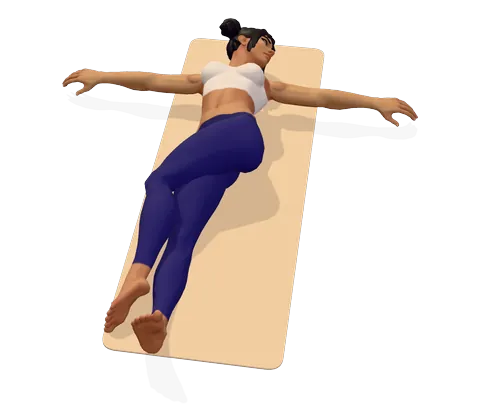 Supine Spinal TwistSupta Matsyendrasana
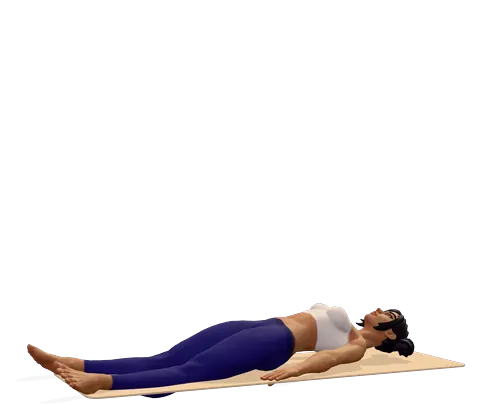 Corpse PoseSavasana
More poses that help with fibromyalgia
Add these once the session above feels easy, or swap one in when a pose does not suit you.
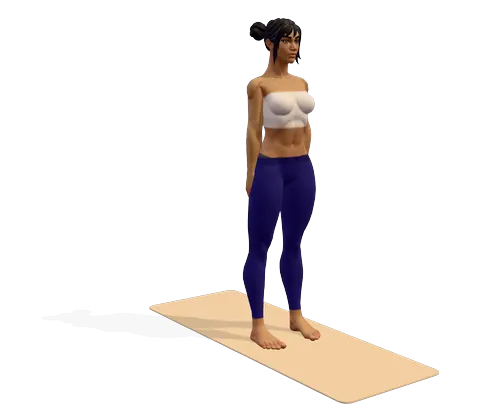 Mountain PoseTadasana
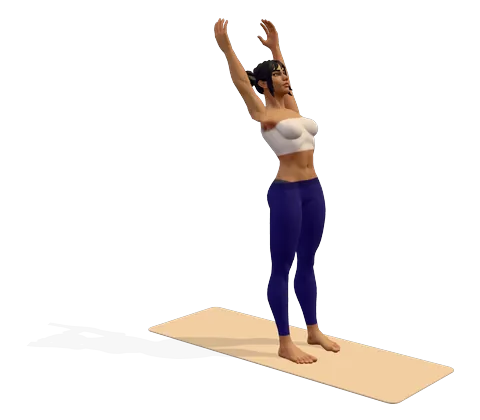 Raised Arms PoseHasta Uttanasana
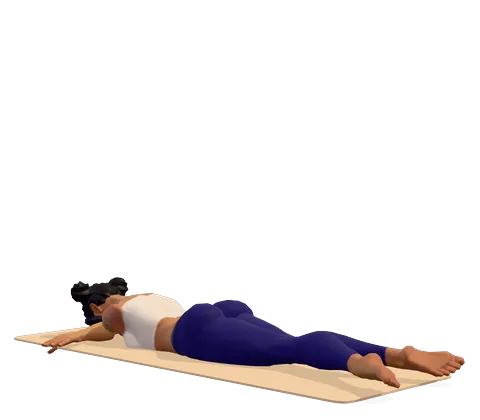 Crocodile PoseMakarasana
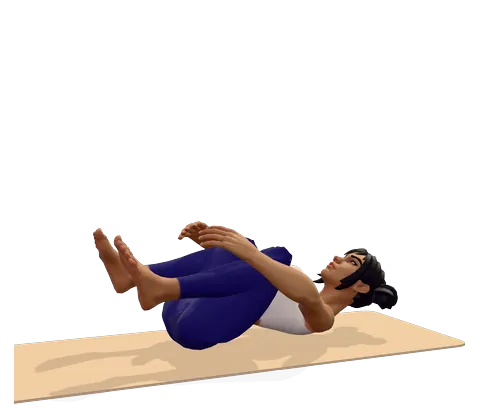 Wind-Relieving PosePavanamuktasana
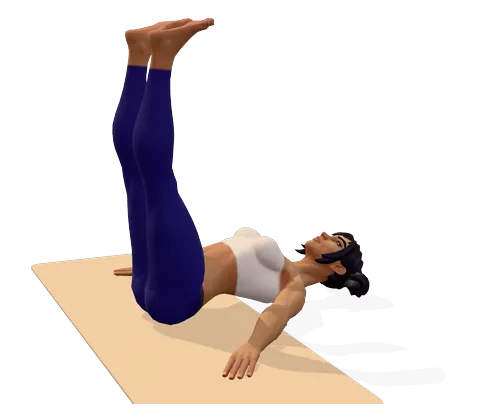 Legs-Up-the-Wall PoseViparita Karani
Mudras for fibromyalgia
Hold a mudra while you sit for the breathing practice or a few minutes of quiet. Mudras are a traditional practice; research on them is limited.
Breathing practice
Avoid
Long, strong sessions that cause a flare the next day. Start with 10 to 15 minutes and build slowly.
Moderate evidence: Randomised trials show a benefit; more research is under way.
Yoga for fibromyalgia works best when it is gentle, short and regular. Fibromyalgia causes widespread pain, tiredness, poor sleep and "fibro fog", and too much exercise on a good day can lead to a flare on the next. Slow poses, calm breathing and deep rest can ease pain and stress without pushing your body too far. This page explains how the plan above helps, what the research shows, and how to pace your practice. Yoga supports your treatment; it does not replace it.
Is yoga good for fibromyalgia?
Yes, for many people. Regular exercise is one of the most recommended treatments for fibromyalgia: the NHS says it has been shown to reduce pain and improve quality of life, and that the best choice is something you enjoy and can keep doing. Gentle yoga fits well because it combines light movement, stretching, relaxation and breathing in one practice.
The research is moderate, which matches the evidence level on this page. In a randomised trial of 53 women with fibromyalgia, an 8-week "Yoga of Awareness" programme (gentle poses, meditation, breathing and coping skills) improved pain, fatigue, mood and overall symptoms compared with usual care, and most gains lasted at three months. People who practised more at home tended to improve more. A 2025 review concluded that yoga may improve pain, fatigue, sleep and quality of life, while noting that larger, longer trials are still needed.
Can yoga cure fibromyalgia? No. There is no cure yet. Yoga is one way to manage symptoms, alongside medicine, sleep habits, talking therapies and support from your doctor.
How yoga helps chronic pain
In fibromyalgia, the nervous system becomes over-sensitive, so normal signals are felt as pain. Yoga for chronic pain management works on this system rather than on one sore spot:
- Calmer nerves. Slow breathing and rest shift the body towards its "rest and digest" mode, which can turn down pain sensitivity.
- Gentle movement. Moving without strain eases stiffness and sore muscles and reminds the body that movement is safe.
- Better sleep. Relaxation before bed may help the unrefreshing sleep many people with fibromyalgia describe.
- Coping and mood. Mindful attention can reduce worry and low mood, which often travel with chronic pain.
Yoga poses for fibromyalgia: why each one is in the plan
These fibromyalgia best yoga poses are mostly on the floor and fully supported. Use as many cushions and blankets as you like; comfort matters more than shape.
Easy pose: settle and breathe
Begin in Easy pose, sitting on a cushion so your knees are lower than your hips, or sit on a chair. Take a few slow breaths and notice how your body feels today. That check decides how much you do.
Cat and Cow: soft spinal movement
Cat and Cow gently move the whole spine. Put a folded blanket under your knees. If being on hands and knees hurts your wrists or knees, do seated Cat–Cow with your hands on your thighs.
Child's pose: rest with support
Child's pose is a resting shape. Place a pillow lengthwise under your chest and head so you can fully relax.
Bridge: light strength
Bridge pose builds a little strength in the legs and back. Lift your hips only a few centimetres and lower slowly. On a tired day, skip it or place a block under your hips and just rest there.
Reclining Bound Angle and Supine Twist: restorative rest
Reclining Bound Angle pose opens the hips and chest; put cushions under both knees so nothing strains. The Supine Spinal Twist gently releases the back; rest the knees on a pillow and keep the twist small.
Savasana: deep rest
End in Savasana with a pillow under your knees and a blanket over you, because many people with fibromyalgia feel the cold. Stay for five minutes or more.
How to exercise with fibromyalgia without a flare
Can yoga make fibromyalgia worse? It can, if you do too much. Body pain after doing yoga is common if you start with long or strong classes. Pacing prevents this:
- Start small. Begin with 10 to 15 minutes, even if you feel you could do more. The "shorter" hold time in the player helps.
- Use the 24-hour test. If you feel no worse the next day, keep the same amount for a week, then add a few minutes.
- Stay at 70%. Stop each pose well before your limit. A gentle stretch, never pain.
- Keep the same routine on good and bad days. Doing less on a bad day is fine; doing a lot more on a good day often triggers a flare.
- Rest is part of the practice. Take Child's pose or Savasana whenever you need to.
A 10 min yoga for fibromyalgia session done five days a week usually helps more than one long class.
Yoga for fibromyalgia for beginners: a first week
If you are new to yoga, this simple plan lets you lower your pain with yoga without overdoing it. It is also a good model for yoga for pain management in other long-term conditions.
| Day | What to do | Time |
|---|---|---|
| 1, 3, 5 | Easy pose breathing, Cat–Cow, Child's pose, Savasana | 10 min |
| 2, 4 | Box breathing and a short walk | 5–10 min |
| 6 | Full guided session on "shorter" holds | 15 min |
| 7 | Rest, or Yoga Nidra at bedtime | 10–20 min |
These gentle exercises for people with fibromyalgia are a starting point. The benefits of yoga for fibromyalgia build over weeks, so judge it after a month, not after one session. Side effects of yoga for fibromyalgia are usually short-lived soreness; if you feel worse for more than a day, do less next time. Pain relief from fibromyalgia exercises tends to come slowly, and it grows with regular practice.
Chair yoga for fibromyalgia and bad days
On days when getting to the floor is hard, seated yoga for chronic pain is a good option. Sit tall on a stable chair and do: seated Cat–Cow, shoulder rolls, gentle neck side stretches, raised arms with a slow breath, and ankle circles. Finish with breathing. The yoga for seniors page has more chair yoga ideas that suit anyone with chronic pain.
Breathing, Yoga Nidra and rest
Calm breathing may be the most important part of yoga for fibromyalgia pain. Try:
- Nadi Shodhana (alternate nostril breathing) for five minutes to steady your mind.
- Bhramari (humming bee breath), whose soft hum many people find soothing before sleep.
- Box breathing with short, easy counts when you feel tense.
Yoga Nidra for chronic pain is a guided rest lying down, where you move your attention slowly around the body. Try our free guided Yoga Nidra at bedtime. You can also rest your hands in Gyan mudra during breathing, a traditional gesture that many people find calming.
Which type of yoga is best?
The best yoga for fibromyalgia is slow and supported: gentle Hatha, restorative yoga for chronic pain and chair yoga. Yin yoga for fibromyalgia can work if you use props and keep stretches mild, since long, deep holds can be too much for sensitive tissue. Avoid hot yoga, fast power flows and classes that push you to "go further".
How to cope with fibromyalgia: other things that help
Fibromyalgia treatments at home work best as a mix. Along with yoga:
- Walk, swim or cycle gently; other gentle exercises for fibromyalgia add up. Strength training exercises for fibromyalgia, with light weights and slow progress, can also help.
- Keep regular sleep and wake times; see yoga for sleep.
- Manage stress and mood; see yoga for stress relief and yoga for depression.
- Use warmth, such as a warm bath or heat pack, for sore muscles.
- Keep taking prescribed medicine, and tell your doctor about new or changing symptoms.
Physical therapy exercises for fibromyalgia from a physiotherapist can help you plan a safe, gradual programme. Fibromyalgia is more common in women; fibromyalgia exercises for women are the same as for men, and pacing matters for everyone.
Practise with the 3D guide
Play the session at the top of this page and choose "shorter" holds at first. The 3D teacher moves slowly between poses, and the saffron ring on her mat shows the pace of each breath so you can breathe with her. The voice guides you in 28 languages, so you can close your eyes. Record how you feel after each session in your practice tracker; it makes pacing much easier.
Research behind this plan
- Wright, Carson et al. 2012, published conference abstract of the Yoga of Awareness trial — RCT of 53 women: 8-week Yoga of Awareness improved fibromyalgia symptoms, pain, fatigue and mood; gains mostly held at 3 months
- Karanlik 2025, International Journal of Yoga — review: yoga may improve pain, fatigue, sleep and quality of life in fibromyalgia; more rigorous trials needed
- NHS — Fibromyalgia treatment: regular exercise reduces pain and improves quality of life
Frequently asked questions
Is yoga good for fibromyalgia?
Yes, for many people. Studies suggest gentle yoga with breathing and meditation can reduce pain, fatigue and low mood in fibromyalgia. Start slowly and keep taking your prescribed treatment.
Can yoga make fibromyalgia worse?
Yes, if you do too much too soon. Long or strong sessions can cause a flare the next day. Start with 10 to 15 minutes of gentle poses and build up slowly.
What are the best yoga poses for fibromyalgia?
Supported, gentle poses: Easy pose, Cat and Cow, Child's pose with a pillow, a low Bridge, Reclining Bound Angle, a gentle Supine Twist and Savasana.
Is chair yoga good for fibromyalgia?
Yes. Chair yoga is a good choice on bad days or if getting to the floor is hard. Seated Cat–Cow, shoulder rolls, neck stretches and breathing all work well.
How often should I do yoga with fibromyalgia?
Short, regular sessions work best, for example 10 to 20 minutes on most days. Add time only if you feel no worse the next day.
What is the best exercise for fibromyalgia?
The best exercise is one you enjoy and can keep doing. Gentle walking, swimming, yoga, tai chi and light strength training all help many people.
Why do I have body pain after doing yoga?
Fibromyalgia makes muscles and nerves more sensitive, so a session that is too long or too deep can cause soreness. Do less, use more props and rest between poses.
Can yoga cure fibromyalgia?
No. Yoga can help manage pain, sleep, stress and fatigue, but it is not a cure. Use it alongside the treatment your doctor recommends.
Medical note: yoga supports treatment; it does not replace it. Keep taking prescribed medicine and talk to your doctor before you start, especially with heart disease, uncontrolled blood pressure, recent surgery, pregnancy, epilepsy or severe pain. Read our medical disclaimer.