Your balance and fall prevention yoga plan
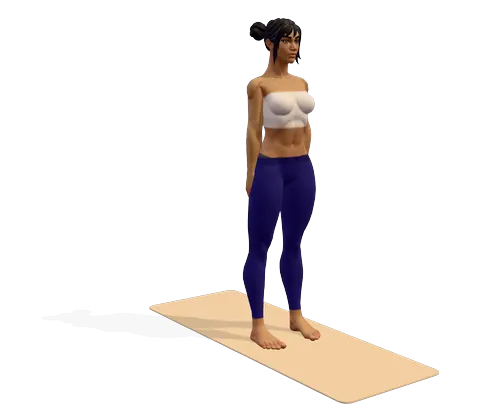 Mountain PoseTadasana
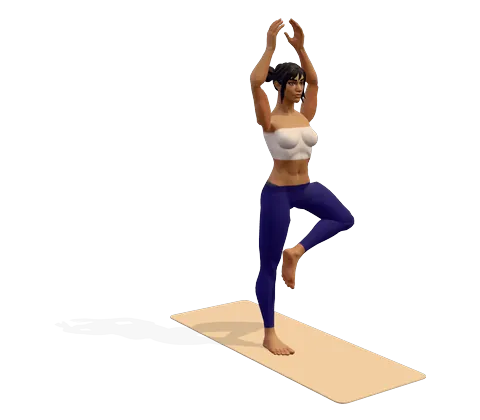 Tree PoseVrikshasana
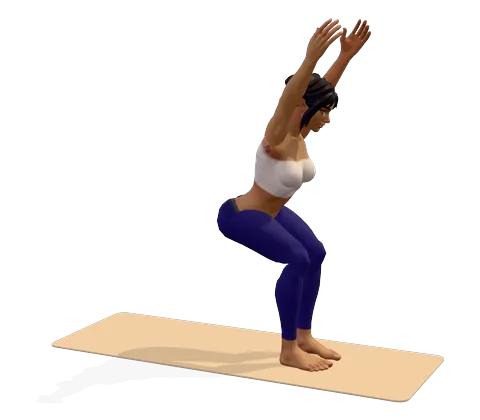 Chair PoseUtkatasana
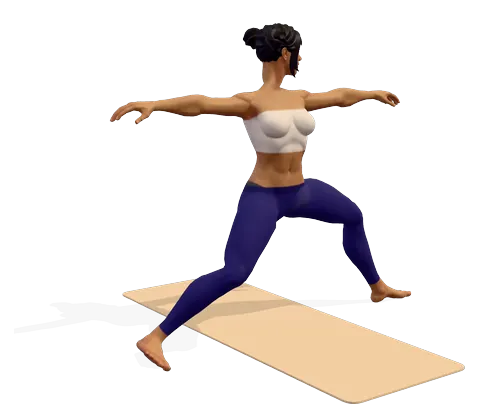 Warrior II PoseVirabhadrasana II
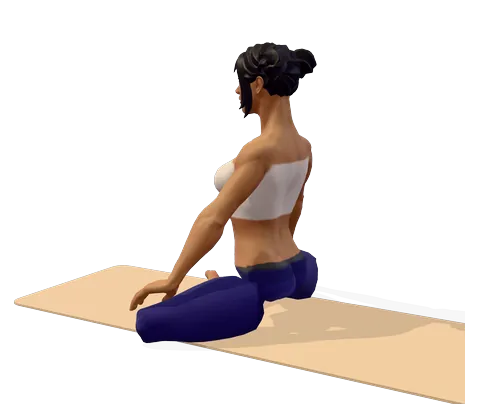 Easy PoseSukhasana
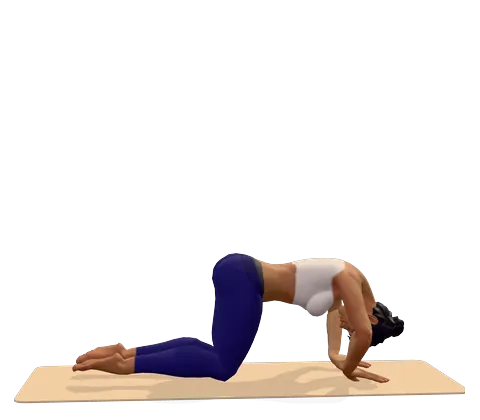 Cat PoseMarjaryasana
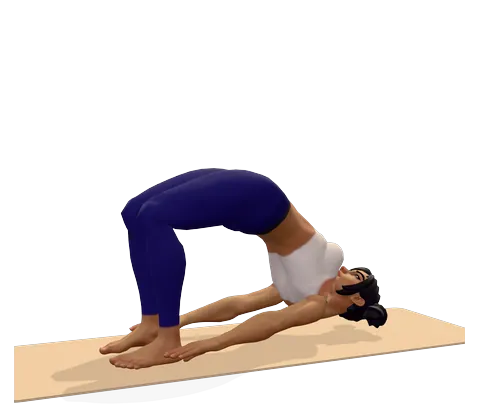 Bridge PoseSetu Bandhasana
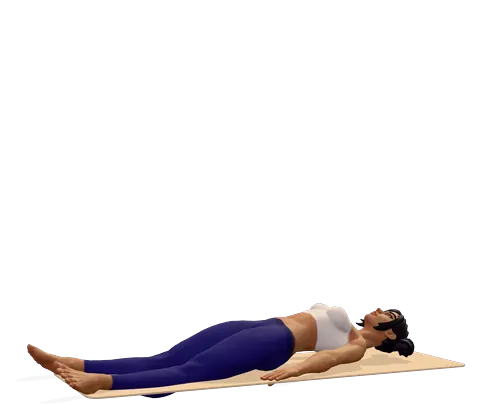 Corpse PoseSavasana
More poses that help with balance and fall prevention
Add these once the session above feels easy, or swap one in when a pose does not suit you.
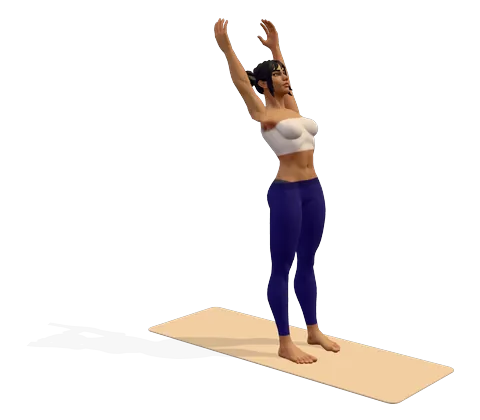 Raised Arms PoseHasta Uttanasana
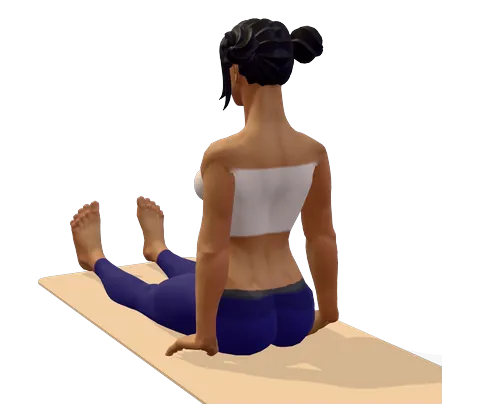 Staff PoseDandasana
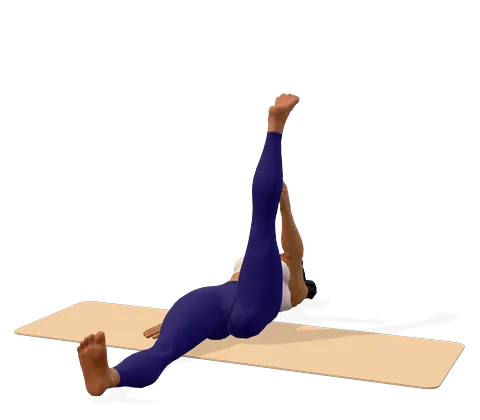 Reclining Hand-to-Big-Toe PoseSupta Padangusthasana
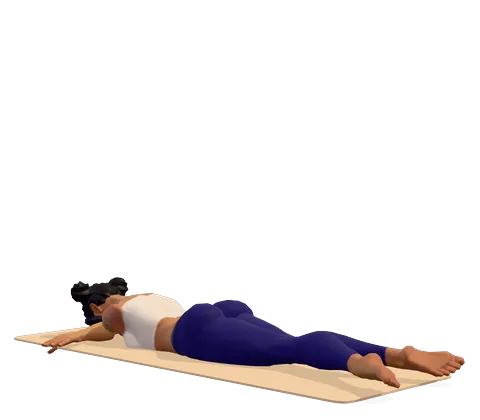 Crocodile PoseMakarasana
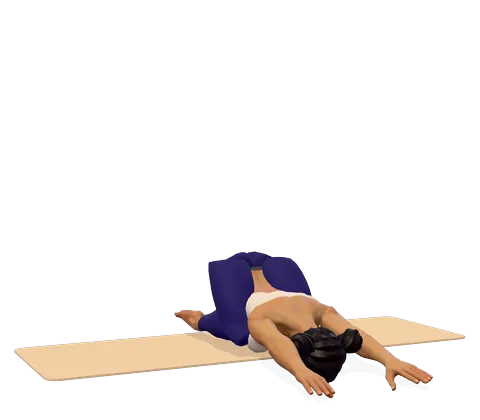 Child’s PoseBalasana
Mudras for balance and fall prevention
Hold a mudra while you sit for the breathing practice or a few minutes of quiet. Mudras are a traditional practice; research on them is limited.
Breathing practice
Avoid
Balance poses without a chair or wall to hold, getting up quickly from the floor, and deep forward folds if you have osteoporosis.
Moderate evidence: Randomised trials show a benefit; more research is under way.
Yoga for balance is one of the most useful things an older adult can practise. Falls are a leading cause of injury in people over 65, and many falls come from weak legs, stiff ankles, slow reactions and fear of falling. Yoga for seniors trains all of these gently: it strengthens the legs and hips, improves posture, sharpens body awareness and builds the confidence to move freely. This page gives you a safe routine done next to a chair or wall, with a 3D teacher and voice guidance, free and without sign-up.
Talk to your doctor first if you have fallen recently, feel dizzy, have osteoporosis, a joint replacement, heart disease or uncontrolled blood pressure. Keep taking your usual medicine. If a medicine makes you dizzy, tell your doctor rather than stopping it.
Is yoga good for seniors?
Yes. Yoga is good for senior citizens because it combines the three things that keep you steady on your feet: strength, flexibility and balance, plus calm breathing. The benefits of yoga for seniors reach beyond balance: many older adults also report less stiffness, easier movement, better sleep and a brighter mood. Because every pose can be done with a chair or wall, yoga suits people who have never exercised before.
What the research says about yoga and falls
The evidence is moderate:
- A 2016 meta-analysis in Age and Ageing of six good-quality trials (307 people aged 60 and over) found that yoga produced small improvements in balance and medium improvements in physical mobility.
- A Cochrane review of exercise for older people living in the community (summarised in the British Journal of Sports Medicine in 2020) found that exercise reduces the rate of falls by about 23%, and that programmes built mainly on balance and functional exercise reduce falls by about 24%.
Yoga has not yet been proven to cut falls on its own, but it is a form of the balance and strength exercise that does. For best results, combine it with walking and, if you can, a strength programme.
Yoga poses for balance and stability, one by one
These eight poses are the guided session on this page. Do the standing poses with a sturdy chair back or a wall within reach. Touching it is not cheating; it is how you train safely and progress.
1. Mountain Pose: the foundation
Tadasana is standing done well. Feet hip-width apart, weight spread across heels and toes, knees soft, head level. Try closing your eyes for a few breaths while holding the chair; this trains the balance organs in your inner ear.
2. Tree Pose: one-leg balance
Vrikshasana is the classic yoga balance pose. Beginners keep the toes of the lifted foot on the floor and rest the heel on the other ankle (a "kickstand"). Later, rest the foot on the calf. Hold the chair with one hand, then with one finger, then hover the hand just above it.
3. Chair Pose: leg strength
Utkatasana strengthens the thighs and glutes you use to get up from a chair and catch yourself if you trip. Bend the knees a little, as if about to sit, with hands on a chair back. A real chair behind you makes it even safer.
4. Warrior II: steady stance
Warrior II trains a wide, stable stance and strong hips. Keep the front knee over the ankle and the stance short enough to feel secure. One hand can rest on a chair.
5. Easy Pose: sitting tall
Sukhasana can be done on a chair: sit near the front edge, feet flat, spine long. This is where you practise the breathing.
6. Cat Pose: spinal mobility
Cat Pose keeps the spine moving. If kneeling is hard, do it seated: hands on the knees, round the back on the exhale and lift the chest on the inhale.
7. Bridge Pose: hips and back
Setu Bandhasana strengthens the glutes, which keep the pelvis level when you walk. Lift the hips a little and lower slowly.
8. Corpse Pose: rest
Finish in Savasana, with a pillow under the head and knees. Get up slowly: roll to your side, push up to sitting, pause, then stand holding the chair.
Chair yoga for seniors: when and how
Chair yoga for seniors is yoga done sitting on or holding a chair. It is ideal for people over 70 or 80, those with balance issues, arthritis or after surgery, and anyone who finds getting down to the floor hard. Does chair yoga for seniors really work? Studies of seated and supported yoga show improvements in flexibility, strength and mobility; for balance, standing work next to the chair adds the most.
Almost every pose in this session has a chair version: Mountain Pose holding the chair back, Tree with the toes down, Chair Pose with a real chair behind you, Cat–Cow and Easy Pose sitting down. Bridge and Savasana can be replaced by sitting still with slow breathing. For a full seated routine, see chair yoga for seniors and beginners and the Gentle Yoga for Seniors session on the practice page.
Breathing for calm and focus
Anulom Vilom (alternate nostril breathing) is slow and gentle; sit on a chair and breathe without holding the breath. Bhramari (humming breath) calms the mind and many older adults enjoy it before bed. Both help with the anxiety and fear of falling that can make people move less.
Safety: side effects and osteoporosis contraindications
Easy yoga for older adults is very safe when you follow a few rules. Yoga for seniors has few side effects; the main risks are falls during balance poses and strain from pushing too far.
- Always keep a chair or wall within reach for standing and balance poses.
- Get up from the floor slowly, and pause when you stand to avoid dizziness.
- Yoga and osteoporosis contraindications: avoid deep forward folds, rounding the back under load, strong twists and inversions; they raise the risk of spine fractures. See yoga for osteoporosis.
- After a hip replacement, follow your surgeon's movement rules (often no deep hip bending or crossing the legs for a period).
- Wear non-slip socks or practise barefoot on a non-slip mat, never in plain socks on a smooth floor.
- Stop if you feel chest pain, dizziness, breathlessness or sharp joint pain.
How often: a simple weekly plan
| Day | Practice |
|---|---|
| Monday, Wednesday, Friday | Full guided session, 20–25 minutes |
| Tuesday, Thursday | Walk 20–30 minutes; 5 minutes of Tree Pose at the kitchen counter |
| Every day | 5 minutes of breathing; stand on one leg while brushing your teeth, holding the sink |
Balance improves with regular practice over weeks and months, so aim for at least two to three hours of balance and strength exercise a week in total. You can shorten or lengthen the holds in the session player, and track your days in the practice tracker.
बुज़ुर्गों के लिए योग — हिंदी में उम्र बढ़ने पर संतुलन कमज़ोर होता है और गिरने का डर बढ़ता है। कुर्सी या दीवार का सहारा लेकर ताड़ासन, वृक्षासन, उत्कटासन और वीरभद्रासन करें; इससे पैरों की ताकत और संतुलन बढ़ता है। अनुलोम-विलोम और भ्रामरी मन को शांत करते हैं। फर्श से धीरे-धीरे उठें। ऑस्टियोपोरोसिस हो तो आगे गहराई से न झुकें।
Research behind this plan
- Youkhana 2016, Age Ageing — meta-analysis of 6 trials (307 people 60+): yoga gave small improvements in balance and medium improvements in mobility
- Sherrington 2020, Br J Sports Med (abridged Cochrane review) — exercise reduces the rate of falls in older people by about 23%
- NCCIH — Yoga: what you need to know (safety and evidence overview)
Frequently asked questions
Is yoga good for seniors?
Yes. Yoga improves balance, mobility, strength and flexibility in people over 60, and it can be adapted with a chair or wall for almost any fitness level.
What type of yoga is best for seniors?
Gentle or chair yoga with plenty of support is best to start. Hatha-style classes with slow standing poses, balance work and breathing suit most older adults.
Can yoga prevent falls in the elderly?
Balance and strength exercise reduces falls in older adults, and yoga is one way to do it. Yoga on its own has not yet been proven to cut falls, so combine it with walking and strength work.
Is chair yoga good for people over 80?
Yes. Chair yoga lets people over 80 or with limited mobility stretch, strengthen and breathe safely. Add standing work holding the chair when you feel ready.
How often should seniors do yoga for balance?
Three sessions a week plus short daily balance practice, such as standing on one leg at the kitchen counter, is a good goal. Benefits build over several months.
What yoga poses should seniors avoid?
Avoid unsupported balance poses, headstands and shoulder stands, deep forward folds and strong twists with osteoporosis, and anything that causes dizziness or sharp pain.
Is this yoga for seniors free?
Yes. The guided session with the 3D teacher and voice is free, needs no sign-up and works in any browser on a phone, tablet or computer.
How can I improve balance for yoga poses?
Start with a hand on a chair, fix your gaze on a still point, press the whole foot into the floor and firm the thigh of the standing leg. Practise little and often.
Medical note: yoga supports treatment; it does not replace it. Keep taking prescribed medicine and talk to your doctor before you start, especially with heart disease, uncontrolled blood pressure, recent surgery, pregnancy, epilepsy or severe pain. Read our medical disclaimer.