Your neck pain and cervical spondylosis yoga plan
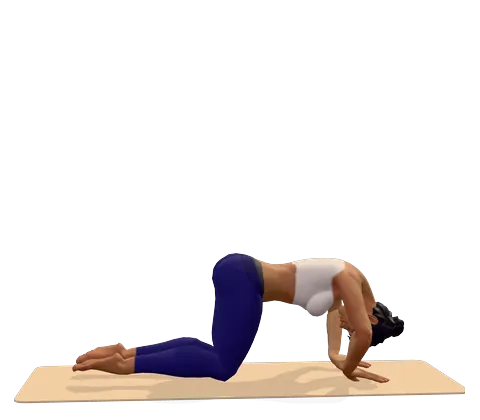 Cat PoseMarjaryasana
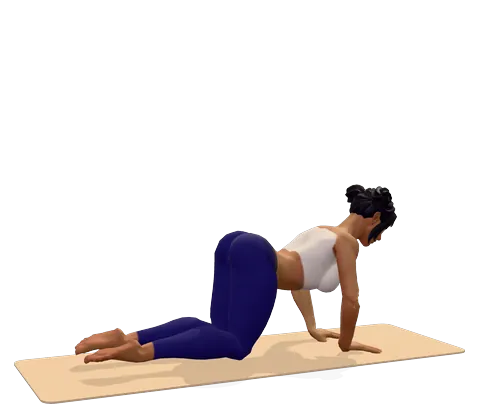 Cow PoseBitilasana
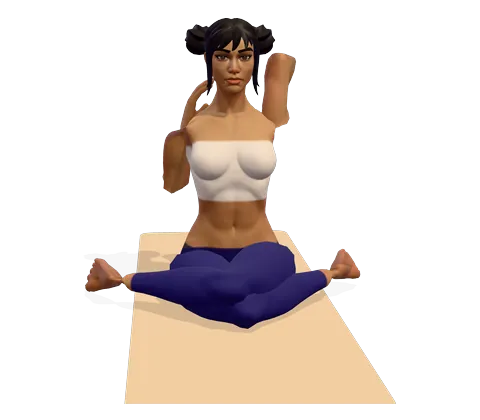 Cow Face PoseGomukhasana
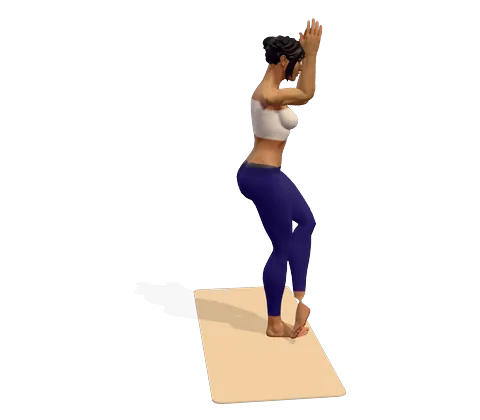 Eagle PoseGarudasana
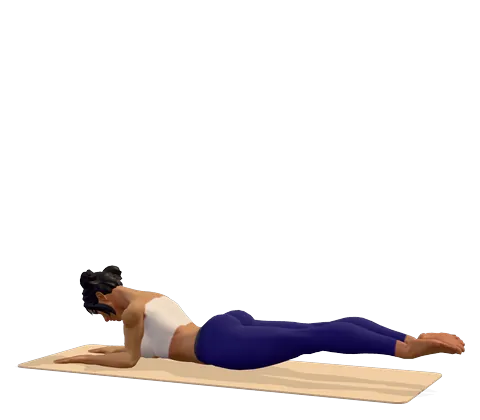 Sphinx PoseSalamba Bhujangasana
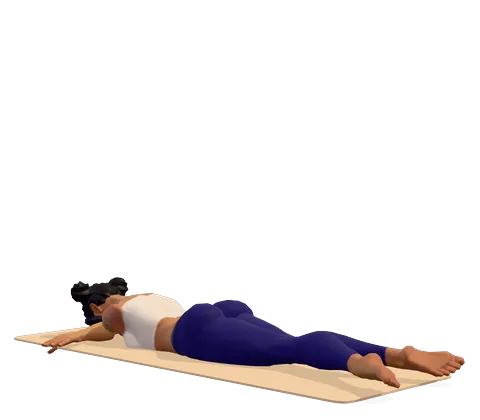 Crocodile PoseMakarasana
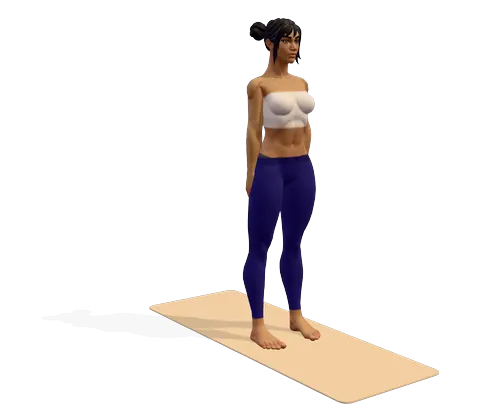 Mountain PoseTadasana
More poses that help with neck pain and cervical spondylosis
Add these once the session above feels easy, or swap one in when a pose does not suit you.
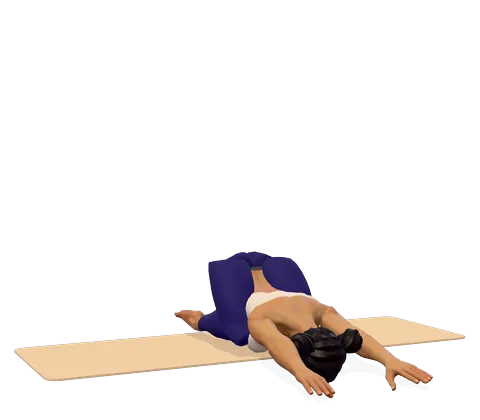 Child’s PoseBalasana
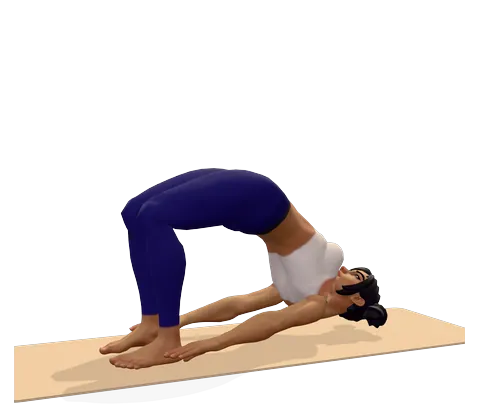 Bridge PoseSetu Bandhasana
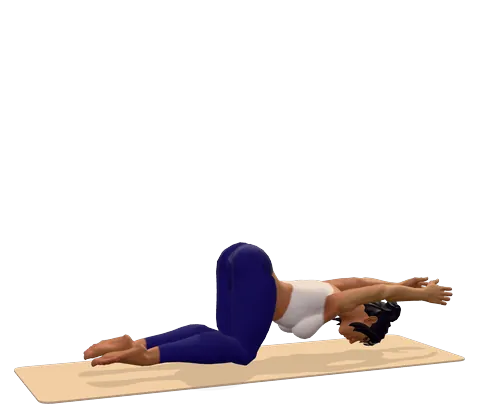 Extended Puppy PoseAnahatasana
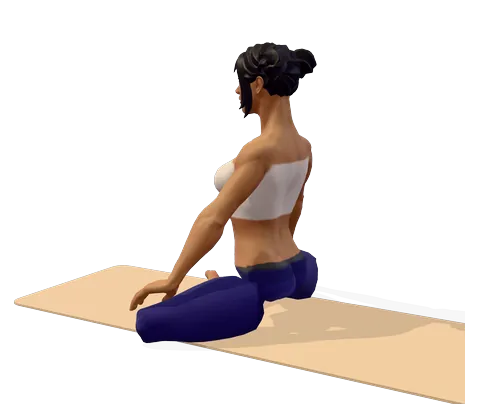 Easy PoseSukhasana
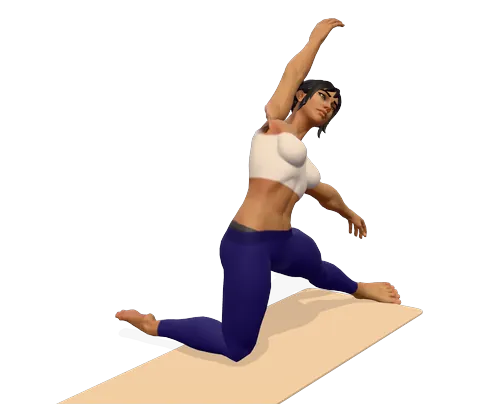 Gate PoseParighasana
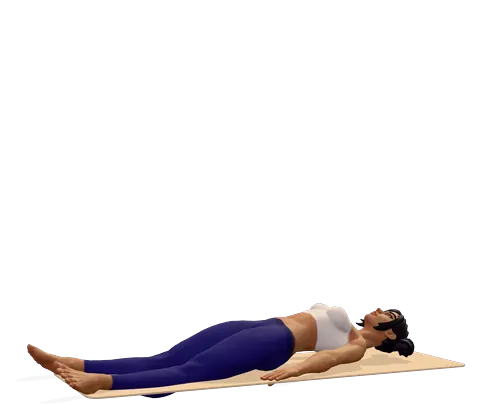 Corpse PoseSavasana
Mudras for neck pain and cervical spondylosis
Hold a mudra while you sit for the breathing practice or a few minutes of quiet. Mudras are a traditional practice; research on them is limited.
Breathing practice
Avoid
Headstand, shoulder stand, plow and fast neck circles.
Emerging evidence: Small or early trials look promising.
Yoga for neck pain works best when you move the neck very little and the upper back and shoulders a lot. Most neck pain comes from muscles and joints that have become tight and tired from long hours at a screen, a poor night's sleep or age-related wear (cervical spondylosis). Slow mobility, gentle strength work and calm breathing can ease a stiff neck, while strong neck stretches and inversions can make it worse. This page explains how to practise safely.
How yoga may help a stiff and painful neck
Your head weighs roughly 5 kg (11 lb), and the small neck muscles hold it up all day. When your upper back is stiff and rounded, the head drifts forward and those muscles work even harder. Yoga for neck pain and stiffness helps in a few ways:
- Mobilises the upper back. Cat and Cow move the middle of the spine, so the neck does not have to make up for a stiff upper back.
- Opens the chest and shoulders. Cow Face and Eagle arms stretch the muscles between and around the shoulder blades, where neck tension often starts.
- Builds easy neck strength. Sphinx asks the deep neck and upper back muscles to hold the head in line, a gentle kind of strength training.
- Relaxes guarding. Slow breathing and rest poses reduce the constant clenching that keeps a sore neck sore.
Is yoga good for neck pain? What the research says
The evidence is rated "emerging": the results are encouraging, but the trials are few and small. A 2017 meta-analysis of three trials with 188 people with chronic non-specific neck pain found that yoga reduced pain and neck-related disability and improved quality of life and mood in the short term, compared with usual care. No serious side effects were reported.
A 2019 review of 10 trials (686 people) found similar short-term gains in pain and disability, plus better neck range of motion. In other words, yoga exercises can bring real relief for chronic neck pain, at least in the short term, but the authors asked for larger, longer studies before firm conclusions. The US National Center for Complementary and Integrative Health also reports that yoga reduced neck pain intensity and disability in studies. None of this research tested yoga as a cure for cervical spondylosis; it looked at pain and function.
Yoga poses for neck pain: why each one is in the plan
These neck pain yoga poses and yoga exercises for neck pain relief keep the head supported and move it only a little. Keep your chin level, move slowly, and stop at the first sign of pain, pins and needles or dizziness.
Cat and Cow: move the upper back
Cat pose and Cow pose gently flex and extend the whole spine. For the neck: let the head follow the spine only a little; in Cow, look at the floor just ahead of your hands rather than up at the ceiling. You can also do them seated on a chair.
Cow Face pose: shoulders and upper back
Cow Face pose stretches the shoulders and chest. Modify: sit on a chair, and use a strap or towel between your hands instead of forcing them to meet. Keep your head upright, not pushed forward by the top arm.
Eagle pose: space between the shoulder blades
Eagle pose spreads the shoulder blades apart, which makes it one of the best yoga moves for a stiff neck and shoulders after desk work. Modify: do only the arms, or simply give yourself a hug, while seated. Lift the elbows only as high as is comfortable.
Sphinx pose: easy yoga for neck strength
Sphinx pose trains the upper back to hold the head. Modify: keep the back of the neck long, eyes looking down at the mat a little ahead of you. Do not tip the head back. If this hurts, rest your forehead on your stacked hands.
Crocodile pose: full rest
Crocodile pose lets the neck rest completely on your folded arms. Modify: if turning your head to the side is uncomfortable, rest your forehead on your hands with a small towel for breathing space.
Mountain pose: stack the head over the body
Mountain pose practises good alignment: ears over shoulders, shoulders over hips. Stand with your back against a wall and gently draw the chin back so the back of your head moves towards the wall. That small "chin tuck" is one of the simplest neck exercises for cervical spondylosis.
Breathing practice: Bhramari
Bhramari, the humming bee breath, uses a long, soft hum on the out-breath. Many people find it calming, which makes it a good choice when neck tension comes with stress or headaches. Sit tall on a chair, keep the jaw relaxed, and practise five to seven rounds.
A weekly routine for neck pain relief
| Day | What to do | Time |
|---|---|---|
| Monday | Guided session on this page | 10 min |
| Tuesday | Desk breaks: chin tucks, shoulder rolls, seated Eagle arms every hour | 2 min each |
| Wednesday | Guided session plus Bhramari | 15 min |
| Thursday | Walk with relaxed shoulders; desk breaks | 20 min |
| Friday | Guided session | 10 min |
| Saturday | Cat–Cow and Sphinx only, then rest | 10 min |
| Sunday | Rest, or Bhramari before bed | 5 min |
Most neck pain settles within a few weeks. Keep these home exercises for neck pain going afterwards two or three times a week to keep the upper back mobile.
Yoga for cervical spondylosis
Cervical spondylosis means age-related changes in the discs and small joints of the neck. It shows up on many X-rays after the age of 50, often with no pain at all. The most useful yoga asanas for cervical spondylosis are the ones above, and yoga for the cervical spine should look like this plan: gentle upper back mobility, chin tucks and relaxed breathing, with no forceful neck rolls. Physiotherapy is often the first treatment, and physio for cervical spondylosis usually includes very similar exercises. How to help cervical spondylosis day to day: keep moving, set up your screen at eye level, and avoid long periods looking down.
The same gentle principles apply to yoga for back pain and lumbar spondylosis. People with ankylosing spondylitis often benefit from regular mobility work, and yoga can be part of it, but agree the exercise plan with your rheumatologist.
Yoga for neck pain for beginners, seniors and office workers
Beginners: yoga for neck and shoulder pain can start with Cat–Cow, Sphinx and Mountain pose; add Cow Face and Eagle arms after a week. Small movements are enough.
Seniors over 60: do all your neck yoga seated, or standing with a chair nearby. Avoid quick head turns, especially if you get dizzy when you look up. Chair yoga for neck pain is a safe way to start.
Office workers: desk yoga for neck pain is simple. Every hour, sit tall, tuck your chin five times, roll your shoulders back, and give yourself an Eagle-arms hug.
Sleep: support your yoga for neck pain with the right pillow: if you are a back sleeper, use a thin one that keeps your head level, while side sleepers need a thicker one that fills the gap between ear and shoulder. Sleeping on your front often twists the neck.
Exercises to avoid with neck pain, and red flags
- Headstand, shoulder stand and plough pose put body weight through the neck. Skip them.
- Fast neck circles and strong "ear to shoulder" pulls with the hand.
- Dropping the head far back in backbends such as Camel or Fish.
- If you do yoga with a herniated disc or pinched nerve in the neck, avoid any pose that increases arm pain or tingling, and ask your doctor or physiotherapist first.
See a doctor urgently if neck pain follows a fall or accident; comes with fever, a severe headache and stiffness, or a rash; or comes with weakness or clumsiness in the arms or hands, trouble walking, or problems with bladder control. Neck pain with dizziness, double vision or fainting also needs a check before you do yoga. See a GP if pain, pins and needles or a cold arm do not improve after a few weeks.
Gardan dard ke liye yoga: yoga for neck and cervical pain in Hindi
गर्दन दर्द और सर्वाइकल के लिए योग — हिंदी में गर्दन दर्द में मार्जरी-बितिलासन (कैट-काउ), गोमुखासन की बाजू, गरुड़ासन की बाजू और सलंब भुजंगासन (स्फिंक्स) धीरे-धीरे करें। गर्दन को झटके से न घुमाएँ और सिर पीछे न गिराएँ। शीर्षासन, सर्वांगासन और हलासन न करें। भ्रामरी प्राणायाम तनाव कम करने में मदद करता है। हाथ में झनझनाहट, कमज़ोरी या चक्कर हो तो पहले डॉक्टर को दिखाएँ।
Start the guided neck session
Start the guided neck pain session at the top of this page. The 3D figure shows each pose from every side, the voice guides you in 28 languages, and you can choose shorter holds when your neck is sore.
Research behind this plan
- Cramer 2017, Clinical Rehabilitation — meta-analysis of 3 RCTs (188 people): yoga had short-term effects on chronic neck pain, disability, quality of life and mood
- Li 2019, Medicine — systematic review and meta-analysis of 10 trials (686 people): yoga improved neck pain, disability and range of motion
- NCCIH (US National Institutes of Health) — Yoga: What You Need To Know, including neck pain
- NHS — Neck pain: self-care, duration and when to see a GP
Frequently asked questions
Can I do yoga with neck pain?
Yes, most people with everyday neck pain can do gentle yoga. Keep neck movements small, skip inversions, and stop if pain spreads into your arm or you feel dizzy. Check with a doctor first if the pain followed an injury.
What is the best yoga for a stiff neck?
For a stiff neck, start with the upper back: Cat and Cow, Eagle arms and Sphinx. Then add slow chin tucks. These yoga exercises for a stiff neck loosen the area around it without forcing the neck itself.
How do I stretch a stiff neck safely?
Move slowly and only as far as feels comfortable. For the gentlest yoga stretches for neck pain, tip your ear towards your shoulder without pulling with your hand, hold for a few breaths, and repeat on the other side. Warmth from a shower first can help.
Can yoga help neck pain and headaches?
Tension-type headaches often come with tight neck and shoulder muscles. Gentle yoga poses to help with neck pain, plus slow breathing such as Bhramari, may ease both. A sudden, severe or unusual headache needs a doctor, not yoga.
Is yoga good for cervical spondylosis?
Gentle yoga may ease pain and stiffness from cervical spondylosis, and it is similar to the exercises physiotherapists use. It will not reverse the changes seen on an X-ray. Avoid inversions and forceful neck movements.
Can yoga for neck pain have side effects?
Done gently, side effects are usually limited to mild soreness. Problems come from inversions, forcing the head back, or fast neck rolls. If you feel dizzy, tingling or sharp pain, stop and seek advice.
Can yoga help shoulder and neck pain together?
Yes, because the same muscles are involved. Cow Face and Eagle arms stretch the shoulders, and our plan for frozen shoulder has more ideas if the shoulder joint itself is stiff.
Medical note: yoga supports treatment; it does not replace it. Keep taking prescribed medicine and talk to your doctor before you start, especially with heart disease, uncontrolled blood pressure, recent surgery, pregnancy, epilepsy or severe pain. Read our medical disclaimer.