Your migraine and headache yoga plan
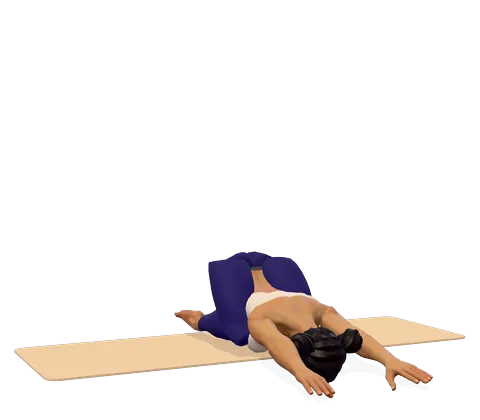 Child’s PoseBalasana
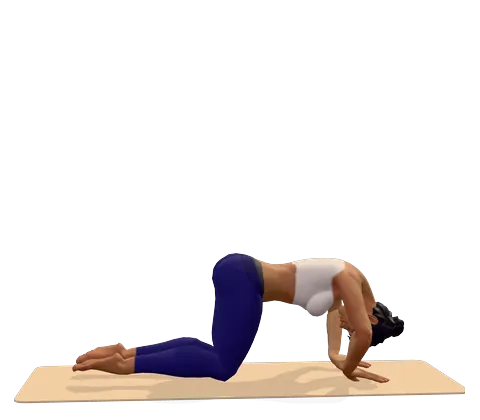 Cat PoseMarjaryasana
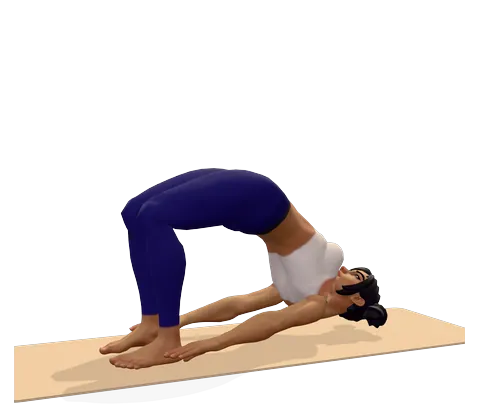 Bridge PoseSetu Bandhasana
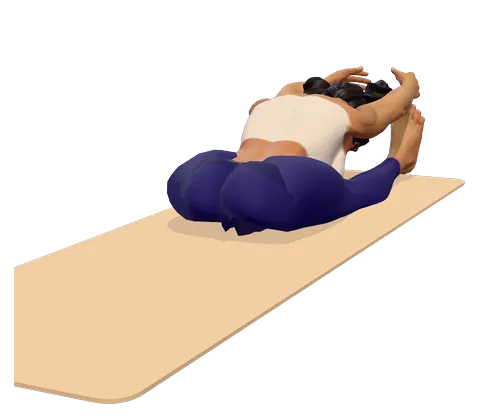 Seated Forward BendPaschimottanasana
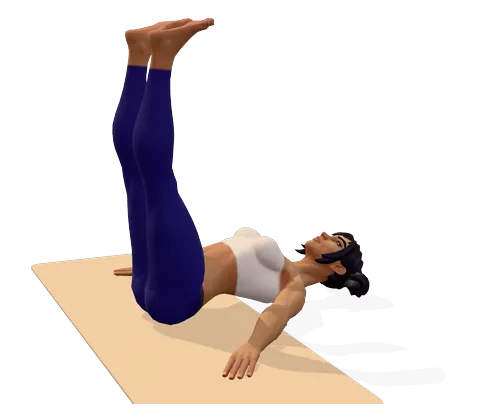 Legs-Up-the-Wall PoseViparita Karani
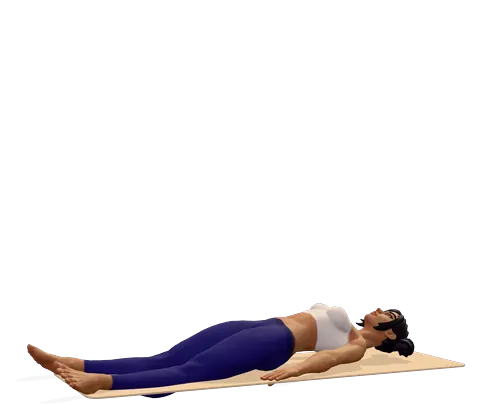 Corpse PoseSavasana
More poses that help with migraine and headache
Add these once the session above feels easy, or swap one in when a pose does not suit you.
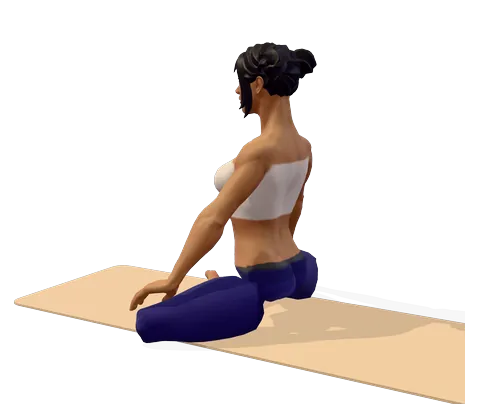 Easy PoseSukhasana
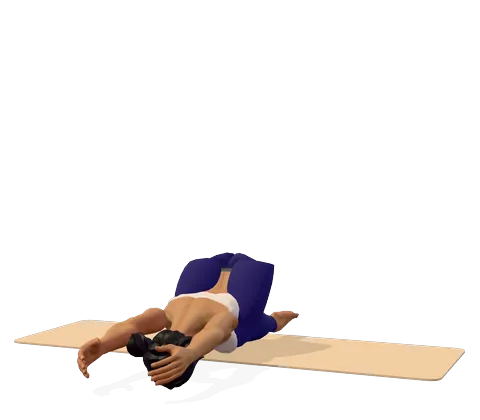 Hare PoseShashankasana
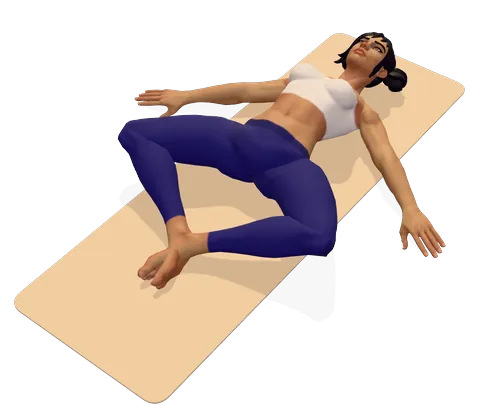 Reclining Bound Angle PoseSupta Baddha Konasana
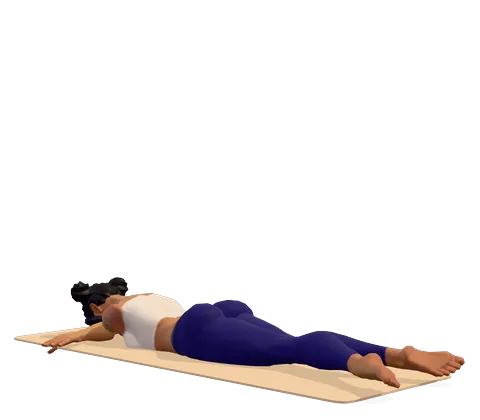 Crocodile PoseMakarasana
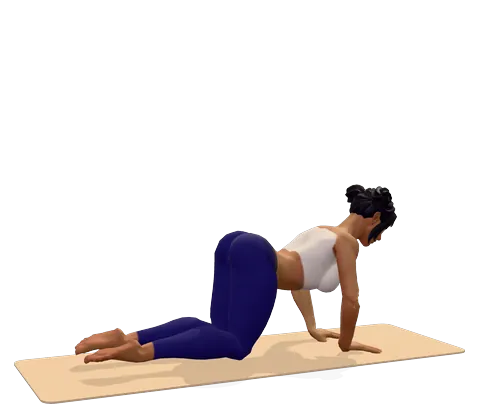 Cow PoseBitilasana
Mudras for migraine and headache
Hold a mudra while you sit for the breathing practice or a few minutes of quiet. Mudras are a traditional practice; research on them is limited.
Breathing practice
Avoid
Inversions, hot rooms and fast breathing during an attack.
Moderate evidence: Randomised trials show a benefit; more research is under way.
Guided meditation for migraine and headache
Body Scan Meditation (15 min, voice in 28 languages)
Yoga for migraine is mainly a prevention tool: practised regularly between attacks, gentle poses, slow breathing and relaxation may reduce how often migraines come and how much they disrupt your life. It is not a quick fix during a bad attack, and it does not replace migraine medicine. This page explains how yoga may help, what the trials found for migraine and tension headache, why each pose is in the plan, what to do (and avoid) during an attack, and the warning signs that need urgent care.
Get emergency help now for a sudden, severe "worst-ever" headache that peaks within a minute or so; a headache with fever, stiff neck or rash; a headache after a head injury; or a headache with weakness, numbness, slurred speech, confusion, loss of vision or a seizure. These can signal a stroke, bleeding or infection — do not try yoga first.
How can yoga help migraine and headache?
Migraine is a brain disorder with a sensitive nervous system at its centre. Common triggers include stress, poor or irregular sleep, skipped meals and muscle tension in the neck and shoulders. Tension-type headache, the most common headache, is closely linked to stress and tight muscles around the head and neck.
Yoga works on several of these at once:
- Stress and the nervous system. Slow breathing and relaxation reduce the stress response; both stress and the "let-down" after it are common migraine triggers.
- Head and neck tension. Gentle movement of the spine and shoulders eases the muscle tightness behind neck tension headaches.
- Sleep and routine. Regular practice supports steadier sleep, which matters because both too little and irregular sleep can set off attacks.
- Body awareness. You learn to notice early tension and rest sooner.
Does yoga help migraines? What the research says
Randomised trials suggest yoga helps as an add-on to usual care. In a 2020 trial published in Neurology, 160 adults with episodic migraine in New Delhi were randomised to medical treatment alone or medical treatment plus three months of yoga. The yoga group had greater reductions in headache frequency, pain intensity, headache impact and disability, and used fewer pills. An earlier trial of 72 people with migraine without aura found that three months of yoga therapy reduced headache frequency and intensity compared with self-care.
Reviews are more cautious. A 2022 meta-analysis of five randomised trials found yoga reduced migraine frequency but not clearly pain intensity. A 2020 meta-analysis found yoga reduced headache frequency, duration and pain intensity, but the effect came mainly from people with tension-type headache; for migraine alone, it was not statistically significant.
The fair summary: yoga for migraine prevention is promising and low-risk when added to medical care, and yoga for tension headaches has somewhat clearer support. For any migraine patient, yoga is not a cure, and trial quality is still limited. Natural relief for headaches with yoga comes slowly, from regular practice, rather than from any single session.
Migraine yoga poses, pose by pose
Practise these migraine yoga poses on headache-free days; the yoga poses for migraine relief work by lowering your baseline tension over weeks, not by stopping an attack. Move slowly and keep your head level with or above your heart if you feel any pressure in the head.
Child's pose (Balasana)
Child's pose relaxes the back and shoulders and slows the breath. Modify: rest your forehead on a cushion or stacked fists so the head is not lower than your hips; this also keeps pressure off the face.
Cat pose (Marjaryasana)
Cat pose, flowing with cow, gently moves the whole spine including the neck. It is the main yoga pose for head and neck tension in the plan, and one of the most useful yoga poses for headache and neck pain together. Modify: keep your neck movement small; do it seated as chair yoga for tension headache at work.
Bridge pose (Setu Bandhasana)
Bridge pose opens the chest and front of the shoulders, which often round forward at a desk. Modify: keep the lift low or rest your sacrum on a block. Do not turn your head while up. With yoga for migraine and cervical spondylosis or a neck injury, skip it if it aggravates your neck.
Seated forward bend (Paschimottanasana)
Seated forward bend is a calming, inward pose that stretches the back of the body. Modify: sit on a folded blanket, bend your knees and rest your forehead on a cushion on your thighs. Do not pull yourself forward.
Legs up the wall (Viparita Karani)
Legs up the wall is deeply relaxing. It is a mild inversion, so use it only between attacks. Modify: rest your calves on a chair, which keeps the head flatter. Skip it with glaucoma or if it brings on head pressure.
Corpse pose (Savasana)
Corpse pose ends the practice with full rest. Cover your eyes with a soft cloth if light bothers you. This is also the pose to use during a mild attack.
Breathing exercises for migraine relief
Anulom Vilom (alternate-nostril breathing) is slow, even and without breath holds, which suits migraine well. Bhramari (humming bee breath) calms the nervous system with a gentle hum; hum softly, as a loud hum can bother some people during a headache. Practise 5 minutes daily with the breathing exercise timer. Avoid Kapalbhati, Bhastrika and long breath holds, which can trigger headache in some people.
Meditation for migraine relief and meditation for tension headache work through the same calming route; try 5–10 minutes with the meditation timer, or lie down for Yoga Nidra, which is a gentle way to use yoga nidra for headache prevention on stressful days.
How to ease a migraine attack at home
Home remedies for migraine relief with yoga are about prevention; during the attack itself, the aim is to calm everything down. Can I exercise with a migraine? Most people should not; movement, bending forward and heat usually make migraine pain worse. There is no way to get rid of a migraine fast with yoga, and severe migraine relief yoga routines found online can make things worse if they include inversions. How to relieve migraines at home, then? Instead:
- Take the treatment your doctor prescribed, early in the attack.
- Lie down in a dark, quiet, cool room, with a cool cloth on your forehead or neck.
- Breathe slowly: in through the nose for about 4, out for about 6, without forcing.
- If you can, rest in corpse pose or on your side. Skip inversions, forward bends and hot rooms.
How to soothe migraine pain further? More relief for migraines at home comes from staying hydrated, eating something plain if you skipped a meal, and keeping screens off. For a severe migraine that does not respond to your usual treatment, or lasts more than three days, contact your doctor.
How to relieve a headache that is mild and tension-type? Gentle neck and shoulder stretches, a short walk, water and slow breathing may be enough. If you take painkillers on many days a month, talk to your doctor, because overuse can cause more headaches.
A sample weekly plan for migraine prevention
Studies used yoga several times a week for about three months, so give it time. Keep a headache diary to see whether your attacks change. Combine yoga, pranayama and exercise for migraine prevention: the best exercise for migraine sufferers is regular and moderate, such as walking, rather than intense bursts. Warm up slowly, drink water and do not skip meals before practice.
| Day | Practice (headache-free days only) | Time |
|---|---|---|
| Monday | Guided session on this page + Anulom Vilom | 12 min |
| Tuesday | Neck and shoulder stretches at your desk; Bhramari | 8 min |
| Wednesday | Guided session + 5 minutes of meditation | 15 min |
| Thursday | Yoga Nidra before bed | 10–20 min |
| Friday | Guided session | 10 min |
| Saturday | Gentle walk, then cat–cow and child's pose | 20 min |
| Sunday | Rest; regular sleep and meal times | — |
Tension headache, neck pain, sinus headache and kids
Tension headache: the best stretches to relieve tension headache are slow ear-to-shoulder side bends, chin tucks, shoulder rolls and cat–cow. These simple exercises for tension headache relief take five minutes and are also useful stretches for migraine relief between attacks. Neck tension headaches respond well to yoga done little and often. Yin yoga for tension headache (long, quiet holds) also suits many people. For neck-related headaches, see yoga for neck pain; for stress headache relief, the stress relief plan helps.
Sinus headache: many "sinus headaches" are actually migraines, so yoga for migraine and sinus pain overlap. Yoga for sinus headache should avoid head-down poses while congested; see yoga for sinusitis.
Migraine with aura or vertigo: yoga for migraine aura and yoga for migraine and vertigo should stay slow, low and seated or lying, with no fast head movements, and your doctor should know about these symptoms.
Kids: yoga for migraine in kids can include child's pose, humming breath and relaxation. Children with frequent headaches should see a doctor first.
माइग्रेन और सिरदर्द के लिए योग (yoga for migraine and headache in Hindi) — yoga se migraine ka ilaj? योग माइग्रेन का इलाज नहीं है, पर दवा के साथ नियमित योग से दौरे कम हो सकते हैं। सिरदर्द न होने वाले दिनों में बालासन, मार्जरी आसन, सेतुबंधासन, पश्चिमोत्तानासन और शवासन करें। अनुलोम-विलोम और धीमा भ्रामरी प्राणायाम करें; कपालभाति न करें। दौरे के समय अंधेरे, शांत कमरे में आराम करें। अचानक बहुत तेज़ सिरदर्द हो तो तुरंत अस्पताल जाएँ।
On a clear day, practise: start the guided 3D session at the top of this page. The figure shows each pose, the voice guides you in your language, and you can choose shorter holds.
Research behind this plan
- Kumar 2020, Neurology (CONTAIN trial) — 160 adults with episodic migraine: yoga added to medical treatment reduced headache frequency, intensity, disability and pill use more than medical treatment alone
- John 2007, Headache — randomised trial, 72 people with migraine without aura: 3 months of yoga therapy reduced headache frequency and intensity versus self-care
- Wu 2022, Journal of Clinical Neuroscience — meta-analysis of 5 randomised trials: yoga reduced migraine frequency; effect on pain intensity not clear
- Anheyer 2020, Journal of General Internal Medicine — meta-analysis: yoga reduced headache frequency, duration and pain, mainly in tension-type headache
- NCCIH (US National Institutes of Health) — Yoga: what you need to know, including headache research
Frequently asked questions
Does yoga help migraines?
Randomised trials suggest regular yoga, added to medical treatment, can reduce how often migraines happen and how much they affect daily life. Evidence is stronger for tension-type headache, and yoga does not replace migraine medicine.
Which yoga is best for migraine headache?
Gentle Hatha or restorative yoga with slow breathing and relaxation. Child's pose, cat–cow, supported bridge, a supported forward bend and corpse pose are good choices between attacks. Avoid hot yoga and inversions.
Can I do yoga during a migraine attack?
Usually not. Rest in a dark, quiet room, take your prescribed treatment and breathe slowly. Lying in corpse pose is fine; skip inversions, forward bends, hot rooms and fast breathing.
How long does yoga take to reduce migraines?
Trials usually ran for about three months with several sessions a week. Keep a headache diary so you and your doctor can see whether the pattern changes.
Is yoga good for tension headaches?
Yes. Reviews found the clearest benefits of yoga for tension-type headache, with reductions in frequency, duration and pain. Neck and shoulder stretches and slow breathing are the core yoga poses for headache relief.
Is yoga for headaches and migraines the same?
The same gentle plan suits both, practised between episodes. Tension headaches often respond faster to stretching; migraines need patience, a headache diary and medical care alongside yoga.
What are yoga for migraine side effects?
Side effects are rare. Some people get a headache from inversions, bending forward, breath holds, overheating or dehydration. Keep your head above your heart when unsure and drink water.
When is a headache an emergency?
Seek urgent care for a sudden worst-ever headache, a headache with fever and stiff neck, after a head injury, or with weakness, confusion, speech or vision changes. Also see a doctor for a new headache pattern, especially after age 50.
Medical note: yoga supports treatment; it does not replace it. Keep taking prescribed medicine and talk to your doctor before you start, especially with heart disease, uncontrolled blood pressure, recent surgery, pregnancy, epilepsy or severe pain. Read our medical disclaimer.