Your dry eyes yoga plan
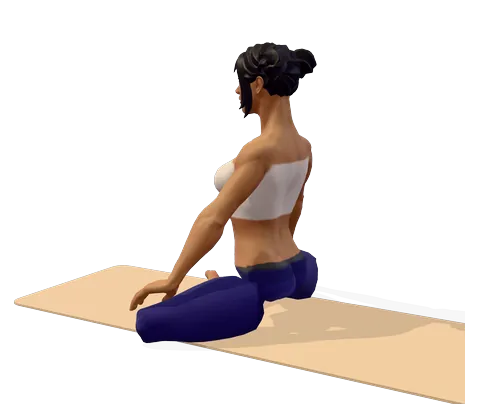 Easy PoseSukhasana
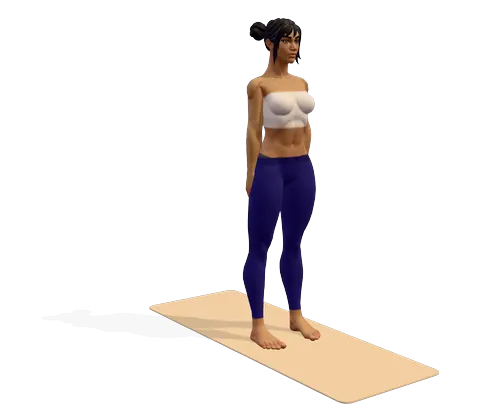 Mountain PoseTadasana
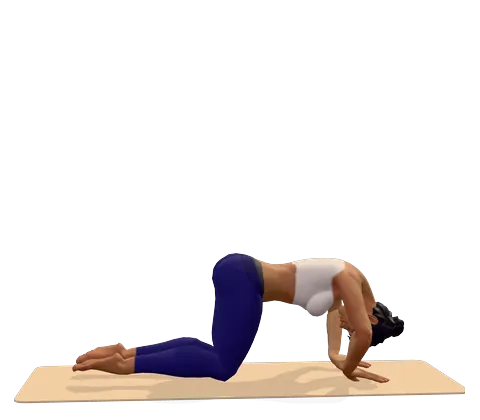 Cat PoseMarjaryasana
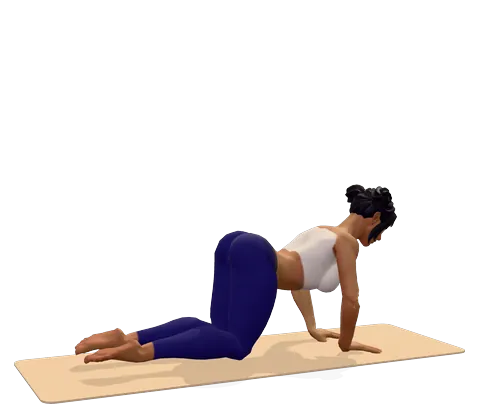 Cow PoseBitilasana
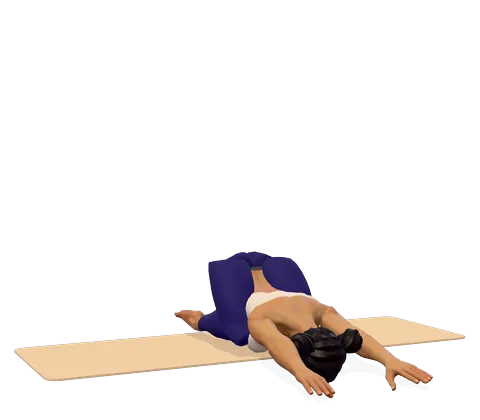 Child’s PoseBalasana
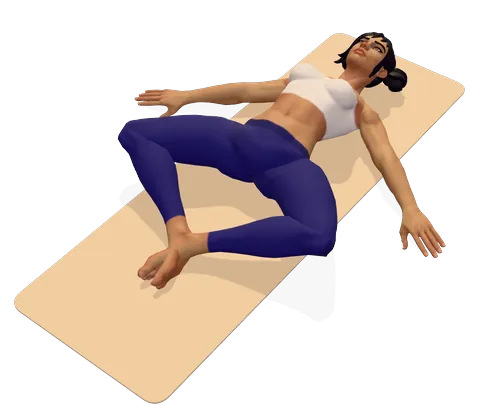 Reclining Bound Angle PoseSupta Baddha Konasana
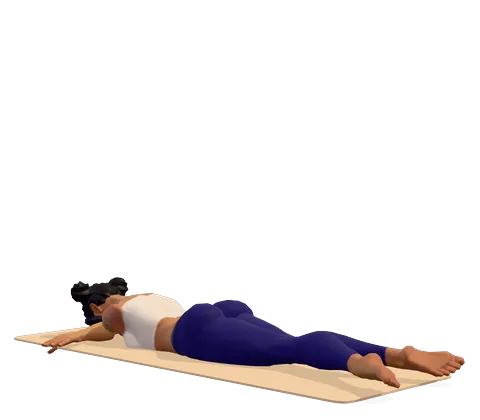 Crocodile PoseMakarasana
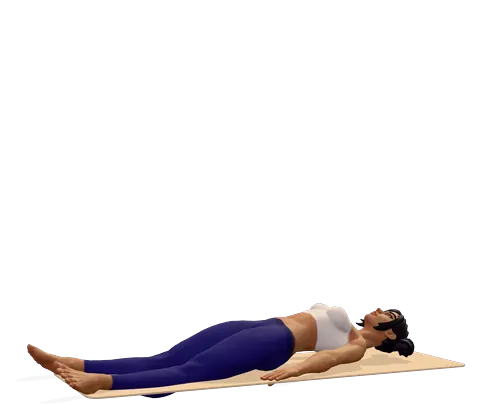 Corpse PoseSavasana
More poses that help with dry eyes
Add these once the session above feels easy, or swap one in when a pose does not suit you.
Mudras for dry eyes
Hold a mudra while you sit for the breathing practice or a few minutes of quiet. Mudras are a traditional practice; research on them is limited.
Breathing practice
Avoid
Trataka (candle gazing) without blinking, and long screen sessions without breaks — blink often and look 20 feet away every 20 minutes. See an eye doctor for pain, redness, light sensitivity or blurred vision that does not clear with blinking.
Traditional practice: Used in classical yoga therapy; few clinical trials so far.
Yoga for dry eyes is mostly about three simple habits: blinking fully, warming and cleaning the eyelids, and relaxing the face and nervous system. Yoga for dry eye syndrome starts with understanding it: dry eye syndrome happens when your eyes do not make enough tears or the tears dry up too fast, leaving them gritty, sore, red or blurry. Blinking exercises have the best research behind them; calm poses and breathing support them. None of this replaces lubricating drops or an eye doctor when you need them.
Why eyes get dry
According to the NHS, you are more likely to get dry eyes if you are over 50, wear contact lenses, look at screens for long periods without a break, spend time in air-conditioned or heated rooms, smoke, or take certain medicines. Conditions such as blepharitis, Sjögren's syndrome and lupus also cause it.
Screens play a special role. When you concentrate, you blink less often and many blinks are incomplete: the lid does not close fully. The oil glands along the lid edges then do not get squeezed, the tear film loses its oily top layer, and tears evaporate. That is why blinking exercises help.
Is yoga for dry eyes effective? What the research says
The evidence level for this page is traditional practice: yoga poses themselves have not been tested for dry eyes. Some eye practices have:
- Blinking exercises: in a randomised study of 100 people with dry eye, those who added blinking exercises to artificial tears for just three days had fewer symptoms, fewer incomplete blinks and a more stable tear film than those using drops alone. A 2025 study found that 15 rounds of "close, squeeze, open", three times a day, worked best.
- Trataka: in a 2026 randomised trial, 49 adults with mild-to-moderate dry eye practised candle-gazing (Jyothi Trataka) for 25 minutes, three days a week. After 12 weeks their dry eye symptom scores improved compared with a group that did nothing. It was small, and there was no placebo group.
So yes, dry eyes help exercises such as blinking seem to work, and they are free and low risk. Poses and breathing add relaxation and better posture at the screen, but on their own they are not a treatment. The main benefits of eye yoga for eye health are comfort and rest, not improving eyesight.
Blinking exercises for dry eye: step by step
This is the core of your routine. Do it three times a day, for example at breakfast, lunch and mid-afternoon.
- Sit tall in Sukhasana or on a chair. Relax your jaw and shoulders.
- Close your eyes gently, as if falling asleep.
- Pause for about two seconds with the eyes closed.
- Squeeze the lids together softly for two seconds, feeling the muscles around the eyes work.
- Open your eyes and relax. That is one round; do 15.
During the day, check whether you are blinking fully. A full blink means the top lid touches the bottom lid. People who wear contact lenses often blink partly, so yoga for dry eyes for contacts users should start here.
Heat compress and eye massage for dry eye syndrome
Heat therapy for dry eyes softens the oil in the lid glands so it flows into the tears. The NHS suggests this simple daily routine:
- Soak a clean cloth in warm (not hot) water and hold it over your closed eyes for a few minutes. A hot eye compress should feel pleasantly warm, never burning.
- How to massage eyes for dry eyes: with a clean finger, gently roll along the upper lid downward toward the lashes, and along the lower lid upward. Keep the pressure light.
- If you prefer, massage eyelids for dry eyes while the compress is still on. Then wipe the lid edges with cotton wool dipped in warm water.
Warm compresses and eyelid massage are the closest thing to physical therapy for dry eyes you can do at home. Never press hard on the eyeball, and skip massage if you have had recent eye surgery.
Best yoga for dry eyes: the poses in your session
These yoga asanas for dry eyes do not make tears directly. They release the neck, shoulders and face that tighten when you stare at a screen, and they calm you down, which helps you blink more naturally.
Easy pose and Mountain pose
Sukhasana and Tadasana are your base for posture: head balanced over the shoulders, chin level. A forward-jutting head often means a screen that is too low or too far.
Cat and cow
Slow cat-cow movement loosens the upper back and neck. Close your eyes for a few rounds to rest them.
Child's pose and Crocodile pose
Balasana and Makarasana are resting poses with the eyes closed. In the dark, your eyes get a real break from light and air. If you have glaucoma, skip Child's pose because the head is low.
Reclining Bound Angle and Corpse pose
Finish lying in Supta Baddha Konasana and then Savasana. Place a warm (not hot) compress or a light eye pillow over closed eyes for extra comfort.
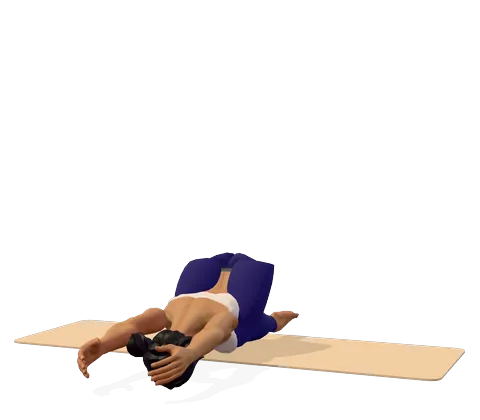
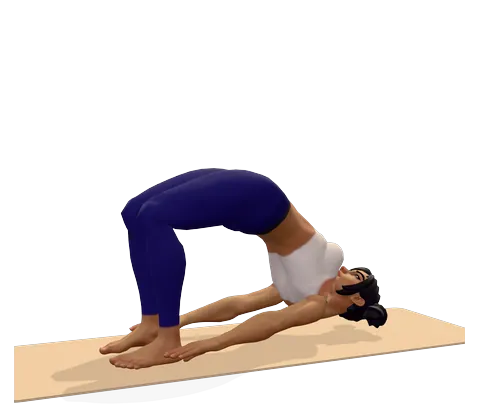
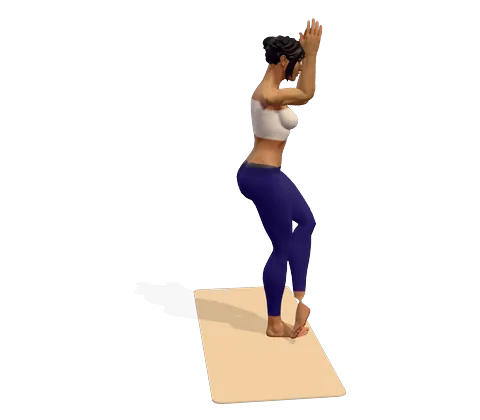
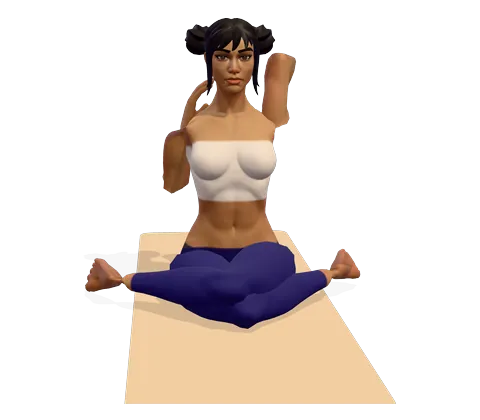
More poses: Hare pose, Bridge, Eagle arms and Cow Face arms release the shoulders and upper back. Eagle and Cow Face arms can be done at your desk.
Breathing, Trataka and mudra
Bhramari (humming bee breath) and Anulom Vilom calm the mind in five minutes. Many people rest their fingertips lightly on closed eyes during Bhramari; keep the touch feather-light.
Safe Trataka: gaze softly at a candle flame at arm's length, but blink whenever your eyes need to. Staring without blinking is exactly what dries the eyes, so the old instruction to "not blink" does not suit dry eyes. Stop if your eyes sting. See our Trataka guide for the full method.
Varun mudra (the "water" mudra) is traditionally used for dryness in the body. There is no research on it for dry eyes; enjoy it as a calm focus during breathing, not as a treatment.
Home remedies for dry eyes: how to soothe and relieve dry eyes
These simple home remedies for dry eyes are the best relief for most people, and they cost almost nothing:
- 20-20-20: every 20 minutes, look 20 feet (6 metres) away for 20 seconds and blink fully a few times.
- Screen height: keep the screen just below eye level, so your lids cover more of the eye.
- Air: use a humidifier, and point fans and car vents away from your face.
- Drops: preservative-free artificial tears are safe to use often. A pharmacist can help you choose.
- Contacts: take lenses out and wear glasses for part of the day.
- Water and sleep: drink enough, and give your eyes a full night's rest.
What works best for dry eyes? Usually a mix: blinking exercises, warm compresses, drops and screen habits, all done daily. Yoga for dry eyes besides eye drops is a good add-on, not a replacement.
Dry eyes in older people, women and screen workers
Older people: tear production falls with age. Yoga for dry eyes for older people can be done on a chair, and blinking exercises suit every age.
Women: yoga for dry eyes for women is the same routine. Hormonal change, especially around menopause, can make eyes drier. The same routine applies; mention dryness to your doctor if it started with new medicines.
Desk workers: set a timer for screen breaks, and try our yoga for desk workers routine.
Eye exercises for droopy eyelids and face yoga
Interestingly, the blinking study above found that eye opening became slightly wider after the exercises. But no exercise for droopy eyelids can fix a lid that droops because of age, nerve problems or muscle weakness; that needs an eye doctor. Face yoga for dry eyes or droopy eyelids is relaxing, but there is little evidence beyond that. For general eye exercises for adults, see yoga for eye strain.
आँखों के सूखेपन के लिए योग (yoga for dry eyes in Hindi): दिन में तीन बार 15 बार पलक झपकाने का अभ्यास करें — आँखें बंद करें, दो सेकंड रुकें, हल्के से दबाएँ, फिर खोलें। गुनगुने पानी में भीगा कपड़ा कुछ मिनट बंद आँखों पर रखें और पलकों की हल्की मालिश करें। स्क्रीन पर हर 20 मिनट बाद 20 सेकंड दूर देखें। भ्रामरी और अनुलोम-विलोम से मन शांत होता है। त्राटक करते समय ज़रूरत हो तो पलक ज़रूर झपकाएँ।
When to see an eye doctor
See an optician or doctor if dryness continues after a few weeks of home care, or if the shape of your eyelids changes. Get urgent help for eye pain, a very red eye, sensitivity to light, or blurred vision that does not clear when you blink. Clinics can check for causes and offer treatments such as prescription drops, tear-duct plugs or light therapy for dry eyes caused by blocked lid glands.
Start with the guided 3D session on this page; you can keep your eyes closed for much of it and follow the voice. More routines are on our practice page.
Research behind this plan
- Arita 2025, Ocul Surf — randomised study (100 people with dry eye): blinking exercises plus artificial tears improved symptoms, incomplete blinking and tear film stability
- Wolffsohn 2025, Cont Lens Anterior Eye — blinking exercises reduced dry eye symptoms; 15 close-squeeze-open cycles, 3 times a day, worked best
- Abraham 2026, Front Med — randomised trial (49 adults): 12 weeks of Jyothi Trataka improved dry eye symptom scores compared with no intervention
- NHS — Dry eyes: causes, eyelid cleaning with a warm compress, and when to see an optician or GP
Frequently asked questions
Can yoga cure eye problems like dry eyes?
No. Yoga poses have not been shown to treat dry eye, improve eyesight or strengthen eyes. Blinking exercises and warm compresses do help many people, and calm poses and breathing support them. Keep using drops if you need them.
What are the best eye exercises for dry eyes?
Blinking exercises: close your eyes, pause, squeeze gently, then open. Research suggests 15 rounds, three times a day. Add screen breaks and full blinks during the day.
Is Trataka good for dry eyes?
One small 2026 trial found that 12 weeks of candle-gazing eased dry eye symptoms. Blink whenever you need to during practice; staring without blinking can make dryness worse.
Is a hot compress good for dry eyes?
A warm, not hot, compress for a few minutes softens the oil in the eyelid glands and often eases dryness. Follow it with a gentle lid massage and cleaning.
Does yoga for dry eyes have side effects?
The practice is very low risk. Avoid pressing on the eyes, rubbing them, or staring without blinking. People with glaucoma should skip head-down poses such as Child’s pose.
How can I help dry eyes at home naturally?
Blink fully and do blinking exercises, use a warm compress and lid massage daily, take screen breaks, use a humidifier and keep drops handy. This mix is the best home remedy for dry eyes treatment.
Is there a yoga mudra for dry eyes?
Varun mudra is traditionally used for dryness, but it has not been studied for dry eyes. Use it for calm during breathing, alongside proven steps.
Why does my vision get blurry with dry eyes?
An uneven tear film scatters light, so vision blurs and then clears when you blink. If blurring does not clear with blinking, see an eye doctor.
Can I do these exercises with contact lenses?
Yes. Blinking exercises are especially useful for lens wearers. Take lenses out before a warm compress or eyelid massage.
Medical note: yoga supports treatment; it does not replace it. Keep taking prescribed medicine and talk to your doctor before you start, especially with heart disease, uncontrolled blood pressure, recent surgery, pregnancy, epilepsy or severe pain. Read our medical disclaimer.