Your posture and tech neck yoga plan
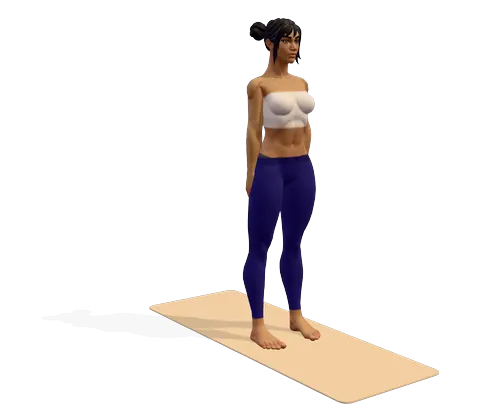 Mountain PoseTadasana
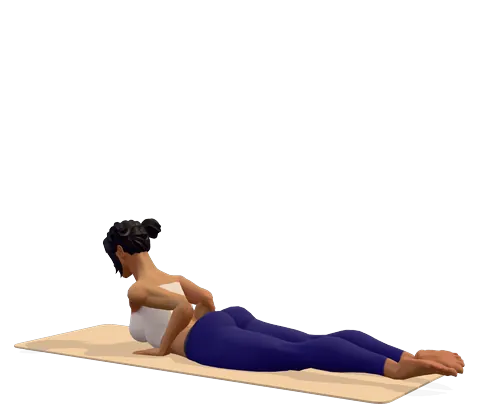 Cobra PoseBhujangasana
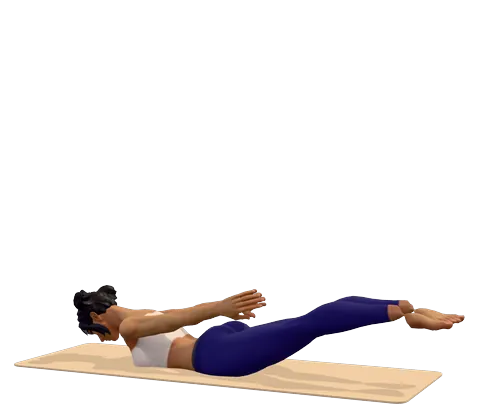 Locust PoseSalabhasana
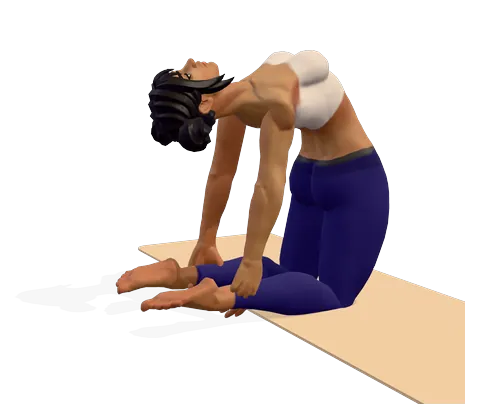 Camel PoseUstrasana
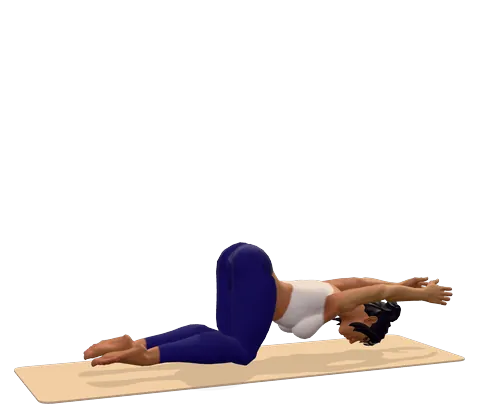 Extended Puppy PoseAnahatasana
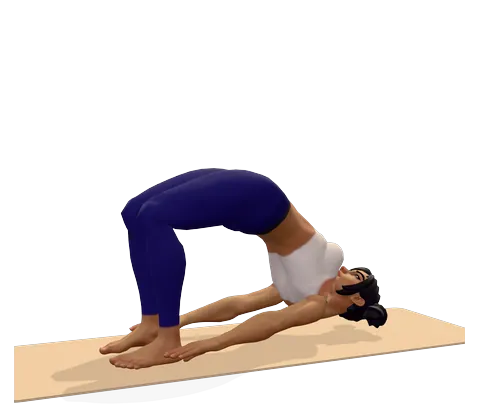 Bridge PoseSetu Bandhasana
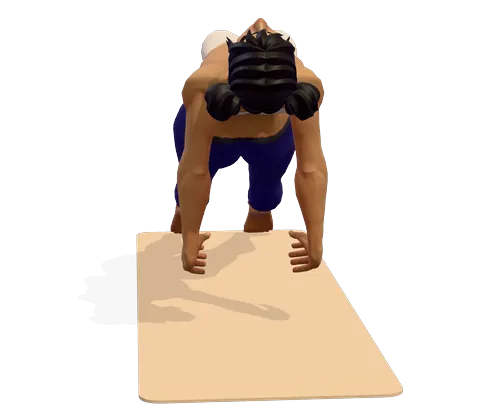 Upward Plank PosePurvottanasana
More poses that help with posture and tech neck
Add these once the session above feels easy, or swap one in when a pose does not suit you.
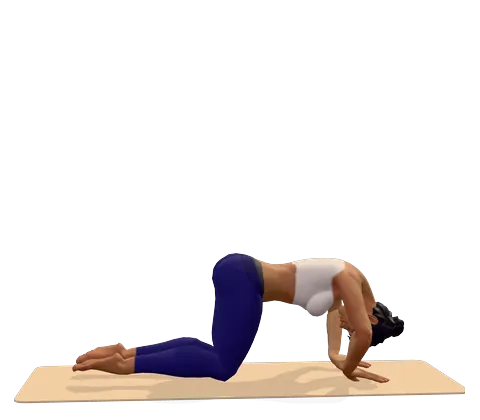 Cat PoseMarjaryasana
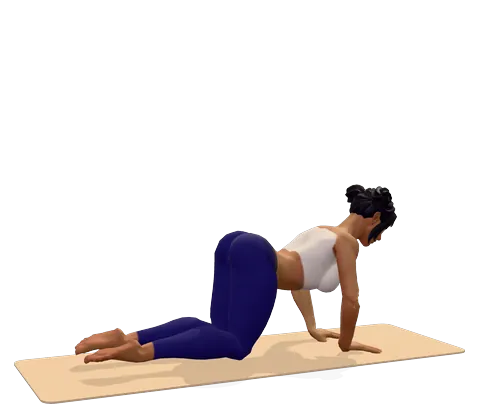 Cow PoseBitilasana
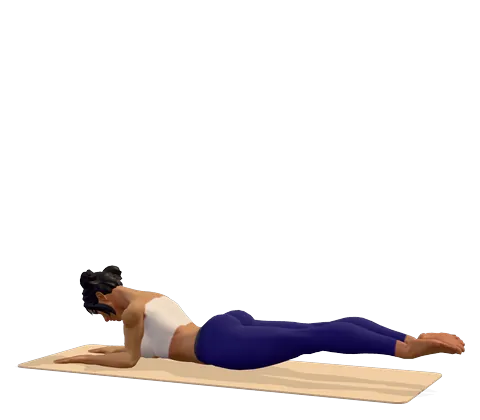 Sphinx PoseSalamba Bhujangasana
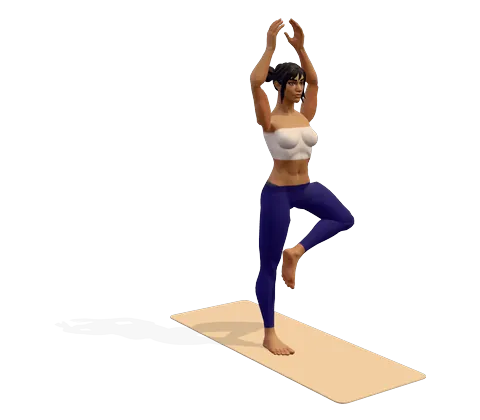 Tree PoseVrikshasana
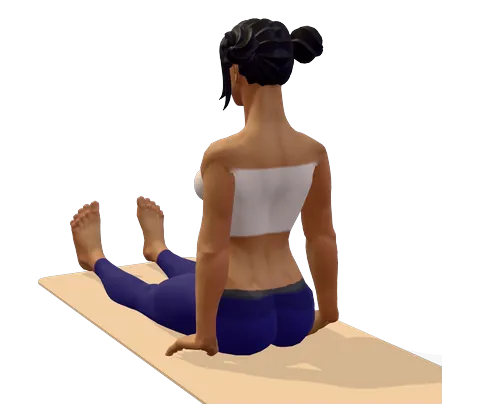 Staff PoseDandasana
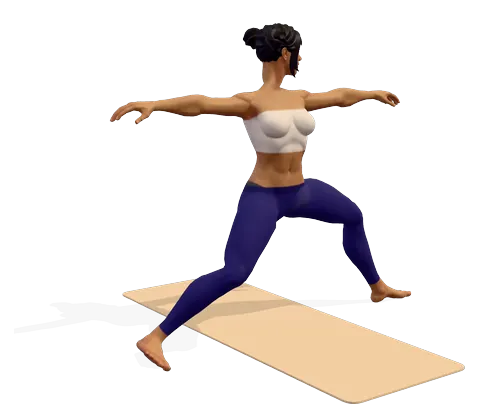 Warrior II PoseVirabhadrasana II
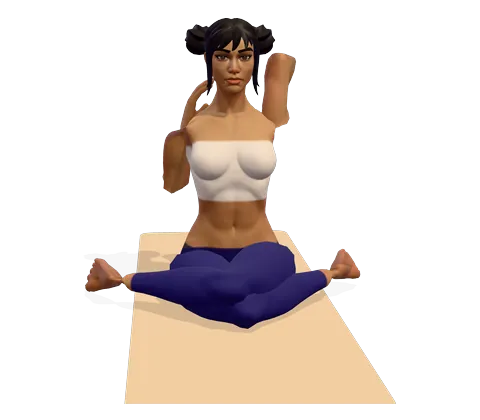 Cow Face PoseGomukhasana
Breathing practice
Avoid
Holding any backbend that pinches the lower back.
Traditional practice: Used in classical yoga therapy; few clinical trials so far.
Yoga for posture works on the two things that shape how you stand and sit: strength in the muscles of the upper back, and mobility in the chest, shoulders and hips. Hours of looking down at a phone or laptop let the head drift forward, the shoulders roll in and the upper back round, often called "tech neck". Yoga cannot give you a perfect posture, but it can make standing tall feel easy instead of effortful.
Why posture is important, and what "good posture" really means
Posture affects how the load is shared between your muscles and joints. When the head sits far in front of the shoulders, the neck and upper back muscles work much harder, which can add to neck ache, headaches and upper back tension. A rounded upper back also limits how far you can lift your arms and how deeply you breathe.
That said, no single posture is "correct" for everyone, and research does not show that slouching always causes pain. A useful rule is that your best posture is your next one: changing position often matters as much as how you sit. So the aim of this plan is how to have good posture that is easy to keep, through strength and flexibility, not stiff "shoulders back" holding.
How yoga helps improve posture
The benefits of yoga for posture come from training strength, flexibility and balance at the same time:
- Strengthens the upper back. Cobra and Locust train the muscles along the spine and between the shoulder blades, which hold you upright without effort.
- Opens the front of the body. Camel, Extended puppy and Upward plank stretch the chest and the front of the shoulders, which tighten when you sit hunched. Together they are good yoga stretches for stiff shoulders.
- Frees the hips. Bridge stretches the hip flexors that shorten with long sitting and tip the pelvis forward, a common link between posture and lower back pain, and one reason yoga for posture can also help the lower back.
- Builds body awareness. Mountain pose teaches you to feel where your head, ribs and pelvis are, so you notice slouching sooner.
- Improves balance. Standing tall with weight evenly spread helps posture and balance together, especially as you get older.
Does yoga improve posture? What the research says
This plan is marked "traditional practice": yoga has long been used to improve posture, but there are few clinical trials. The best-known is a US randomised trial with 118 adults aged 60 and over with an increased upper back curve (hyperkyphosis). After six months of hour-long yoga classes three times a week, the yoga group's curve improved modestly on two of the measures compared with the control group, though other measures and physical performance did not change significantly.
A small follow-up study of 21 people from the same trial found they could do a timed reaching task faster and held their shoulder blades in a less rounded position after the yoga programme. These are encouraging results for older adults, but they come from one research group, and there are few studies on tech neck in younger people. What yoga reliably offers is regular strength and mobility work, which is what posture exercises aim for anyway.
Pilates vs yoga for posture: both train strength and body awareness, and there is no good evidence that one is better. Yoga adds more chest and hip opening; Pilates adds more core control. Choose the one you will do regularly.
Yoga poses for posture correction: why each one is in the plan
These yoga poses to improve posture follow the order of the guided session, and posture improvement comes from the combination, not from any single pose.
Mountain pose: learn your upright
Mountain pose is the posture check and the base of yoga for a straight posture and a well-aligned spine. Stand with your heels, buttocks and upper back lightly touching a wall. Let the back of your head move towards the wall without lifting the chin. Notice this position, then step away and keep it softly.
Cobra pose: strength along the spine
Cobra pose strengthens the back muscles that stop the upper back rounding. Modify: keep it low ("baby cobra"), lift with your back rather than pushing with your hands, and keep the neck long.
Locust pose: the key pose for rounded shoulders
Locust pose works the back of the shoulders and the muscles between the shoulder blades. Modify: lift only the chest, with arms by your sides and palms down, or bend your arms into a "W" shape and squeeze the shoulder blades together. Keep the legs down if your lower back complains.
Camel pose: open the chest
Camel pose is the strongest stretch in the plan. Modify: keep your hands on your lower back or on blocks beside your heels, lift the chest up before going back, and keep your chin slightly tucked. Skip it if it pinches your lower back or makes you dizzy.
Extended puppy pose: upper back and shoulders
Extended puppy pose lets the upper back sink and the shoulders open overhead, the opposite of a desk slump. Modify: place a yoga block under each hand, or do it standing with your hands on a table.
Bridge pose: hips and chest
Bridge pose strengthens the buttocks and stretches the hip flexors and chest. Modify: keep the lift low, or rest your sacrum on a block for a supported version.
Upward plank pose: front of the shoulders
Upward plank pose stretches the front of the shoulders and strengthens the back of the body. Modify: keep your knees bent in a "reverse tabletop"; point your fingers to the side if your wrists hurt, and keep your chin towards your chest.
How to use a yoga strap for posture: hold a strap wider than shoulder-width, lift it overhead and slowly lower it behind you, then back up. Widen your grip until there is no pain. It is a simple way to open tight shoulders.
Breathing practice: Sama Vritti
Sama Vritti (box breathing) uses equal counts in and out. Sit tall on a chair and feel your side ribs widen as you breathe in. When you slump, the ribs cannot expand well, so this breath doubles as a posture check. Practise for three to five minutes.
A weekly yoga routine for posture
| Day | What to do | Time |
|---|---|---|
| Monday | Guided session on this page | 10 min |
| Tuesday | Desk breaks every hour: wall check, shoulder rolls, chin tucks | 1–2 min each |
| Wednesday | Guided session plus Sama Vritti | 15 min |
| Thursday | Strap stretch and Locust, three rounds | 10 min |
| Friday | Guided session | 10 min |
| Saturday | Walk tall for 30 minutes; phone at eye level | 30 min |
| Sunday | Rest | – |
Most people feel more upright within a few weeks, and a visible before-and-after change in posture from yoga, if it comes, takes months of regular practice. For more on combining poses, see our page on yoga for back pain, which shares several of them.
Yoga for posture for office workers, seniors, beginners, men and women
Office workers: a one-minute yoga break for improving posture every hour does more than a long session once a week. Put your screen at eye level and your feet flat on the floor; these are the simplest exercises for good posture.
Beginners: yoga for good posture for beginners starts with Mountain pose, baby Cobra, Locust with arms by your sides and Bridge. Add Camel and Upward plank after a few weeks.
Seniors: chair yoga for posture works well: sit tall, squeeze the shoulder blades, and lift the chest on each in-breath. Avoid deep backbends and deep forward folds if you have osteoporosis.
Men and women: posture exercises for women and men are the same. Men often have tighter chest and shoulder muscles from lifting; women may notice more upper back rounding after menopause, when bone health matters more.
How to correct hunchback and rounded shoulders
If you want to know how to fix hunchback posture, or stop a hunchback getting worse, start here. A mild "desk hunch" that straightens when you lie on your back usually responds to these hunchback posture correction exercises: strengthen the upper back (Locust, Cobra), open the chest (Camel, strap stretches) and change position often. Useful posture exercises to correct and improve rounded shoulders include Locust with "W" arms and lying on your back over a rolled towel or yoga block placed along the upper spine for a few minutes, a gentle way to open a hunchback.
See a doctor if a hunch has appeared or worsened over months, if you have lost height, if you have sudden upper back pain (possible spinal fracture from osteoporosis), or if one shoulder or hip looks higher than the other, which can be a sign of scoliosis. A yoga posture routine may help comfort with scoliosis, but it does not straighten the curve, so follow your specialist's advice.
What to avoid
- Holding any backbend that pinches the lower back. Move in and out with the breath instead.
- Throwing the head back in Camel and Cobra, which strains the neck.
- Shoulder stand and plough pose if you have tech neck or neck pain; they load the neck in a bent position.
- Forcing your shoulders back all day. Aim for relaxed and tall, not rigid.
If neck ache is your main problem, our plan for yoga for neck pain is gentler on the neck.
Start the guided posture session
Start the guided posture session at the top of this page. Rotate the 3D figure to see the spine from the side in each pose, follow the voice in any of 28 languages, and pick shorter holds while you build strength.
Research behind this plan
- Greendale 2009, Journal of the American Geriatrics Society — RCT (118 adults aged 60+ with hyperkyphosis): 6 months of yoga improved flexicurve kyphosis angle and kyphosis index vs control
- Wang 2012, Journal of Yoga and Physical Therapy — 21 older adults with hyperkyphosis: after 6 months of yoga, faster timed reaching task and less protracted shoulder blades
Frequently asked questions
Can yoga help improve posture?
Yes, for most people. Yoga strengthens the upper back and opens the chest and hips, which makes sitting and standing tall feel easier. A trial in older adults with a rounded upper back found modest improvement after six months of yoga.
What yoga poses help with posture the most?
Locust and Cobra for back strength, Camel, Extended puppy and Upward plank for chest and shoulder opening, Bridge for the hips, and Mountain pose to learn good alignment.
How long does it take to fix posture with yoga?
You may feel more upright after a few sessions, but lasting change takes regular practice for two to three months or longer. Daily desk breaks speed things up.
Can yoga fix forward neck posture (tech neck)?
Yoga can help by strengthening the upper back and making chin tucks a habit. Raising your screen to eye level and taking regular breaks matter just as much.
Is yoga good for posture and back pain together?
Often, yes. The poses that improve posture also strengthen the back and loosen the hips. If back pain is your main concern, start with the gentler plan for back pain.
How can I improve posture at home without equipment?
Use a wall for posture checks, a towel or belt as a strap, and a rolled towel instead of a yoga block. The guided session on this page needs only a mat or a carpet.
Can yoga reverse a hunchback?
A postural hunch often improves with strengthening and stretching. A fixed curve from bone changes, osteoporosis or Scheuermann's disease will not straighten, but yoga may still ease stiffness. Ask your doctor first.
Medical note: yoga supports treatment; it does not replace it. Keep taking prescribed medicine and talk to your doctor before you start, especially with heart disease, uncontrolled blood pressure, recent surgery, pregnancy, epilepsy or severe pain. Read our medical disclaimer.