Your heart health yoga plan
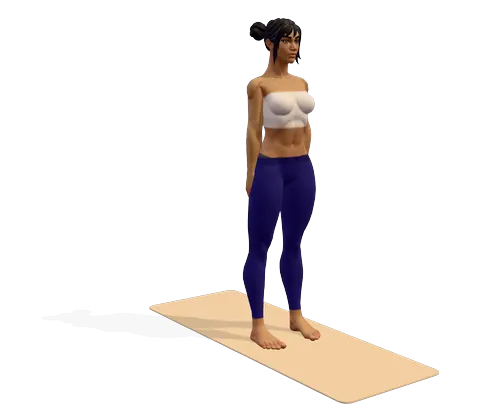 Mountain PoseTadasana
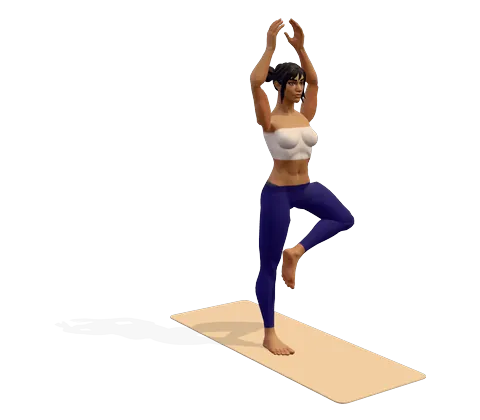 Tree PoseVrikshasana
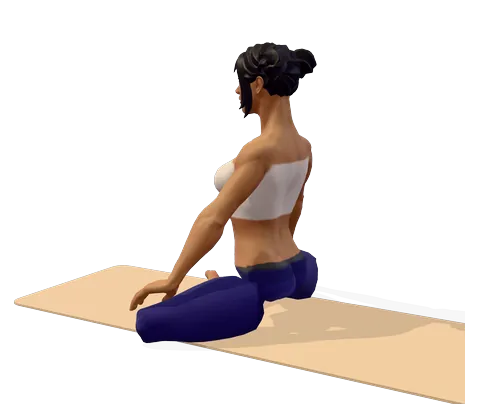 Easy PoseSukhasana
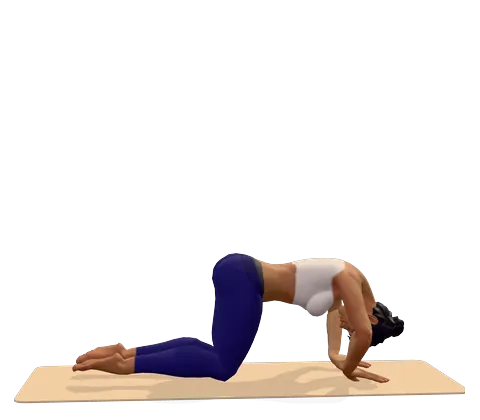 Cat PoseMarjaryasana
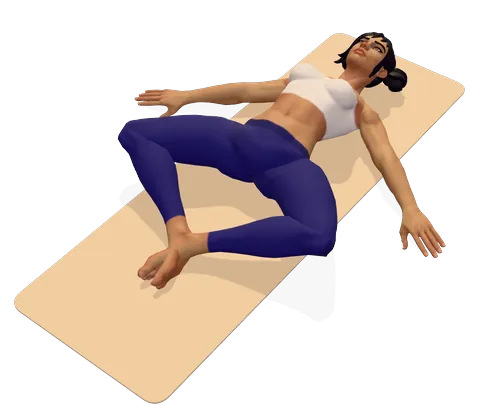 Reclining Bound Angle PoseSupta Baddha Konasana
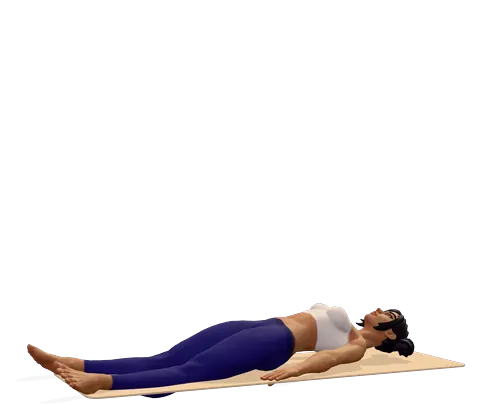 Corpse PoseSavasana
More poses that help with heart health
Add these once the session above feels easy, or swap one in when a pose does not suit you.
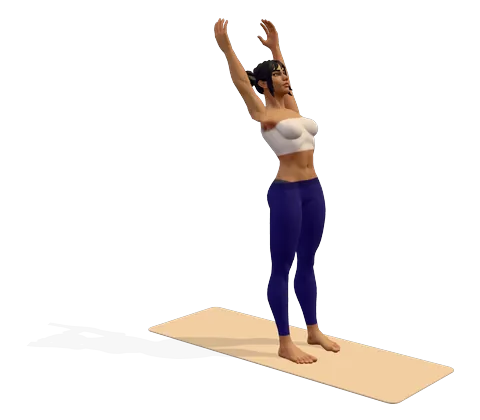 Raised Arms PoseHasta Uttanasana
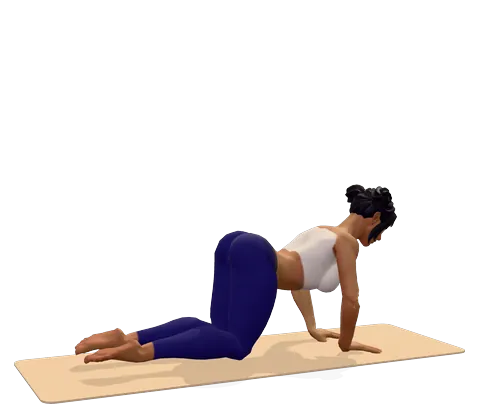 Cow PoseBitilasana
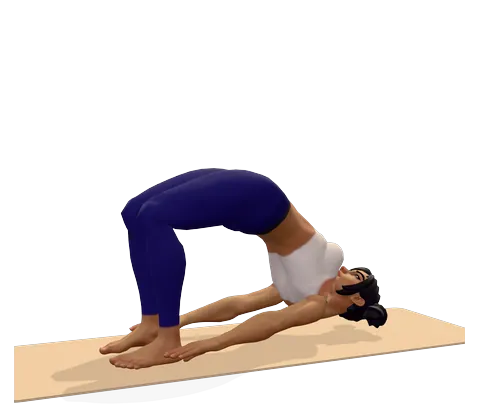 Bridge PoseSetu Bandhasana
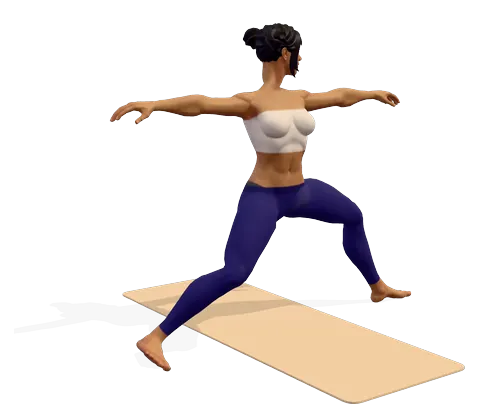 Warrior II PoseVirabhadrasana II
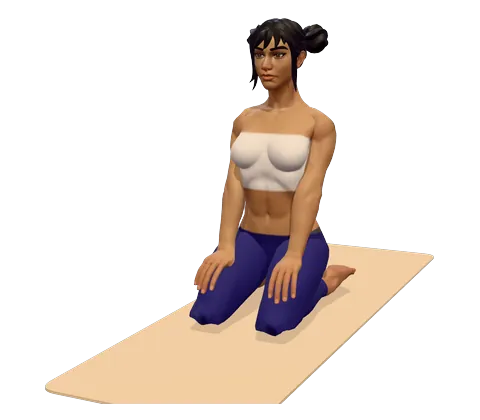 Thunderbolt PoseVajrasana
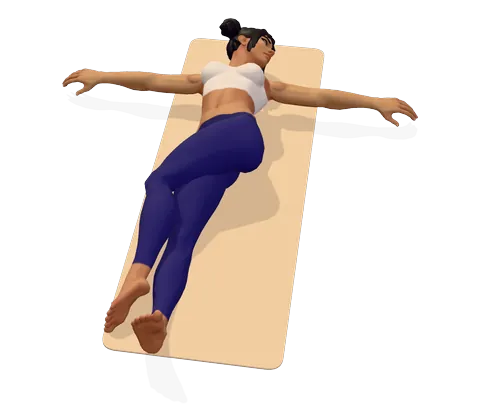 Supine Spinal TwistSupta Matsyendrasana
Mudras for heart health
Hold a mudra while you sit for the breathing practice or a few minutes of quiet. Mudras are a traditional practice; research on them is limited.
Breathing practice
Avoid
Inversions, breath holds and straining; ask your cardiologist first.
Moderate evidence: Randomised trials show a benefit; more research is under way.
Guided meditation for heart health
Loving-Kindness Meditation (12 min, voice in 28 languages)
Yoga for heart health is steady, gentle movement with slow breathing — the kind of practice that can help lower blood pressure, calm a racing heart rate and reduce stress, all of which matter for the cardiovascular system. This page is for two groups: people who want to keep a healthy heart, and heart patients (after a heart attack, a stent, heart surgery, or with heart failure or an irregular heartbeat) who want to practise safely. It covers what the research shows, a pose-by-pose plan with chair and wall versions, breathing, and the warning signs that mean stop.
If you have any heart condition, ask your cardiologist before you start and show them this plan. Keep taking your medicines. Avoid headstands, shoulder stands and other inversions, breath holding, and anything that makes you strain or hold your breath while pushing. If you have been offered cardiac rehabilitation, take it first — yoga can follow.
Is yoga good for your heart?
Yes, for most people it is, and the heart yoga benefits come mainly through the risk factors it improves:
- Blood pressure and heart rate. Slow breathing and relaxation shift the body toward its “rest and digest” state, and regular practice is linked with lower readings. See yoga for high blood pressure for a plan focused on that.
- Stress. Long-term stress raises blood pressure and makes healthy habits harder. Calm breathing and rest are the quickest tools yoga offers.
- Movement. Gentle standing poses and flowing movement keep you active, which the heart needs as you age — part of yoga for healthy ageing.
- Mood and sleep. Anxiety and low mood are common after a heart event; yoga helps many people feel calmer and sleep better.
What the research says about yoga and heart health
The evidence is moderate. A meta-analysis of 44 randomised trials (3,168 participants) found that, compared with usual care or no intervention, yoga improved systolic blood pressure by about 6 mmHg and diastolic by about 4 mmHg, lowered heart rate and improved cholesterol, triglycerides and waist size. The authors concluded that yoga can be an extra (ancillary) option for the general population and for people at higher risk of cardiovascular disease.
For heart patients, the largest trial is Yoga-CaRe in India: 3,959 people who had just had a heart attack took part in yoga-based cardiac rehabilitation or standard advice. The yoga group reported better self-rated health and a better return to their usual activities, but the trial could not show a difference in major heart events such as further heart attacks. In the small YOGA My Heart study, people with paroxysmal atrial fibrillation (an irregular heartbeat that comes and goes) had fewer symptomatic episodes, lower heart rate and blood pressure, and less anxiety after three months of twice-weekly yoga. A 2023 review of 11 trials in chronic heart failure found better exercise capacity and quality of life with yoga, though most studies were of low quality.
If you live with both conditions, yoga treatment for diabetes and heart disease follows the same gentle rules; see yoga for diabetes. So which yoga prevents a heart attack? None has been proven to. Yoga improves the risk factors; it does not replace medicines, cardiac rehab or a heart-healthy diet, and it cannot clear a heart blockage.
Yoga for heart patients: before you start
- After a heart attack or stent: yoga for heart attack recovery and for heart stent patients starts only when your cardiologist or cardiac rehab team clears you, with the seated and lying poses first.
- After open heart surgery: yoga for heart surgery patients must respect healing — your breastbone needs weeks to heal. Follow your surgical team’s rules — usually no pushing up with the arms, no weight on the hands and no deep chest stretches until they say so.
- Heart failure: keep your head higher than your heart in lying poses if flat lying makes you breathless, and choose shorter sessions.
- Palpitations or arrhythmia: get them checked before starting; stop if they come on during practice. Yoga for heart arrhythmia is calm and slow, never fast.
- Use the talk test. You should be able to talk in full sentences throughout. Heart-rate targets are personal — some heart medicines slow the heart rate — so ask your team for yours.
Yoga poses for heart health: the plan, pose by pose
These are the best yoga poses for the heart in this plan — gentle yoga asanas for heart problems that are steady and unhurried. Warm up with a few minutes of walking on the spot or seated marching, and cool down slowly.
1. Mountain pose — stand tall, breathe easily
Mountain pose (Tadasana): stand with feet hip-width apart, weight even, shoulders soft. Breathe slowly for five breaths. Chair version: stand behind a chair with your hands on its back, or sit tall on the chair.
2. Tree pose — balance at the wall
Tree pose (Vrikshasana) trains balance and focus. Stand side-on to a wall with one hand on it, and rest one heel on the other ankle. Keep the arms low — lifting them overhead for long holds can raise blood pressure — and breathe normally. Chair version: sit and lift one heel off the floor for a few breaths.
3. Easy pose — the seat for breathing
Easy pose (Sukhasana): sit cross-legged on a cushion, or on a chair with feet flat. This is where you do your breathing practice.
4. Cat–cow — gentle spinal movement
Cat pose (Marjaryasana) with cow pose, done slowly with the breath. Chair version: hands on knees, lift the chest on the in-breath and round the back on the out-breath. After heart surgery, use the chair version and keep the movement small.
5. Reclining bound angle — supported rest
Reclining bound angle pose (Supta Baddha Konasana): lie back over a bolster or pillows so your chest and head are raised, soles of the feet together, knees supported. It is a gentle, heart opening pose — much safer than deep backbends.
6. Corpse pose — deep rest
Corpse pose (Savasana) for five minutes, with a pillow under the head and knees (raise the head more if you have heart failure). Get up slowly by rolling to your side first, so your blood pressure does not drop suddenly.
Breathing practice for a calmer heart
Anulom Vilom (alternate nostril breathing): slow, even breaths through alternate nostrils, with no breath holds. Five minutes. Then Bhramari (humming bee breath): hum softly on a long out-breath, five to seven rounds. These slow practices are the yoga poses to lower heart rate in breath form: most people notice their pulse settle. Add a few minutes of quiet heart yoga meditation afterwards if you like; slow breathing is also good for the heart and lungs together. Avoid Kapalbhati, Bhastrika and any breath retention (kumbhaka), which can raise blood pressure or strain the heart. The breathing exercise timer keeps the pace slow and even.
Sample weekly routine
| Day | Practice | Time |
|---|---|---|
| Monday | Guided session on this page + Anulom Vilom | 20 min |
| Tuesday | Brisk or easy walk (as your team advises) | 20–30 min |
| Wednesday | Chair poses + Bhramari | 15 min |
| Thursday | Walk; 5 minutes of slow breathing in the evening | 25–35 min |
| Friday | Guided session + Anulom Vilom | 20 min |
| Saturday | Active day: walk, cycle or garden | 30 min |
| Sunday | Rest; Yoga Nidra or quiet sitting | 10–20 min |
Can yoga give you a strong heart? Strengthening the heart muscle comes mainly from aerobic exercise such as walking, so yoga for heart strength works best alongside those walks, not instead of them.
Morning yoga for heart health works well if your blood pressure is steady; otherwise choose the time of day when you feel best. For heart yoga for beginners, stay with the chair versions for the first two weeks; the same applies to yoga for heart health beginners without heart disease who are unused to exercise. The yoga for seniors page has more gentle options.
Heart chakra, heart openers and heartburn
Some searches for yoga for the heart are about other things. Heart chakra (Anahata) yoga is a spiritual idea, not a treatment for heart disease; read about it on our chakras page. Heart opening poses such as camel and wheel are deep backbends; the benefits of heart openers in yoga are about posture and chest mobility, not heart disease, so skip them if you have heart disease unless your cardiologist agrees. Heartburn is acid reflux, a stomach problem, not a heart problem; see yoga for acidity for heartburn relief. If you came here for heartbreak — grief after a loss or a break-up — gentle yoga and slow breathing can be comforting too. But if you are not sure whether chest pain is heartburn or your heart, treat it as your heart and get help.
Warning signs: when to stop and get help
There is no yoga for heart pain. Stop and call emergency services for chest pain, pressure or tightness (especially if it spreads to the arm, jaw, neck or back), severe breathlessness, fainting, or a very fast or irregular heartbeat with dizziness. See your doctor soon for new palpitations, more breathlessness than usual, swollen ankles, sudden weight gain over a few days, or unusual tiredness.
दिल के लिए योग (heart ke liye yoga — yoga for a healthy heart and heart patients in Hindi): नियमित और हल्का योग ब्लड प्रेशर, दिल की धड़कन और तनाव कम करने में मदद कर सकता है। ताड़ासन, सुखासन, मार्जरी आसन, सुप्त बद्ध कोणासन और शवासन आराम से करें, और अनुलोम-विलोम व भ्रामरी बिना साँस रोके करें। दिल के मरीज़ पहले अपने कार्डियोलॉजिस्ट से अनुमति लें, दवा बंद न करें, और शीर्षासन, कपालभाति या साँस रोकने वाले अभ्यास न करें। सीने में दर्द हो तो तुरंत रुकें और आपातकालीन मदद लें।
Start the guided heart-health session
The session on this page is slow and calm, with a 3D guide you can rotate and a voice in 28 languages; the saffron ring on the mat paces your breath. Choose the shorter hold time if you are new, keep a chair beside you and start the guided session.
Research behind this plan
- Cramer 2014, International Journal of Cardiology — 44 trials, 3,168 people: yoga improved blood pressure, heart rate, cholesterol and other cardiovascular risk factors
- Prabhakaran 2020, Journal of the American College of Cardiology — Yoga-CaRe trial, 3,959 patients after heart attack: better self-rated health and return to activities; no proven effect on major events
- Lakkireddy 2013, Journal of the American College of Cardiology — YOGA My Heart study: fewer symptomatic atrial fibrillation episodes, lower heart rate and blood pressure, less anxiety
- Dutta 2023, Avicenna Journal of Medicine — 11 trials in chronic heart failure: better exercise capacity and quality of life; low-quality evidence
Frequently asked questions
Is yoga good for heart health?
Yes. Trials show that regular yoga can lower blood pressure and heart rate and improve cholesterol and waist size. It supports, but does not replace, medicines and cardiac rehabilitation.
Can heart patients do yoga?
Many can, once their cardiologist agrees. Start with seated and lying poses, breathe slowly with no breath holds, avoid inversions and straining, and stop at any chest pain or unusual breathlessness.
Which yoga prevents heart attack?
No yoga has been proven to prevent heart attacks. Regular gentle yoga improves risk factors such as blood pressure, heart rate and cholesterol, which is part of a heart-healthy life along with medicine, diet, not smoking and activity.
Can yoga remove a heart blockage?
No. Blocked arteries need medical treatment. Yoga can help with stress, blood pressure and fitness alongside that treatment.
Is yoga safe after open heart surgery or a stent?
Usually yes, once your team clears you. After heart surgery, follow the breastbone precautions: no pushing up with the arms or deep chest stretches until your surgeon allows it.
Can yoga help heart palpitations?
Slow breathing may help palpitations linked to stress, and a small study found fewer atrial fibrillation episodes with yoga. New or frequent palpitations should always be checked by a doctor first.
Does yoga for the heart have side effects?
Gentle yoga is low-risk. Problems come from straining, breath holds, inversions, hot rooms and getting up too fast, which can raise blood pressure or cause dizziness. Stop if you feel unwell.
What yoga should heart patients avoid?
Headstand, shoulder stand and other inversions, breath holds, Kapalbhati and Bhastrika, hot yoga, deep backbends and any pose that makes you strain or hold your breath.
Is yoga for heart failure patients safe?
Gentle yoga appears safe in studies of stable heart failure and may improve exercise capacity and quality of life. Keep the head raised when lying down, keep sessions short and follow your heart failure team’s advice.
Medical note: yoga supports treatment; it does not replace it. Keep taking prescribed medicine and talk to your doctor before you start, especially with heart disease, uncontrolled blood pressure, recent surgery, pregnancy, epilepsy or severe pain. Read our medical disclaimer.