Your eating disorder recovery yoga plan
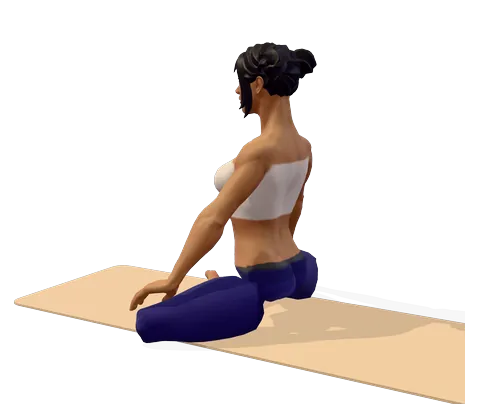 Easy PoseSukhasana
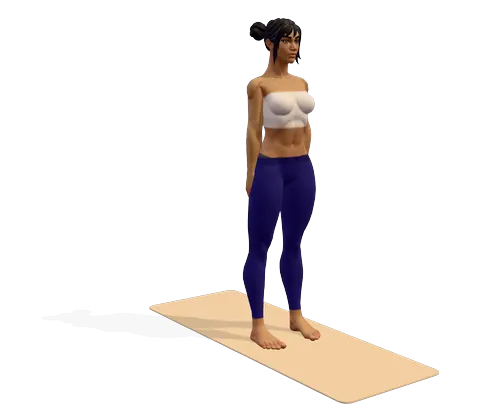 Mountain PoseTadasana
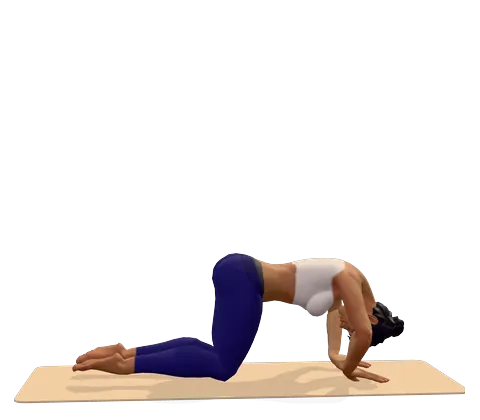 Cat PoseMarjaryasana
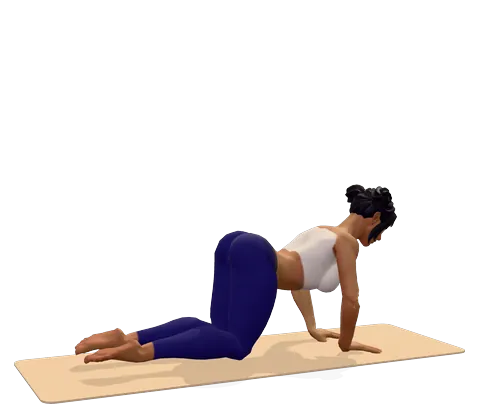 Cow PoseBitilasana
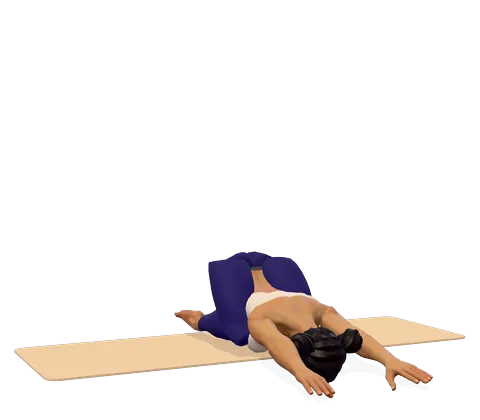 Child’s PoseBalasana
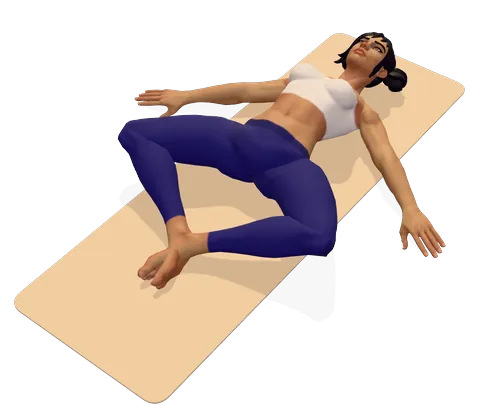 Reclining Bound Angle PoseSupta Baddha Konasana
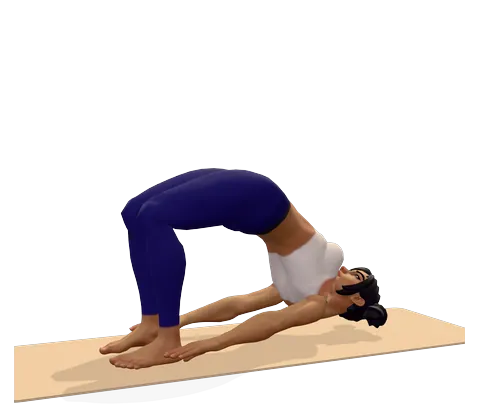 Bridge PoseSetu Bandhasana
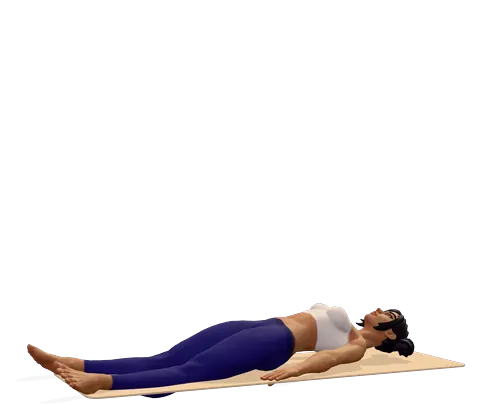 Corpse PoseSavasana
More poses that help with eating disorder recovery
Add these once the session above feels easy, or swap one in when a pose does not suit you.
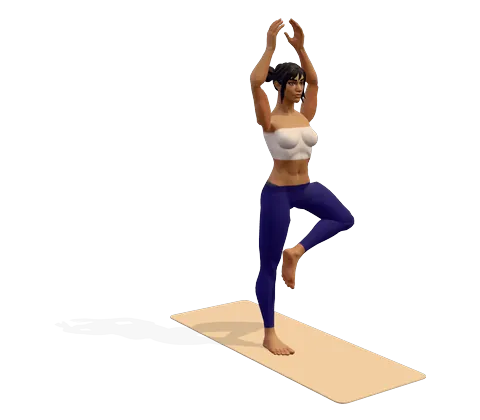 Tree PoseVrikshasana
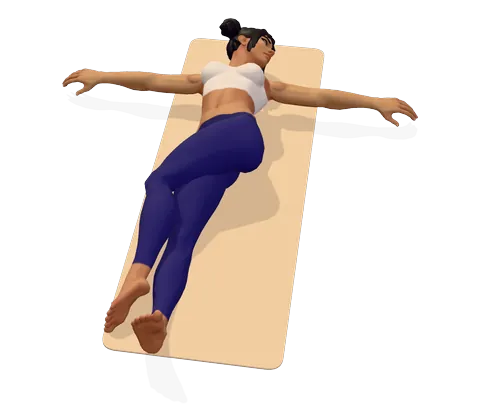 Supine Spinal TwistSupta Matsyendrasana
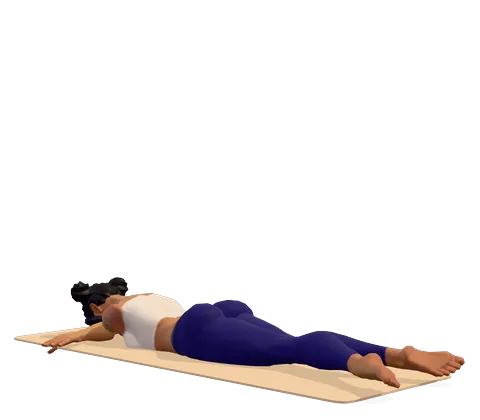 Crocodile PoseMakarasana
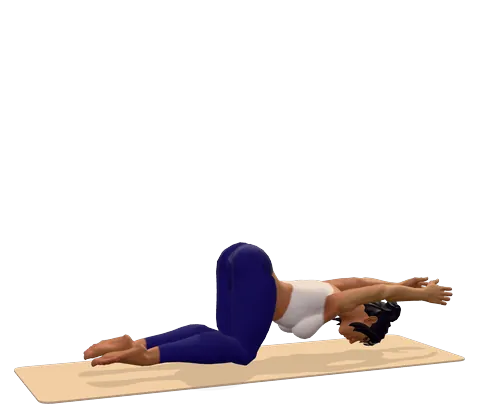 Extended Puppy PoseAnahatasana
Breathing practice
Avoid
Using yoga to burn calories, hot yoga, “detox” sessions or long daily practice — these can feed the disorder. Practise only as agreed with your treatment team, stop if you feel dizzy or faint, and get urgent care for fainting, chest pain or a racing or very slow heartbeat.
Emerging evidence: Small or early trials look promising.
Guided meditation for eating disorder recovery
Breath Awareness Meditation (10 min, voice in 28 languages) · Body Scan Meditation (15 min, voice in 28 languages)
Yoga for eating disorder recovery is gentle, slow practice used alongside professional treatment to help you reconnect with your body, calm anxiety around food and build a kinder relationship with how your body feels from the inside. It is not exercise for burning calories, and it is not a replacement for therapy, nutritional care or medical monitoring. This page explains how yoga may help, what research shows, the safety rules that matter most, and how to use each pose in the session.
Check with your treatment team first. Eating disorders affect the heart, blood pressure, bones and blood salts. If you are underweight, restricting, purging or medically unstable, even gentle movement may not be safe yet. Stop and sit or lie down if you feel dizzy or faint, and get urgent care for fainting, chest pain, or a racing or very slow heartbeat.
How can yoga help eating disorder recovery?
Eating disorders often cut people off from body signals such as hunger, fullness, tiredness and emotion, or turn the body into something to control and judge. Recovery-focused yoga works on a different relationship:
- Noticing instead of judging. You pay attention to what a pose feels like (the floor under your hands, the breath in your belly), not what it looks like. There are no mirrors and no "good" or "bad" shapes.
- Calming the nervous system. Slow breathing with a longer out-breath can ease the anxiety that rises before and after meals.
- Tolerating feelings. Staying with mild discomfort in a supported pose, and choosing when to leave it, is practice for sitting with difficult emotions without acting on urges.
- Rest as something allowed. For many people in recovery, resting without "earning" it is new. Restorative poses make rest the whole point.
Is yoga for eating disorder recovery supported by research?
The evidence is emerging and encouraging, as an add-on to standard care. In a 2010 randomised trial, 53 young people (aged 11–21) in outpatient treatment for anorexia, bulimia or other eating disorders received either standard care or standard care plus eight weeks of individualised yoga. The yoga group had a greater fall in eating disorder symptoms, food preoccupation dropped after each session, and body weight was maintained, so yoga did not cause harmful weight loss.
A 2020 meta-analysis of 11 randomised trials (754 participants) found yoga had a small effect on overall eating disorder symptoms, a moderate-to-large effect on binge eating and bulimia symptoms, and a small effect on body image concerns. It did not change dietary restraint. A 2025 expert consensus of eating disorder clinicians and yoga teachers recommended gentle, trauma-informed, individualised yoga that is closely integrated with treatment. In short: yoga and eating disorder recovery can work well together, but only as part of a treatment plan.
Safety first: how yoga can help or harm
Yoga can be misused by an eating disorder, so these rules are part of the practice:
- No calorie-burning goals. Do not use yoga to compensate for eating, and do not track how much energy a session uses.
- Avoid hot yoga, power yoga and "detox" classes. Heat, dehydration and fast flows put extra strain on the heart and blood salts, and "detox" language feeds diet thinking.
- Keep it short and agreed. 10–20 minutes, a few times a week, as agreed with your team. Practising for longer and longer, or feeling panicky when you miss a day, are warning signs of compulsive exercise; tell your therapist.
- Eat as planned. Never delay or skip a meal or snack to practise. Regular eating comes first in eating disorder recovery.
- Choose body-neutral spaces. Avoid classes that talk about "toning", "flat bellies" or weight. The guided session here uses plain instructions about movement and breath only.
Poses in the session and how to use them
The guided session uses eight calm poses. Each one is about sensation and steadiness. Take breaks whenever you like.
Easy pose (Sukhasana) and mountain pose (Tadasana)
Easy pose and mountain pose are grounding shapes. Feel the contact points: sit bones on the cushion, feet on the floor. If you notice your mind checking your body's shape, gently bring attention back to the feet.
Cat and cow (Marjaryasana and Bitilasana)
Cat and cow move with the breath. Notice the spine moving, the belly softening on the in-breath. Letting the belly soften, rather than holding it in, is a small but meaningful act in recovery.
Child's pose (Balasana)
Child's pose is a resting shape. If pressure on the belly feels uncomfortable after eating, widen your knees and rest your chest on a pillow.
Bridge pose (Setu Bandhasana)
Bridge pose gives gentle strength to the legs and back. Keep it low and short. Notice the legs supporting you, as a way of appreciating what your body does, not how it looks.
Reclining bound angle and corpse pose
Reclining bound angle with pillows under both knees and corpse pose are the heart of this session: supported rest. The benefits of restorative yoga here are about safety and permission to stop. Keep a blanket over you, because low body weight often makes people feel cold. If lying still brings up difficult thoughts, keep your eyes open and your hands on your belly.
Breathing for anxiety around meals
Bhramari (humming bee breath) is a simple tool before a meal: breathe in through the nose, hum on a long out-breath, five rounds. Anulom Vilom (alternate-nostril breathing, no breath holds) is steadying after meals when urges are strong. Skip fast breathing such as Kapalbhati, which can cause dizziness, especially if you are underweight or your blood salts are low. The breathing exercise timer guides both.
Yoga for binge eating and body image
Binge eating: yoga for binge eating is where the research looks strongest. Coping strategies for binge eating that pair well with yoga include eating regularly (three meals and planned snacks), noticing the emotion or tiredness behind an urge, and using a few minutes of humming breath to create a pause before acting. How to stop binge eating for good? Usually with specialist help: cognitive behavioural therapy is the best-studied therapy for binge eating, and its therapy techniques for binge eating (food diaries, regular eating, planning for high-risk times) work on the urge patterns directly. Strategies to stop binge eating on your own, such as strict dieting, tend to backfire, because restriction often drives the next binge.
Body image: many body image exercises for therapy can be done on the mat. Try naming three things your body did for you today (breathing, carrying you, holding a pose) instead of anything about its size. Yoga for large bodies and big bodies is just as valid: use a wider stance, blocks and bolsters, and ignore any teaching that suggests a pose "should" look a certain way.
Best therapy for eating disorder recovery, and where yoga fits
Eating disorders are serious illnesses, and the best therapy for eating disorder recovery depends on the diagnosis and your age. Family-based treatment is often first-line for young people with anorexia. Eating-disorder-focused cognitive behavioural therapy (CBT-ED) is widely used for adults with anorexia, bulimia and binge eating disorder, alongside dietetic support and medical monitoring. Other therapy options for anorexia nervosa in adults include specialist supportive clinical management and focal psychodynamic therapy. Yoga is best seen as one of several eating disorder therapy activities and ideas that support these therapy techniques for eating disorders, much like journaling or art. When outpatient care is not enough, day programmes and inpatient or residential rehab for eating disorders give more support.
How to recover from anorexia? With a specialist team, regular nourishment restored step by step, and time. Ways to treat anorexia nervosa combine medical monitoring, a meal plan from a dietitian (which answers the question of what to eat when recovering from anorexia) and therapy. There is no quick way to cure anorexia nervosa, but people do overcome anorexia with treatment. How long does eating disorder recovery take? It varies a lot: often many months to several years, with setbacks along the way. Setbacks are part of recovery, not failure, and full recovery is possible.
If you are supporting someone and wondering how to help with anorexia, what are some support strategies for anorexia? Stay calm and kind, avoid comments on weight or appearance, eat meals together without pressure, and encourage professional help. National charities such as Beat in the UK offer guidance for families.
Tips for eating disorder recovery on and off the mat
- Follow the plan, not the urge. Recovering from an eating disorder means eating regularly even when hunger signals are unreliable.
- Rest when you are tired. Fatigue is common in eating disorder recovery; on those days, choose supported rest or Yoga Nidra, or skip practice altogether.
- Plan for hard moments. To cope with binge eating urges or anorexia thoughts, keep a short list: humming breath, texting someone, a walk with a friend, a distracting task.
- Talk about exercise openly. Any exercise for eating disorder recovery, yoga included, belongs in the conversation with your team so it stays helpful.
- Expect setbacks. The best therapy for eating disorder relapse is usually going back to the treatment that worked, early and without shame.
Recovery yoga for beginners: a simple week
For beginners in recovery, less is more. Like yoga for illness recovery of any kind, it starts small. A sample plan to agree with your team:
| Day | Practice | Time |
|---|---|---|
| Monday | Guided session on this page, after a snack | 15 min |
| Wednesday | Humming breath before lunch, then easy pose | 5 min |
| Friday | Supported rest only: reclining bound angle and corpse pose | 10 min |
| Weekend | Guided Yoga Nidra lying down | 10–20 min |
Can you do yoga after eating? Yes, gentle yoga like this is fine an hour or so after a meal; avoid deep twists and pressure on a very full belly. The same approach suits yoga for addiction recovery and recovery yoga for anxiety, and our yoga for beginners guide covers the basics.
Get help now if you have thoughts of harming yourself: call your local emergency number or a crisis line (for example 988 in the US, Samaritans on 116 123 in the UK and Ireland, or Tele-MANAS on 14416 in India).
When your team agrees: start the guided 3D session. The voice describes movement and breath only, never body shape, and you can pause or stop at any moment.
Research behind this plan
- Carei 2010, Journal of Adolescent Health — randomised trial in 53 young people with eating disorders: yoga plus standard care reduced eating disorder symptoms and food preoccupation; weight was maintained
- Borden 2020, Eating Disorders — meta-analysis of 11 randomised trials (754 people): small effect on overall symptoms, moderate-to-large on binge eating and bulimia, small on body image
- Trethewey 2025, International Journal of Eating Disorders — expert consensus on safe, trauma-informed yoga as adjunct therapy in eating disorder treatment
Frequently asked questions
Is yoga good for eating disorder recovery?
It can be, as an add-on to treatment. Studies suggest gentle yoga may reduce eating disorder symptoms, especially binge eating, and ease anxiety, without harmful weight loss. It should always be agreed with your treatment team.
When is yoga not safe in eating disorder recovery?
When you are medically unstable, very underweight, purging, or using exercise to compensate for eating. Hot yoga, power yoga, detox classes and long daily sessions are best avoided. Stop if you feel dizzy or faint.
What type of yoga is best for eating disorder recovery?
Gentle Hatha, restorative yoga and Yoga Nidra, taught with body-neutral language and no mirrors. Trauma-informed classes that offer choices are also a good fit.
Can yoga help with binge eating?
Research suggests yoga may reduce binge eating symptoms. Slow breathing can create a pause before acting on an urge. Pair it with regular meals and specialist therapy such as CBT for the best chance of recovery.
Can yoga help body image?
Yoga may modestly improve body image by shifting attention from how the body looks to how it feels and what it can do. It works best alongside therapy that addresses body image directly.
Can you do yoga after eating?
Gentle yoga is usually fine about an hour after a meal. Avoid strong twists and pressure on a very full stomach. In recovery, never skip or delay a meal or snack to fit in practice.
How long does eating disorder recovery take?
It varies, often from many months to several years, and setbacks are common. With the right treatment, many people recover fully. Yoga can be one steady support along the way.
Medical note: yoga supports treatment; it does not replace it. Keep taking prescribed medicine and talk to your doctor before you start, especially with heart disease, uncontrolled blood pressure, recent surgery, pregnancy, epilepsy or severe pain. Read our medical disclaimer.