Your shift work and night-shift sleep yoga plan
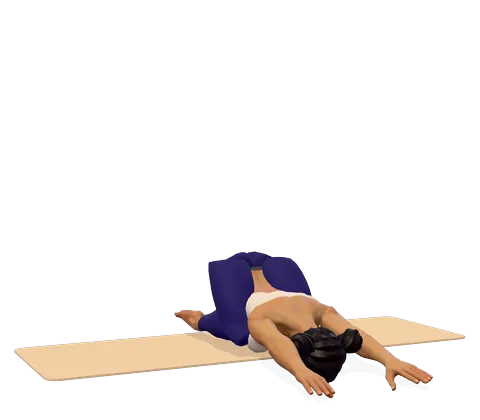 Child’s PoseBalasana
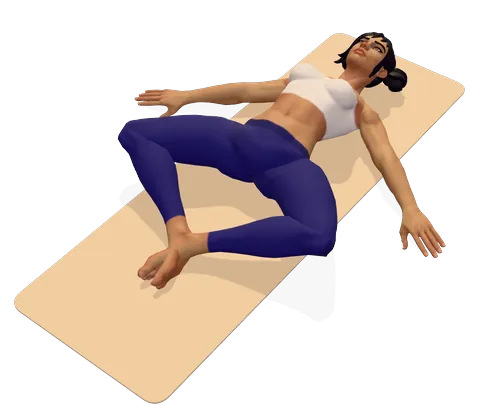 Reclining Bound Angle PoseSupta Baddha Konasana
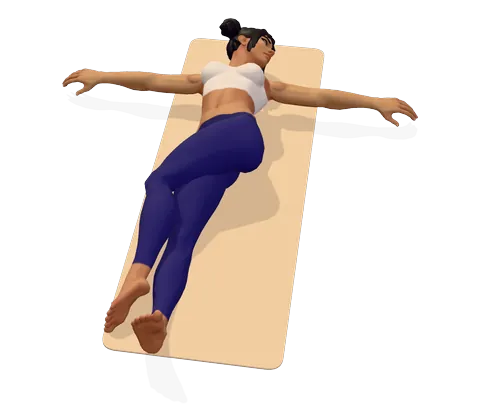 Supine Spinal TwistSupta Matsyendrasana
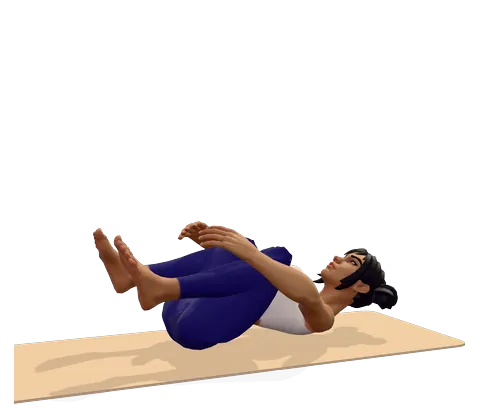 Wind-Relieving PosePavanamuktasana
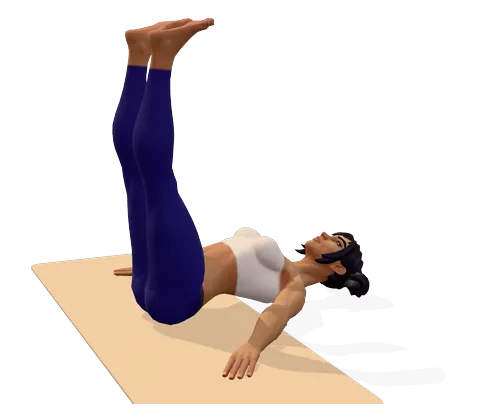 Legs-Up-the-Wall PoseViparita Karani
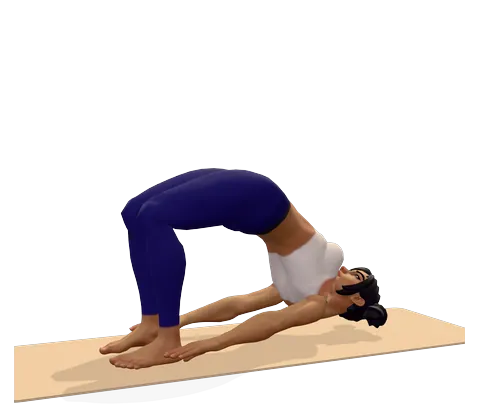 Bridge PoseSetu Bandhasana
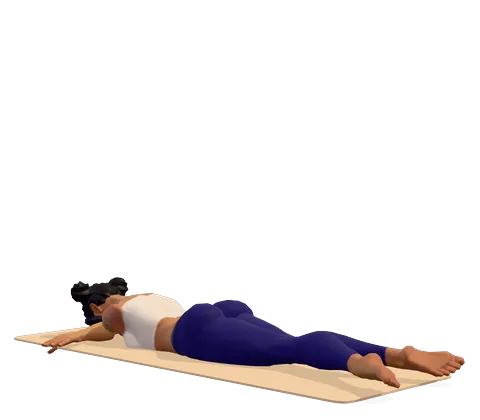 Crocodile PoseMakarasana
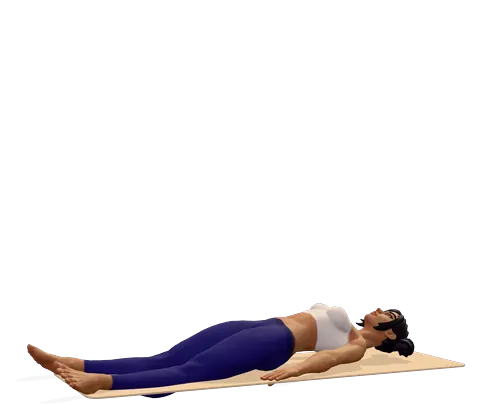 Corpse PoseSavasana
More poses that help with shift work and night-shift sleep
Add these once the session above feels easy, or swap one in when a pose does not suit you.
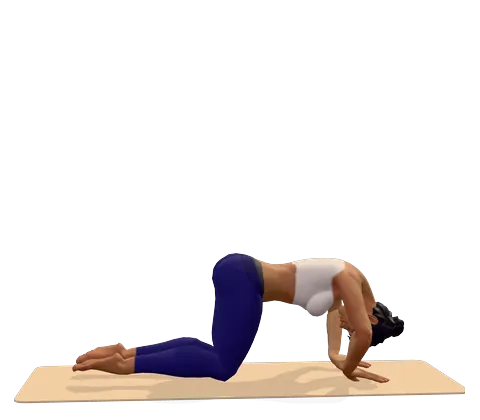 Cat PoseMarjaryasana
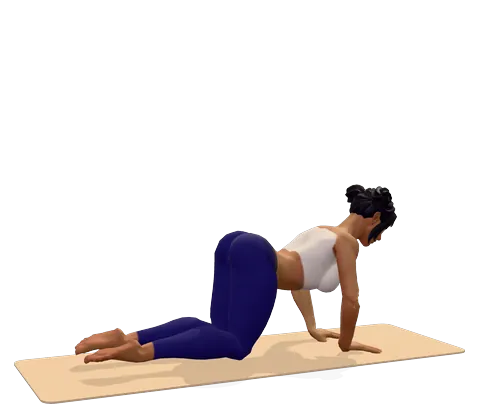 Cow PoseBitilasana
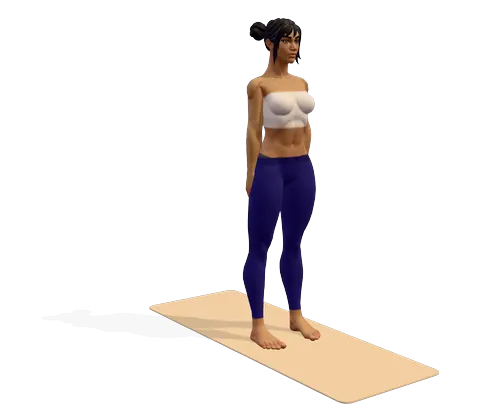 Mountain PoseTadasana
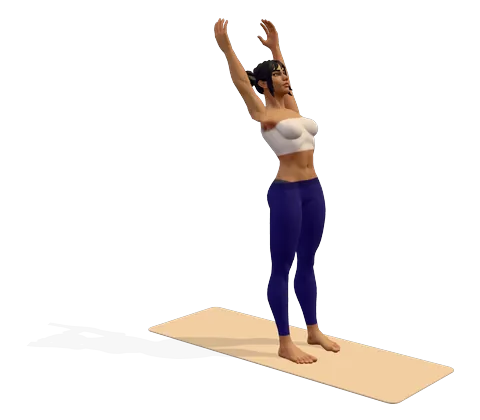 Raised Arms PoseHasta Uttanasana
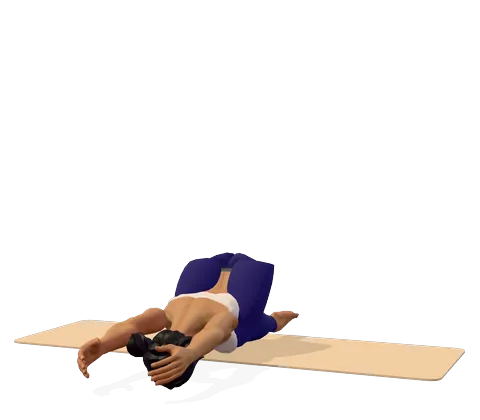 Hare PoseShashankasana
Mudras for shift work and night-shift sleep
Hold a mudra while you sit for the breathing practice or a few minutes of quiet. Mudras are a traditional practice; research on them is limited.
Breathing practice
Avoid
Energising breathing (Kapalbhati) or strong backbends right before day sleep. See a doctor for loud snoring, dozing off while driving or lasting low mood.
Emerging evidence: Small or early trials look promising.
Guided meditation for shift work and night-shift sleep
Sleep Meditation (20 min, voice in 28 languages)
Yoga for night shift workers is mostly about switching off: after a night on your feet, a racing mind and a body still full of adrenaline make it hard to fall asleep in daylight. A slow routine of supported poses and a long out-breath can signal "the day is over" to your nervous system, even at 8 am. Yoga will not fix a schedule that fights your body clock, but together with a dark bedroom and smart light and caffeine habits, it can make sleep after a night shift easier. This page covers the routine, the evidence, and practical sleep tips for night shift workers.
How working night shift affects your body
Your body clock expects sleep at night and alertness in the day. Working the night shift asks it to do the opposite, and most people's clocks never fully flip, especially when they switch back to daytime life on days off. The result for many shift workers is shorter, lighter day sleep, tiredness on shift, digestive problems and low mood.
When sleep problems or sleepiness from your schedule last for months and affect work or life, doctors may call it shift work sleep disorder. Long-term night shift work is also linked with a higher risk of weight gain, type 2 diabetes and heart disease, which is why daily movement and good sleep habits matter even more for shift staff.
Is yoga for night shift workers helpful? The research
The evidence is emerging. In a small 2019 randomised crossover trial, 20 female nurses working night shifts in Japan did one guided restorative yoga session and then practised at home for four weeks. Their stress-reaction scores fell after the session and fell further after home practice, compared with their usual ways of relaxing.
A 2020 meta-analysis of 19 randomised trials (1,832 women with sleep problems, not specifically shift workers) found yoga improved sleep quality compared with no active treatment, and more class time was linked with more benefit. A 2026 meta-analysis of three randomised trials in nurses found yoga reduced emotional exhaustion, a core part of burnout. Overall, yoga for sleeping problems looks helpful, and yoga to help sleep is low risk. None of this proves yoga fixes shift work sleep disorder, but it supports yoga as a low-risk way to wind down and manage stress.
Poses in the wind-down routine after a night shift
The guided session uses eight poses, all on the floor or bed, in an order that moves from gentle release to deep rest. These are yoga moves for sleep, not for fitness: most can be done as yoga in bed for sleep. Keep lights low while you practise.
Child's pose (Balasana)
Child's pose is the first "off switch": forehead down, back ribs widening with each breath. It also eases a back that has been bending over beds, desks or machines all night.
Reclining bound angle (Supta Baddha Konasana)
Reclining bound angle lets the chest and hips open while you are fully supported. Put pillows under your knees.
Supine twist and wind-relieving pose
The supine spinal twist releases the lower back after hours of standing. Wind-relieving pose (knees to chest) calms a digestive system confused by night-time meals.
Legs up the wall (Viparita Karani)
Legs up the wall is ideal after a long shift on your feet: heavy, tired legs rest while the breath slows. Use the headboard of your bed. Skip it if you have glaucoma.
Bridge pose and crocodile pose
A low, slow bridge pose stretches the front of the hips. Crocodile pose, lying on your front with your forehead on your stacked hands, is a restful belly-down position that lets you feel the breath in your lower back. Do not hold strong backbends before sleep; they can be energising.
Corpse pose (Savasana)
Corpse pose is the last step. Do it in bed if you like, and let it roll straight into sleep.
Breathing to fall asleep after a night shift
The 4-7-8 breathing pattern (in for 4, hold for 7, out for 8) is simple to do lying in bed; start with four rounds, as it can make you light-headed, and skip the hold if you have heart or lung disease. Bhramari (humming bee breath) quietens a busy mind after a hectic shift. The Dhyana mudra, hands resting in the lap, is traditionally used while sitting quietly before rest. Avoid energising breathing such as Kapalbhati before day sleep; save it, if you use it at all, for after you wake up.
If you like guided rest, a 10-minute Yoga Nidra in bed works well as yoga to fall asleep fast after a shift. It is gentle yoga for sleep and relaxation, and yoga for sleep and anxiety when your mind replays the night. Whether you need yoga for better sleep, deep sleep or simply good sleep, the rule is the same: slow, quiet and in the dark.
Sleep tips for night shift workers
How to sleep when working night shift is as much about light as about relaxation. These tips for working night shift and sleeping reflect standard sleep advice for night shift workers:
- Block morning light. Wear sunglasses on the way home, and use blackout curtains or an eye mask. Morning light tells your brain it is time to be awake.
- Keep the bedroom dark, cool and quiet. Earplugs or white noise help. Tell your household your sleep hours and silence your phone.
- Go to bed soon after you get home. A short wind-down (this session) is better than an hour on a screen.
- Time caffeine. Use it in the first half of the shift only.
- Use naps wisely. A nap of up to 90 minutes before a night shift can reduce sleepiness at work.
- Keep an "anchor". Try to sleep during the same few hours each day, even on days off, to limit the swing back and forth.
Light therapy for night shift workers: bright light early in the shift, and darkness after it, can help the body clock adjust. Ask your doctor or occupational health team before using a light box, especially if you have eye disease or bipolar disorder. Shift work sleep disorder management may also include medicines or melatonin, which need a doctor's advice; there is no single best sleep aid for night shift workers, and sleeping tablets are not a long-term answer.
Tips for switching to night shift
How to prepare for night shift work after days off? Sleep in late the morning before, take a nap in the afternoon, and eat a proper meal before you leave. How to stay up on night shift without overdoing caffeine? Bright light, short walks, cold water on your face, staying hydrated and a few standing stretches every hour or two. Do not rely on energy drinks late in the shift, or you will struggle to sleep after.
A daily routine for night shift workers
How to stay healthy working night shift? A predictable routine helps. Here is a sample day for a 7 pm to 7 am shift:
| Time | What to do |
|---|---|
| 7:30–8:30 am | Home in sunglasses, light snack, the wind-down session, 4-7-8 breathing, sleep |
| 8:30 am–3:30 pm | Main sleep in a dark room |
| 3:30–5 pm | Wake, daylight, a walk or an active practice such as Surya Namaskar |
| 5–6 pm | Main meal before work |
| 7 pm–3 am | Work; bright light, caffeine only early on, short stretch breaks |
| 3–7 am | Lighter snacks, no caffeine, dimmer light where safe |
How to manage night shift work over months and years comes down to routines like this. It is also the best workout schedule for night shift workers: exercise after waking and before your shift, not straight before day sleep. How to stay fit working night shift? Two or three active sessions a week at that time, plus daily walking, is a good base. Other health tips for night shift workers: plan meals rather than grazing on vending-machine food, keep up with health checks, and protect time with family and friends. Are there any benefits to working night shift? Many people value quieter shifts and free daytime hours; how to cope with night shift long term is about protecting sleep so you can enjoy them. Women working in night shift may also notice changes to their periods, and pregnant women should discuss night work with their doctor.
Yoga for nurses, carers and support workers
Nurses and support workers carry a double load: night shifts plus physical and emotional strain. The benefits of yoga for nurses in studies include lower stress and less emotional exhaustion. Yoga for nurse burnout works best alongside real changes at work, but even 10 minutes after a shift helps many people switch off; see yoga for burnout for more.
Chair yoga for nurses on shift: during a break, sit tall, roll your shoulders, do a seated cat–cow and a gentle seated twist, then take five slow breaths. Hare pose is a good quick reset if there is floor space.
When to see a doctor
See a doctor if you doze off while driving or at work, snore loudly or stop breathing in your sleep (possible sleep apnoea), have lasting low mood, or cannot sleep despite good habits for several weeks. Never drive when you are fighting to stay awake; nap first or use another way home.
For general insomnia, see yoga for sleep, and for day-to-day tension, the yoga for stress relief plan.
After your next shift: start the guided 3D session in a dim room. The voice talks you through each pose in your language, the screen stays awake, and the ring on the mat helps you slow your breath towards sleep.
Research behind this plan
- Miyoshi 2019, Journal of Occupational Health — randomised crossover trial in 20 night-shift nurses: restorative yoga reduced stress-reaction scores
- Wang 2020, BMC Psychiatry — meta-analysis of 19 randomised trials (1,832 women with sleep problems): yoga improved sleep quality
- Javeth 2026, International Journal of Yoga — meta-analysis of 3 randomised trials: yoga reduced emotional exhaustion and other burnout components in nurses
Frequently asked questions
Is yoga good for night shift workers?
Yes, for most people. Gentle, restorative yoga after a shift can ease stress and help you fall asleep during the day. Small studies in night-shift nurses found less stress after regular practice. Pair it with a dark bedroom and good light and caffeine habits.
What yoga should I do before sleeping after a night shift?
Choose slow, supported poses: child's pose, reclining bound angle, a supine twist, knees to chest, legs up the wall and corpse pose, followed by 4-7-8 or humming breathing. Avoid fast breathing and strong backbends.
How do I sleep after a night shift?
Wear sunglasses home, go to bed soon after arriving, keep the room dark, cool and quiet, and use a short wind-down routine instead of screens. Try to sleep at about the same hours every day.
When should night shift workers exercise?
After waking and before the shift is usually best, for example in the late afternoon. Avoid vigorous exercise right before your day sleep, as it can make it harder to fall asleep.
What is shift work sleep disorder?
It is ongoing insomnia or excessive sleepiness caused by working nights or rotating shifts. If it lasts for months or affects your safety, see a doctor; treatment can include sleep scheduling, light therapy and sometimes medicine.
Can nurses do yoga during a shift?
Yes. Short chair yoga breaks, such as shoulder rolls, a seated cat–cow, a gentle twist and a few slow breaths, can ease tension without needing a mat or changing clothes.
Medical note: yoga supports treatment; it does not replace it. Keep taking prescribed medicine and talk to your doctor before you start, especially with heart disease, uncontrolled blood pressure, recent surgery, pregnancy, epilepsy or severe pain. Read our medical disclaimer.