Your bronchitis yoga plan
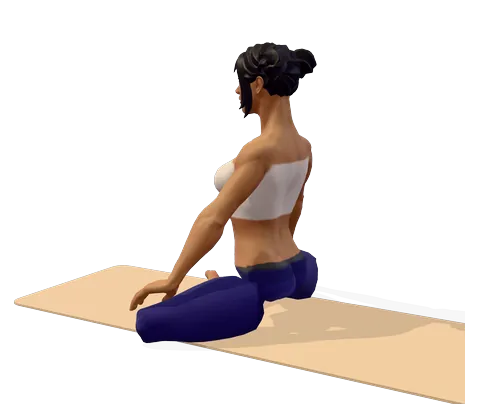 Easy PoseSukhasana
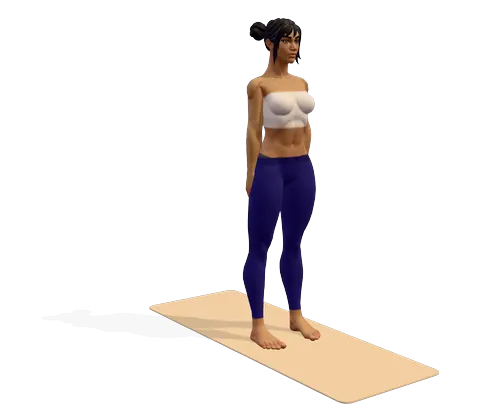 Mountain PoseTadasana
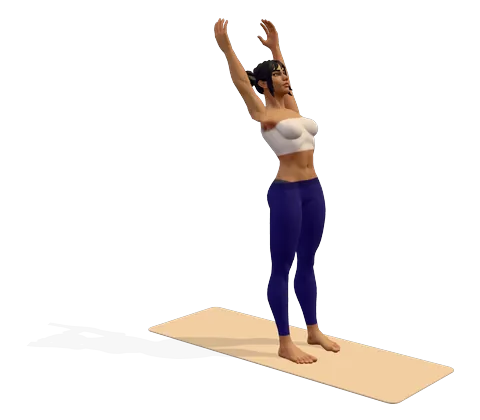 Raised Arms PoseHasta Uttanasana
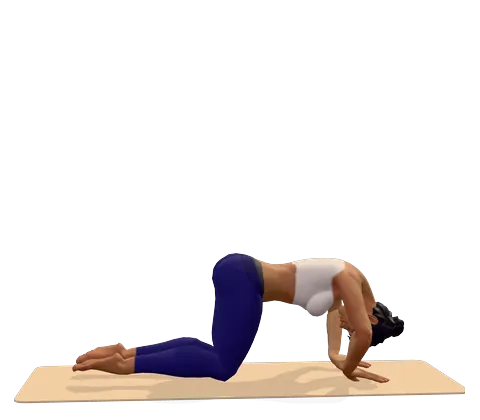 Cat PoseMarjaryasana
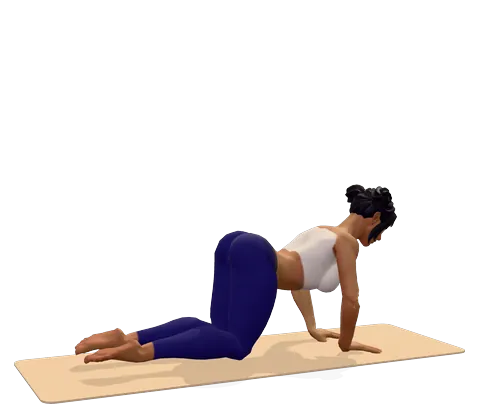 Cow PoseBitilasana
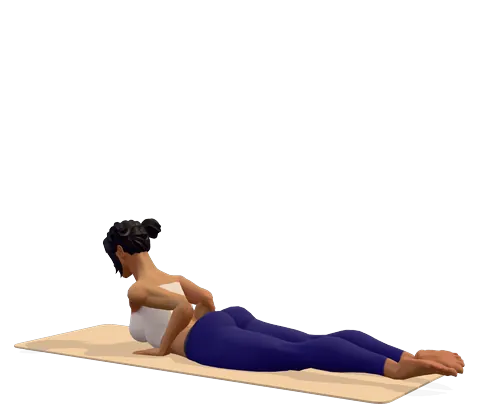 Cobra PoseBhujangasana
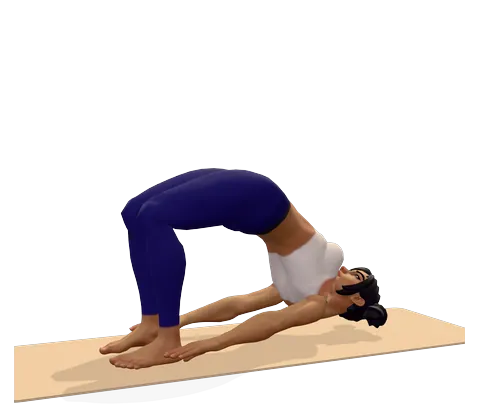 Bridge PoseSetu Bandhasana
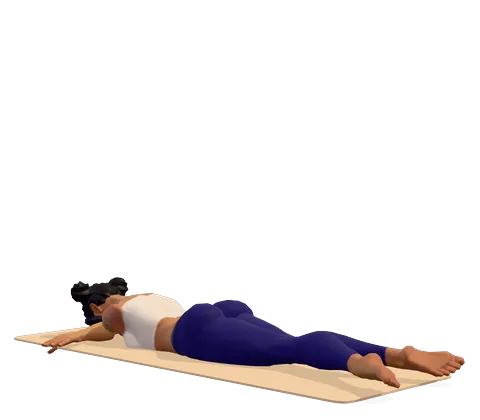 Crocodile PoseMakarasana
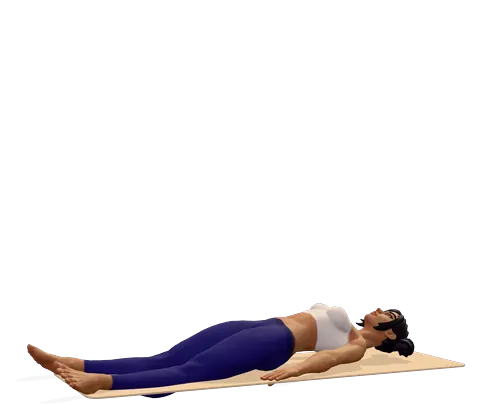 Corpse PoseSavasana
More poses that help with bronchitis
Add these once the session above feels easy, or swap one in when a pose does not suit you.
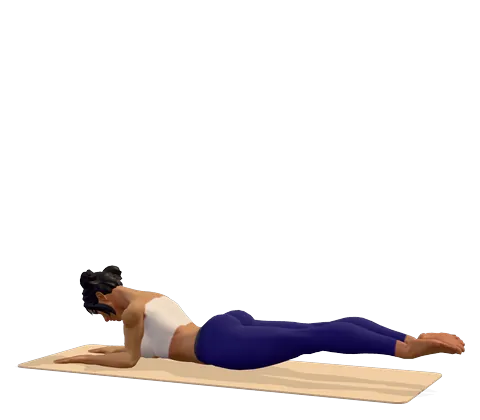 Sphinx PoseSalamba Bhujangasana
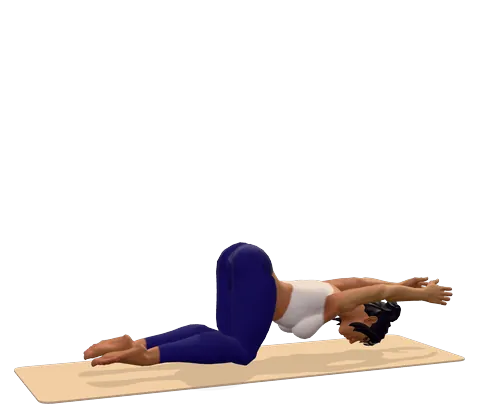 Extended Puppy PoseAnahatasana
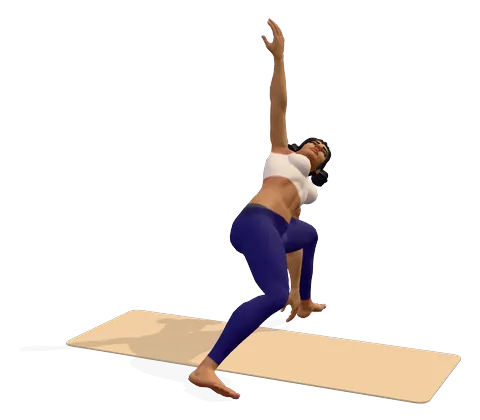 Triangle PoseTrikonasana
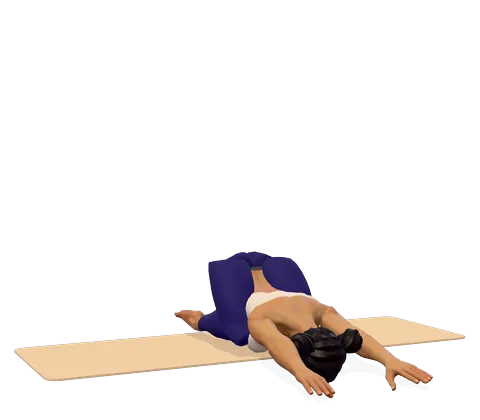 Child’s PoseBalasana
Mudras for bronchitis
Hold a mudra while you sit for the breathing practice or a few minutes of quiet. Mudras are a traditional practice; research on them is limited.
Breathing practice
Avoid
Practising hard with fever or a fresh chest infection — rest instead. Skip fast breathing (Kapalbhati, Bhastrika) while coughing. See a doctor for fever beyond three days, blood in the phlegm, chest pain, wheezing or breathlessness at rest.
Traditional practice: Used in classical yoga therapy; few clinical trials so far.
Yoga for bronchitis is gentle, supportive work: easy chest-opening poses and slow breathing that may help you breathe more comfortably and move mucus while your airways heal. Yoga does not kill the infection behind acute bronchitis, and it does not reverse chronic bronchitis, but it can be a calm, useful part of recovery and long-term lung care alongside your doctor's advice.
Acute or chronic bronchitis: why it matters for yoga
Acute bronchitis is a short-term inflammation of the airways, usually after a cold or flu. The NHS says it often gets better on its own in about 3 weeks. Chronic bronchitis is a long-term cough with mucus, most often caused by smoking, and doctors class it as part of chronic obstructive pulmonary disease (COPD).
- Yoga for acute bronchitis: rest first. While you have a fever or feel ill, stay in bed or on the sofa and do only slow breathing. Start gentle poses when the fever has gone and you feel ready to move.
- Yoga for chronic bronchitis in adults: regular, gentle practice several times a week, as part of the plan from your doctor or pulmonary rehabilitation team.
Is yoga good for bronchitis? What the research says
The evidence level here is traditional for bronchitis itself, with better evidence for COPD:
- A small 1998 Indian study gave 15 people with chronic bronchitis four weeks of pranayama and eight asanas. Their breathlessness eased and lung function improved. It had no control group, so it only suggests yoga may be a useful add-on.
- A 2019 meta-analysis of 11 randomised trials (586 people with COPD) found yoga improved walking capacity and lung function (FEV1) compared with no treatment; effects on quality of life were less certain.
- A 2014 meta-analysis of 5 trials (233 people with COPD) also found better lung function and walking distance, and suggested yoga could be an add-on to pulmonary rehabilitation.
So, for yoga for chronic bronchitis treatment, the honest answer is: it may help you breathe and move better, but it supports medical care rather than replacing it. There are no good trials of yoga in acute bronchitis. The effect of yoga on the respiratory system seems to come from calmer, slower breathing, stronger breathing muscles and better posture.
Yoga poses for bronchitis, one by one
These are the yoga poses for bronchitis in your guided session above. They open the chest, loosen the upper back and make this useful yoga for chest congestion and cough. Move slowly and keep a tissue and water nearby.
Easy pose (Sukhasana): sit tall and breathe
Sit cross-legged in Sukhasana, on a cushion or a chair. Sitting upright gives the lungs more room than slumping. This is where you do the breathing exercises below.
Mountain pose and raised arms (Tadasana, Hasta Uttanasana)
Stand tall in Tadasana, then breathe in as you lift the arms overhead in Hasta Uttanasana and breathe out as they come down. This stretches the muscles between the ribs. Do not lean far back.
Cat and cow (Marjaryasana–Bitilasana)
On hands and knees, round the back on the out-breath in cat pose and gently lift the chest on the in-breath in cow pose. The rhythm loosens a stiff upper back that often comes with a long cough.
Cobra pose (Bhujangasana): open the chest
Lying on your front, lift the chest a little with the hands under the shoulders in Bhujangasana. Keep it low and easy; if lying face down makes you cough, stay in cow pose instead.
Bridge pose (Setu Bandhasana)
Lift the hips on your back in Setu Bandhasana to stretch the front of the chest and shoulders. Keep your head still.
Crocodile pose (Makarasana) and Savasana
Rest face down with the forehead on your stacked hands in Makarasana. Feel your back and sides widen as you breathe in. Finish in Savasana with a pillow under your head and upper back if lying flat makes you cough.
Breathing exercises for bronchitis and chest congestion
These breathing exercises help with bronchitis more than any single pose. Practise sitting upright, 5–10 minutes, once or twice a day.
- Anulom Vilom (alternate nostril breathing): slow and calming. If your nose is blocked, breathe through both nostrils instead.
- Bhramari (humming bee breath): a long hum on the out-breath gently vibrates the chest and throat and slows the breath.
- Pursed-lip breathing: in through the nose, out slowly through lips shaped as if to whistle. Widely taught in COPD to ease breathlessness.
- Belly breathing (diaphragmatic breathing): one hand on the belly, feel it rise on each in-breath.
The yoga mudra for bronchitis in your plan is Linga mudra (hands clasped, one thumb up), traditionally used to warm the body and clear phlegm. There is no scientific proof for this; treat it as a calm focus while you breathe.
Breathing exercises to clear chest congestion: the huff
To loosen up chest congestion, physiotherapists teach "huffing": take a medium breath in, then breathe out hard through an open mouth as if steaming up a mirror, two or three times, then cough once to clear the mucus. Rest with a few slow breaths and repeat. This is not a classical yoga technique, but it works well after your yoga session, when the chest is warm and open. Drinking water through the day also helps keep mucus thinner.
Breathing exercises for bronchiectasis are a separate skill: bronchiectasis is a different lung condition that needs a daily airway-clearance plan from a respiratory physiotherapist. The best exercise for bronchiectasis is the one your physio sets for you, often combined with walking.
You can follow slow breathing patterns on our breathing exercise timer, one of the simplest at home breathing treatments for bronchitis.
How to relieve chest congestion at home (yoga for chest congestion relief)
To ease chest congestion, breathe warm, moist air: sit near a hot shower or a bowl of hot water (never boiling, and not for young children). Then do the huff, which is the best way to loosen and help clear chest congestion. Yoga moves for chest congestion, such as raised arms and cat-cow, widen the ribs, which may help reduce chest congestion and make coughing more productive. For quick relief for chest congestion at night, raise your head and shoulders on extra pillows. Drink plenty of water to fight chest congestion from the inside. If congestion lasts beyond three weeks, see a doctor to treat chest congestion properly; it may need tests.
Should I exercise with bronchitis?
Is exercise good for bronchitis? It depends on the stage:
- With fever, body aches or a fresh chest infection: no working out with bronchitis. Rest, fluids and slow breathing only.
- Cough but no fever, feeling better: gentle walking and the guided session with "shorter" holds. Stop if you get breathless or dizzy.
- Chronic bronchitis: yes, regular exercise helps. Walking, gentle yoga and pulmonary rehabilitation help you do more with less breathlessness.
Can you workout with bronchitis at the gym? Wait until the fever and heavy cough have settled, then build up slowly over one to two weeks.
How to manage chronic bronchitis day to day
You usually cannot get rid of chronic bronchitis completely, but you can manage bronchitis of this kind well. To deal with chronic bronchitis, stop smoking (the most important step), take your inhalers as prescribed, ask your doctor about vaccines and a pulmonary rehabilitation course, stay active every day, and use slow breathing when you feel breathless.
How to strengthen lungs after bronchitis
This is yoga for bronchitis relief after the illness. A cough can linger for several weeks after the infection clears. To help your lungs recover, walk every day and gradually add time, practise the guided session three or four times a week, and do 5 minutes of belly breathing and Bhramari daily. Do not smoke, and avoid smoky rooms. This is the simplest yoga for lung health and respiratory health, and it suits people with other breathing problems too.
How to treat bronchitis at home
What to do at home for bronchitis? For most people, bronchitis treatment at home is enough. To ease bronchitis and relieve bronchitis symptoms, the NHS advises:
- Get plenty of rest and drink plenty of fluids.
- Paracetamol or ibuprofen can ease pain and bring down a high temperature.
- Honey in a warm drink can soothe the throat (not for babies under 1).
- Do not smoke; cover coughs and wash your hands to protect others. Not smoking is also the best way to stop bronchitis coming back.
Natural ways to fight bronchitis symptoms, such as steam, warm drinks, rest and gentle breathing, can help you feel better. These at home treatments for bronchitis alleviate symptoms, but no home remedies for bronchitis, holistic remedies or holistic treatment for bronchitis can cure a bacterial infection or chronic bronchitis. Antibiotics are only needed in some cases, which your doctor decides.
Yoga for bronchitis with asthma, allergies or a cold
If you have asthma or allergic bronchitis, keep your reliever inhaler nearby and see our yoga for asthma page. For long-term lung disease, see yoga for COPD. For a blocked nose and sinus congestion, yoga for cough and cold has a gentler plan.
Yoga for bronchitis: what to avoid, and when to see a doctor
Skip fast breathing (Kapalbhati, Bhastrika) and breath holds while you are coughing: they can set off coughing fits and dizziness. Avoid hot yoga, headstands and hard classes until you have fully recovered. Side effects of gentle yoga for bronchitis are rare; the most common problem is doing too much too soon.
See a doctor if your cough lasts longer than 3 weeks, you cough up blood, you have chest pain, wheezing or breathlessness at rest, or a fever beyond three days. Get urgent help if you are struggling to breathe or your lips or skin turn blue or grey. People over 65, pregnant women and anyone with heart, lung or immune problems should get advice early.
ब्रोंकाइटिस और बलगम के लिए योग (balgam ke liye yoga) — बुखार हो तो आराम करें, योग नहीं। ठीक होने पर सुखासन में सीधे बैठकर अनुलोम-विलोम और भ्रामरी प्राणायाम करें। हस्त उत्तानासन, मार्जरी आसन, भुजंगासन और सेतुबंधासन से छाती खुलती है। खांसी के समय कपालभाति और भस्त्रिका न करें। तीन हफ्ते से ज़्यादा खांसी या बलगम में खून हो तो डॉक्टर को दिखाएँ।
Start your yoga for bronchitis session
When you feel ready, play the guided 3D session on this page. The saffron ring on the mat grows as you breathe in and shrinks as you breathe out, so you can match your breath without counting. Choose "shorter" holds while you are recovering. More routines are on our guided sessions page.
Research behind this plan
- Behera 1998, J Assoc Physicians India — 15 people with chronic bronchitis: 4 weeks of pranayama and asanas eased breathlessness and improved lung function (no control group)
- Cramer 2019, Clin Rehabil — meta-analysis of 11 RCTs (586 people with COPD): yoga improved exercise capacity and FEV1
- Liu 2014, J Thorac Dis — meta-analysis of 5 RCTs (233 people with COPD): yoga improved lung function and walking distance
- NHS — Bronchitis: self-care, when to get urgent help, chronic bronchitis as COPD
Frequently asked questions
Is yoga good for bronchitis?
Gentle yoga and slow breathing may help you breathe more easily, and trials in COPD (which includes chronic bronchitis) show better lung function and walking capacity. Yoga does not treat the infection in acute bronchitis, so rest while you have a fever.
What are the best yoga poses for bronchitis?
Easy seated breathing, raised arms pose, cat and cow, a low cobra, bridge pose, crocodile pose and Savasana. They open the chest and relax the breathing muscles without strain.
Can I do yoga with a chest infection?
Not while you have a fever or feel unwell. Rest, drink fluids and do only slow breathing. Return to gentle poses once the fever has gone.
Which breathing exercise is best for chest congestion?
Slow belly breathing and Bhramari to relax the breath, followed by "huffing" (a forced out-breath through an open mouth) to move mucus up. Avoid Kapalbhati while coughing.
How can I calm a bronchitis cough?
Sit upright, breathe slowly through the nose, sip warm water or a warm drink with honey, and avoid smoke. If the cough lasts more than 3 weeks or you cough up blood, see a doctor.
Can yoga cure chronic bronchitis?
No. Chronic bronchitis is part of COPD and does not go away with yoga. Stopping smoking, medicines and pulmonary rehabilitation are the main treatments; yoga can be a helpful add-on.
How often should I do yoga for bronchitis?
Aim for 20–30 minutes, three to five times a week, plus a daily walk. Most COPD trials ran for 8–12 weeks or more.
Does yoga help with a cough and cold?
Gentle breathing and rest can make you more comfortable, but they do not shorten a cold. Keep it light and rest if you feel unwell.
Medical note: yoga supports treatment; it does not replace it. Keep taking prescribed medicine and talk to your doctor before you start, especially with heart disease, uncontrolled blood pressure, recent surgery, pregnancy, epilepsy or severe pain. Read our medical disclaimer.