Your flat feet yoga plan
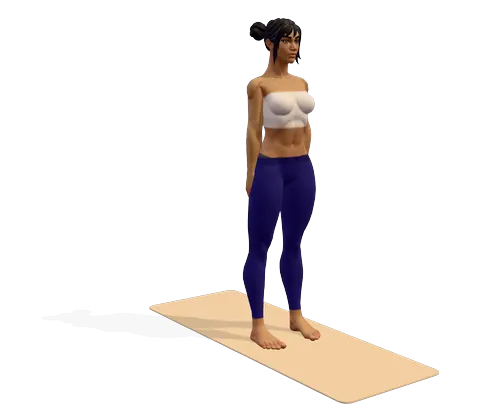 Mountain PoseTadasana
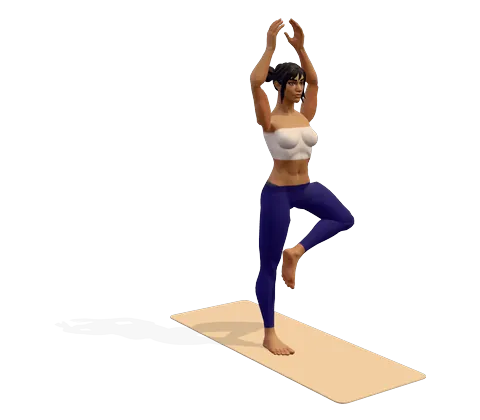 Tree PoseVrikshasana
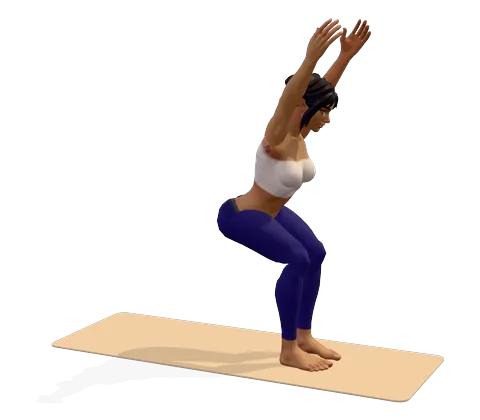 Chair PoseUtkatasana
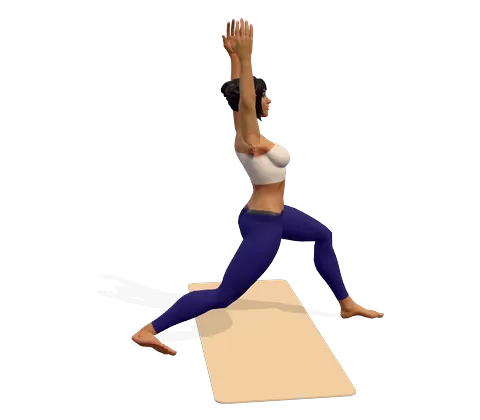 Warrior I PoseVirabhadrasana I
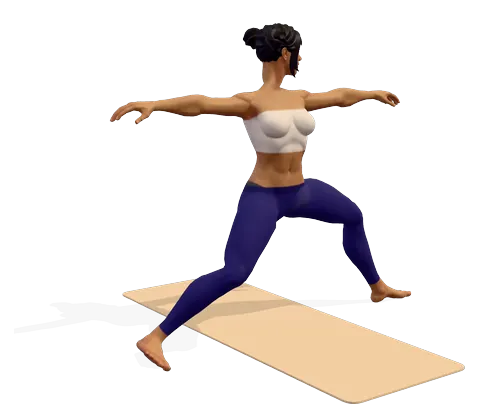 Warrior II PoseVirabhadrasana II
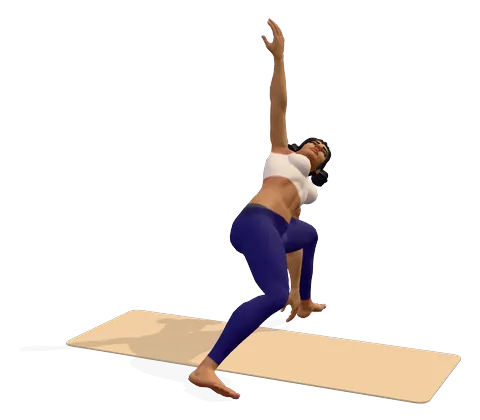 Triangle PoseTrikonasana
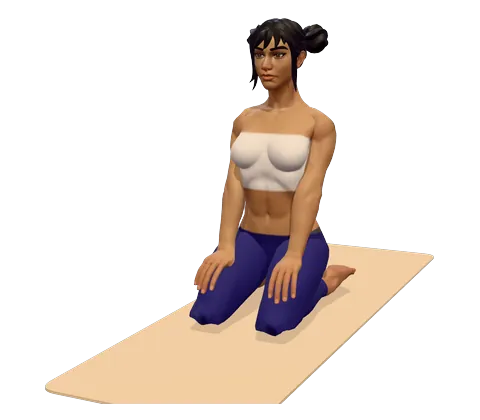 Thunderbolt PoseVajrasana
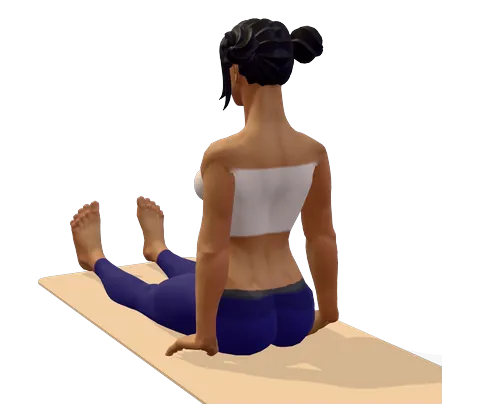 Staff PoseDandasana
More poses that help with flat feet
Add these once the session above feels easy, or swap one in when a pose does not suit you.
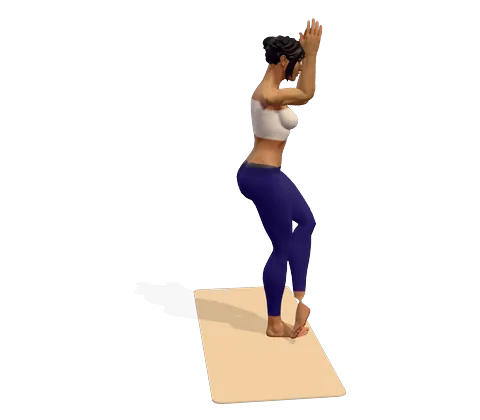 Eagle PoseGarudasana
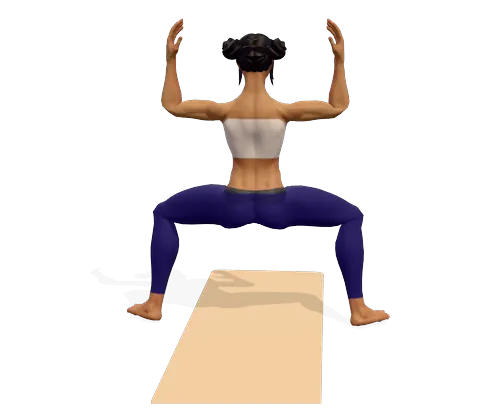 Goddess PoseUtkata Konasana
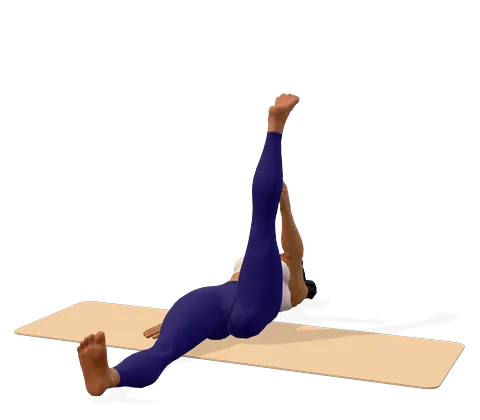 Reclining Hand-to-Big-Toe PoseSupta Padangusthasana
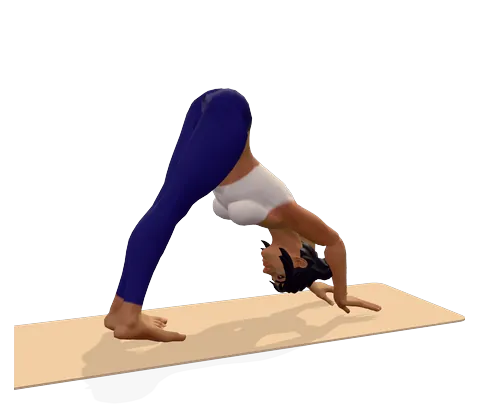 Downward-Facing Dog PoseAdho Mukha Svanasana
Mudras for flat feet
Hold a mudra while you sit for the breathing practice or a few minutes of quiet. Mudras are a traditional practice; research on them is limited.
Breathing practice
Avoid
Forcing the arch through pain. See a doctor for a flat foot that is painful, stiff, or new in an adult, or one foot that flattens more than the other.
Traditional practice: Used in classical yoga therapy; few clinical trials so far.
Yoga for flat feet starts where most yoga does not: with the soles of your feet. Standing poses ask the small muscles under the arch, the ankles and the hips to work together, and that teamwork is exactly what a flat or fallen arch lacks. The session above uses Mountain pose, Tree, Chair, the Warrior poses, Triangle and Thunderbolt to build that control, and this page adds the foot exercises that train the arch directly. Yoga will not reshape the bones of your foot, but it may make flat feet stronger, steadier and less achy.
See a doctor if your flat feet are painful, stiff or numb, if one foot is flatter than the other, if the arch has dropped recently as an adult, or if you often sprain your ankle or have trouble walking or balancing.
What are flat feet, and do they matter?
Flat feet (pes planus, or fallen arches) means the inner arch of the foot is low or touches the floor when you stand. There are two main kinds:
- Flexible flat feet: the arch appears when you sit or stand on your toes and flattens when you stand. This is the common type and usually harmless.
- Rigid or acquired flat feet: the arch stays flat all the time, or it collapses in adult life, often on one side, from a weak or damaged tendon on the inner ankle. This needs a medical check.
According to the NHS, flat feet do not usually cause problems and should not stop you doing any activity, including sports. Some people do get aching in the feet, ankles or lower legs, or shoes that wear out quickly. So what are flat feet good for, and are there benefits of having flat feet? For most people they are simply a normal variation, not a defect to fix.
Is yoga good for flat feet?
Yoga can be a good fit, especially for flexible flat feet with mild aching. The evidence level here is "traditional": there are no trials of yoga for flat feet. There is research on foot exercises that yoga teachers have used for years, such as lifting the arch while standing:
- A 2023 systematic review of 9 randomised trials of the "short foot exercise" (pulling the ball of the foot towards the heel to lift the arch) found that 4 of the 6 studies measuring the arch reported improvement, mostly with at least 5 weeks of practice.
- In a trial of 45 women with flexible flat feet, 6 weeks of daily short foot exercises, with or without hip strengthening, or a mix of strengthening, stretching and balance work, all reduced arch drop. Adding hip exercises gave the best result.
The hip finding matters for yoga: poses like Tree, Warrior II and Chair strengthen the hip muscles that stop the knee rolling in, which in turn helps the arch. The foot exercises further down are exercises to strengthen flat feet more directly.
Yoga for flat feet: before and after. Do not expect a visibly high arch after a few weeks. The studies measured small changes in arch height. What most people notice first is better balance and less tired, aching feet.
Yoga poses for flat feet: why each one is in the plan
Mountain pose: learning to stand on the whole foot
Mountain pose is the most useful pose for flat feet. Stand with feet hip-width apart. Lift and spread all ten toes, then lay them down again. Feel three points under each foot: the ball of the big toe, the ball of the little toe and the centre of the heel. Press those three down and feel the inner arch lift a little, without rolling onto the outer edges. Iyengar yoga for flat feet teaches this same action in every standing pose.
Tree pose: arch and hip together
Tree pose puts all your weight on one foot. The arch has to work to keep you steady, and the outer hip works to keep the pelvis level. Keep the standing knee pointing forward, not rolling in, and use a wall if you wobble.
Chair pose: knees over toes
Chair pose trains the thighs and ankles. Watch your knees: if they fall inward, your arches collapse with them. Press the outer knees gently outward while keeping the big toe mounds down.
Warrior I, Warrior II and Triangle
Warrior I stretches the calf of the back leg, and a tight calf is common with flat feet, pulling the foot into a flatter position. Warrior II and Triangle strengthen the hips and ask the back foot to hold its arch while the outer edge presses down.
Thunderbolt and Staff pose: stretching the feet
Thunderbolt pose (Vajrasana), kneeling and sitting on your heels, stretches the front of the ankles and the tops of the feet. Put a folded blanket under your shins if it is too strong. In Staff pose, sit with legs straight, pull the toes back towards you and then point them, to wake up the muscles of the feet and ankles.
Foot exercises for flat feet and fallen arches
These foot exercises for flat feet train the arch directly. They are also exercises for people with flat feet who never do yoga: physio for flat feet usually includes several of them as physical therapy exercises for flat feet, and the NHS says a specialist may recommend foot stretches and exercises as flat feet treatment exercises. The same PT exercises for flat feet suit fallen arches and collapsed arches. Do them barefoot, once or twice a day; they take about five minutes.
Short foot exercise (arch doming)
Sit with one foot flat on the floor. Without curling your toes, slide the ball of the foot towards the heel so the arch rises into a small dome. Hold for about five seconds, relax and repeat. Once it is easy sitting, do it standing, then on one leg. This is the best studied of all exercises to strengthen fallen arches, and the simplest exercise to strengthen the arch of the foot.
Toe yoga for flat feet
Standing, lift only your big toes while the other toes stay down, then press the big toes down and lift the four smaller toes. It is harder than it sounds. Toe yoga trains control of the small foot muscles, and it is also good foot yoga for flat feet in children.
Yoga block exercises for flat feet
- Heel raises with a block: hold a yoga block or small ball between your ankles and rise onto your toes. The block stops the ankles rolling out, so the arch lifts as you rise.
- Arch rolls: sitting, roll the sole of your foot slowly over the edge of a block or a small ball. This is how to stretch your arch in foot comfortably.
- Towel or cloth pull: scrunch a towel towards you with your toes.
Stretches for flat feet
Foot exercises for arch pain start with the calves. Stretch your calves daily, using the back leg of Warrior I or a wall calf stretch with the heel down. If you need exercises for arch pain in the sole, sit and pull your toes back with your hand to stretch the sole. Downward-Facing Dog, from the extra poses list, stretches both calves at once.
Flat feet exercises for kids
Most babies and toddlers have flat feet. The NHS notes that children usually develop arches between 3 and 10 years of age, and that flexible flat feet in children rarely need treatment. Yoga for flat feet for kids is about play, not correction: walking on tiptoes and heels, picking up marbles with the toes, Tree pose and animal walks all build foot strength. Barefoot play on safe, varied ground helps too.
See a doctor if a child has painful or stiff feet, walks unusually, trips often, or has one foot flatter than the other. Our guided sessions include a Yoga for Kids session that children can follow.
Exercises for flat feet in adults
How to strengthen flat feet as an adult? Flat foot exercises for adults, like any flat foot physiotherapy exercises, follow the same plan, with more attention to strength and balance. If your arches have dropped recently, or only on one side, see a doctor before you start. An acquired flat foot can mean the tendon that supports the arch is weakening, and early treatment matters.
How to deal with flat feet day to day? Wear supportive, well-fitting shoes with a low heel, and ask a podiatrist or physiotherapist whether insoles would help. Yoga for flat feet running: strong feet and hips help runners, but change your training load slowly and see a specialist for pain.
What to avoid
- Forcing the arch. Lift it with muscle, not by rolling onto the outer edges of the feet.
- Pushing through pain. Mild muscle tiredness is fine; sharp pain in the arch, heel or inner ankle is not.
- Too much too soon. Long standing holds and jumping can overload tired feet. Build up slowly.
- Long kneeling in Thunderbolt if your ankles or knees complain. Use props or keep it short.
If you also have heel pain, see yoga for plantar fasciitis. Knee pain that comes with flat feet may improve with the hip work above; see yoga for knee pain too.
How to improve flat feet: a simple weekly plan
How to correct fallen arches completely is not realistic for most adults, but exercises to correct fallen arches can improve how the foot works. This plan combines foot therapy exercises for flat feet with the yoga session and works for most yoga for flat foot problems.
| When | What | Time |
|---|---|---|
| Every day | Short foot exercise, toe yoga, heel raises with a block | 5 minutes |
| 3 to 5 days a week | The guided session on this page | 15 to 20 minutes |
| Most days | Calf and arch stretches | 2 to 3 minutes |
These exercises for flat feet or fallen arches take time: keep going for at least 5 to 6 weeks before you judge the result; that is the time frame in which most arch studies saw changes. Breathing steadily with box breathing in the balance poses helps you stay steady.
Practise with the 3D guide
Start the session at the top of this page: the 3D teacher shows every pose, you can rotate her to check that her knees track over her toes, and the voice guides you in 28 languages. Practise barefoot on a non-slip mat.
Research behind this plan
- Hara 2023, Journal of Back and Musculoskeletal Rehabilitation — systematic review of 9 RCTs: short foot exercises improved the medial longitudinal arch in 4 of 6 studies, mostly with at least 5 weeks of practice
- Zarali 2024, BMC Sports Science, Medicine and Rehabilitation — randomised trial in 45 women with flexible flat feet: 6 weeks of short foot exercises, with or without hip abduction, or combined exercises reduced navicular drop; adding hip work was most effective
- NHS — Flat feet: usually no problem, when to see a GP, treatment including foot stretches and exercises, arches in children
Frequently asked questions
Is yoga good for flat feet?
Yoga can help flexible flat feet by strengthening the small muscles of the feet, the ankles and the hips, and by improving balance. It will not change the bones, and painful or rigid flat feet need a doctor's check first.
Can exercises fix flat feet?
Exercises may lift the arch a little and reduce aching, especially the short foot exercise done for at least 5 weeks. They will not create a high arch, and most flat feet do not need fixing if they are pain-free.
What are the best exercises for flat feet?
The short foot exercise (arch doming), toe yoga, heel raises with a block between the ankles, calf stretches, and standing poses like Mountain, Tree and Warrior II.
How do I strengthen the arch in my foot?
Practise the short foot exercise daily: slide the ball of the foot towards the heel without curling the toes, so the arch lifts. Progress from sitting to standing to one leg.
Do children with flat feet need exercises?
Usually not. Most children develop arches between 3 and 10 years of age. Active play, walking barefoot on safe ground and simple toe games are enough. See a doctor if the feet are painful or stiff.
When should an adult see a doctor for flat feet?
If the feet are painful, stiff or numb, if one foot is flatter than the other, or if the arch has dropped recently. An adult-acquired flat foot can mean a weakening tendon.
Can flat feet cause knee or back pain?
Sometimes. When the arch collapses, the knee can roll inward, which may add strain to the knee and hip. Strengthening the feet and hips often helps.
Medical note: yoga supports treatment; it does not replace it. Keep taking prescribed medicine and talk to your doctor before you start, especially with heart disease, uncontrolled blood pressure, recent surgery, pregnancy, epilepsy or severe pain. Read our medical disclaimer.