Your panic attacks yoga plan
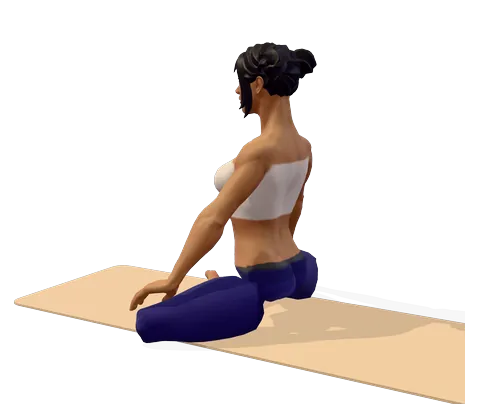 Easy PoseSukhasana
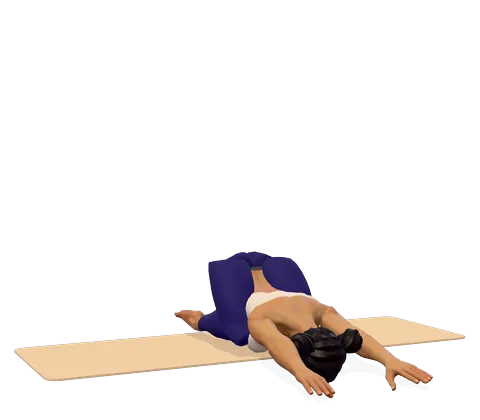 Child’s PoseBalasana
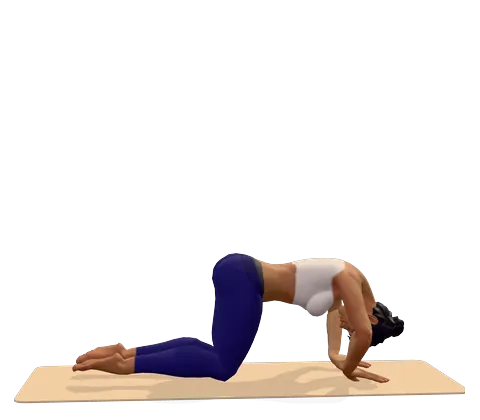 Cat PoseMarjaryasana
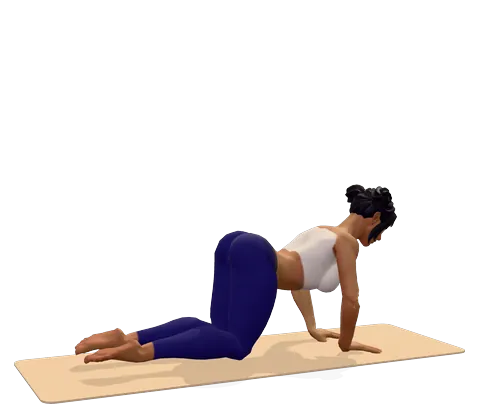 Cow PoseBitilasana
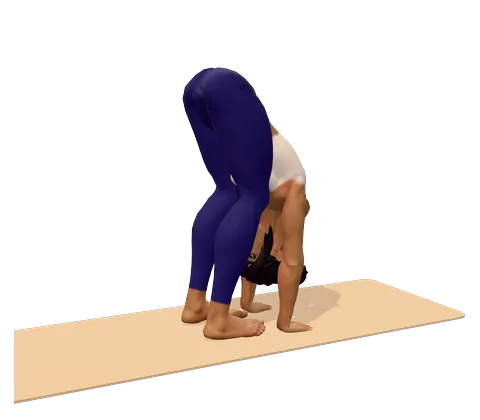 Standing Forward BendUttanasana
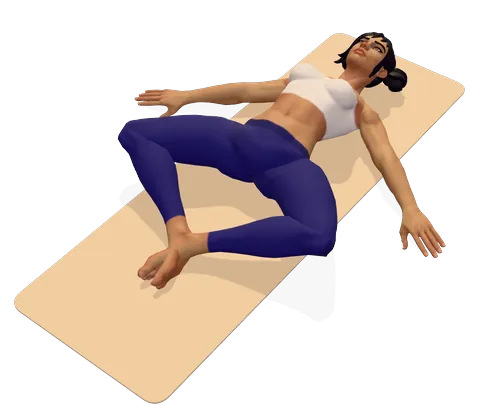 Reclining Bound Angle PoseSupta Baddha Konasana
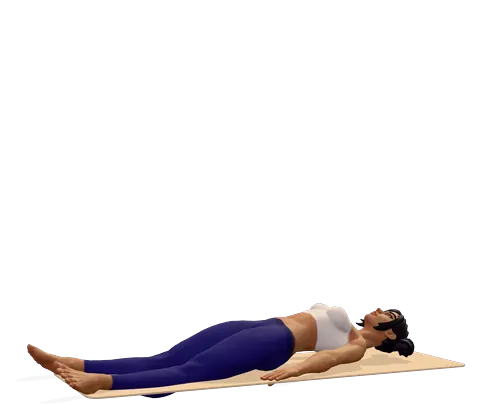 Corpse PoseSavasana
More poses that help with panic attacks
Add these once the session above feels easy, or swap one in when a pose does not suit you.
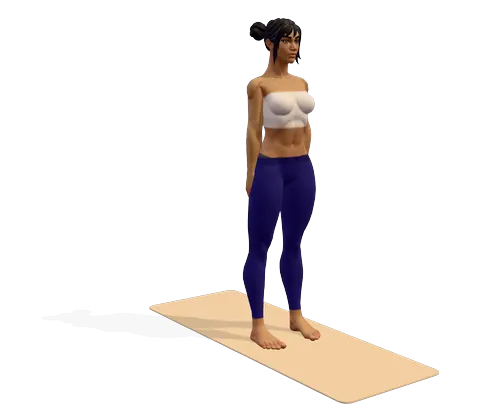 Mountain PoseTadasana
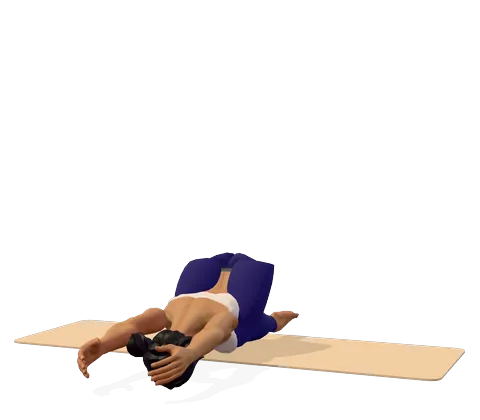 Hare PoseShashankasana
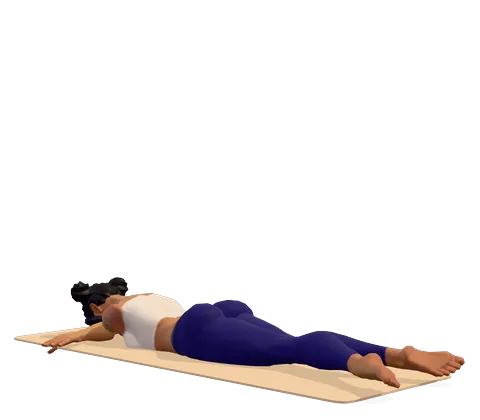 Crocodile PoseMakarasana
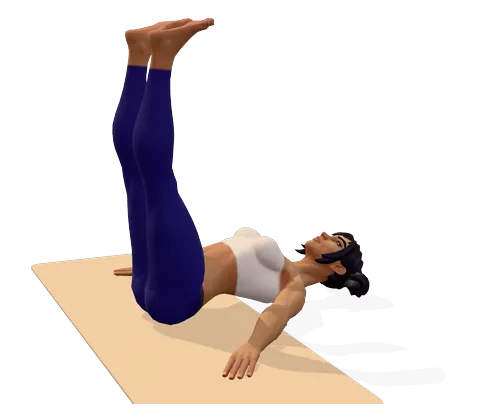 Legs-Up-the-Wall PoseViparita Karani
Mudras for panic attacks
Hold a mudra while you sit for the breathing practice or a few minutes of quiet. Mudras are a traditional practice; research on them is limited.
Breathing practice
Avoid
Kapalbhati, Bhastrika and breath holds, which can trigger panic. See a doctor to rule out heart causes of chest pain.
Emerging evidence: Small or early trials look promising.
Guided meditation for panic attacks
Breath Awareness Meditation (10 min, voice in 28 languages) · Five-Minute Meditation (5 min, voice in 28 languages)
Yoga for panic attacks is not about bending further or breathing harder. It teaches your body a slower rhythm — a longer out-breath, grounded feet and hips, and rest — so the rush of a panic attack has somewhere to settle. This page covers what to do in the moment, the poses in the guided session, the breathing that helps and the breathing that can make things worse, and what the research says. Yoga supports therapy and medicine; it does not replace them.
What happens in a panic attack, and how yoga helps
A panic attack is a sudden surge of fear with strong body symptoms: a racing heart, fast shallow breathing, tingling hands, dizziness, chest tightness and the feeling that something terrible is about to happen. It usually peaks within about ten minutes and then fades. It feels dangerous, but a panic attack itself is not harmful.
Part of the spiral is breathing. When you breathe fast, you blow off too much carbon dioxide, which causes tingling and light-headedness — and those sensations feed the fear. How does yoga help with anxiety like this? In three ways:
- A slower, longer exhale gently shifts the nervous system towards its "rest and digest" side and corrects over-breathing.
- Grounding — feeling the floor under your feet, hips or hands — gives the mind something real and steady to notice.
- Practice when calm makes these skills automatic, so they are there when panic starts.
Breathing exercises for panic attacks: what to do in the moment
The best breathing for panic attacks is slow and soft, with the out-breath longer than the in-breath. You do not need big, deep breaths — deep breathing during a panic attack can actually make over-breathing worse. Try this:
- Sit down if you can, or stand with your back against a wall. Feel both feet on the floor.
- Breathe in gently through your nose for a count of about 3 or 4.
- Breathe out slowly through pursed lips for a count of about 5 or 6, as if blowing on hot tea.
- Rest one hand on your belly and feel it move. Keep going for 3–5 minutes.
- Name five things you can see, four you can feel and three you can hear. This is one of the simplest grounding exercises for panic attacks.
This is the same idea behind most panic attack breathing exercises NHS and other health services describe: slow, steady, counted breaths. It is also the closest thing to "yoga for panic attacks fast acting" — within a few minutes most people notice the peak passing.
Breathing to avoid during panic: fast breathing such as Kapalbhati or Bhastrika, and breath holds. Panic attack breathing 4-7-8 and box breathing for panic attack both include a hold; they suit calm practice times, but in the middle of an attack a hold can feel like air hunger. Drop the hold and just lengthen the exhale. Breathing in a paper bag for panic attack is no longer advised — it can lower your oxygen and is risky if the cause is actually a heart or lung problem.
Yoga breathing for panic attacks between episodes
Regular breathing practice on calm days is what makes the in-the-moment skill work. The breathing exercise timer guides each of these with a ring that grows as you breathe in and shrinks as you breathe out.
Sama Vritti (box breathing)
Sama Vritti is equal counts in, hold, out, hold. For panic-prone people, start with a "soft" version: in 4, out 4, with no holds, then add tiny 1–2 second pauses only if they feel comfortable.
Bhramari (humming bee breath)
Bhramari is a gentle hum on the out-breath. The hum naturally slows the exhale, and the vibration gives a busy mind something to feel. Many people find it one of the most calming techniques for panic attacks.
Nadi Shodhana (alternate-nostril breathing)
Nadi Shodhana asks for just enough focus to crowd out worry. Practise it without any breath hold. If closing a nostril makes you feel short of breath, keep both nostrils open and simply imagine the breath moving side to side.
Yoga poses for panic attacks: why each one is in the session
The guided session above is a short yoga routine for panic attacks. The poses keep you close to the ground, move slowly and never squeeze the chest; only the forward bend lowers your head, and you can keep that one small.
Easy pose (Sukhasana)
Easy pose starts the session: sitting bones heavy, spine tall, hands resting on the knees. Sit on a folded blanket so your knees are lower than your hips. If sitting on the floor is uncomfortable, sit on a chair with both feet flat.
Child's pose (Balasana)
Child's pose folds you inward and lets you feel your back ribs move with each breath. If resting your forehead down feels closed-in, stack your fists and rest your forehead on them, or widen your knees.
Cat and cow (Marjaryasana–Bitilasana)
Cat and cow link movement to breath: round on the out-breath, gently arch on the in-breath. This is a good choice when you feel too restless to be still — the body gets to move, but in a slow, predictable way.
Standing forward bend (Uttanasana)
In standing forward bend, bend your knees generously and let your head hang loose. Come up slowly, rolling through the spine, head last. If you get dizzy easily, rest your hands on a chair seat and keep your head level with your hips.
Reclining bound angle (Supta Baddha Konasana)
Reclining bound angle opens the chest while the body is fully supported. Put cushions under your knees so the inner thighs do not strain.
Corpse pose (Savasana)
Corpse pose finishes the session. If lying still with eyes closed brings up unease, keep your eyes open with a soft gaze, bend your knees, or lie on your side. You are always in control of the pace.
Is yoga good for panic attacks? What the research says
The evidence is emerging, which means promising but not yet strong. In a small 2014 trial in Brazil, 20 adults with panic disorder did either a yoga programme or yoga followed by cognitive behavioural therapy (CBT) for two months. Both groups showed lower anxiety, fewer panic-related beliefs and less fear of body sensations; the yoga-plus-CBT group improved most.
These trials are small, so they cannot prove how much yoga helps on its own. The best therapy for panic attacks remains CBT, sometimes with medicine. How to treat panic attacks in therapy usually includes learning that the body sensations are safe — and yoga's slow breathing and body awareness fit neatly alongside that work. Wider reviews show that yoga can reduce general anxiety, which is why does yoga reduce anxiety is usually answered "yes, modestly".
Panic attacks vs panic disorder: yoga for panic attacks, not panic disorder, simply means occasional attacks. Many people have one or two in their life. Panic disorder is repeated, unexpected attacks plus constant worry about the next one. Both can benefit from this practice, but panic disorder deserves professional treatment.
A weekly plan and yoga for panic attacks in the morning
Many people wake with a jolt of anxiety. A few minutes of yoga for panic attacks in the morning — before checking your phone — sets a slower pace for the day. Try this week:
| Day | Practice | Time |
|---|---|---|
| Monday | Guided session + 3 minutes of humming bee breath | 15 min |
| Tuesday | Morning: soft box breathing (no holds) on the timer | 5 min |
| Wednesday | Guided session, longer hold in child's pose | 12 min |
| Thursday | Guided Yoga Nidra, eyes open if you prefer | 10–20 min |
| Friday | Cat–cow and easy pose, then Nadi Shodhana without holds | 10 min |
| Saturday | A walk outside, then 3 minutes of pursed-lip breathing | 20 min |
| Sunday | Rest, or the practice you liked best | 5–10 min |
Yoga Nidra for panic attacks can be very helpful because it is guided rest with nothing to achieve. Calming meditation for panic attacks works the same way: short sits, eyes open, attention on the breath or on sounds. Use the meditation timer for 3–5 minutes to start.
Yoga for anxiety and panic attacks for beginners, women and kids
Beginners: you do not need to be flexible. Keep every pose small, and stop anything that makes you feel trapped, hot or dizzy. The yoga for beginners guide covers the basics.
Women: panic attacks are more common in women than in men. Yoga for panic attacks female-specific needs are mostly practical — if attacks cluster before your period or during perimenopause, note it in your practice log and tell your doctor.
Kids: yoga for panic attacks for kids should be playful: "smell the flower, blow out the candle" breathing, bee humming, and child's pose as a "turtle shell". Never use breath holds with young children, and talk to a doctor if panic affects school or sleep.
Kundalini yoga for panic attacks: some Kundalini practices use fast "breath of fire" — skip those. The slow, meditative parts are fine.
Yoga for panic attacks side effects and when to get help
Yoga is generally safe, but some parts can backfire: fast or forceful breathing, long breath holds, hot rooms and long holds with eyes closed. Somatic exercises for panic attacks — noticing body sensations — can sometimes feel intense at first; keep them short and open your eyes if you need to.
See a doctor first if you have chest pain, a racing or irregular heartbeat, fainting or breathlessness that has not been checked — these can have heart or lung causes and should not be assumed to be panic. Call your local emergency number if chest pain is severe or new. Also get help if attacks are frequent, if you avoid places because of them, or if you have thoughts of harming yourself.
For wider worry, see yoga for anxiety; if panic wrecks your nights, yoga for sleep offers a bedtime routine.
पैनिक अटैक के लिए योग (panic attack ke liye yoga): घबराहट होने पर बैठ जाएँ, पैर ज़मीन पर रखें। नाक से धीरे 4 गिनती तक साँस लें और होंठ सिकोड़कर 6 गिनती तक छोड़ें। रोज़ बालासन, मार्जरी आसन और शवासन करें, और भ्रामरी प्राणायाम 3–5 मिनट करें। कपालभाति, भस्त्रिका और साँस रोकना न करें। सीने में दर्द हो तो पहले डॉक्टर को दिखाएँ।
Start gently: press play on the guided 3D session at the top of this page. Follow the saffron ring on the mat with your breath — let it be slow, and let the out-breath be the longest part.
Research behind this plan
- Vorkapic & Rangé 2014, Frontiers in Psychiatry — trial in 20 adults with panic disorder: yoga alone and yoga plus CBT both reduced panic symptoms; the combination helped most
- NCCIH (US National Institutes of Health) — Yoga: what you need to know, including anxiety and safety
Frequently asked questions
Is yoga good for panic attacks?
It can help. Small trials suggest yoga reduces panic symptoms, especially when combined with cognitive behavioural therapy. It works best as regular practice between attacks, alongside professional care.
What is the best breathing exercise to stop a panic attack?
Sit or stand with your feet on the floor, breathe in gently through the nose for about 4 counts and out through pursed lips for about 6. Keep it soft, not deep, for 3–5 minutes. Avoid breath holds and fast breathing during an attack.
Which yoga poses are best for panic attacks?
Grounded, gentle poses: easy pose, child's pose, cat–cow, a soft standing forward bend with bent knees, reclining bound angle and corpse pose. Keep your head above or level with your heart and move slowly.
Should I breathe into a paper bag during a panic attack?
No. It is no longer recommended because it can lower oxygen levels and is unsafe if the symptoms are actually caused by a heart or lung problem. Slow pursed-lip breathing is safer.
Can yoga make panic attacks worse?
Sometimes. Fast breathing such as Kapalbhati or Bhastrika, long breath holds, heated rooms and lying still with eyes closed can trigger panic in some people. Choose slow breathing and keep your eyes open if you prefer.
How do I calm down a panic attack quickly?
Sit down, feel your feet, slow your out-breath and name things you can see and hear. Remind yourself the attack will peak and pass, usually within ten minutes.
What is the best therapy for panic attacks?
Cognitive behavioural therapy (CBT) is the first-line treatment, sometimes with medicine. Yoga is a helpful addition, not a replacement. Talk to a doctor if attacks are frequent.
Medical note: yoga supports treatment; it does not replace it. Keep taking prescribed medicine and talk to your doctor before you start, especially with heart disease, uncontrolled blood pressure, recent surgery, pregnancy, epilepsy or severe pain. Read our medical disclaimer.