Your sinusitis and allergies yoga plan
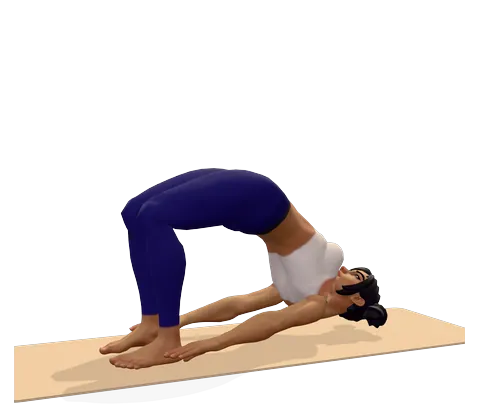 Bridge PoseSetu Bandhasana
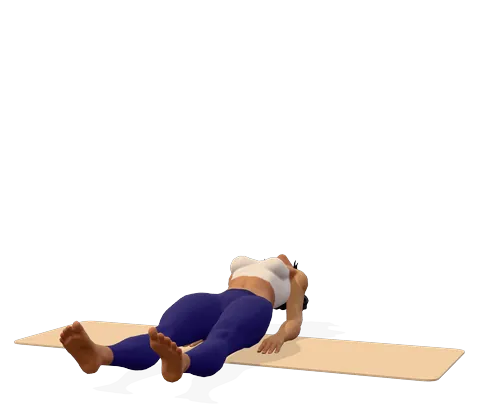 Fish PoseMatsyasana
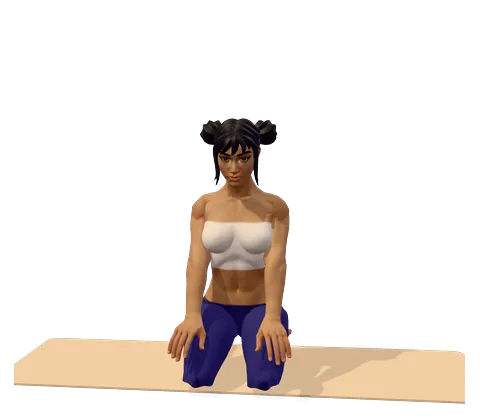 Lion PoseSimhasana
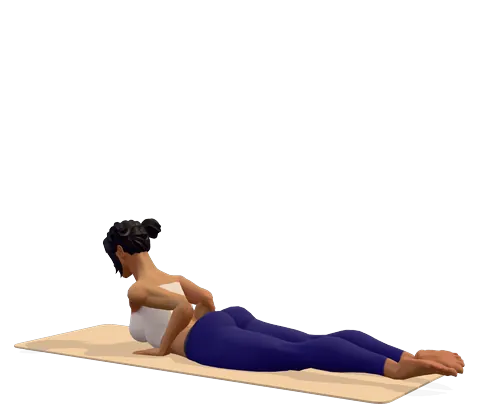 Cobra PoseBhujangasana
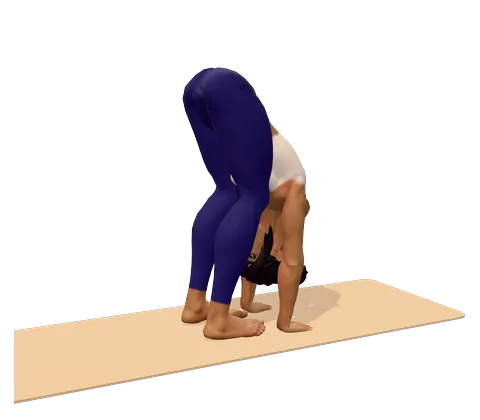 Standing Forward BendUttanasana
More poses that help with sinusitis and allergies
Add these once the session above feels easy, or swap one in when a pose does not suit you.
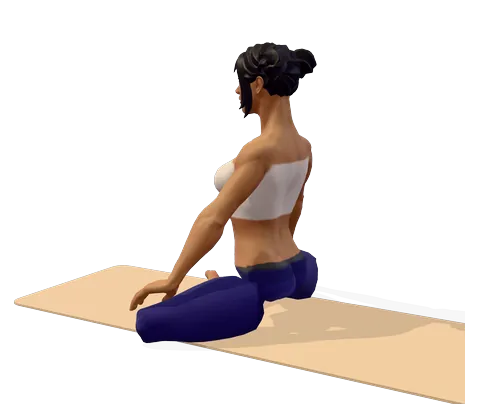 Easy PoseSukhasana
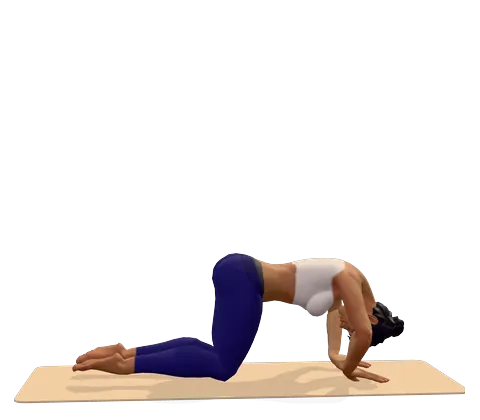 Cat PoseMarjaryasana
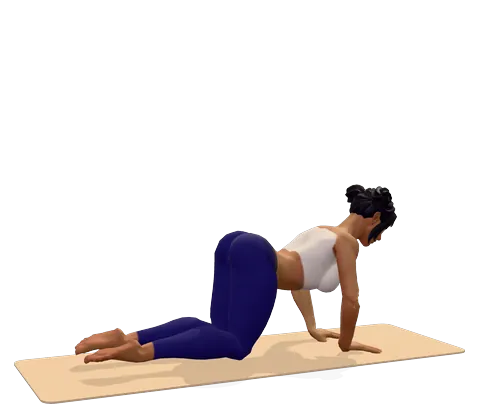 Cow PoseBitilasana
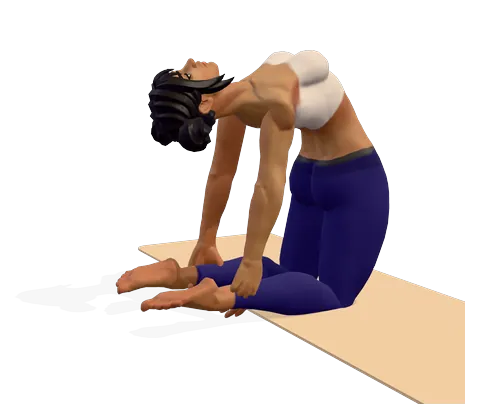 Camel PoseUstrasana
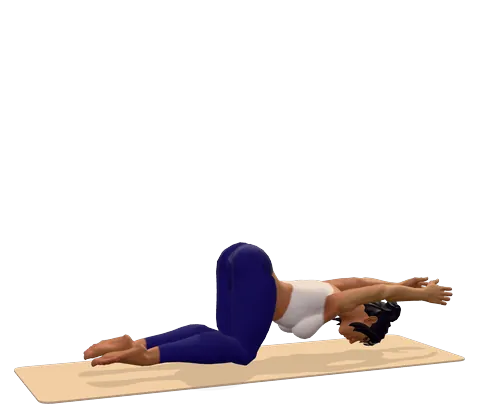 Extended Puppy PoseAnahatasana
Mudras for sinusitis and allergies
Hold a mudra while you sit for the breathing practice or a few minutes of quiet. Mudras are a traditional practice; research on them is limited.
Breathing practice
Avoid
Forward folds and inversions when your head feels heavy and blocked.
Traditional practice: Used in classical yoga therapy; few clinical trials so far.
Yoga for sinus problems — sinusitis, a blocked nose and allergies such as hay fever — is a traditional mix of three things: gentle poses that keep the head upright and the chest open, breathing practices like humming, and nasal cleansing with salt water (Jala Neti). None of these cures sinusitis, but together they may ease sinus pressure and congestion and help you breathe more comfortably. This page explains what each part does, what the research says, how to do the plan safely, and exactly how to make Jala Neti safe.
Most sinusitis clears up on its own within a few weeks. Keep using any nasal spray, antihistamine or other medicine your doctor or pharmacist has recommended, and use yoga alongside it.
Can yoga help sinus problems?
Yoga can help with the symptoms of sinus problems, not the cause, so the sinus yoga benefits are about comfort. Here is how it may help your sinuses:
- Humming moves air through the sinuses. A small laboratory study in 10 healthy people found that humming raised nitric oxide in the nose about 15-fold compared with quiet breathing, which the authors linked to better air exchange between the nose and the sinuses. That is a lab finding, not a treatment trial — but it is a good reason to add humming bee breath.
- Salt-water rinsing clears mucus. Rinsing the nose with saline, which is what Jala Neti is, can wash out mucus and allergens.
- Upright, chest-opening poses keep the head above the heart and make breathing feel easier when you are congested.
- Calm and sleep. Allergy season and blocked sinuses disturb sleep; slow breathing and resting poses switch on the parasympathetic nervous system (the body’s “rest” mode) and help you sleep.
Can sinus be cured by yoga? No. There is also no pose proven to drain the sinuses, whatever you read about yoga for sinus drainage. The honest answer is that yoga therapy for sinusitis may make you more comfortable while your body and your sinusitis treatment do the work.
What the research says
Yoga for sinusitis is a traditional practice: there are very few trials of yoga poses for sinus problems. The best evidence is for the salt-water part. A Cochrane review of saline irrigation for chronic rhinosinusitis found some benefit from daily, large-volume salt-water rinses compared with placebo, although the quality of the evidence was low. The humming finding above comes from a single small lab study. Treat this plan as supportive self-care, and see a doctor if symptoms are severe or keep coming back.
Yoga poses for sinus pressure and congestion
These yoga asanas for sinus problems are in the plan above, and they double as gentle exercises to relieve sinus pressure and pain. The main rule: when your head feels heavy and blocked, skip forward folds and anything that puts your head below your heart — they usually make sinus pressure feel worse. The best yoga poses for head congestion keep you upright.
1. Cobra pose — lift the chest, head up
Cobra pose (Bhujangasana): lie on your front, hands under your shoulders, and lift the chest on an in-breath. The head stays above the heart and the chest opens. Hold for three slow breaths through the nose if it is clear, or through the mouth if not.
2. Supported fish pose — open the chest and throat
Fish pose (Matsyasana): lie back over a folded blanket under your shoulder blades, with a pillow supporting your head. This supported version opens the chest without letting the head drop, so it suits a congested day.
3. Lion pose — release the face and jaw
Lion pose (Simhasana): breathe in through the nose, then open the mouth wide, stretch the tongue down and breathe out with a “haaa”. It stretches the face and jaw and relaxes the throat. Two or three rounds are enough.
4. Bridge pose — only when your head feels clear
Bridge pose (Setu Bandhasana) brings the head slightly lower than the hips. Keep the lift low, and skip it when your sinuses throb or your head feels full.
5. Standing forward bend — only on clear days
Standing forward bend (Uttanasana) hangs the head down, so leave it out while congested. On a clear day, try a half forward fold with your hands on a chair and your head level with your hips.
Breathing exercises for sinusitis and a stuffy nose
- Bhramari (humming bee breath) — the first choice for sinus blockage and the gentlest way to clear sinuses with the breath. Breathe in, then hum on a long out-breath for 5–10 rounds. You may feel a gentle buzz in the face and forehead.
- Anulom Vilom (alternate nostril breathing) — slow breathing through one nostril at a time, when your nose is clear enough. Do not force air through a fully blocked nostril.
- Bhastrika (bellows breath) — traditionally used to clear the nose, but only a slow, gentle version and only if you are healthy otherwise. Skip it with high blood pressure, heart disease, pregnancy, epilepsy, a hernia, a nosebleed, a fever or when you feel light-headed.
A warm shower before practice can loosen mucus. To hydrate your sinuses, drink enough fluids and breathe warm, moist air — simple natural ways to open up your sinuses. Use the breathing exercise timer to keep the pace slow.
Jala Neti safely: sterile or boiled-and-cooled water only
Jala Neti — rinsing the nose with salt water from a small pot — is one of the classical cleansing practices (shatkarma) and the part of this plan with the most evidence. It is also the part with a real safety rule.
Never use water straight from the tap. Tap water can contain organisms, including rare amoebas, that are harmless to drink but can cause serious, sometimes fatal, infections when rinsed into the nose. The US FDA and CDC advise using only: distilled or sterile water from a shop; or tap water boiled and then cooled until lukewarm — the CDC says boil for at least 1 minute (3 minutes above 6,500 feet), and the FDA says 3–5 minutes; or, according to the FDA, water passed through a filter designed to trap infectious organisms.
- Mix the water with a saline sachet or the amount of non-iodised salt your device’s instructions give. It should be lukewarm, never hot.
- Lean over a sink, tilt your head to one side and pour slowly into the upper nostril, breathing through your mouth, so water flows out of the lower nostril. Repeat on the other side.
- Blow your nose gently, one side at a time.
- Wash the pot, dry it with a paper towel or let it air-dry, and do not share it.
Skip Jala Neti with a completely blocked nose, an ear infection, a nosebleed or after recent nose or sinus surgery unless your surgeon has advised rinsing. Children should only use it if their doctor recommends it.
How to do a sinus massage
A gentle sinus massage to relieve pressure takes two minutes, and it is the simplest way to manually relieve and soothe sinus pressure. With your fingertips, make small circles: first beside the nose and along the cheekbones, then on the forehead just above the eyebrows, then pressing gently where the inner eyebrows meet the nose. Use light pressure for 20–30 seconds on each area and stop if anything hurts. Together with saline rinsing, rest and fluids, this nasal massage for sinus pain is one of the sinus home remedies that work for many people.
Yoga for allergies and allergic rhinitis
For seasonal allergies (hay fever) and nasal allergy, the same plan helps, with a few extras that ease and fight allergies. Practise indoors with the windows shut on high-pollen days, rinse your nose and wash your face after being outside, and keep taking the antihistamine or nasal spray your pharmacist or doctor recommends. Slow breathing may also ease the stress and poor sleep that come with allergy season; see yoga for stress. If allergies trigger wheezing, see yoga for asthma as well.
Sinus headache or migraine?
For sinus headache relief, Bhramari, a sinus massage and lying rest are gentle choices. But pain behind the eyes and in the forehead is sometimes migraine rather than sinusitis, especially if it comes with sensitivity to light or nausea and no thick nasal discharge. Ask your doctor if your “sinus headaches” keep returning, and see yoga for migraine. During a headache, choose Bhramari and lying rest, not inversions or forward folds.
Sample weekly routine
| Day | Practice | Time |
|---|---|---|
| Monday | Jala Neti (morning) + guided session on this page | 20 min |
| Tuesday | Bhramari and sinus massage | 5–10 min |
| Wednesday | Cobra, supported fish, lion pose + Anulom Vilom | 15 min |
| Thursday | Jala Neti + Bhramari | 10 min |
| Friday | Guided session (skip bridge and forward bend if congested) | 15–20 min |
| Saturday | Walk outdoors if pollen is low; rinse afterwards | 20–30 min |
| Sunday | Rest; Bhramari before bed | 5 min |
When to see a doctor
See your doctor if symptoms have not improved after about three weeks of self-care, keep coming back, or if a child under 12 seems to have sinusitis. Get help quickly if you feel very unwell, painkillers do not help, symptoms get worse, or you have a weak immune system.
Get emergency care for swelling or redness around the eye, double vision or changes in vision, a severe headache, a stiff neck, confusion or a high fever — these can be signs that an infection is spreading.
साइनस के लिए योग (yoga for sinus in Hindi): भ्रामरी प्राणायाम, भुजंगासन, मत्स्यासन और सिंहासन साइनस के दबाव और बंद नाक में आराम दे सकते हैं। जल नेति केवल डिस्टिल्ड पानी या उबालकर ठंडा किए गए गुनगुने पानी से करें — सीधे नल का पानी कभी न डालें। सिर भारी हो तो आगे झुकने वाले और उल्टे आसन न करें। योग साइनस को जड़ से ठीक नहीं करता; डॉक्टर की दी हुई दवा जारी रखें।
Start the guided sinus session
The session on this page leads you through the poses with a 3D guide and a calm voice in 28 languages. On a congested day, choose the shorter hold time and simply skip bridge and the forward bend — then start the guided session and finish with a few rounds of humming breath.
Research behind this plan
- Chong 2016, Cochrane Database of Systematic Reviews — daily large-volume saline irrigation gave some benefit in chronic rhinosinusitis (low-quality evidence)
- Weitzberg 2002, American Journal of Respiratory and Critical Care Medicine — humming raised nasal nitric oxide about 15-fold in 10 healthy volunteers
- US FDA, Is Rinsing Your Sinuses With Neti Pots Safe? — use distilled, sterile, or boiled and cooled water; never plain tap water
- CDC, How to Safely Rinse Sinuses — rare deaths from rinsing with tap water; boil water for 1 minute (3 minutes at high altitude)
- NHS, Sinusitis — usually clears within 4 weeks; saline rinses as self-care; when to see a GP
Frequently asked questions
Can sinus be cured by yoga?
No. Yoga, humming breath and saline rinsing may ease sinus pressure and congestion, but they do not cure sinusitis. Most sinusitis clears on its own within a few weeks; see a doctor if it does not.
What is the best yoga pose for sinus relief?
Upright, chest-opening poses such as cobra and supported fish, plus lion pose to relax the face. Pair them with Bhramari (humming bee breath). Avoid forward folds and inversions while your head feels blocked.
Does yoga for sinus have side effects?
The poses are low-risk. The main risks are infection from rinsing with unsafe water, and dizziness or nosebleeds from forceful breathing, so follow the water rules and keep Bhastrika gentle.
Is Jala Neti safe?
It is safe when done correctly: use only distilled or sterile water, or tap water that has been boiled and cooled to lukewarm. Never use water straight from the tap, clean and dry the pot after each use, and skip it with a fully blocked nose or an ear infection.
Which breathing exercise clears sinuses?
Humming bee breath (Bhramari) is the gentlest and most useful. Slow alternate nostril breathing helps when the nose is partly clear. A gentle Bhastrika is traditional but not for people with high blood pressure, heart disease, epilepsy or pregnancy.
Does yoga help with allergies?
Yoga does not stop your allergies or an allergic reaction, but slow breathing, saline rinsing and good sleep may ease the stuffy nose and stress of allergy season. Keep taking the allergy medicine your pharmacist or doctor recommends.
How do I massage my sinuses to relieve pressure?
Use your fingertips to make small, gentle circles beside the nose, along the cheekbones and above the eyebrows, for 20–30 seconds each. Stop if it hurts.
Can yoga fix nasal septum deviation?
No. A deviated septum is a structural shape of the nose that yoga cannot change. After sinus surgery, follow your surgeon’s advice on rinsing, bending and exercise before you return to yoga. Breathing practices may still help you feel more comfortable; an ENT specialist can advise on treatment.
Should I do yoga with a sinus infection or cold?
With acute sinusitis, a cold or a cough, gentle breathing and upright poses are fine if you feel well enough. Rest instead if you have a fever, and avoid inversions, hot rooms and strong practices until you recover.
Medical note: yoga supports treatment; it does not replace it. Keep taking prescribed medicine and talk to your doctor before you start, especially with heart disease, uncontrolled blood pressure, recent surgery, pregnancy, epilepsy or severe pain. Read our medical disclaimer.