Your gas and bloating yoga plan
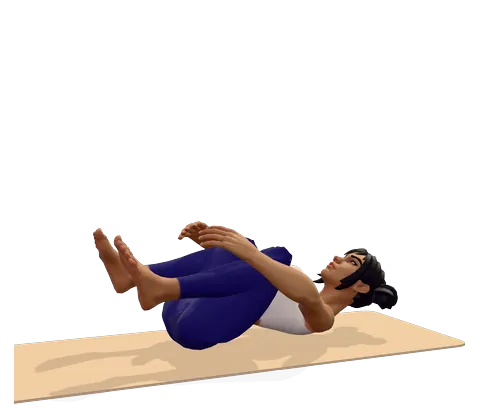 Wind-Relieving PosePavanamuktasana
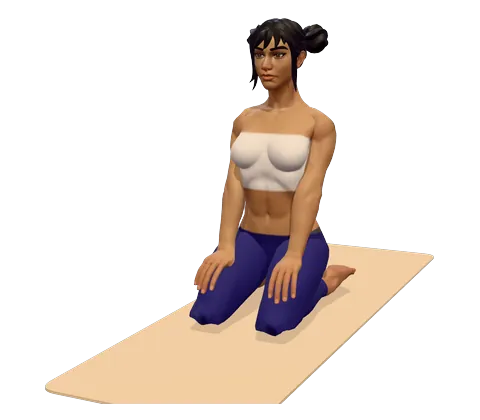 Thunderbolt PoseVajrasana
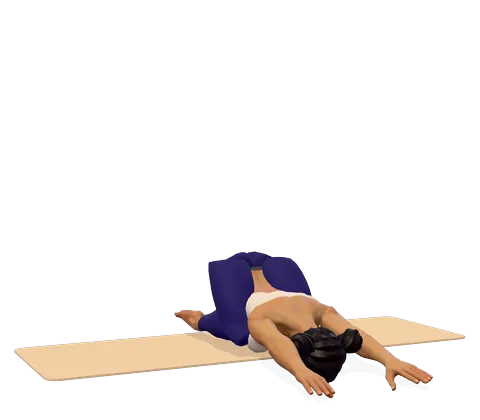 Child’s PoseBalasana
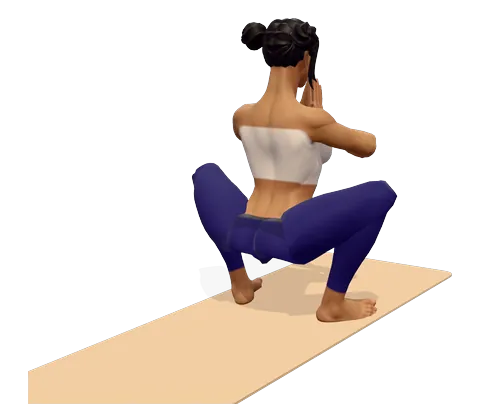 Garland PoseMalasana
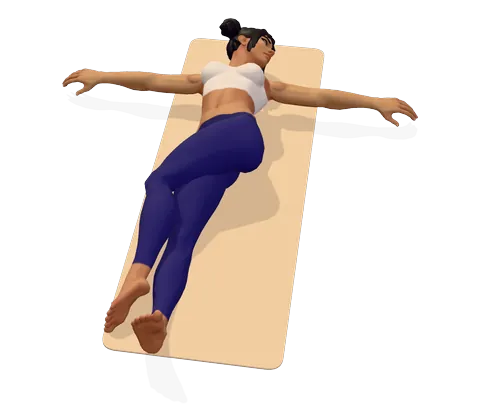 Supine Spinal TwistSupta Matsyendrasana
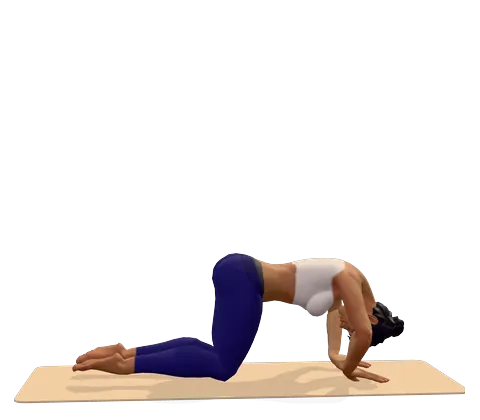 Cat PoseMarjaryasana
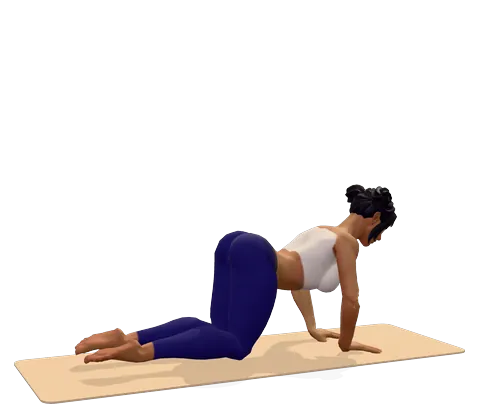 Cow PoseBitilasana
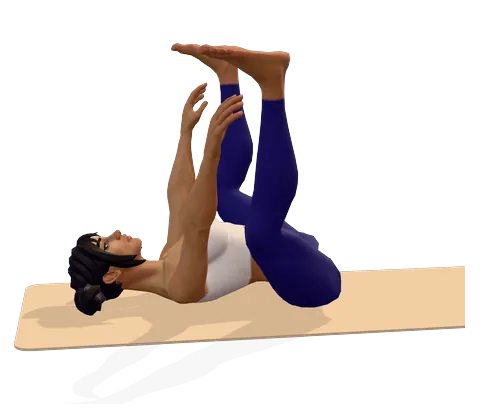 Happy Baby PoseAnanda Balasana
More poses that help with gas and bloating
Add these once the session above feels easy, or swap one in when a pose does not suit you.
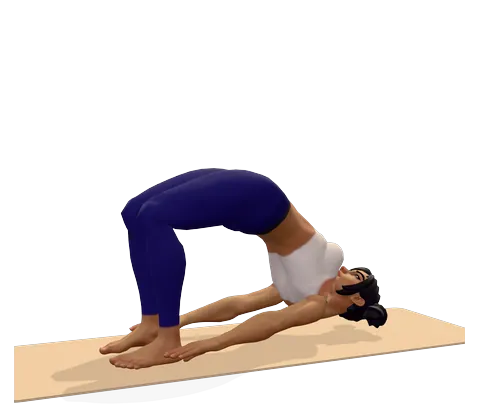
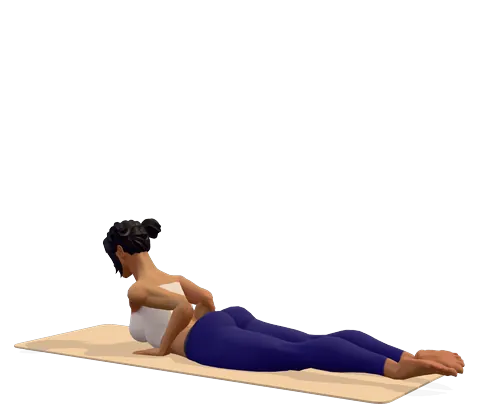
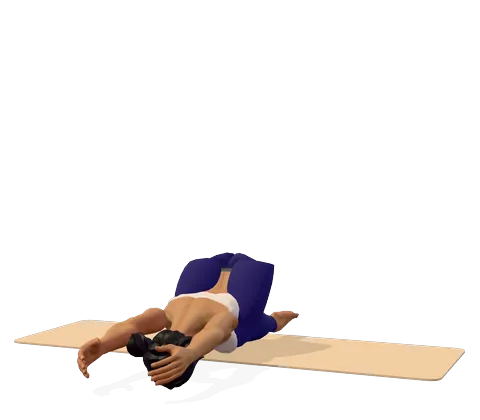
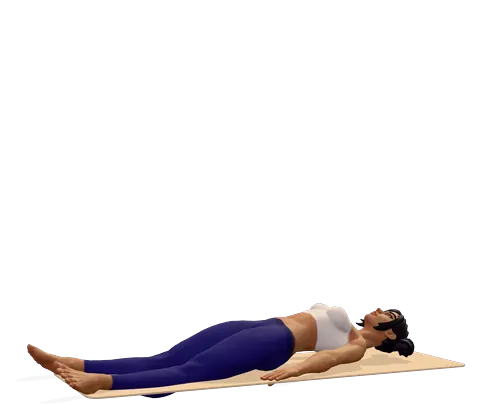
Mudras for gas and bloating
Hold a mudra while you sit for the breathing practice or a few minutes of quiet. Mudras are a traditional practice; research on them is limited.
Breathing practice
Avoid
Ignoring severe belly pain, vomiting or blood in stool; see a doctor.
Traditional practice: Used in classical yoga therapy; few clinical trials so far.
Yoga for gas and bloating uses gentle belly movement, relaxed breathing and a few simple positions to help trapped gas move along and a bloated stomach settle. It is a traditional practice rather than a tested treatment, but it is low-risk, easy to do at home and pairs well with the everyday advice doctors give. Below you will find how it may help, each pose in the session, a short routine for bloating relief, and the warning signs that need a doctor instead of a yoga mat.
Is yoga good for gas? How it may help
Gas is a normal part of digestion. It comes from swallowed air and from gut bacteria breaking down food. It becomes uncomfortable when it gets stuck, often in the left or right upper belly, or when your belly muscles and diaphragm tense around it. Yoga for gas relief works on three simple ideas:
- Movement. Gentle activity helps the gut move its contents along. The NHS lists regular exercise as a way to improve digestion and help prevent bloating.
- Changing belly pressure. Knee hugs, kneeling folds and twists squeeze and release the abdomen, which is why they are the classic yoga poses to help pass gas.
- Calm breathing. Stress tightens the belly and speeds up swallowing and shallow breathing. Slow breaths let the belly wall soften, so a bloated stomach often feels less tight.
So, is yoga good for gas? For everyday wind and fullness after meals, it can be a helpful habit. It will not fix a medical cause such as coeliac disease, a food intolerance or a blocked bowel, and it does not replace treatment for gastritis or gastroparesis. Think of yoga for a gastric problem as support for your gut health, not a cure.
What the research says
The evidence level for this page is traditional. We did not find good clinical trials that test yoga for bloating on its own. The advice around it is well established: health services recommend regular exercise, eating smaller meals slowly, chewing with your mouth closed and cutting down on fizzy drinks. If your bloating comes with constipation or IBS, see our yoga for IBS page, where the research is stronger.
Best yoga poses for gas relief and bloating
These gas relieving yoga poses match the session cards above. Hold each for 5–8 slow breaths and move gently. None of them should hurt. Together they are simple yoga poses to relieve gas and bloating, and they also suit yoga for gas pain in the stomach when the pain is mild and clearly wind.
1. Wind-relieving pose (Pavanamuktasana)
The name means "wind-releasing pose", and it is the first answer to "which yoga is best for gas problem". Lie on your back and hug your right knee to your chest, then your left, then both. Rock slowly side to side. Pavanamuktasana is the go-to yoga pose to release gas, so do it somewhere private. Easier: hold behind the thighs instead of over the shins.
2. Thunderbolt pose (Vajrasana)
Kneel and sit back on your heels with a straight back. Vajrasana is the one pose traditionally done straight after a meal, for 5–10 minutes, to ease a heavy, gassy stomach. Easier: put a folded blanket between your bottom and heels, or sit upright on a chair if your knees complain.
3. Child's pose (Balasana)
From kneeling, fold forward with your forehead down. In Balasana your thighs gently press the belly as you breathe. Keep the knees together for more pressure, or wide if you feel full.
4. Garland squat (Malasana)
A deep squat with feet wide, heels down or on a rolled blanket. Malasana helps with yoga for gas and constipation, because it is the natural toilet position. Sit on a block if the full squat is hard.
5. Lying twist (Supta Matsyendrasana)
On your back, let both bent knees fall to one side and look the other way. Supta Matsyendrasana gently wrings the belly. Do the right side first, then the left, which follows the path the large bowel takes.
6. Cat–cow (Marjaryasana–Bitilasana)
On hands and knees, round your back as you breathe out (cat pose) and let the belly drop as you breathe in (cow pose). This rolling movement is a simple yoga move to relieve gas and a stiff mid-back.
7. Happy baby (Ananda Balasana)
On your back, hold the outer edges of your feet with knees wide and bent. Ananda Balasana opens the hips and relaxes the lower belly and pelvic floor, which helps gas pass.
Yoga for trapped gas: a quick 5-minute routine
When you want to know how to relieve bloating immediately, this is the order we suggest. It is also a good exercise for instant bloating relief when you are at home.
- Gentle belly massage lying down: slow circles clockwise, up the right side, across and down the left (the NHS also suggests stomach massage for trapped gas).
- Knee hugs, one leg and then both, 1 minute.
- Lying twist, 30 seconds each side.
- Happy baby, 30 seconds.
- Cat–cow, 8 rounds.
- Child's pose, 1 minute of slow breathing.
If you want to know how to quickly relieve bloating at work, sit tall, hug one knee at a time on a chair and walk for a few minutes. Finish with a 10-minute walk if you can. Walking is one of the most useful exercises to relieve bloating. Yoga poses for trapped gas in the chest area are the same: gas under the ribs usually moves with the twist and cat–cow. Chest pain that is not clearly wind, especially with breathlessness or sweating, needs emergency care.
Breathing: Anulom Vilom and belly breathing
Anulom Vilom (alternate nostril breathing) is the breathing practice in this plan. It is calm and slow, so it suits people whose bloating gets worse with stress. Do 5 minutes sitting in Vajrasana or on a chair. We leave out fast, forceful breathing here, because a full, bloated belly does not like it.
Simple belly breathing also helps: breathe in through the nose so the belly rises, and breathe out slowly through the mouth. Avoid gulping air, which adds to the gas.
When to practise and how often
| Time | What to do |
|---|---|
| Morning, empty stomach | Full guided session (about 12 minutes) |
| Straight after meals | Only Vajrasana, 5–10 minutes, or a slow walk |
| 2–3 hours after a meal | Knee hugs, twist, happy baby if you feel gassy |
| Evening | Child's pose and slow breathing to settle the belly |
Most people notice gas moving within minutes of the knee hugs. For bloating that comes back every day, practise daily for two weeks alongside the food and eating changes below.
How to ease bloating beyond yoga
How to stop the bloating in the long run depends on the cause. These are the steps health services suggest:
- Eat smaller meals, slowly, and chew with your mouth closed.
- Cut back on fizzy drinks, alcohol and lots of caffeine.
- Notice foods that make you gassy, such as beans, lentils, cabbage and onions, and reduce rather than cut them out.
- If constipation is behind it, add soluble fibre such as oats and drink enough water. Our yoga for constipation routine can help.
- Do not lie down straight after a big meal.
Yoga for gas in different situations
Yoga for acidity and gas
If gas comes with heartburn, avoid deep forward folds and lying flat after meals. Vajrasana, cat–cow and slow breathing are the safest choices. Our yoga for acidity page has more on the acidity and gas problem. Some people add a yoga mudra for acidity and gas, such as Vayu mudra, while breathing. Yoga for gastritis should be gentle, and never replaces medical treatment for stomach pain.
Yoga for gas relief during pregnancy
Gas is common in pregnancy. Knee hugs to the side (not squashing the bump), cat–cow, a supported squat and walking are usually fine. Skip lying twists that close across the belly and anything on your front. Ask your midwife or doctor first.
Yoga for gastroparesis and other gut conditions
Gastroparesis (slow stomach emptying) and other gastrointestinal problems need a doctor's care. Gentle, upright poses and walking after meals may make you more comfortable, but do not rely on yoga to treat them.
Baby yoga for gas relief
Parents often gently cycle a baby's legs or bring the knees to the tummy. Be very gentle, and see a doctor if a baby cries for long periods, vomits or has a swollen, hard belly.
When bloating needs a doctor
See a doctor if bloating keeps coming back, or comes with weight loss you cannot explain, blood in your stool, or a change in your bowel habits. Get urgent help for bloating with vomiting, fever, severe or constant belly pain, or if you cannot pass gas or stool. Women over 50 with persistent bloating should mention it to a doctor, as it can rarely be a sign of ovarian problems.
पेट में गैस के लिए योग — yoga for gas problem in Hindi (gas ke liye yoga, pet me gas ka ilaj): पवनमुक्तासन पेट की गैस निकालने का सबसे आसान आसन है — पीठ के बल लेटकर घुटनों को छाती से लगाएँ। खाने के बाद 5–10 मिनट वज्रासन में बैठें। बालासन, मालासन, लेटकर मरोड़ और मार्जरी आसन भी मदद करते हैं। धीरे-धीरे खाएँ और सोडा वाले पेय कम करें। तेज़ पेट दर्द, उल्टी या मल में खून हो तो डॉक्टर से मिलें।
Try the guided session
Start the guided 3D session at the top of this page. The figure shows each pose, the voice guides your breathing in your language, and you can choose shorter or longer holds. For more routines, visit our guided sessions page, including After-Meal Digestion.
Research behind this plan
- NHS — Bloating: regular exercise to improve digestion, eating habits, stomach massage and when to see a GP
- NCCIH (US National Institutes of Health) — Yoga: what you need to know, including safety
Frequently asked questions
Which yoga pose is best for gas?
Wind-relieving pose (Pavanamuktasana) is the classic choice. Hug one knee, then the other, then both, and rock gently. A lying twist and happy baby are good follow-ups.
How do I release trapped gas fast?
Lie on your back, massage your belly in slow clockwise circles, then hug your knees to your chest and add a gentle twist. A short walk afterwards often helps too.
Can I do yoga for bloating after eating?
Only Vajrasana (sitting on your heels) or a slow walk straight after a meal. Wait 2–3 hours before twists, knee hugs and forward folds.
Does yoga help with bloating every day?
It may make everyday bloating easier, especially with slower eating and regular activity. There are no good trials on yoga alone, so treat it as one helpful habit.
Is Kapalbhati good for gas?
It is traditionally used, but it is forceful and not for everyone. It is not part of this plan. Avoid it in pregnancy, with high blood pressure, heart disease, hernia or acid reflux, and never on a full stomach.
Which mudra helps with gas?
Vayu mudra and Apana Vayu mudra are traditionally used for gas and digestion. They are calm hand positions to hold while you breathe; they do not replace food changes or medical care.
When is bloating serious?
See a doctor if bloating lasts, keeps returning, or comes with weight loss, blood in your stool, vomiting, fever, severe pain, or if you cannot pass gas or stool.
Medical note: yoga supports treatment; it does not replace it. Keep taking prescribed medicine and talk to your doctor before you start, especially with heart disease, uncontrolled blood pressure, recent surgery, pregnancy, epilepsy or severe pain. Read our medical disclaimer.