Your spinal stenosis yoga plan
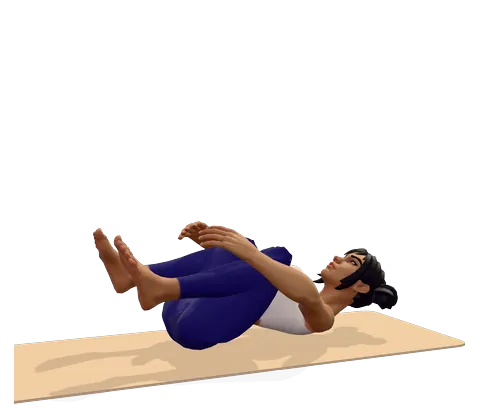 Wind-Relieving PosePavanamuktasana
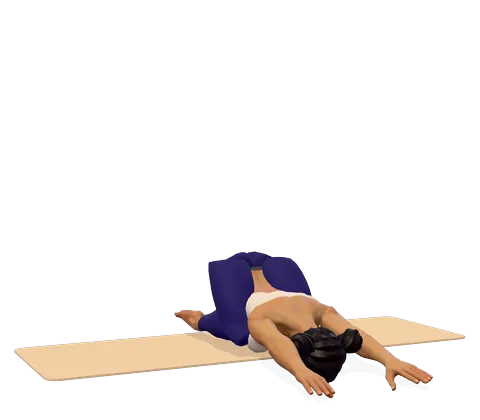 Child’s PoseBalasana
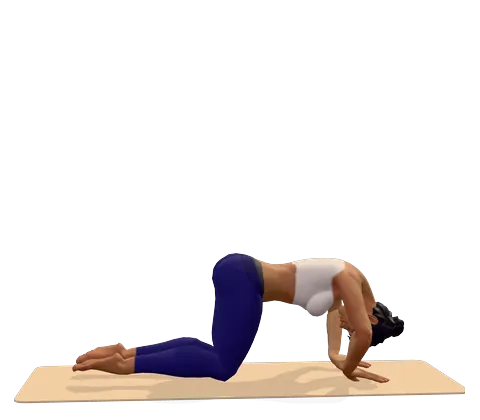 Cat PoseMarjaryasana
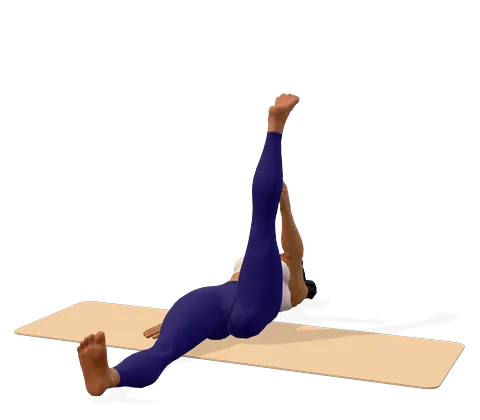 Reclining Hand-to-Big-Toe PoseSupta Padangusthasana
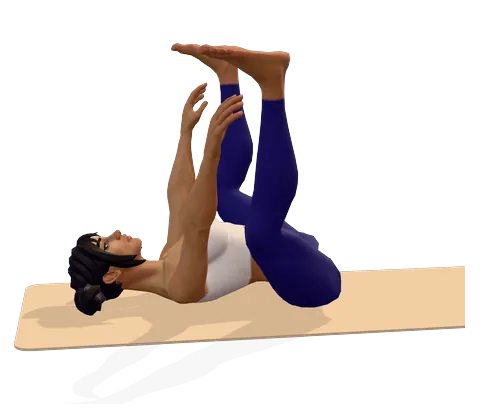 Happy Baby PoseAnanda Balasana
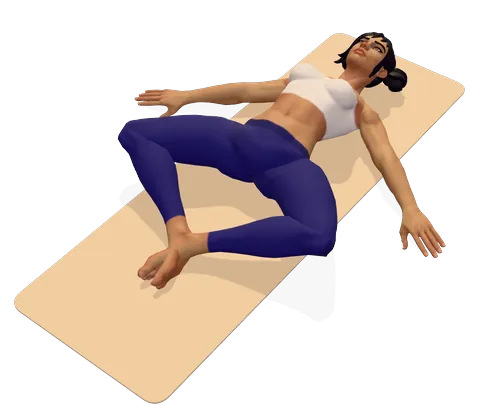 Reclining Bound Angle PoseSupta Baddha Konasana
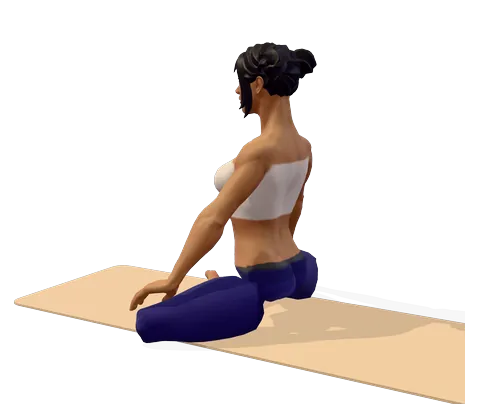 Easy PoseSukhasana
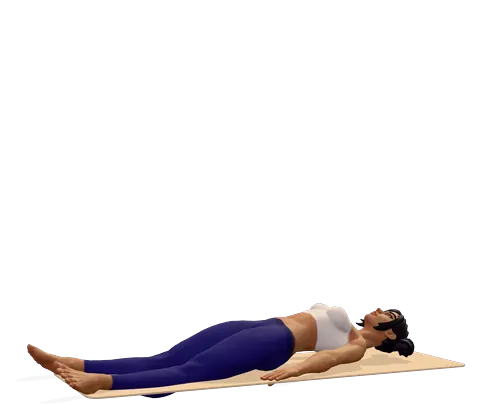 Corpse PoseSavasana
More poses that help with spinal stenosis
Add these once the session above feels easy, or swap one in when a pose does not suit you.
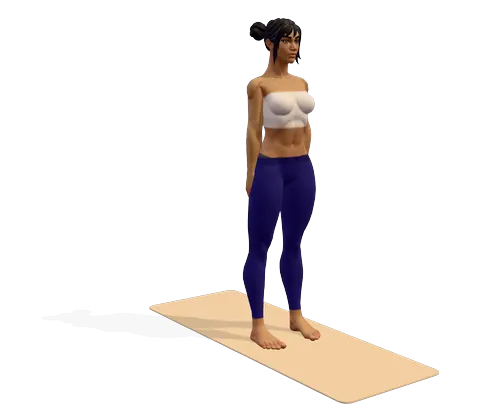 Mountain PoseTadasana
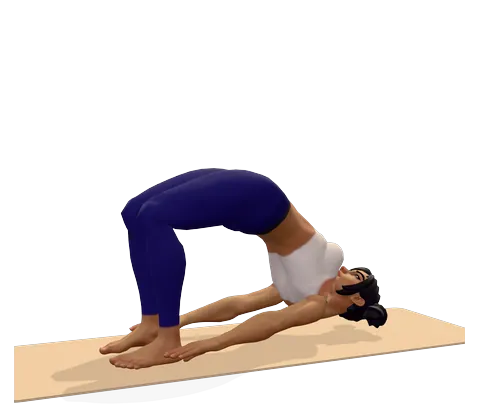 Bridge PoseSetu Bandhasana
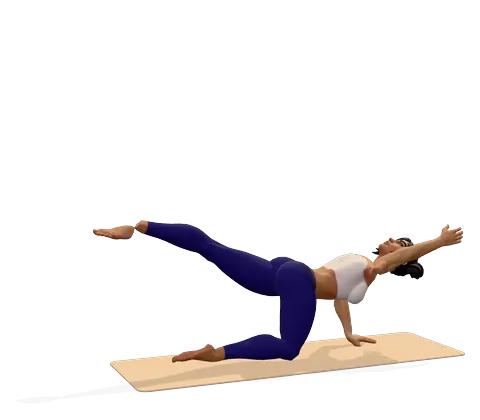 Tiger PoseVyaghrasana
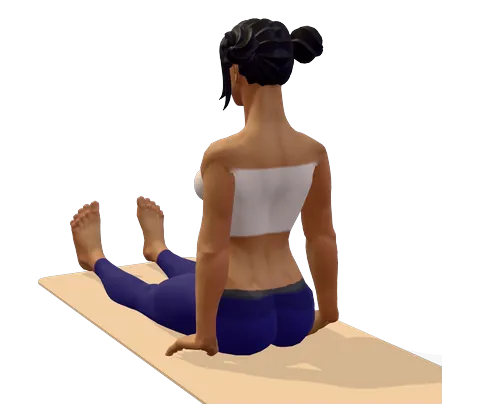 Staff PoseDandasana
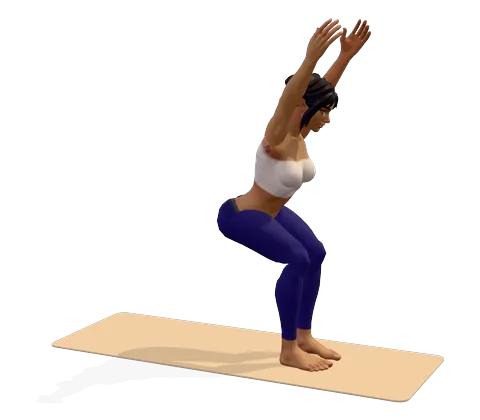 Chair PoseUtkatasana
Mudras for spinal stenosis
Hold a mudra while you sit for the breathing practice or a few minutes of quiet. Mudras are a traditional practice; research on them is limited.
Breathing practice
Avoid
Deep backbends (Cobra, Camel, Bow, Wheel) and long standing arches, which narrow the spinal canal; gentle forward bending is usually more comfortable. See a doctor at once for new leg weakness, numbness in the groin or loss of bladder or bowel control.
Emerging evidence: Small or early trials look promising.
Yoga for spinal stenosis works differently from most back-pain yoga. In lumbar spinal stenosis, the space around the nerves in the lower back has narrowed, and arching backwards narrows it further, while bending gently forward opens it. That is why the session above leans on knees-to-chest, Child's pose and rounded, supported positions, and leaves out Cobra and other backbends. This page explains how each pose helps, what to avoid and which symptoms need a doctor.
Go to emergency care at once if you have numbness around the groin or buttocks, new trouble passing urine or controlling your bowels, or leg weakness that is getting worse. See a doctor soon for clumsy hands, problems with balance or walking, or pain with fever or weight loss.
What is spinal stenosis?
Spinal stenosis means narrowing of the spinal canal, usually from age-related changes: thickened ligaments, bulging discs and bony spurs on the facet joints. It is most common in the lower back after the age of 50. The typical symptom is neurogenic claudication: aching, heaviness, tingling or weakness in the buttocks and legs when you stand or walk, which eases when you sit down or lean forward, for example on a shopping trolley.
Cervical stenosis in the neck is less common but more serious, because it can press on the spinal cord itself. It needs a doctor's assessment before any exercise programme.
Is yoga good for spinal stenosis?
Is yoga good for spinal stenosis in the lumbar spine? Gentle yoga can help many people, men and women alike, if it follows the "bend forward, not back" rule. The evidence level here is "emerging": there are no large trials of yoga alone for stenosis, but exercise in general has been studied.
- A 2024 review of 13 exercise trials in about 1,440 people with stenosis found that most programmes used supervised, flexion-based exercise, and the more successful ones included stretches, strength or trunk exercises and fitness work such as cycling.
- In a randomised trial of 86 people, 6 weeks of supervised physical therapy (stretching, strengthening, cycling and supported walking) improved symptoms, walking and pain more than a home exercise sheet.
So does yoga help spinal stenosis? A slow yoga programme contains many of those same parts: flexion stretches, core strength and calm breathing. It does not widen the canal or reverse the changes, so think of yoga as one part of pain management for spinal stenosis alongside walking or cycling, medicine and physiotherapy.
Can yoga prevent spinal stenosis? No. The narrowing comes mostly from ageing and genes. Staying active, strong and at a healthy weight helps you cope with it better.
Yoga poses for spinal stenosis: why each one is in the plan
The first half of the session is for relief, the second half for strength. If you only have five minutes, the first two poses below are the quickest exercises for lumbar spinal stenosis relief, and they also make good yoga for spinal stenosis relief after a long walk.
Wind-Relieving pose: the key flexion stretch
Lying on your back and hugging your knees towards your chest in Wind-Relieving pose gently rounds the lower back and opens the space around the nerves. It is one of the best stretches for lumbar spinal stenosis, and many people feel leg symptoms ease within a minute. Start with one knee at a time, holding behind the thighs.
Child's pose and Cat: rounding with support
Child's pose is a resting forward bend with the knees wide and a cushion under the chest. Cat pose on hands and knees rounds the spine actively. Skip the Cow arch that usually follows, or keep it tiny.
Reclining Hand-to-Big-Toe with a strap
Tight hamstrings and hip flexors change how the pelvis sits. Lying on your back with a strap round one foot stretches the back of the leg while the spine rests. Bend the knee if you feel nerve tingling. Yoga stretches for spinal stenosis should always feel easy, never sharp.
Happy Baby and Reclining Bound Angle: hips that move freely
Happy Baby rounds the lower back gently and opens the hips. Reclining Bound Angle, with cushions under the knees, is a restful hip opener. Keep your lower back relaxed on the floor.
Easy pose and Savasana
Sit in Easy pose on a high cushion for breathing. End in Savasana with your knees bent or a bolster under them: lying with straight legs arches the lower back and can bring symptoms back.
Building strength: Bridge, Tiger and Chair
From the extra poses list, a low Bridge (with the pelvis tilted, not arched), Tiger pose with the back kept flat, and a shallow Chair pose build the buttock, thigh and core strength that keeps you walking. This is yoga for strengthening the spine without arching it.
Yoga poses to avoid with spinal stenosis
These positions to avoid with spinal stenosis all arch the lower back and narrow the canal:
- Deep backbends: Cobra, Upward Dog, Camel, Bow, Wheel and high Locust.
- Standing backbends and long holds in standing poses with a hollow lower back.
- Lying on your front for a long time, if it brings on leg symptoms.
- Headstand, shoulder stand and neck backbends, especially with cervical stenosis.
Spinal stenosis exercises and stretches that feel good tend to round the back; exercises to relieve spinal stenosis pain rarely involve arching. What exercises are bad for spinal stenosis outside yoga? Usually long standing, walking downhill, heavy overhead lifting and anything that makes your legs tingle or go weak. Activities to avoid with spinal stenosis are really a list of "long arching": give your back a break by sitting or leaning forward.
If you also have osteoporosis, which is common at the same age, avoid loaded forward bending such as toe touches and sit-ups. The lying and supported flexion in this session is much gentler on the bones.
Spinal stenosis exercises for seniors and chair yoga
Most people with stenosis are over 60, so spinal stenosis exercises for seniors over 60 must be simple, and yoga for spinal stenosis in seniors should be easy to get into and out of. Chair yoga for spinal stenosis is a good starting point for beginners:
- Seated forward lean: sit with your feet wide, rest your forearms on your thighs and let your back round for a few breaths.
- Seated knee hug: lift one knee towards your chest and hold behind the thigh.
- Seated pelvic tilts: roll the pelvis back to flatten the lower back, then return to neutral.
- Sit to stand: stand up from the chair and sit down slowly, for leg strength.
These spinal stenosis exercises for elderly people are also safe for yoga for spinal stenosis for women over 60, who often have osteoporosis too. See yoga for seniors and chair yoga for more.
How to manage lumbar spinal stenosis
How can physical therapy help spinal stenosis? Physical therapy for lumbar spinal stenosis is the main non-surgical treatment. A physio for lumbar stenosis will usually combine flexion exercises, core and hip strength, and fitness work you can do bent slightly forward, such as a static bike. Walking with a walker or trolley, or uphill, is often easier than walking upright. Pilates for lumbar spinal stenosis can also work, if the teacher avoids arched positions.
Home treatment for spinal stenosis usually means doing your home exercises for spinal stenosis most days, staying active within your walking limit, breaking up standing time, pain relief as advised, and heat for stiffness. How to fix lumbar spinal stenosis for good is a question for a specialist: injections or decompression surgery are options when symptoms are severe or getting worse. Exercises for severe lumbar spinal stenosis should always be planned with your doctor or physio.
Yoga for spinal stenosis after back surgery
After decompression surgery, follow your surgeon's timeline. Most people start with walking, then add gentle yoga for spinal stenosis back surgery recovery once your surgeon clears you. There is no fixed yoga for spinal stenosis recovery time: symptoms change slowly, and a steady routine matters more than a perfect one.
Yoga for spinal stenosis with sciatica and cervical stenosis
Stenosis often causes pain down one or both legs. Yoga for spinal stenosis sciatica follows the same rules: favour flexion, avoid arching, and back off if tingling spreads. See also yoga for sciatica and yoga for back pain, but remember that some back-pain routines use Cobra and Sphinx, which may not suit stenosis.
Yoga for cervical stenosis needs extra caution. Cervical spinal stenosis exercises are usually gentle chin tucks, shoulder blade squeezes and posture work, with no headstands, shoulder stands or neck backbends. Ask your doctor first, especially if your hands feel clumsy.
Breathing for pain relief
How to relieve lumbar spinal stenosis pain in the moment? Sit down, lean forward or lie with your knees hugged in. Long-lasting nerve pain also keeps the body on guard. Five minutes of Nadi Shodhana or box breathing, sitting slightly forward or lying with your knees bent, calms the stress response and helps muscles let go.
नस दबने के लिए योग (nas dabney ke liye yoga) — हिंदी में स्पाइनल स्टेनोसिस में कमर की नसों के लिए जगह कम हो जाती है। पवनमुक्तासन, बालासन और मार्जरी आसन जैसे आगे झुकने वाले हल्के आसन अक्सर आराम देते हैं। भुजंगासन, उष्ट्रासन और धनुरासन जैसे पीछे झुकने वाले आसन न करें। पैरों में कमज़ोरी बढ़े या पेशाब-शौच पर नियंत्रण में दिक्कत हो तो तुरंत डॉक्टर को दिखाएँ।
Practise with the 3D guide
If you were looking for yoga for spinal stenosis with pictures or a video, the 3D guide at the top of this page shows every pose from any angle, so you can check that your lower back stays rounded, not arched. The voice guides you in 28 languages. Choose the "shorter" hold time as a beginner, and log how far you can walk in your practice tracker.
Research behind this plan
- Comer 2024, Clinical Rehabilitation — systematic review of 13 exercise trials (1,440 people) in lumbar spinal stenosis: most used supervised flexion-based exercise; stretches, strength and fitness exercise featured in successful programmes
- Minetama 2019, Spine Journal — randomised trial, 86 people with lumbar spinal stenosis: 6 weeks of supervised physical therapy improved symptoms, walking and pain more than home exercise
- NCCIH (US National Institutes of Health) — Yoga: What You Need To Know, including safety
Frequently asked questions
Is yoga good for spinal stenosis?
Gentle, flexion-based yoga can help many people with lumbar spinal stenosis by easing leg symptoms, building strength and keeping them active. Avoid backbends and long standing arches, and ask your doctor or physio first.
What yoga poses should I avoid with spinal stenosis?
Avoid Cobra, Upward Dog, Camel, Bow, Wheel, high Locust and standing backbends, which narrow the spinal canal. With cervical stenosis, also avoid headstand, shoulder stand and neck backbends.
What exercises are good for spinal stenosis?
Knees-to-chest, Child's pose, Cat, hamstring stretches with a strap, low Bridge, core work, and fitness exercise in a slightly bent position such as cycling. A physiotherapist can tailor them to you.
Why does leaning forward help spinal stenosis?
Bending forward slightly widens the spinal canal and the openings for the nerves, so there is less pressure on them. Arching backwards does the opposite.
Can yoga cure spinal stenosis?
No. Yoga cannot reverse the narrowing. It may ease symptoms and help you stay active, alongside medical treatment.
Is chair yoga good for spinal stenosis?
Yes. Seated forward leans, knee hugs, pelvic tilts and sit-to-stand practice are safe, gentle spinal stenosis exercises for seniors and beginners.
When is spinal stenosis an emergency?
Seek urgent care for numbness around the groin or buttocks, loss of bladder or bowel control, or leg weakness that is getting worse.
Medical note: yoga supports treatment; it does not replace it. Keep taking prescribed medicine and talk to your doctor before you start, especially with heart disease, uncontrolled blood pressure, recent surgery, pregnancy, epilepsy or severe pain. Read our medical disclaimer.