Your prostate health yoga plan
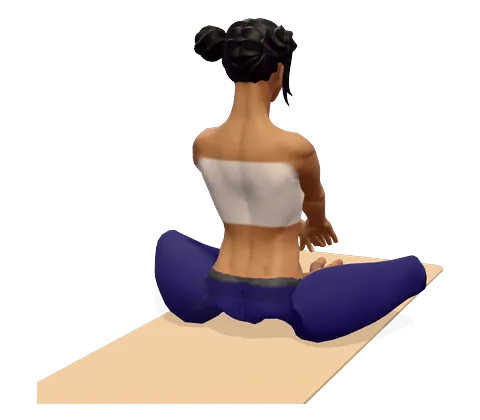 Bound Angle PoseBaddha Konasana
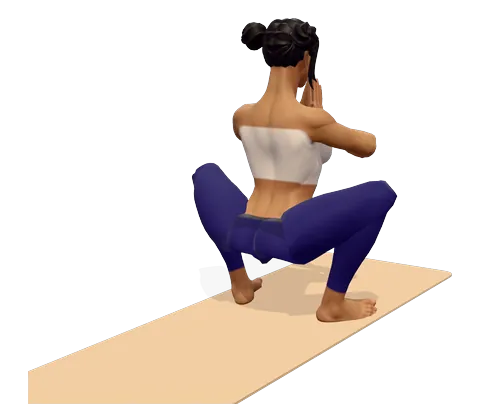 Garland PoseMalasana
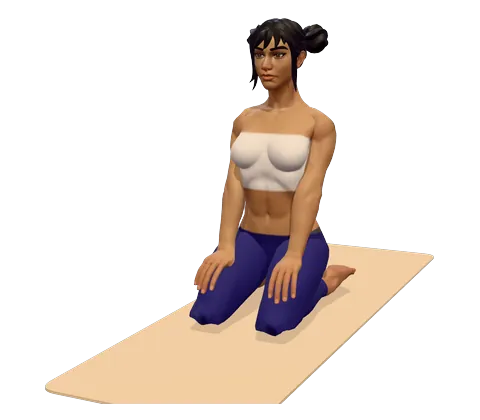 Thunderbolt PoseVajrasana
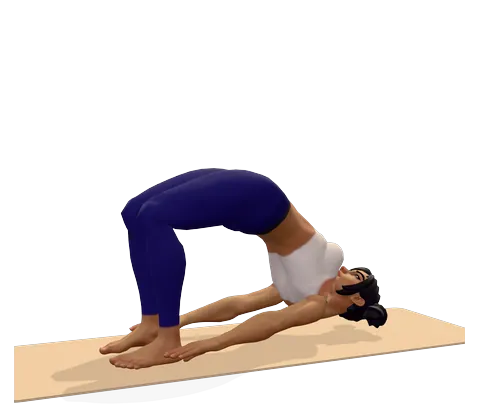 Bridge PoseSetu Bandhasana
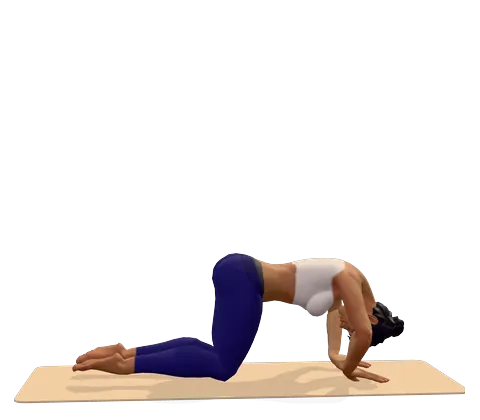
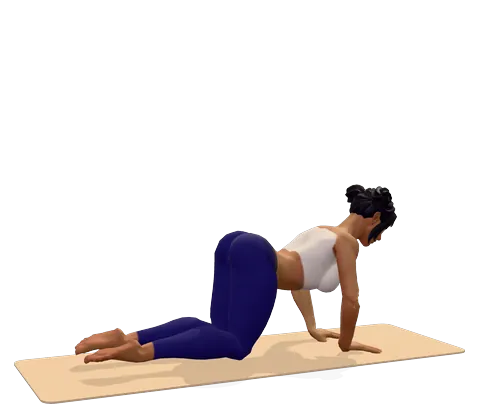
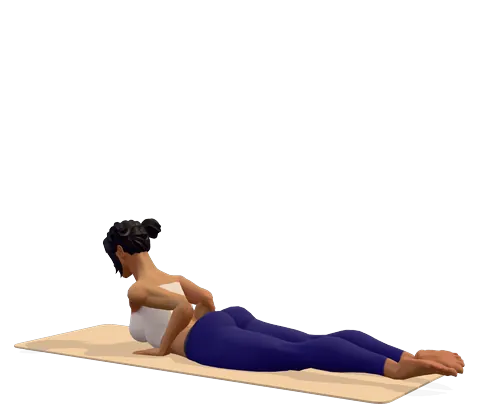 Cobra PoseBhujangasana
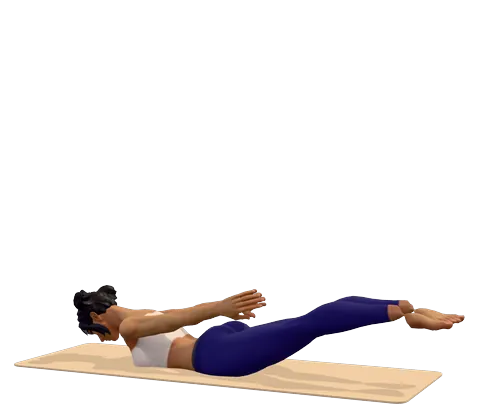 Locust PoseSalabhasana
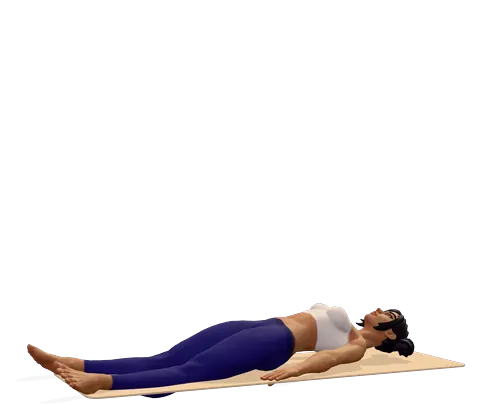
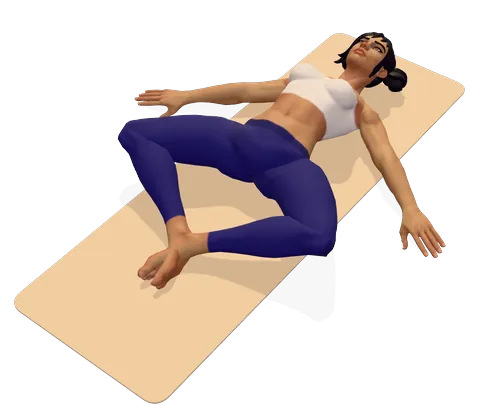 Reclining Bound Angle PoseSupta Baddha Konasana
More poses that help with prostate health
Add these once the session above feels easy, or swap one in when a pose does not suit you.
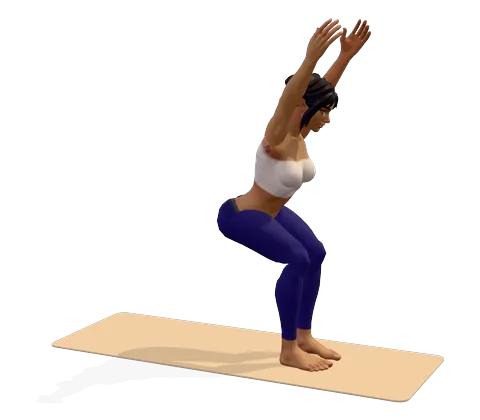
Mudras for prostate health
Hold a mudra while you sit for the breathing practice or a few minutes of quiet. Mudras are a traditional practice; research on them is limited.
Breathing practice
Avoid
Ignoring blood in urine or painful, blocked urination; see a urologist. Yoga does not replace screening.
Emerging evidence: Small or early trials look promising.
Yoga for prostate health is about comfort and control, not shrinking the gland. Gentle hip openers, pelvic floor training, relaxed breathing and bladder habits can make urinary symptoms easier to live with and may ease pelvic tension, while your doctor treats the prostate itself. This page explains what the prostate does, what the research shows (it is still early), how each pose helps, and the warning signs that need a urologist.
What does the prostate actually do?
The prostate is a walnut-sized gland below the bladder that wraps around the urethra, the tube that carries urine out. The main purpose of the prostate, and one of its key functions, is to make part of the fluid in semen. Because of where it sits, the role of the prostate in urinary symptoms is simple: when it grows, it can squeeze the urethra.
After about 50, prostate enlargement is very common: most men's gland slowly grows. This is called benign prostatic hyperplasia (BPH) and is not cancer. Typical symptoms are a weak stream, hesitancy, dribbling, feeling that the bladder has not emptied, and getting up at night to pass urine. Other prostate problems are prostatitis (inflammation, often with pelvic pain) and prostate cancer, which often causes no symptoms early on.
Can yoga help reduce an enlarged prostate?
Honestly, there is no good evidence that yoga shrinks an enlarged prostate. No yoga pose, mudra or breathing exercise has been shown to change the size of the gland, and anyone promising how to cure BPH naturally with yoga is overstating it. What yoga can do is support the things around it:
- Pelvic floor control, which helps with dribbling after urination and with leaks after surgery.
- Relaxing a tense pelvic floor, which may ease pelvic pain in chronic prostatitis.
- Calmer breathing and less stress, which can make urgency easier to manage.
- Staying active and a healthy weight, both linked to fewer urinary symptoms. Yoga for healthy ageing and physical health (with walking) is also the most realistic way to use yoga to prevent prostate problems from getting worse.
So is yoga good for prostate problems? As a supporting habit, yes. As a treatment, no. Our site rates the evidence as emerging.
What the research says
Most of the research is in men with prostate cancer. A randomised phase II trial in 2017 offered twice-weekly yoga classes to men having radiotherapy for prostate cancer. Men in the yoga group reported less fatigue and better sexual and urinary function scores during treatment than men who did not do yoga. The trial was small and many men dropped out, so it is promising, not proof.
For BPH itself, studies are few and small. Exercise in general is linked to fewer urinary symptoms, and pelvic floor muscle training is an accepted part of care after prostate surgery. That is the honest basis for this plan.
Yoga poses for enlarged prostate, one by one
The guided session uses seven yoga poses for men with prostate problems, and they double as yoga exercises for enlarged prostate symptoms. They focus on the hips, pelvic floor and lower back, and none needs flexibility.
Bound angle (Baddha Konasana)
Bound angle, or butterfly, opens the inner thighs and groin. Sit on a folded blanket so your spine can stay tall, and let the knees drop only as far as they want. Men with stiff hips can put cushions under the knees.
Garland pose (Malasana)
Garland pose is a supported squat that lengthens the pelvic floor. Sit on a block or a thick book if your heels lift. With knee problems, sit on a low stool instead.
Thunderbolt pose (Vajrasana)
Vajrasana is the classic sitting pose after meals. Put a cushion between your heels and buttocks to protect the knees. It is a comfortable seat for the breathing exercises below.
Bridge pose (Setu Bandhasana)
Bridge strengthens the buttocks and trains the pelvic floor with the breath: breathe out, gently lift the pelvic floor, then lift your hips.
Cobra and locust (Bhujangasana and Salabhasana)
Cobra and locust strengthen the back and buttocks and help posture, which is useful if you sit for long hours. Keep cobra low with elbows bent; skip both if you have had recent abdominal or prostate surgery.
Reclining bound angle (Supta Baddha Konasana)
This is the release pose. Lie back with pillows under your knees and let the pelvic floor soften on every in-breath. It may help with prostatitis and pelvic pain; for prostate pain, spend longer here.
Which yoga is best for prostate comfort? For most men, the combination of bridge (strength) and reclining bound angle (release), plus the pelvic floor exercise below, gives the most practical benefit.
Pelvic floor exercise for men
These yoga exercises for prostate support start with the pelvic floor. Sit or lie comfortably. Breathe out and gently draw up as if stopping urine and lifting the testicles; your buttocks stay relaxed. Hold for 3–10 seconds, then breathe in and let go completely. Do 10 slow lifts and 10 quick ones, three times a day.
A useful trick for after-dribble: after passing urine, do a strong squeeze behind the scrotum to empty the last drops. Before and after prostate surgery, ask your team for a referral to a pelvic health physiotherapist; prostate cancer physical therapy of this kind is well established, and yoga for physical therapy goals fits in well. See also yoga for pelvic floor and bladder control.
If your pain is pelvic tension rather than weakness, reverse the focus: more release, fewer strong squeezes.
How to manage BPH day to day
What to do about BPH beyond yoga? Everyday habits help:
- Bladder training for BPH: when an urge comes, stop, take slow breaths and do a few quick pelvic floor squeezes until it eases. Over weeks, gently stretch the time between toilet visits.
- Double voiding: after passing urine, wait a moment, relax and try again.
- Evening drinks: drink normally in the day but less in the two hours before bed. Cut down caffeine and alcohol.
- Stay active: walking and regular exercise for BPH patients help weight, mood and sleep.
Medical management of BPH includes medicines that relax the prostate or shrink it, and procedures or surgery when needed. The work up for BPH usually includes a urine test, a physical exam and sometimes a PSA blood test and a flow test. Keep any prescribed medicine; some cause dizziness when you stand up, so rise slowly from floor poses.
A note on any home remedy for BPH or home remedies for prostate in Ayurveda: herbal products can interact with medicines and are not well tested. Tell your doctor before using them, and never use them instead of checks for prostate cancer. No prostate cancer home remedies have been proven to treat the disease.
Yoga for prostate cancer patients
For men having radiotherapy or hormone therapy, yoga for prostate cancer patients may help fatigue, mood and quality of life. Exercise for prostate cancer generally helps against muscle loss, belly fat gain and bone loss from hormone therapy, so yoga for bone health plus strength work is useful. If you have osteoporosis, note the yoga and osteoporosis contraindications: avoid deep rounded forward bends and strong twists. The best exercise for prostate cancer is usually a mix of walking, strength training and gentle yoga, approved by your cancer team. After surgery, wait for clearance before bridge, cobra and locust, and start with breathing and pelvic floor lifts. Exercises for prostate cancer patients with bone metastases need specific advice from the team.
Breathing for urgency and pelvic pain
Slow breathing calms the urge to go and relaxes a tense pelvic floor. Try Nadi Shodhana (alternate-nostril breathing) without breath holds, or Bhramari (humming bee breath) for 3–5 minutes in Vajrasana. The breathing timer helps you keep an even pace. The session also suggests Apana mudra, traditionally used for elimination; it is a calm focus for breathing, not a treatment.
A simple weekly plan (for men over 50 too)
| Day | Practice |
|---|---|
| Every day | Pelvic floor lifts, three short sets; bladder training when urges come |
| Mon, Wed, Fri | The guided session on this page (about 15 minutes) |
| Tue, Thu | A 30-minute walk and 5 minutes of Nadi Shodhana |
| Weekend | Reclining bound angle and Yoga Nidra for rest |
Yoga for prostate problems over 50s should be gentle and steady. If you are new to yoga for beginners at home, start with our yoga for beginners guide, and if sitting brings back pain, yoga for back pain pairs well with this plan.
Yoga for prostate side effects and warning signs
The poses here are low-risk. Side effects are usually sore knees in Vajrasana or garland pose, or a stiff back after cobra; use cushions and keep poses small. Avoid cycling for long periods and very hot yoga if you have prostatitis flares.
See a doctor or urologist promptly if you have blood in your urine or semen, pain or burning when you pass urine, fever with urinary symptoms, or you cannot pass urine at all (this is an emergency). Yoga does not replace prostate screening. Talk to your doctor about PSA testing, especially if prostate cancer runs in your family.
For a yoga for prostate gland problem explained in Hindi (yoga for enlarged prostate in Hindi and yoga for prostate gland in Hindi), see the box below.
प्रोस्टेट के लिए योग (yoga for prostate in Hindi): योग प्रोस्टेट को छोटा नहीं करता, लेकिन पेशाब पर नियंत्रण और आराम में मदद कर सकता है। बद्ध कोणासन, मालासन, वज्रासन और सेतुबंधासन करें, और रोज़ पेल्विक फ्लोर की मांसपेशियों को साँस छोड़ते हुए कसें। नाड़ी शोधन और भ्रामरी प्राणायाम तनाव कम करते हैं। पेशाब में खून, जलन या पेशाब रुक जाए तो तुरंत डॉक्टर से मिलें और अपनी दवाएँ जारी रखें।
Try it now. Start the guided 3D session above. The Body guide button shows which areas each pose stretches and works, and the voice leads you through each step.
Research behind this plan
- Ben-Josef 2017, International Journal of Radiation Oncology Biology Physics — randomised phase II trial: men doing yoga during prostate cancer radiotherapy reported less fatigue and better sexual and urinary function scores
- NCCIH (US National Institutes of Health) — Yoga: what you need to know, including safety
Frequently asked questions
Can yoga help reduce an enlarged prostate?
There is no good evidence that yoga shrinks the prostate. It may help you manage symptoms through pelvic floor control, relaxation and staying active. BPH itself is treated with medicines or procedures from your doctor.
Which yoga poses are good for prostate health?
Bound angle, garland pose, Vajrasana, bridge, cobra, locust and reclining bound angle, combined with daily pelvic floor lifts and slow breathing.
Is yoga good for prostatitis and pelvic pain?
It may help, mainly by relaxing a tense pelvic floor. Focus on release poses such as reclining bound angle and happy baby with slow breathing. Prostatitis needs a doctor's diagnosis and treatment.
Can yoga help after prostate cancer treatment?
A small randomised trial found men who did yoga during radiotherapy had less fatigue and better urinary and sexual function scores. Ask your cancer team before you start, especially after surgery.
Can I do yoga instead of prostate medicine?
No. Keep your prescribed medicine and follow-up. Yoga is a supportive habit alongside urology care.
How often should I do yoga for prostate?
Pelvic floor lifts daily and the guided session three times a week is a good start. Give it at least 8–12 weeks.
What are the warning signs of prostate problems?
Blood in urine or semen, pain when urinating, fever, a very weak stream, or being unable to pass urine. See a doctor promptly; inability to pass urine is an emergency.
Medical note: yoga supports treatment; it does not replace it. Keep taking prescribed medicine and talk to your doctor before you start, especially with heart disease, uncontrolled blood pressure, recent surgery, pregnancy, epilepsy or severe pain. Read our medical disclaimer.