Your ptsd and trauma yoga plan
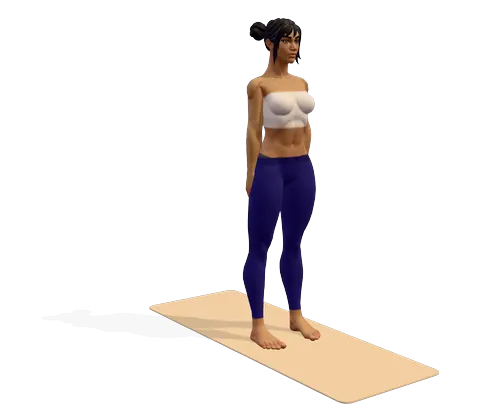 Mountain PoseTadasana
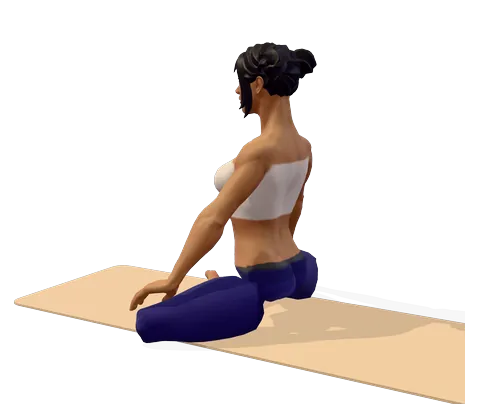 Easy PoseSukhasana
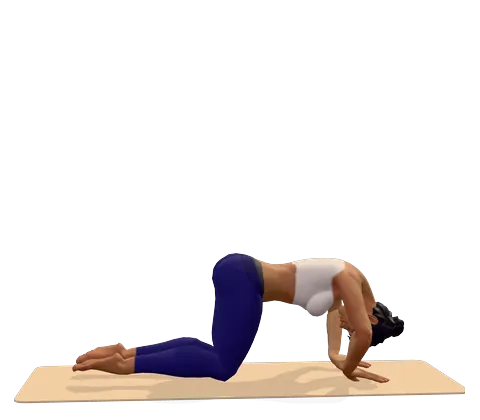 Cat PoseMarjaryasana
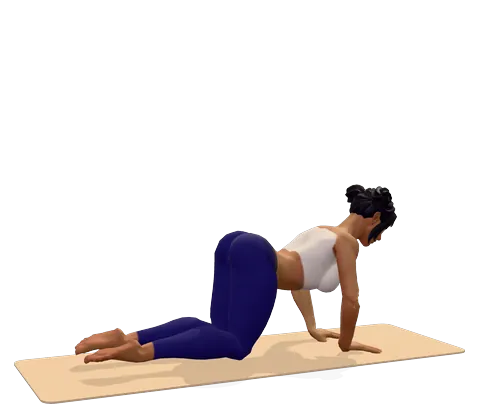 Cow PoseBitilasana
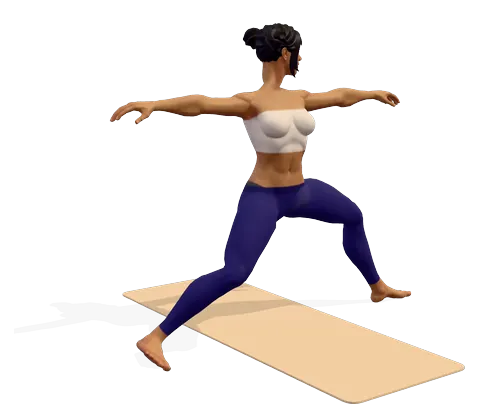 Warrior II PoseVirabhadrasana II
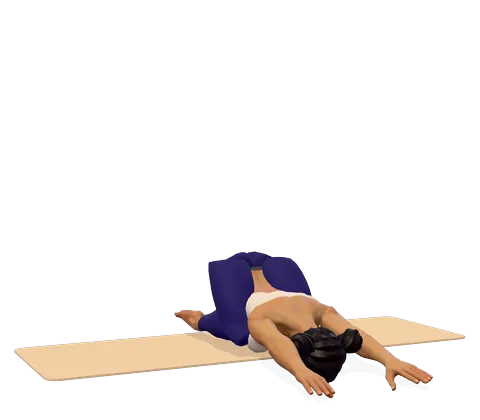 Child’s PoseBalasana
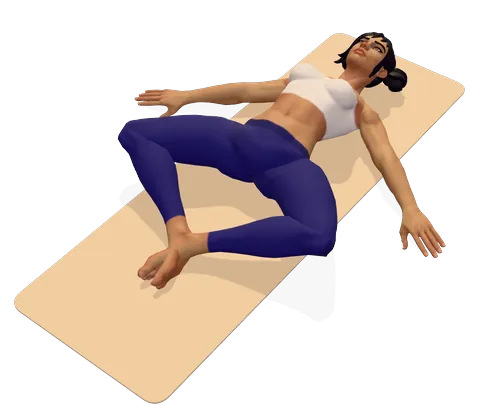 Reclining Bound Angle PoseSupta Baddha Konasana
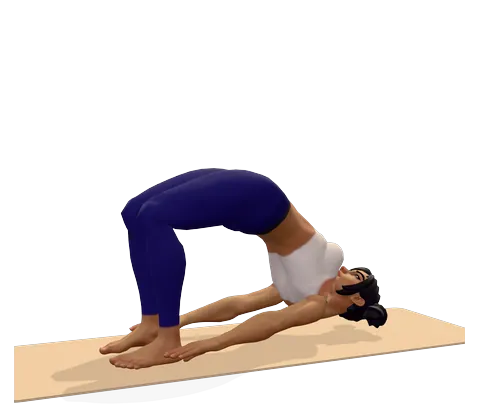 Bridge PoseSetu Bandhasana
More poses that help with ptsd and trauma
Add these once the session above feels easy, or swap one in when a pose does not suit you.
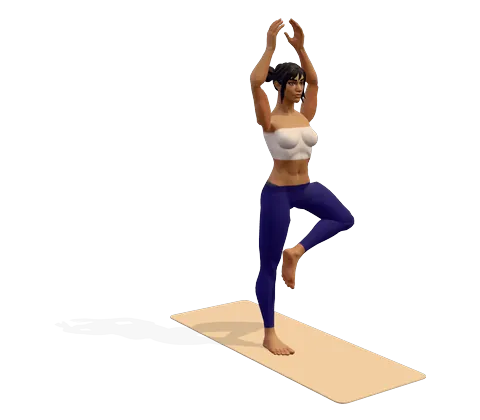 Tree PoseVrikshasana
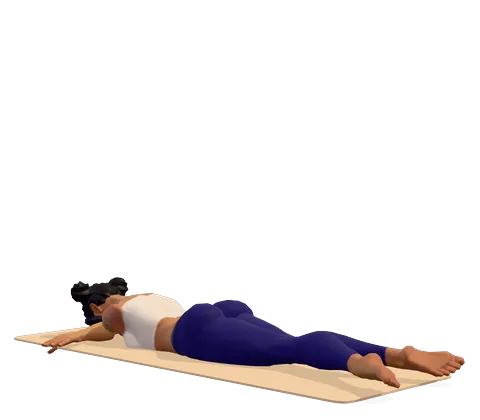 Crocodile PoseMakarasana
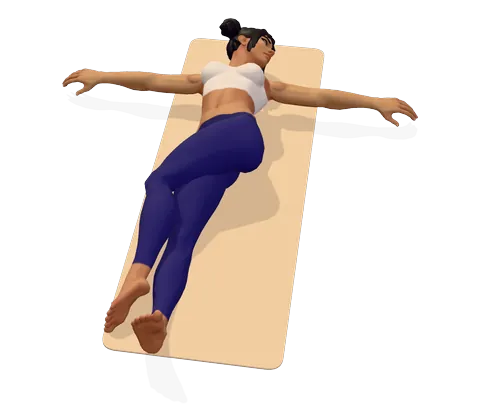 Supine Spinal TwistSupta Matsyendrasana
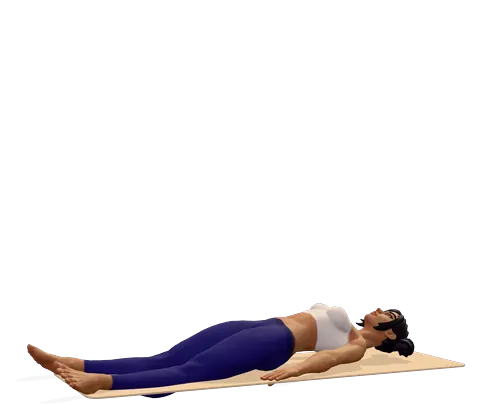 Corpse PoseSavasana
Mudras for ptsd and trauma
Hold a mudra while you sit for the breathing practice or a few minutes of quiet. Mudras are a traditional practice; research on them is limited.
Breathing practice
Avoid
Eyes-closed relaxation and long silent Savasana if they bring up distress; keep eyes open and work with a trauma-informed teacher and therapist.
Moderate evidence: Randomised trials show a benefit; more research is under way.
Guided meditation for ptsd and trauma
Breath Awareness Meditation (10 min, voice in 28 languages) · Walking Meditation (10 min, voice in 28 languages)
Yoga for PTSD works best in a trauma-sensitive form: simple poses, open eyes if you prefer, no hands-on adjustments, and language that offers choices instead of orders. Trials suggest it can reduce PTSD symptoms as an add-on to therapy. This page explains what trauma-sensitive yoga is, what the research shows, how to use each pose in the session with choices, grounding breathing for hard moments, and how yoga fits with proven PTSD treatment.
What is trauma-sensitive yoga?
Trauma-sensitive yoga (also called trauma-informed yoga) is yoga adapted for people living with the effects of trauma. Trauma can leave the body on alert: a racing heart, tight muscles, being easily startled, or feeling cut off from the body. Trauma-sensitive yoga focuses on two things:
- Choice. You decide how far to move, whether to hold or leave a pose, and whether to do it at all. Instructions use "you might", "if you like", "notice".
- Interoception. Gently noticing what is happening inside your body (feet on the floor, the breath, muscles working) in the present moment, without judging it.
Practical features follow from this: no touch, a predictable structure, the teacher (or voice) in view, lights on, eyes open welcome, and no pressure to relax. That is what trauma-informed yoga for PTSD means in practice. The guided session on this page follows the same principles: the voice describes, you choose.
Does yoga help PTSD? The research
Yoga for PTSD research is moderate in strength. In a 2014 randomised trial, 64 women with chronic PTSD that had not responded to other treatment did 10 weeks of weekly trauma-informed yoga or a women's health education class. By the end, 52% of the yoga group no longer met the criteria for PTSD, compared with 21% of the control group. A 2024 meta-analysis of 20 randomised trials found that yoga reduced self-reported PTSD symptoms and depression compared with controls, and was generally safe, but clinician-rated PTSD scores did not improve significantly and many studies had a high risk of bias.
So trauma-sensitive yoga effectiveness looks real but modest. The main benefits of yoga for PTSD in these trials were lower self-reported PTSD symptoms and better mood; many people also describe feeling more at home in their body, one of the trauma-sensitive yoga benefits teachers aim for. Yoga is best used alongside trauma-focused therapy, not instead of it.
How does yoga help trauma?
PTSD is not only in the thoughts; it lives in the body's alarm system. Yoga may help in three ways:
- Calming the alarm. Slow breathing with a longer out-breath shifts the nervous system towards rest.
- Feeling safe in the body again. Small, chosen movements give the experience of being in charge of your own body.
- Staying present. Noticing your feet, hands and breath anchors you in the present, which is useful when memories pull you back.
People sometimes search for "yoga for trauma release" or "yoga to release trauma". Emotions can come up in yoga, and that is normal, but you do not need to force a release, and deep emotional work belongs with a therapist. Yoga for trauma recovery and healing is slow, steady practice, not a single breakthrough. Somatic yoga for PTSD and similar body-based approaches share this idea of gentle noticing; Kundalini yoga for PTSD has been studied too, but avoid its fast breathing techniques if they make you anxious.
Trauma-sensitive yoga poses in the session
These trauma-sensitive yoga techniques suit beginners too: trauma-sensitive yoga for beginners needs no experience or flexibility. Each pose below includes choices. Use them freely; skipping a pose is also a choice.
Mountain pose (Tadasana)
Mountain pose is a grounding shape. You might notice your feet on the floor, and perhaps shift your weight a little forward and back. Eyes can stay open, looking at a fixed point.
Easy pose (Sukhasana)
Easy pose is a seat for breathing. You can sit on a cushion, against a wall, or on a chair, whichever feels more secure. Many people like having a wall behind them.
Cat and cow
Cat and cow link movement and breath. You can choose the size and speed of the movement. If hands and knees feels vulnerable, try it seated on a chair with hands on your knees.
Warrior II (Virabhadrasana II)
Warrior II is a strong, steady standing pose. Notice the muscles in your legs working. Many trauma survivors find that feeling strong, not just relaxed, is what helps. Make the stance shorter or longer as you like.
Child's pose (Balasana)
Child's pose is calming for some people and uncomfortable for others because you cannot see around you. If it does not feel right, sit back on your heels with your head up, or skip it.
Reclining bound angle and bridge
Reclining bound angle opens the hips, which some people find exposing. Keep the knees closer together, put pillows under them, or keep your feet flat and knees bent instead. Bridge is active; feel your feet press into the floor as you lift.
The "More poses" list includes tree pose, crocodile, a gentle supine twist and Savasana. Rest is optional, not required.
Breathing and calming techniques for PTSD
These calming exercises for PTSD use steady, gentle breathing. If focusing on the breath makes you anxious, focus on your feet or hands instead.
- Box breathing: breathe in, pause, out, pause for equal counts. If the pauses feel uncomfortable, leave them out.
- Nadi Shodhana: slow alternate-nostril breathing, without breath holds. It gives the mind a simple task.
- Grounding (5-4-3-2-1), a mindfulness exercise for PTSD: name 5 things you see, 4 you can touch, 3 you hear, 2 you smell, 1 you taste. A useful self-soothing technique for PTSD in a flashback.
The breathing timer shows a ring you can follow with open eyes. Gyan mudra (thumb and index finger touching) can give your hands something to do. Avoid fast breathing such as Kapalbhati and long breath holds, which can bring on panic.
Relaxation, Savasana and Yoga Nidra for PTSD
Lying still with eyes closed can bring up distress for trauma survivors; the avoid box on this page says so for a reason. Relaxation techniques for PTSD can be done with eyes open, sitting up, or lying on your side. Keep rest short and come out whenever you want.
Yoga Nidra for PTSD has some supporting studies, especially with veterans, but guided deep rest is not right for everyone. If you try our Yoga Nidra, start with the 10-minute version, keep your eyes open if you like, and stop if you feel unsafe. Restorative yoga for PTSD and yin yoga for PTSD, with long quiet holds, need the same care.
Yoga for veterans with PTSD
Many studies of yoga for PTSD have included veterans. Veterans often prefer a practice framed as training: strength, breath control and focus. Standing poses like warrior and mountain, box breathing (familiar from military training) and a spot with a wall behind you often work better than long relaxation. Yoga for PTSD veterans works best alongside VA or equivalent mental health care.
Yoga for complex PTSD (CPTSD)
Complex PTSD usually follows long-lasting or repeated trauma, often in childhood, and affects emotions, self-image and relationships. Yoga for CPTSD should go even more slowly: very short sessions, lots of choice, and practice in a place you feel safe. Some people find that noticing the body is overwhelming at first; start with movement and counting, and let body awareness grow over time. The best therapy for complex PTSD is usually a phased, trauma-focused approach with a therapist.
What therapy is good for PTSD?
How to treat PTSD, and what helps with PTSD most: the best-supported treatments (the best type of therapy for PTSD) are trauma-focused therapies such as trauma-focused CBT, cognitive processing therapy, prolonged exposure and EMDR. Some medicines also help. Yoga, exercise, sleep and support from others help what therapy does. Does exercise help with PTSD? Regular exercise can ease symptoms and improve sleep and mood, but there is no way to cure PTSD with exercise alone.
How to help someone with PTSD or support a partner: listen without pushing for details, respect their choices, and encourage professional help. Doing a trauma-sensitive session together can be a calm shared activity, if they want it. See also yoga for anxiety and yoga for sleep, as both problems often come with PTSD.
Yoga for PTSD side effects and safety
Yoga is generally safe, but for trauma survivors some things can backfire: hands-on adjustments, being told to close your eyes, certain vulnerable shapes, strong smells or dark rooms. If something brings up distress, open your eyes, press your feet into the floor, look around the room and name what you see. With a traumatic brain injury, yoga for traumatic brain injury should avoid inversions and fast head movements, and balance poses need a wall nearby; check with your doctor first.
Get help now if you have thoughts of harming yourself or ending your life: contact your local emergency number or a crisis line straight away (for example 988 in the US, where veterans can press 1; Samaritans on 116 123 in the UK and Ireland; or Tele-MANAS on 14416 in India).
Your practice, your choices. Start the guided 3D session above when you are ready. You can pause, skip a pose, or stop at any time; set holds to "shorter" at first.
Research behind this plan
- van der Kolk 2014, Journal of Clinical Psychiatry — randomised trial in 64 women with chronic PTSD: 52% no longer met PTSD criteria after trauma-informed yoga vs 21% with health education
- Nejadghaderi 2024, Psychiatry Research — meta-analysis of 20 randomised trials: yoga reduced self-reported PTSD and depression symptoms and was generally safe; clinician-rated PTSD did not improve significantly; high risk of bias
Frequently asked questions
Does yoga help PTSD?
Trials suggest it can reduce PTSD symptoms when added to usual care. In one randomised trial, 52% of women with chronic PTSD no longer met the diagnosis after 10 weeks of trauma-informed yoga, versus 21% in the control group. Keep therapy as the main treatment.
What is trauma-sensitive yoga?
Yoga adapted for trauma survivors: choice-based language, no touch, eyes open welcome, a predictable structure and a focus on noticing the body in the present moment.
What are the best yoga poses for PTSD?
Grounding poses such as mountain, easy pose, warrior II and bridge, plus cat and cow with the breath. Choose poses that feel safe; skip any that feel vulnerable.
Is Yoga Nidra good for PTSD?
Some studies with veterans are encouraging, but guided deep rest can bring up distress for some people. Start short, keep your eyes open if you like, and stop if you feel unsafe.
Can yoga replace therapy for PTSD?
No. Trauma-focused therapies such as trauma-focused CBT, prolonged exposure and EMDR are the main treatments. Yoga is a helpful addition.
What if yoga brings up difficult memories?
Open your eyes, press your feet into the floor, look around and name what you see. Slow your breath. Tell your therapist, and change or skip the part that triggered it.
Is yoga good for complex PTSD?
It can help when it is very gentle, short and choice-based. Work alongside a trauma therapist and let body awareness build slowly.
Medical note: yoga supports treatment; it does not replace it. Keep taking prescribed medicine and talk to your doctor before you start, especially with heart disease, uncontrolled blood pressure, recent surgery, pregnancy, epilepsy or severe pain. Read our medical disclaimer.