Your motion sickness yoga plan
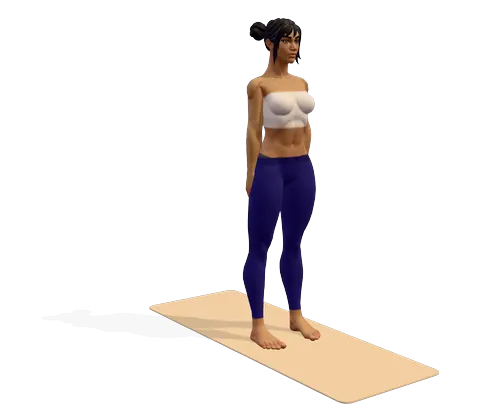 Mountain PoseTadasana
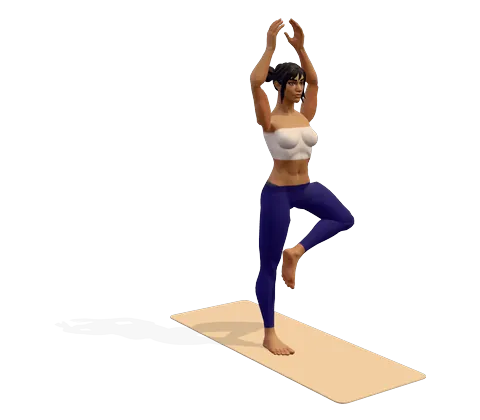 Tree PoseVrikshasana
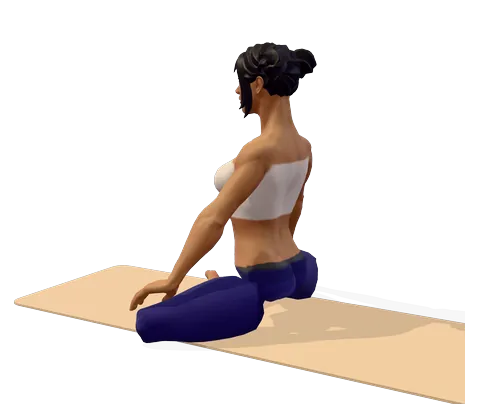 Easy PoseSukhasana
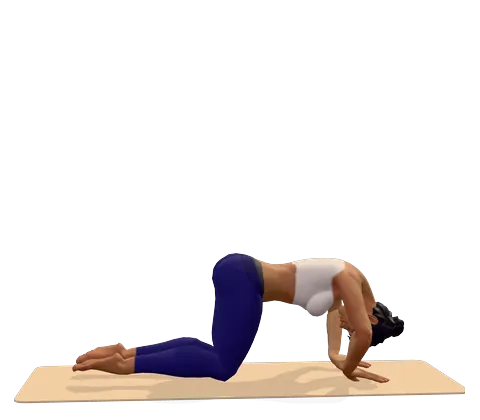 Cat PoseMarjaryasana
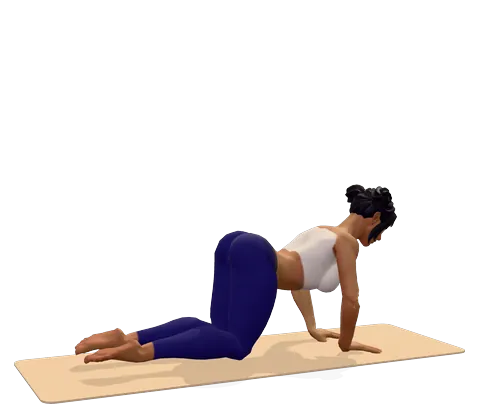 Cow PoseBitilasana
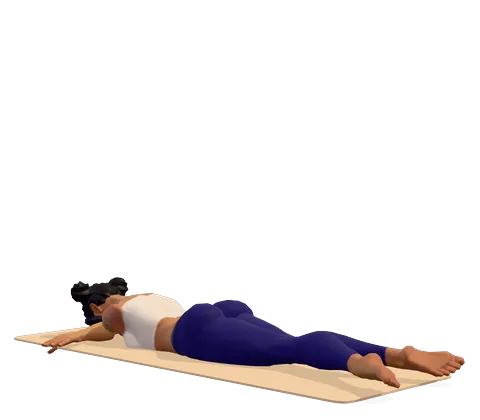 Crocodile PoseMakarasana
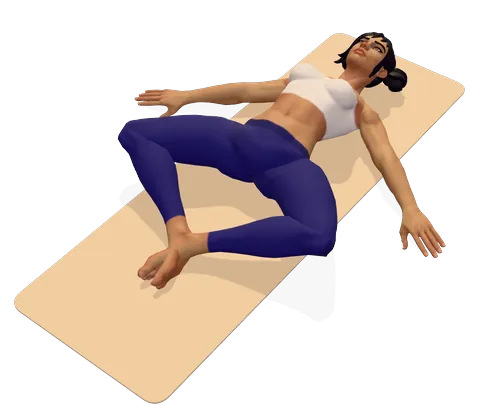 Reclining Bound Angle PoseSupta Baddha Konasana
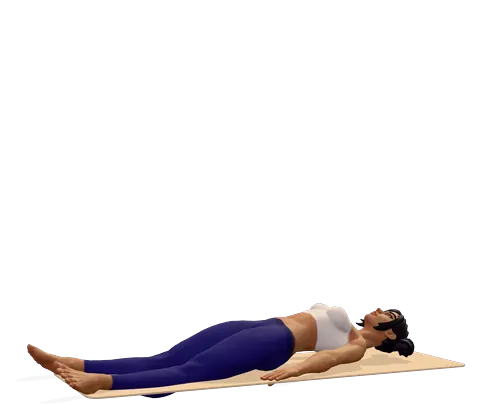 Corpse PoseSavasana
More poses that help with motion sickness
Add these once the session above feels easy, or swap one in when a pose does not suit you.
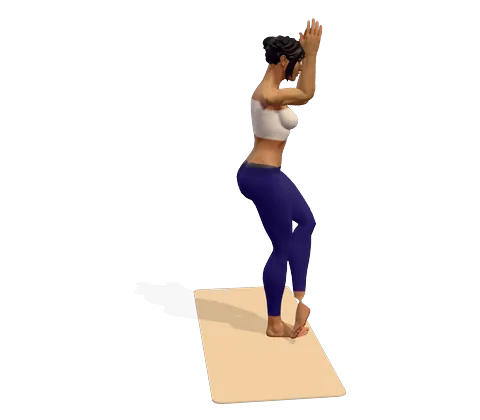 Eagle PoseGarudasana
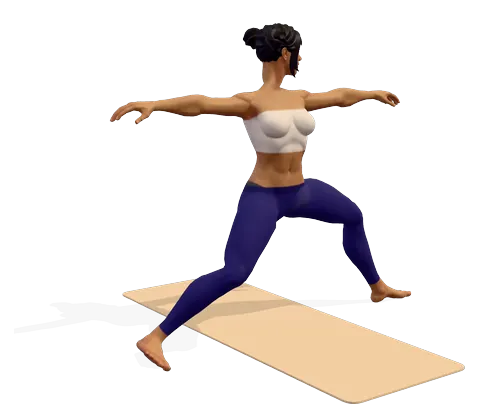 Warrior II PoseVirabhadrasana II
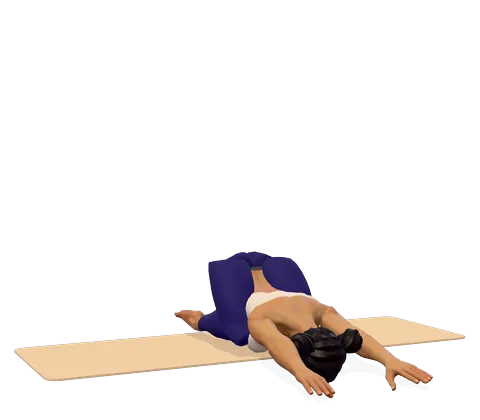 Child’s PoseBalasana
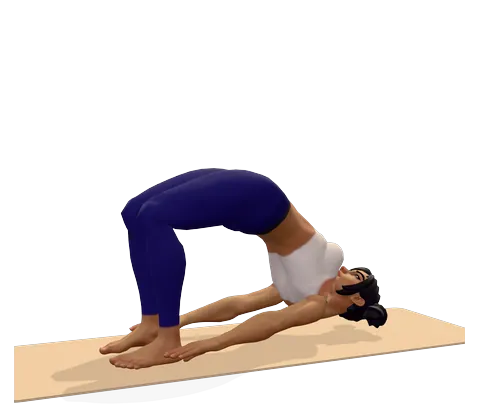 Bridge PoseSetu Bandhasana
Mudras for motion sickness
Hold a mudra while you sit for the breathing practice or a few minutes of quiet. Mudras are a traditional practice; research on them is limited.
Breathing practice
Avoid
Reading or screens in a moving vehicle, and a heavy meal before travel. See a doctor if dizziness comes without travel, or with hearing loss, severe headache or weakness.
Emerging evidence: Small or early trials look promising.
Yoga for motion sickness works on two things: calming the body's alarm response with slow breathing, and training balance so your brain copes better with mixed signals. Motion sickness (travel sickness) is the dizziness, nausea, sweating and pallor you feel in a car, boat, plane or train, or even in virtual reality. Several small studies show that slow breathing reduces symptoms. It is a useful, non-drowsy tool, but it is not as strong as anti-sickness medicine.
What causes motion sickness?
Your inner ear senses movement, while your eyes may tell a different story — for example, when you read in a moving car, your eyes see a still page while your inner ear feels bumps and turns. The brain receives confusing messages and reacts with nausea. Children, pregnant women and people who get migraines are more prone to it.
Researchers also link motion sickness to posture. A 2026 review found that in 13 of 16 studies, body sway and unsteadiness were linked to motion sickness, often appearing before the symptoms. Whether balance training can prevent it is not yet proven, but it is a reasonable reason to practice balance poses.
Exercises for motion sickness: is yoga effective?
The evidence level for this page is emerging. There are no trials of yoga poses for motion sickness, but slow breathing exercises to reduce motion sickness have been tested several times:
- In 46 people prone to motion sickness sitting in a rotating drum, slow deep breathing prevented the stomach rhythm changes linked to nausea, and they reported fewer symptoms than a group that just counted breaths.
- In a virtual-reality boat in rough seas, 43 susceptible people trained in slow belly breathing (about six breaths a minute) felt less sick than those breathing normally.
- A similar study with 60 people found the same: paced belly breathing raised calming nervous-system activity and reduced symptoms.
- In a rotating-chair study, controlled breathing let people tolerate motion for longer before feeling sick — but it was only about half as effective as a standard anti-sickness drug.
So what is the best motion sickness remedy, and what works best for motion sickness overall? For severe or long trips, medicine usually works best. Slow breathing is a good first step, has no side effects, does not make you drowsy, and you can combine it with medicine.
How to stop feeling motion sick: breathing on the move
This is the practice to use in the car, bus, plane or on a boat:
- Sit upright, lean your head back against the headrest and look at the horizon or close your eyes.
- Put one hand on your belly. Breathe in slowly through your nose for about four seconds, letting the belly rise.
- Breathe out slowly through the nose or softly pursed lips for about six seconds.
- Keep going for five to ten minutes. Start as soon as you feel the first queasiness, or better, at the start of the journey.
This is the simplest way to relieve and ease motion sickness without medicine, and slow breathing is also useful yoga for nausea relief in general. Unlike some tablets, yoga for motion sickness is non-drowsy. Practice at home first so it feels natural. Our breathing exercise timer can pace you. At home you can also practice box breathing (Sama Vritti), which trains even, controlled breathing; leave out the holds if you have high blood pressure, heart disease or are pregnant. Anulom Vilom is a good daily calming practice. Sheetali, the cooling breath through a rolled tongue, is traditionally used for heat and queasiness; try it when you feel hot and sweaty.
Yoga asanas for motion sickness: what to practice at home
Poses are for home, not for the back seat. The guided session on this page builds steadiness and calm so your body is less reactive.
Mountain and Tree pose
Tadasana teaches you to stand evenly on both feet. Vrikshasana trains balance by making your inner ear, eyes and feet work together. Start next to a wall. When you feel steady, try a few seconds with your gaze moving slowly, then back to a fixed point.
Cat and cow
Slow spine movement on hands and knees helps you get used to gentle head movement while you breathe calmly. Move slowly; stop if you feel dizzy.
Crocodile, Reclining Bound Angle and Corpse pose
Makarasana, lying on your front with your forehead on your hands, is ideal for belly breathing because you feel the belly press into the floor. Then rest on your back in Supta Baddha Konasana and Savasana, keeping your head still and your breath slow.
More poses: Eagle and Warrior II add balance and focus; Child's pose and Bridge are calming. Once the basics feel easy, add slow head turns while standing to gently challenge your balance system.
Traditionally, Shunya mudra is used for ear-related dizziness. There is no research on this yoga mudra for motion sickness, so treat it as a calm focus while you breathe, not as a cure.
How to avoid travel sickness: home remedies and tips
These remedies for motion sickness, most of them from the NHS, are the best thing for motion sickness before you reach for medicine. They work as motion sickness remedies for adults and help prevent travel sickness in children:
- Reduce motion: sit in the front seat of a car, over the wing on a plane, or in the middle of a boat on a lower deck.
- Look at the horizon or a fixed point far away, or close your eyes.
- No reading or screens while moving, and do not watch passing cars or waves.
- Fresh air: open a window or point an air vent at your face.
- Eat light: skip heavy, fatty or spicy meals and alcohol before and during travel.
- Break long journeys for a walk, water and fresh air.
- Ginger (tea, biscuits or tablets) is the best known of the home remedies for motion sickness and helps some people; acupressure wrist bands work for some but not all.
Cruises, boats, kids and medicine
Yoga for motion sickness for cruises and boats
On a boat, stay on deck in the fresh air, look at the horizon and use slow belly breathing. Most people adapt after a few days at sea. Standing in Tadasana with soft knees, letting your body sway with the boat instead of fighting it, can help.
Yoga for motion sickness for kids
Children are often the most affected, and a calm routine is a good way to help motion sickness in kids. Teach them "balloon breathing": hands on the belly, breathe in to fill the balloon, breathe out slowly to let it go. Distract them with talking, singing or music rather than screens, and play Tree pose at home as a balance game.
Yoga for motion sickness vs promethazine and other medicines
To manage motion sickness on long or rough trips, medicine is one of the best treatments for motion sickness. Anti-sickness tablets and patches, such as promethazine, cinnarizine or hyoscine (scopolamine), are more effective than breathing for strong symptoms, but some cause drowsiness or a dry mouth. A pharmacist can recommend the best medicine for motion sickness for you or your child. Breathing and good habits can reduce how much medicine you need.
Physical therapy for motion sickness
If travel sickness is severe and affects your work or life, a physiotherapist can offer habituation therapy for motion sickness: gradual, repeated exposure to movement until your brain gets used to it. This is how many sailors and pilots learn to overcome, deal with and control motion sickness over time.
Why do I feel sick after yoga?
Feeling queasy during or after a class is common and usually has a simple cause:
- Eating too close to practice. Wait about two hours after a meal.
- Fast flows, spinning transitions or many head-down poses, which disturb your inner ear.
- Getting up too quickly from lying down; roll to one side and sit for a few breaths.
- Heat, dehydration or low blood sugar. Drink water and have a small snack an hour before.
- Forceful breathing such as Kapalbhati, which can make you light-headed.
If you are prone to motion sickness and wonder how to work out with it, choose slower styles, keep your gaze fixed, and avoid quick up-and-down sequences. Our page on yoga for vertigo and dizziness has more gentle options.
How to practice yoga while traveling
A few minutes in your hotel room of Tadasana, Tree pose, cat-cow and slow breathing helps you settle after a long journey. For long flights and time-zone changes, see yoga for jet lag. Feeling motion sickness at home, from video games, VR or fast scrolling, responds to the same breathing and screen breaks. Yoga for when you are sick with an illness rather than travel should be very gentle: lying poses and slow breathing are enough. Yoga for illness recovery means resting when you have a fever and returning slowly as you get better.
सफ़र में उल्टी के लिए योग (yoga for motion sickness in Hindi): गाड़ी में सीधे बैठें, दूर क्षितिज को देखें या आँखें बंद करें। पेट पर हाथ रखकर धीरे साँस लें (लगभग 4 सेकंड) और धीरे छोड़ें (लगभग 6 सेकंड), 5–10 मिनट तक। सफ़र में पढ़ें नहीं, मोबाइल न देखें, खिड़की खोलें और भारी खाना न खाएँ। घर पर ताड़ासन और वृक्षासन से संतुलन का अभ्यास करें। ज़्यादा परेशानी हो तो फार्मासिस्ट से दवा के बारे में पूछें।
When to see a doctor
Motion sickness stops soon after the movement stops. See a doctor if dizziness or nausea happens without travel, lasts for days, or comes with hearing loss, ringing in the ears, a severe headache, double vision, slurred speech or weakness. These need to be checked. If you are pregnant, ask your doctor before taking any anti-sickness medicine.
Practice the guided 3D session on this page a few times a week before your next trip, and find more routines on our practice page.
Research behind this plan
- Jokerst 1999, Aviat Space Environ Med — slow deep breathing (46 susceptible adults) prevented stomach rhythm disturbance and reduced motion sickness symptoms
- Stromberg 2015, Aerosp Med Hum Perform — slow diaphragmatic breathing (43 people) reduced motion sickness in a virtual-reality boat
- Russell 2014, Appl Psychophysiol Biofeedback — paced diaphragmatic breathing (60 people) increased calming nervous activity and reduced symptoms
- Yen Pik Sang 2003, J Travel Med — controlled breathing increased tolerance to motion, about half as effective as anti-sickness drugs
- Rajendran 2026, Ear Nose Throat J — systematic review: 13 of 16 studies linked postural instability with motion sickness
- NHS — Motion sickness: self-help tips and pharmacy remedies
Frequently asked questions
Can yoga cure motion sickness?
No. Slow breathing has been shown in small studies to reduce symptoms, and balance practice may help your body cope, but nothing makes everyone immune. Medicine is stronger for severe symptoms.
What is the best breathing for motion sickness?
Slow belly breathing at about six breaths a minute: breathe in for about four seconds and out for about six. Start at the beginning of the journey or at the first sign of nausea.
Can I do yoga poses in the car?
Not as a passenger in a moving vehicle — stay seated with your seat belt on. Use breathing in the car, and practice the poses at home or during breaks.
Is yoga for motion sickness safe for children?
Yes. Balloon breathing and balance games are safe and fun. Keep screens away during the journey and ask a pharmacist about child-safe medicine for long trips.
Does yoga for motion sickness have side effects?
Slow breathing has no known side effects and does not cause drowsiness. Fast spinning moves or head-down poses can make queasiness worse, so keep practice slow.
Which mudra is used for motion sickness?
Shunya mudra is traditionally used for ear-related dizziness. It has not been studied for motion sickness, so use it as a calm focus alongside breathing.
What helps against motion sickness quickly?
Look at the horizon, get fresh air, stop reading or using screens and start slow belly breathing. These are the fastest ways to combat motion sickness once it starts.
How can I get rid of motion sickness or overcome travel sickness for good?
Many people, especially children, grow out of it, and repeated travel helps the brain adapt. Slow breathing, balance practice and good habits reduce symptoms; there is no guaranteed cure.
What works best for motion sickness on a boat?
Stay on deck, look at the horizon, breathe slowly and eat lightly. Most people adapt within a few days; medicine helps if symptoms are strong.
Medical note: yoga supports treatment; it does not replace it. Keep taking prescribed medicine and talk to your doctor before you start, especially with heart disease, uncontrolled blood pressure, recent surgery, pregnancy, epilepsy or severe pain. Read our medical disclaimer.