Your chronic fatigue syndrome yoga plan
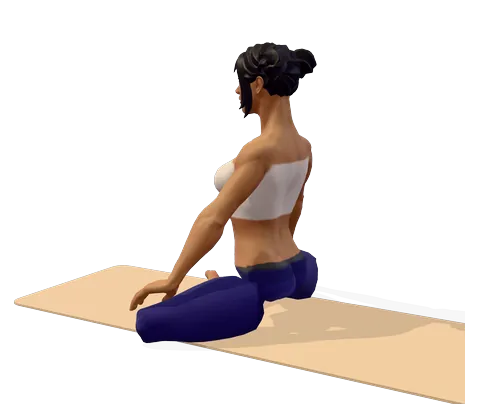 Easy PoseSukhasana
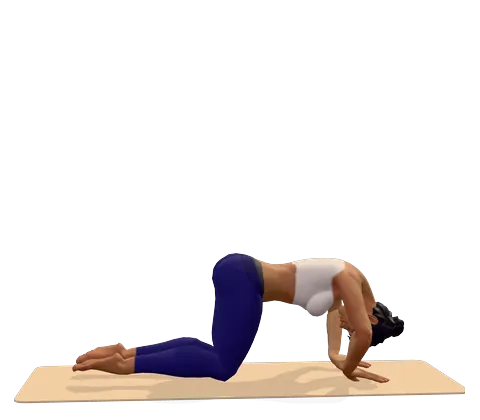 Cat PoseMarjaryasana
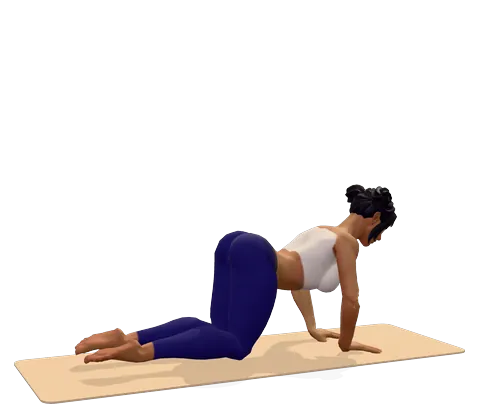 Cow PoseBitilasana
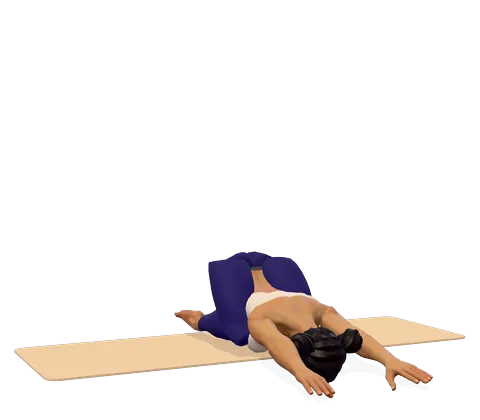 Child’s PoseBalasana
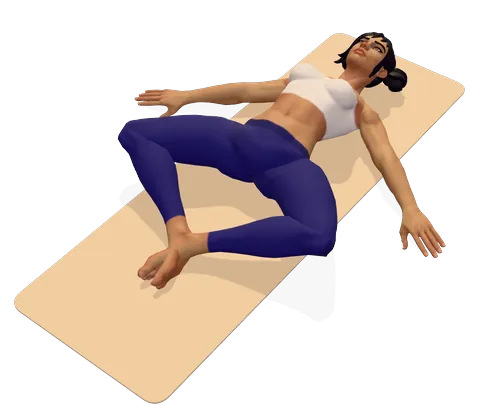 Reclining Bound Angle PoseSupta Baddha Konasana
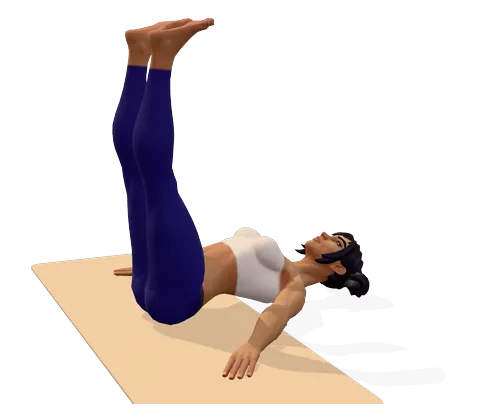 Legs-Up-the-Wall PoseViparita Karani
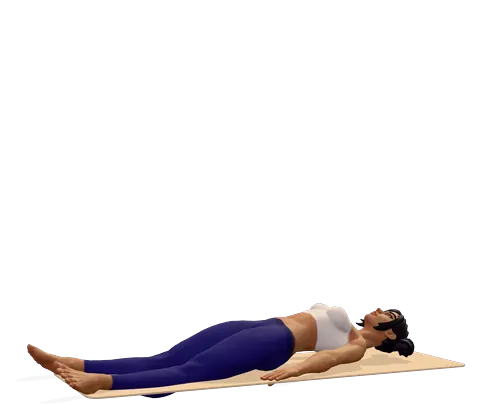 Corpse PoseSavasana
More poses that help with chronic fatigue syndrome
Add these once the session above feels easy, or swap one in when a pose does not suit you.
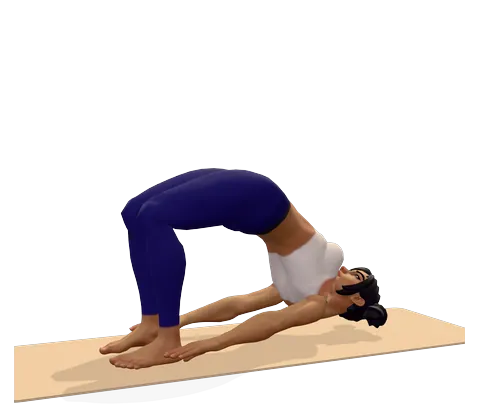 Bridge PoseSetu Bandhasana
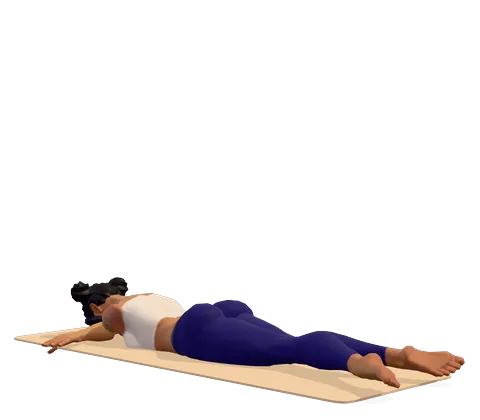 Crocodile PoseMakarasana
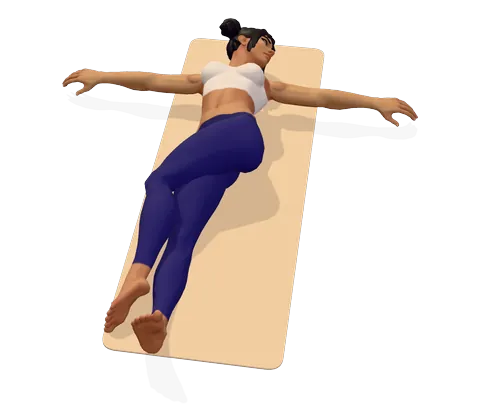 Supine Spinal TwistSupta Matsyendrasana
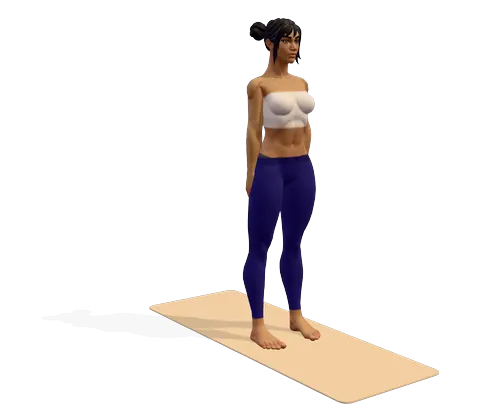 Mountain PoseTadasana
Mudras for chronic fatigue syndrome
Hold a mudra while you sit for the breathing practice or a few minutes of quiet. Mudras are a traditional practice; research on them is limited.
Breathing practice
Avoid
Doing more on good days and crashing after; keep sessions short, mostly lying or seated, and stop before tiredness.
Emerging evidence: Small or early trials look promising.
Guided meditation for chronic fatigue syndrome
Body Scan Meditation (15 min, voice in 28 languages)
Yoga for chronic fatigue has to look very different from a normal yoga class. In chronic fatigue syndrome, also called myalgic encephalomyelitis (ME/CFS), doing too much can trigger post-exertional malaise (PEM): a crash in energy and symptoms that often starts a day or two later and can last days or weeks. So the aim here is not fitness. It is a few minutes of gentle, mostly lying or seated movement, slow breathing and deep rest, always stopping before you feel tired. This page explains how to pace it safely, what the research shows and which poses to use.
Yoga does not cure ME/CFS. Keep working with your doctor, and get a diagnosis before assuming fatigue is ME/CFS: anaemia, thyroid problems, sleep apnoea, depression and other illnesses can cause similar tiredness. Graded exercise therapy (GET), which steadily increases activity, is no longer recommended for ME/CFS by the NHS.
Is yoga good for chronic fatigue syndrome?
It can be, if it is kept short and restful. Yoga is low impact, can be done lying down, and combines three things that may help ME/CFS:
- Gentle movement that eases stiffness and aches without raising the heart rate much.
- Slow breathing that calms the nervous system and may help sleep.
- Deep rest such as Yoga Nidra, which trains you to rest more fully between activities.
What yoga should not be for ME/CFS is a way to "push through" or build fitness. If a session leaves you more tired the next day, it was too much.
What the research says
The evidence is emerging. In a 2014 randomised trial in Japan, 30 people with CFS who had not improved with standard treatment added "isometric yoga" (gentle seated poses where muscles tense lightly without moving, about 20 minutes) to their usual care for around two months. Fatigue scores dropped in the yoga group and not in the control group, and some people also had less pain. There were no serious side effects, but two people felt tired and one dizzy after the first session. That is exactly why pacing matters. Later studies by the same group tested a lying-down version for people with more severe ME/CFS. These are small studies, so treat yoga as a supportive tool, not a treatment for chronic fatigue.
Pacing first: the rules that prevent a crash
How to deal with chronic fatigue starts with energy management, which the NHS describes as learning to use your energy without making symptoms worse. Apply these rules to yoga:
- Find your baseline. Start with what you can do on a bad day without a crash, maybe 3–5 minutes. Stay there for 2–3 weeks.
- Stop before tiredness. End while you still feel you could do more. Never finish a session by pushing through.
- Do not do more on good days. The boom-and-bust cycle (overdoing it when you feel better, then crashing) is the most common trap.
- Watch for a delayed crash. PEM can appear 24–72 hours later. Keep a simple diary of activity and symptoms.
- Increase very slowly. Only add a minute or one pose if two weeks at the current level caused no worsening, and cut back at once if symptoms flare.
- Count yoga as activity. On a day with a doctor's visit or a shower that tires you, yoga may be a rest-only day.
Gentle yoga for chronic fatigue: the poses
These are the poses in the guided session on this page. Pick two or three at first, not all of them. Most can be done in bed or on a sofa, which makes this easy, low-intensity yoga for tired people.
1. Easy pose, or sitting supported
Easy pose (Sukhasana): sit cross-legged against a wall with a cushion under your hips, or sit in a chair with a back. Rest your hands on your thighs and take a few slow breaths. For chair yoga for chronic fatigue, all the seated work can be done here.
2. Cat and cow, very small
Cat pose (Marjaryasana) and cow pose (Bitilasana): on hands and knees, or seated with hands on the knees, gently round and lift the back with the breath 3–5 times. Keep the movement small and slow.
3. Child's pose
Child's pose (Balasana): fold forward over a pile of pillows so your chest and head are fully supported. Stay for as long as it feels restful.
4. Reclining bound angle pose
Reclining bound angle pose (Supta Baddha Konasana): lie back on a bolster or pillows, soles of the feet together, knees supported. This is restorative yoga for chronic fatigue at its simplest: no effort, just rest in a comfortable shape.
5. Legs up the wall
Legs-up-the-wall pose (Viparita Karani): lie with your legs resting up a wall or on a chair seat. Many people with ME/CFS also have dizziness on standing (orthostatic intolerance), and raising the legs can feel good. Come up very slowly: roll to the side, sit for a minute, then stand. See yoga for low blood pressure for more on dizziness.
6. Corpse pose and Yoga Nidra
Corpse pose (Savasana) is the most important pose on this page. A 10-minute Yoga Nidra guides you through deep rest and is a good form of Yoga Nidra for chronic fatigue syndrome, even on bad days.
On better weeks, you might add a small bridge, crocodile pose or a gentle lying twist. Standing poses such as mountain pose come last, if at all.
Breathing and a mudra for low energy
Nadi Shodhana (alternate nostril breathing) for 3–5 minutes can calm a "tired but wired" nervous system. Bhramari (humming bee breath) is soothing before sleep. Keep both slow, with no breath holds and no fast breathing such as Kapalbhati, which can drain energy. Prana mudra, touching the ring and little fingers to the thumb, is traditionally used for vitality; it costs no energy and can be done lying down.
A sample week
| Day | Practice | Time |
|---|---|---|
| Monday | 2–3 lying poses + corpse pose | 5–8 min |
| Tuesday | Yoga Nidra only | 10 min |
| Wednesday | Seated breathing + prana mudra | 5 min |
| Thursday | 2–3 lying poses + corpse pose | 5–8 min |
| Friday | Rest, or Yoga Nidra | 0–10 min |
| Saturday | Guided session on "shorter" hold, stopping early | 8–10 min |
| Sunday | Rest | — |
Adjust to your own baseline. For severe ME/CFS, the whole practice might be breathing and Yoga Nidra in bed, and that is fine.
What helps chronic fatigue besides yoga
There is no single cure for chronic fatigue. Management of chronic fatigue usually includes energy management, support with sleep, pain relief, and help with low mood or anxiety if needed. Physio for chronic fatigue should be led by someone who understands PEM. Chronic fatigue and exercise are a tricky mix: some people improve with carefully paced activity, while others find exercise programmes make them worse, which is why the NHS advises against graded exercise therapy. Physical therapy for chronic fatigue syndrome should always stay below your limit.
You will find many stories online of "how I cured my chronic fatigue", but there is no proven cure and no best medicine for chronic fatigue; treatments for chronic fatigue aim to ease symptoms. Yoga therapy for chronic fatigue fits that goal. It may also help with chronic pain, which is common with ME/CFS: yoga and chronic pain research suggests gentle practice can ease aches. Exercise therapy for chronic fatigue syndrome, if offered, should be paced and flexible, and chronic fatigue syndrome exercises should never leave you worse the next day. Fatigue treatment at home is mostly rest, pacing and good sleep; home remedies for extreme fatigue that promise quick energy rarely help.
Fatigue from other causes behaves differently. For ordinary tiredness or age-related fatigue, gentle yoga to increase energy (cat–cow, a small bridge, slow breathing) may help you fight tiredness and relieve fatigue. If you are simply tired from stress or poor sleep, not ill, gentle morning yoga for energy may help; see yoga for burnout. For fatigue after COVID-19, see yoga for long COVID, which uses the same pacing rules.
थकान के लिए योग (thakan ke liye yoga) — हिंदी में: क्रोनिक फटीग सिंड्रोम में ज़्यादा मेहनत से थकान कई दिनों तक बढ़ सकती है, इसलिए योग बहुत छोटा और आरामदायक रखें। लेटकर या बैठकर बालासन, सुप्त बद्ध कोणासन, विपरीत करणी और शवासन करें। अनुलोम-विलोम या भ्रामरी धीरे-धीरे करें, कपालभाति न करें। थकने से पहले ही रुक जाएँ और अच्छे दिन पर भी ज़्यादा न करें। अपने डॉक्टर से सलाह लेते रहें।
Start the guided chronic fatigue session
The 3D teacher shows each pose so you can learn it just by watching, with a calm voice in 28 languages. Set the hold time to "shorter", keep pillows close, stop whenever you need, and start the guided session.
Research behind this plan
- Oka 2014, BioPsychoSocial Medicine: randomised trial, 30 people with therapy-resistant CFS; isometric yoga reduced fatigue versus usual care, no serious adverse events
- NHS, ME/CFS treatment. Energy management; graded exercise therapy is not recommended
Frequently asked questions
Is yoga good for chronic fatigue syndrome?
Gentle, short yoga may help. A small trial found that seated isometric yoga reduced fatigue in people with CFS who had not improved with standard care. It must be paced carefully to avoid post-exertional malaise.
What is the best yoga for chronic fatigue?
Restorative and lying poses: supported child’s pose, reclining bound angle pose, legs up the wall and corpse pose, plus slow breathing and Yoga Nidra. Avoid fast or strong styles.
Can yoga make chronic fatigue worse?
Yes, if you do too much. Stop before you feel tired, do not do more on good days, and cut back if symptoms flare 1–3 days after a session.
How do I combat chronic fatigue?
Pace your activity, rest before you are exhausted, keep regular sleep, and work with your doctor on pain, sleep and mood. There is no single cure, but good management helps many people.
What is the best way to combat fatigue from ME/CFS?
Pacing. Plan short activities with rest between, and keep within your energy limits. Yoga for extreme fatigue should be mostly lying-down rest and breathing.
Are there side effects of yoga for chronic fatigue?
The main risk is doing too much and triggering a crash. Some people also feel dizzy when they get up; rise slowly and sit before standing.
Is yoga low impact?
Gentle yoga is low impact: there is no jumping, and many poses are done lying or seated, which makes it suitable for tired people and beginners.
Is graded exercise good for chronic fatigue syndrome?
The NHS no longer recommends graded exercise therapy for ME/CFS. Any activity, including yoga, should stay within your energy limits.
Which yoga poses give energy when I am tired?
For ordinary tiredness, gentle cat–cow, a small bridge and a few rounds of alternate nostril breathing can feel refreshing. With ME/CFS, rest-based poses are safer than energising ones.
Medical note: yoga supports treatment; it does not replace it. Keep taking prescribed medicine and talk to your doctor before you start, especially with heart disease, uncontrolled blood pressure, recent surgery, pregnancy, epilepsy or severe pain. Read our medical disclaimer.