Your psoriasis and eczema yoga plan
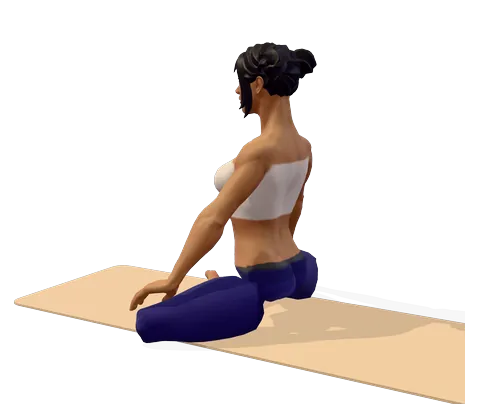 Easy PoseSukhasana
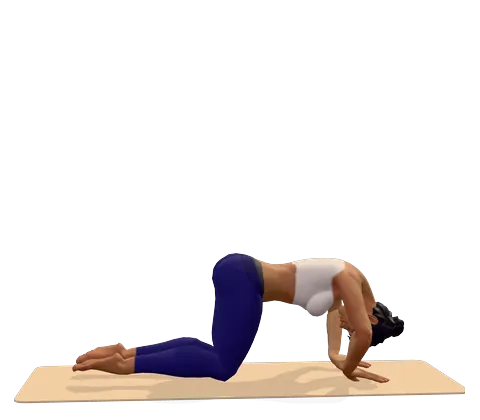 Cat PoseMarjaryasana
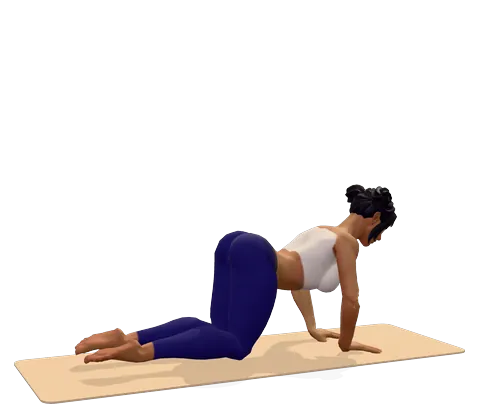 Cow PoseBitilasana
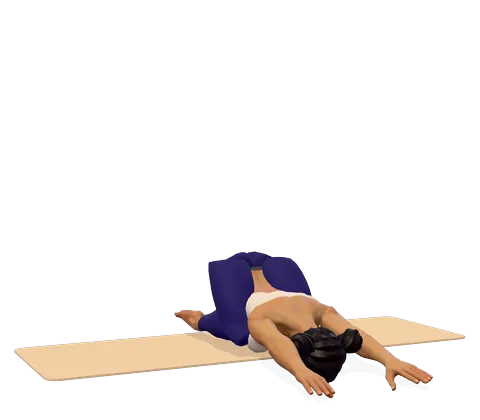 Child’s PoseBalasana
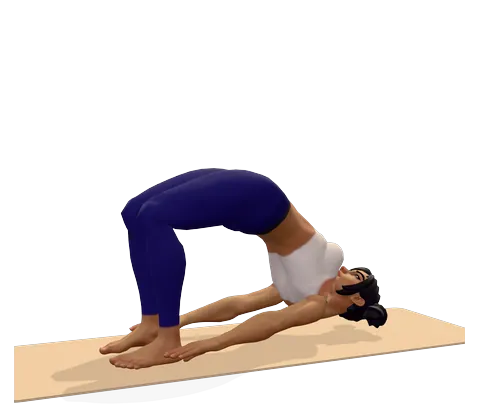 Bridge PoseSetu Bandhasana
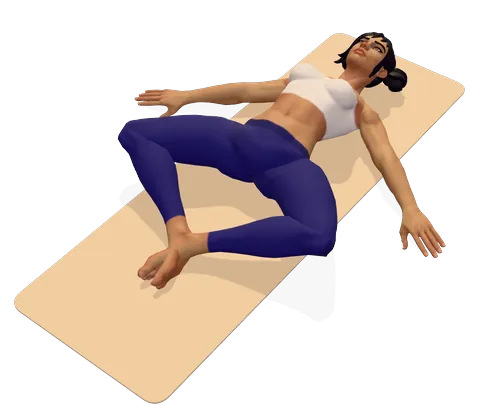 Reclining Bound Angle PoseSupta Baddha Konasana
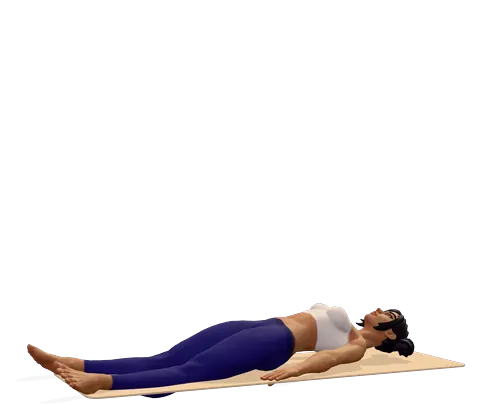 Corpse PoseSavasana
More poses that help with psoriasis and eczema
Add these once the session above feels easy, or swap one in when a pose does not suit you.
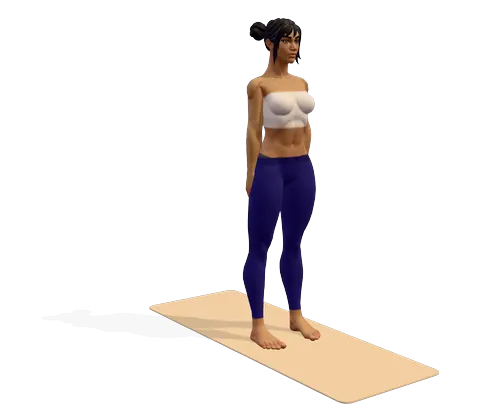 Mountain PoseTadasana
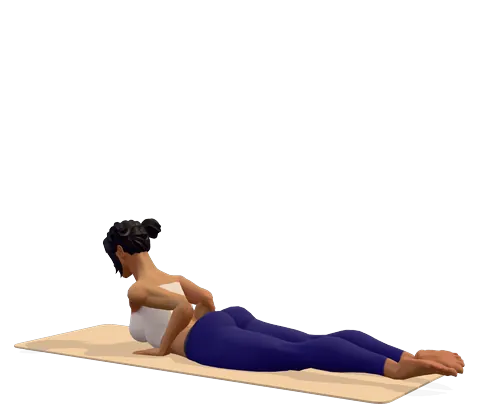 Cobra PoseBhujangasana
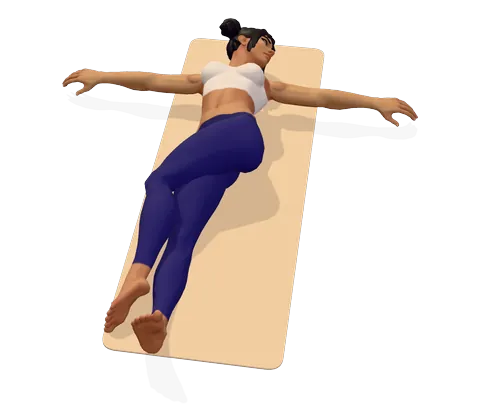 Supine Spinal TwistSupta Matsyendrasana
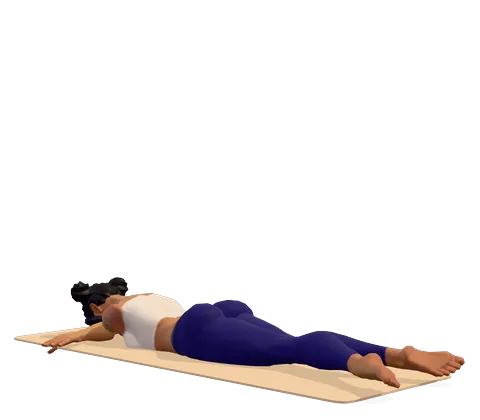 Crocodile PoseMakarasana
Mudras for psoriasis and eczema
Hold a mudra while you sit for the breathing practice or a few minutes of quiet. Mudras are a traditional practice; research on them is limited.
Breathing practice
Avoid
Hot rooms and sweaty sessions that irritate plaques. Keep your prescribed treatment; yoga eases stress, a known trigger.
Emerging evidence: Small or early trials look promising.
Yoga for psoriasis does not clear plaques on its own, but it may help with one of the triggers you can influence: stress. Psoriasis and eczema often flare during stressful times, and the itch and appearance of the skin add stress of their own. A calm, cool yoga practice can help break that cycle while your prescribed treatment does its work. This page covers the research, the gentle poses in the session, the breathing, how to practise without irritating your skin, and how yoga fits with psoriatic arthritis.
Psoriasis, eczema and stress
Psoriasis is a long-term immune condition that speeds up skin cell turnover, causing red or darker, scaly patches, often on the elbows, knees, lower back and scalp. Eczema (atopic dermatitis) causes dry, itchy, inflamed skin. Neither is contagious. The NHS says psoriasis cannot be cured, but treatments can manage symptoms, and it lists stress among the triggers that can cause a flare. For both conditions, the NHS self-care advice includes regular exercise and managing stress.
So what helps for psoriasis? First, the right treatment: creams, light therapy or tablets and injections for more severe disease. Then the everyday habits: moisturising, knowing your triggers, not smoking, less alcohol, regular exercise and stress management. Yoga for psoriasis belongs in that second group.
What the research says: yoga, meditation and psoriasis
The evidence level for this page is emerging. There are few trials of yoga itself for psoriasis. The most-cited study is on meditation: in 1998, Kabat-Zinn and colleagues randomised 37 people with moderate to severe psoriasis who were having light therapy. Those who listened to guided mindfulness meditation during their sessions reached the halfway point and the clear-skin point significantly faster than those who had light therapy alone. It was a small study and needs repeating, but it supports the idea that calming the mind can help alongside treatment.
That is why this plan leans on calm breathing and rest rather than a hard workout. Search results that promise a holistic cure for psoriasis with yoga, or a psoriasis cure in 8 days, are not backed by evidence. Yoga and meditation are support, not a cure.
Does yoga reduce inflammation?
Some small studies of yoga in general populations report changes in inflammation markers in the blood, but results are mixed and we cannot say that yoga reduces the inflammation in psoriasis plaques. What is clearer is that regular physical activity supports a healthy weight, heart health and mood, which matter because psoriasis is linked with a higher risk of heart disease, diabetes and depression. In that sense, yoga for autoimmune disease and yoga for lifestyle diseases overlap: gentle, regular movement is good for the whole body.
Best yoga for psoriasis: the session explained
These yoga asanas for psoriasis match the session cards above. They are chosen to be calming and cool, with little friction on the skin. Hold each for 5–8 slow breaths.
1. Easy pose (Sukhasana)
Sit cross-legged on a cushion. Sukhasana is where you begin and where you do the breathing. If plaques on your ankles or shins rub, sit on a chair instead.
2. Cat–cow (Marjaryasana–Bitilasana)
On hands and knees, round and then lengthen the spine. Cat pose and cow pose loosen the back gently. If your knees have plaques, kneel on a folded soft towel.
3. Child's pose (Balasana)
Fold forward over your knees with the forehead down. Balasana is deeply calming. Use a pillow under your forehead if scalp psoriasis makes the mat uncomfortable.
4. Bridge pose (Setu Bandhasana)
From lying on your back, lift the hips. Setu Bandhasana strengthens the legs and buttocks, useful if joint pain keeps you less active.
5. Reclining bound angle (Supta Baddha Konasana)
Lie back with the soles of the feet together and knees supported by cushions. Supta Baddha Konasana is a restful shape for slow breathing.
6. Corpse pose (Savasana)
Lie still for 5 minutes in Savasana. Notice any urge to scratch and breathe through it rather than acting on it; this is a small, useful skill for itchy skin.
Breathing: Nadi Shodhana, Sheetali and Bhramari
Nadi Shodhana (alternate nostril breathing) is the main calming practice here; do 5 minutes daily. Sheetali, the cooling breath through a curled tongue, is traditionally used when the body feels "hot", and many people with itchy, inflamed skin find it soothing. Bhramari (humming bee breath) is lovely before bed, when itch often feels worse. Varun mudra, traditionally linked with the "water" element and dry skin, can be held while you breathe.
For deeper stress relief, add a guided Yoga Nidra session or a few minutes with our meditation timer, which echoes the meditation used in the study above.
How to practise yoga with psoriasis or eczema
- Keep cool. Heat and sweat are common eczema triggers and can irritate plaques. Practise in a cool, airy room.
- Soft, breathable clothing. Loose cotton reduces friction on plaques.
- Protect your skin from the mat. Put a clean cotton towel over the mat; wash it often.
- Moisturise after. Shower in lukewarm water after a sweaty practice, pat dry and apply your emollient.
- Avoid friction and pressure on cracked skin. Change or skip poses that rub a sore area.
Is hot yoga good for the skin? For psoriasis and eczema, usually not. Heat, sweat and long sessions are among the things we suggest avoiding, as the Avoid box on this page says.
Yoga for psoriatic arthritis
Some people with psoriasis develop psoriatic arthritis, which causes joint pain, stiffness and swelling. Gentle yoga exercises for psoriasis arthritis can help keep joints moving. Psoriatic arthritis hip pain relief yoga might include supported bound angle, bridge and gentle knee hugs, but stop any pose that sharpens joint pain and rest swollen joints during a flare. These psoriasis psoriatic arthritis exercises are best done slowly, with walking or swimming on other days. There is no natural treatment for psoriatic arthritis with yoga alone. Morning stiffness lasting more than 30 minutes, swollen fingers or toes, or heel pain should be checked by a doctor, as early treatment protects joints. Our yoga for arthritis page has more joint-friendly ideas.
How to manage psoriasis and eczema day to day
How to get rid of psoriasis for good is the question everyone asks; there is no permanent cure yet, but long clear spells are possible. The best way to treat psoriasis is the plan your doctor builds with you. At home treatments for psoriasis and eczema that work well alongside it:
- Moisturise often with a plain emollient, especially after washing.
- Use lukewarm, not hot, water; soap substitutes are gentler.
- Keep a diary of triggers: stress, illness, cold dry weather, skin injury, alcohol and smoking are common ones.
- Keep nails short to reduce damage from scratching.
- Get some safe daylight, but avoid sunburn, which can trigger new patches.
Holistic ways to treat psoriasis, including Ayurveda treatment for psoriasis, are popular in India. Tell your doctor about any herbal remedies, as some interact with medicines or affect the liver.
How to soothe psoriasis and eczema when they flare
For quick relief of psoriasis pain or itch, cool the skin: a cool compress, a lukewarm bath with an emollient, then a thick moisturiser. To soothe eczema and relieve the itch, the same steps work, plus loose cotton clothes and cool bedding. Then sit for 5 minutes of Sheetali or slow Nadi Shodhana. It will not fix psoriasis overnight, but it helps you ride out the itch without scratching.
How to improve psoriasis over months is less about any single remedy and more about routine treatment for psoriasis, used steadily. Beware of psoriasis remedies that "really work" in days, DIY treatment for psoriasis with harsh scrubs, or any holistic remedy for psoriasis that asks you to stop your medicines. A holistic approach to treating psoriasis means combining medical care, skin care, stress care and movement.
For yoga asanas for scalp psoriasis, there is nothing special to add: the same calm poses work. Just protect the scalp from the mat and avoid pressing on it in poses such as Hare pose.
सोरायसिस के लिए योग — yoga for psoriasis in Hindi: तनाव सोरायसिस और एक्ज़िमा को बढ़ा सकता है, और योग तनाव कम करने में मदद करता है। रोज़ ठंडे कमरे में सुखासन, मार्जरी आसन, बालासन, सेतुबंधासन, सुप्त बद्ध कोणासन और शवासन करें। फिर 5 मिनट नाड़ी शोधन और शीतली प्राणायाम करें। गर्म कमरे और पसीने वाले योग से बचें, और योग के बाद मॉइस्चराइज़र लगाएँ। डॉक्टर की दवा बंद न करें।
Safety notes
Keep using your prescribed treatment; yoga is an add-on. See a doctor urgently if your skin becomes widely red, hot and painful all over, if you have fever or feel unwell with a flare, or if skin looks infected (weeping, crusting, spreading redness). If you take medicines that affect the immune system, ask your doctor before starting new activities in shared spaces during infection outbreaks.
Yoga for psoriasis side effects are rare when you stay gentle and cool. Stop any pose that rubs or cracks the skin. For more calming practices, see yoga for stress.
Try the guided session
Start the guided 3D session at the top of this page in a cool room. The figure shows each pose, the voice guides your breathing in your language, and you can choose shorter or longer holds. More routines are on the guided sessions page.
Research behind this plan
- Kabat-Zinn J et al. 1998, Psychosomatic Medicine — RCT in 37 people with moderate to severe psoriasis: mindfulness meditation during light therapy led to faster skin clearing
- NHS — Psoriasis: cannot be cured but treatments manage symptoms; stress is a trigger; self-care includes exercise and managing stress
Frequently asked questions
Can yoga cure psoriasis?
No. Psoriasis cannot be cured at present, but treatment can control it. Yoga and meditation may help you manage stress, a known trigger for flares, alongside your prescribed treatment.
Which yoga is best for psoriasis?
Gentle, calming poses such as easy pose, cat–cow, child's pose, bridge and supported bound angle, plus slow breathing such as Nadi Shodhana and the cooling Sheetali breath.
Is hot yoga bad for psoriasis and eczema?
For many people, yes. Heat and sweat can irritate plaques and trigger eczema. Practise in a cool room and moisturise afterwards.
Does meditation help psoriasis?
A small 1998 trial found that people who listened to guided mindfulness meditation during light therapy cleared faster than those who had light therapy alone. More research is needed.
Can yoga help psoriatic arthritis?
Gentle yoga may help joint stiffness and mobility. Rest swollen joints during flares, stop poses that increase pain, and keep your arthritis treatment.
How can I soothe itchy skin during yoga?
Practise in a cool room, wear loose cotton, lay a clean towel over the mat, and breathe through the urge to scratch. Moisturise after you finish.
Can I do yoga with scalp psoriasis?
Yes. Put a soft cloth or pillow under your head in poses like child's pose and Savasana, and wash hair gently afterwards if you sweat.
Medical note: yoga supports treatment; it does not replace it. Keep taking prescribed medicine and talk to your doctor before you start, especially with heart disease, uncontrolled blood pressure, recent surgery, pregnancy, epilepsy or severe pain. Read our medical disclaimer.