Your digestion yoga plan
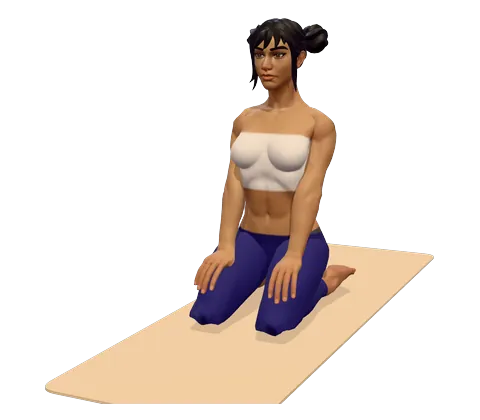 Thunderbolt PoseVajrasana
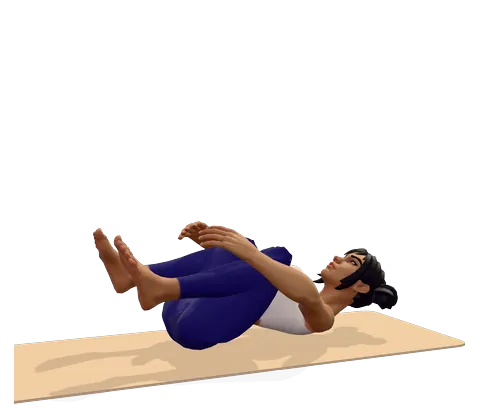 Wind-Relieving PosePavanamuktasana
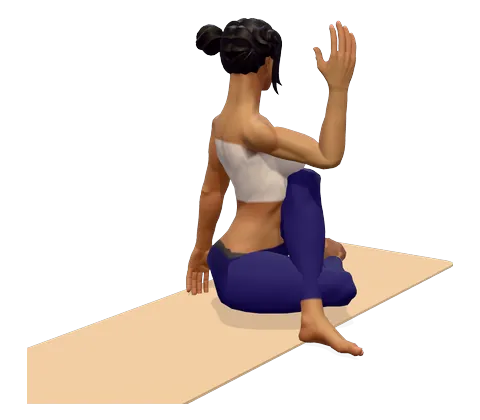 Half Lord of the Fishes PoseArdha Matsyendrasana
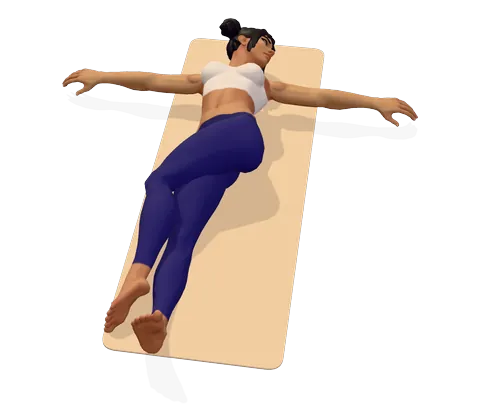 Supine Spinal TwistSupta Matsyendrasana
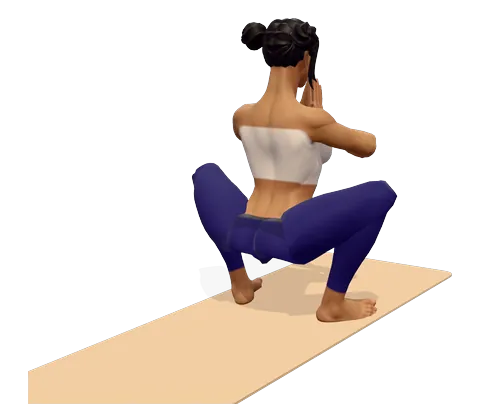 Garland PoseMalasana
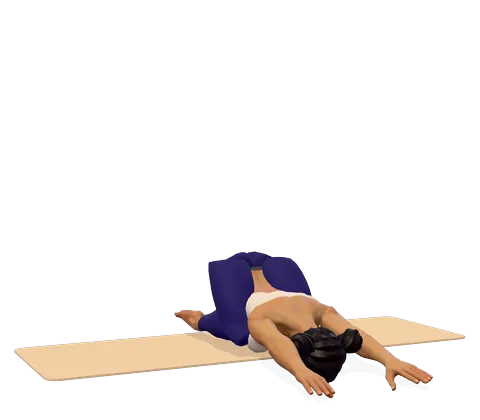 Child’s PoseBalasana
More poses that help with digestion
Add these once the session above feels easy, or swap one in when a pose does not suit you.
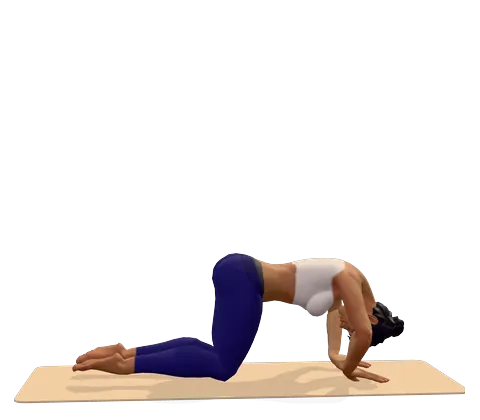 Cat PoseMarjaryasana
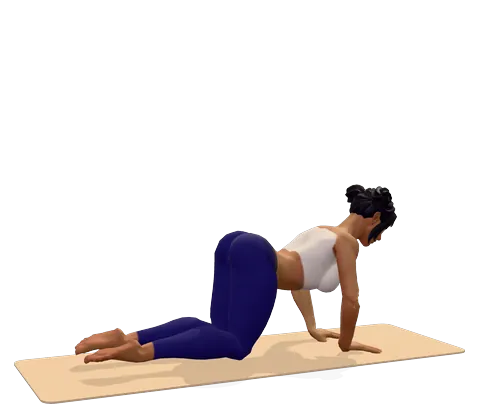 Cow PoseBitilasana
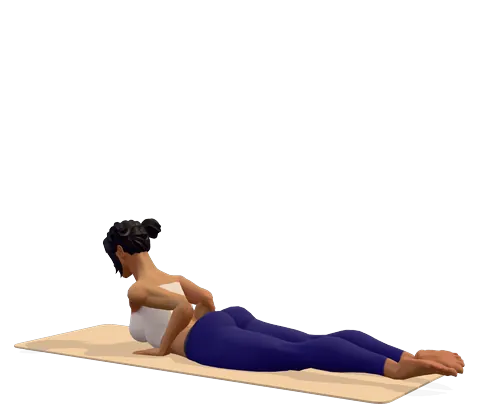 Cobra PoseBhujangasana
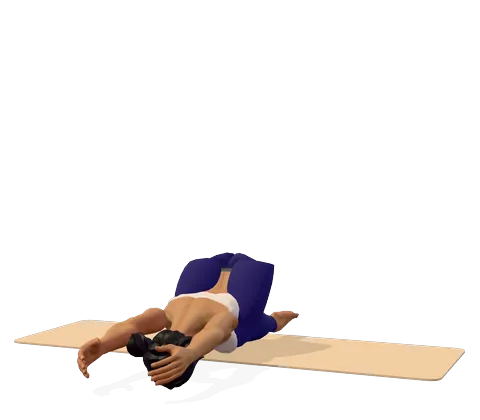 Hare PoseShashankasana
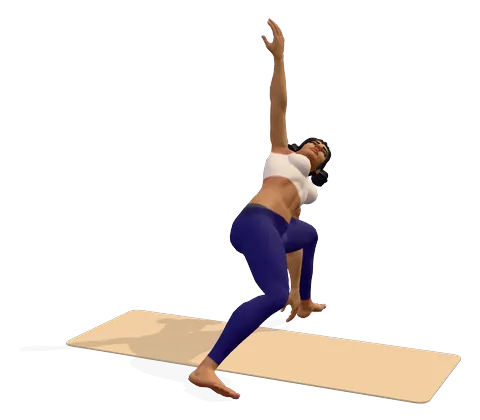 Triangle PoseTrikonasana
Mudras for digestion
Hold a mudra while you sit for the breathing practice or a few minutes of quiet. Mudras are a traditional practice; research on them is limited.
Avoid
Anything but Vajrasana within two hours of a meal.
Traditional practice: Used in classical yoga therapy; few clinical trials so far.
Yoga for digestion is one of the oldest uses of yoga: gentle twists, knee-to-chest poses and slow breathing have been used for centuries to ease gas, bloating and that heavy, sluggish feeling after food. The practice below is simple enough for beginners and takes 10–20 minutes. It is a traditional approach, not a medical treatment, so use it alongside sensible eating habits and your doctor's advice if you have an ongoing digestive problem.
Does yoga help digestion? How it may work
Is yoga good for digestion? For most people with everyday gas and bloating it is a safe, pleasant thing to try, and many find it helps. There are three plain reasons why it may:
- Movement. Gentle movement of the trunk, such as knees-to-chest and lying twists, may help trapped gas move along. Walking has a similar effect.
- Relaxation. Stress and a tight, braced belly often go together. Slow breathing and rest shift the body towards "rest and digest", which is why yoga for digestion and stress are closely linked.
- Better habits. A regular practice tends to bring regular mealtimes, slower eating and more water — all of which support digestive health.
Yoga for gut health is not a "detox"; that claim has no good evidence. The honest aim is comfort: less pressure, less cramping and a calmer stomach.
What the research says about yoga for digestive health
The evidence level for this page is traditional practice. There are very few clinical trials of yoga poses for indigestion, gas or bloating. A 2023 narrative review on functional dyspepsia (ongoing indigestion with no clear cause) found that yoga may act on stress and gut–brain signalling, but noted that proper clinical trials are still needed. The best-studied digestive condition is irritable bowel syndrome, where results are mixed — see our yoga for IBS plan.
The US National Institutes of Health's gas guidance focuses on eating habits: eat more slowly, sit down to eat, avoid chewing gum, fizzy drinks and straws, and notice which foods trigger your symptoms. Yoga fits well next to these habits, not instead of them.
Best yoga poses for digestion, one by one
These are the poses in your plan above, the classic yoga asanas for gas and bloating. Each one has an easier version so that digestion yoga for beginners feels comfortable from day one.
Vajrasana — the only pose right after eating
Kneel and sit back on your heels in Vajrasana (Thunderbolt pose) for 5–10 minutes after a meal. Of all yoga poses for digestion after eating, traditional yoga recommends only this one. It keeps you upright, which is kinder to the stomach than slumping on a sofa. Modification: put a folded blanket or a block between your heels, or a rolled towel under your ankles. If your knees hurt, simply sit upright on a chair instead.
Pavanamuktasana — for trapped gas
Lie on your back and hug one knee, then both knees, into your chest in Pavanamuktasana (Wind-relieving pose). Its name literally means "wind-releasing", and it is the classic choice among yoga poses for gas relief. Rock gently side to side for 5–10 breaths. Modification: keep your head down and hold behind the thighs if hugging the shins strains your neck. This is also the pose to try for yoga for digestion in bed before you get up.
Ardha Matsyendrasana — a seated twist
Sit tall and turn gently to each side in Ardha Matsyendrasana (Half Lord of the Fishes). Lengthen the spine as you breathe in and turn a little more as you breathe out. Modification: keep the bottom leg straight, or twist on a chair. Always twist on an empty stomach.
Supta Matsyendrasana — a lying twist
Lie on your back, draw your knees up and let them fall to one side in Supta Matsyendrasana (Supine spinal twist). This softer twist suits yoga for digestion at night. Modification: place a cushion under the knees so the twist stays small.
Malasana — a supported squat
Squat with feet a little wider than hips in Malasana (Garland pose). The deep hip bend and gentle pressure on the belly are traditionally used for yoga for digestion and constipation. Modification: sit on a block or put a rolled blanket under your heels. Skip it with knee pain.
Balasana — rest and soften
Fold forward over your knees in Balasana (Child's pose) and breathe into your back. Many people find this yoga pose helps to settle the stomach and calm the mind. Modification: widen your knees so your belly has room, and rest your forehead on a cushion.
Breathing practice for digestion
Anulom Vilom (alternate nostril breathing) is slow, calm and safe for most people. Five minutes of this yoga breath before a meal or bed can ease the tension that makes an upset stomach worse.
Kapalbhati is a fast, forceful breath out from the belly. In yoga tradition it is used to "strengthen digestion", but it must be done only on an empty stomach, usually in the morning. Do not practise Kapalbhati if you are pregnant, have high blood pressure, heart disease, epilepsy, a hernia, acid reflux that it worsens, or recent abdominal surgery. If you feel dizzy, stop and breathe normally.
Can you do yoga after eating? Timing around meals
Should you eat before or after yoga? Practise most poses on an empty or near-empty stomach: wait about 2–3 hours after a large meal and about 1 hour after a light snack. Twists, forward folds and anything upside down squash a full stomach and can bring on reflux or cramps.
| When | What to do |
|---|---|
| Straight after lunch or dinner | Vajrasana for 5–10 minutes, or an easy walk. Nothing else. |
| 2–3 hours after a meal | The full plan: twists, knees-to-chest, squat, child's pose. |
| Morning, before breakfast | Good time for twists and, if suitable for you, a short round of Kapalbhati. |
| Before bed | Lying twist, wind-relieving pose and slow breathing — only if dinner was 2–3 hours earlier. |
The same rule applies to working out after a meal: gentle is fine, hard is not. So yoga before or after breakfast? Before is usually more comfortable. And the best yoga after dinner for digestion is simply Vajrasana followed by a short walk. These are also the easiest exercises to do after eating.
Sample weekly routine for good digestion
This routine builds a habit without asking for long sessions. A 10 min yoga exercise for digestion done most days is more useful than one long class a week.
| Day | Practice (10–20 min) |
|---|---|
| Monday | Guided session on this page + 5 min Anulom Vilom |
| Tuesday | Vajrasana after dinner, 10 min walk |
| Wednesday | Wind-relieving pose, lying twist, child's pose, slow breathing |
| Thursday | Guided session + seated twist on each side |
| Friday | Vajrasana after meals; 10 min Yoga Nidra before bed |
| Saturday | Full session with longer holds (choose "longer" in the player) |
| Sunday | Rest or a gentle walk |
Yoga Nidra for digestion works through rest, not movement: lying still and relaxing on purpose may help if stress sets off your stomach. It can also help with sleep, and yoga for digestion and sleep often overlap.
Yoga for gas and bloating: quick relief
For yoga for trapped gas or gas cramps, try this 5-minute sequence on an empty-ish stomach: hug your right knee for 5 breaths, then the left, then both knees while rocking side to side; let the knees drop to each side for a lying twist; finish in child's pose with wide knees. Breathe slowly into the belly. This sequence is the core of yoga for gas relief and is gentle enough for a gassy stomach at the end of the day.
If yoga for gas pain does not help and the pain is severe, constant or comes with fever or vomiting, stop and get medical advice.
Yoga for specific digestion problems
Yoga for digestion and acidity
If you get heartburn, avoid deep forward folds and lying flat after meals, and choose cooling, calm breathing. Our yoga for acidity and acid reflux plan explains the details.
Yoga for gastritis and gastroparesis
Gastritis (an inflamed stomach lining) and gastroparesis (a stomach that empties too slowly, often linked to diabetes) are medical conditions that need a doctor's diagnosis and treatment. Yoga for gastroparesis or gastritis has not been properly studied. Gentle poses and slow breathing are fine for comfort, but skip Kapalbhati and strong twists when you have pain, and follow the eating plan your doctor gives you.
Yoga for digestion and weight loss
Gentle digestion poses burn few calories. If weight is also your goal, add brisker sessions on other days — see our yoga for weight loss plan.
Yin yoga and slow flows
Yin yoga for digestion holds the same lying twist and knees-to-chest shapes for 2–3 minutes. A slow yoga flow for digestion links cat and cow with twists. Choose what feels calm.
Yoga for digestion in pregnancy
Vajrasana and gentle, open side stretches are usually fine, but avoid deep closed twists, lying on your belly and Kapalbhati. Ask your midwife or doctor first.
Yoga for digestion for kids
Children can do wind-relieving pose as a "hug your knees" game and child's pose as a rest. Keep it playful and skip Kapalbhati. Keep sessions short and fun.
What to avoid and when to see a doctor
Yoga for stomach issues and other digestive issues is only for mild, everyday symptoms. See a doctor promptly if you have blood in your stool or black stools, weight loss without trying, trouble swallowing, repeated vomiting, constant or severe belly pain, fever, or you cannot pass gas. Also get checked if your bowel habits change and stay changed for more than a few weeks.
Avoid twists, forward folds and inversions within 2–3 hours of a meal; avoid any pose that presses on a painful spot; and stop if you feel sharp pain. If you have had abdominal surgery or have a hernia, ask your doctor before doing twists or core work.
पाचन के लिए योग (yoga for digestion and the digestive system in Hindi): खाना खाने के तुरंत बाद केवल वज्रासन में 5–10 मिनट बैठें। पवनमुक्तासन, लेटकर मरोड़ (सुप्त मत्स्येन्द्रासन) और बालासन खाली पेट करें, भोजन के 2–3 घंटे बाद। रोज़ 5 मिनट अनुलोम-विलोम करें। कपालभाति केवल सुबह खाली पेट करें, और गर्भावस्था, हाई बीपी या हर्निया में न करें। मल में खून, बिना वजह वजन घटना या निगलने में परेशानी हो तो डॉक्टर से मिलें।
Start the guided digestion session
Ready to try it? Scroll up to the guided 3D session on this page when your stomach is fairly empty: the figure demonstrates each pose, the voice guides you in your language, and the saffron ring shows when to breathe in and out. If you have eaten in the last 2–3 hours, just sit in Vajrasana instead. More sessions are on our guided practice page.
Research behind this plan
- NIDDK (US National Institutes of Health) — Treatment for gas in the digestive tract: eat slowly, swallow less air, adjust trigger foods
- Setia 2023, J Gastrointestin Liver Dis — narrative review: yoga may act on gut–brain mechanisms in functional dyspepsia; rigorous trials still needed
- NCCIH — Yoga: What You Need To Know (safety, who should modify poses)
Frequently asked questions
Which yoga is best for digestion?
For everyday gas and bloating, the most useful poses are Pavanamuktasana (wind-relieving pose), gentle lying and seated twists, Malasana and Child's pose on an empty stomach, plus Vajrasana after meals. Slow breathing such as Anulom Vilom adds relaxation.
Can you do yoga after eating?
Only Vajrasana (sitting on your heels) and an easy walk. Wait about 2–3 hours after a large meal and about 1 hour after a light snack before twists, forward folds or inversions.
Which yoga pose releases gas quickly?
Pavanamuktasana, the wind-relieving pose. Hug one knee, then both knees, to your chest and rock gently from side to side for a few breaths. A lying twist afterwards often helps too.
Is yoga good for digestion and bloating?
It is a traditional, low-risk approach that many people find helpful, but there are few clinical trials. Combine it with slower eating, fewer fizzy drinks and noticing your trigger foods.
What is the best yoga after dinner for digestion?
Sit in Vajrasana for 5–10 minutes, then take a short walk. Leave twists and knee-to-chest poses for later, when your stomach is lighter.
Can yoga fix slow digestion or gastroparesis?
No. Gastroparesis and other ongoing digestive problems need medical diagnosis and treatment. Gentle yoga can support comfort and relaxation alongside your doctor's plan.
Is Kapalbhati good for digestion?
Tradition says it strengthens digestion, but it should only be done on an empty stomach. Skip it in pregnancy and with high blood pressure, heart disease, epilepsy, a hernia or recent abdominal surgery.
How long does yoga take to improve digestion?
Relief from trapped gas can come within minutes. For a steadier routine, practise 10–20 minutes on most days for a few weeks and notice how you feel. If nothing changes or symptoms worsen, see a doctor.
Medical note: yoga supports treatment; it does not replace it. Keep taking prescribed medicine and talk to your doctor before you start, especially with heart disease, uncontrolled blood pressure, recent surgery, pregnancy, epilepsy or severe pain. Read our medical disclaimer.