Your ankylosing spondylitis yoga plan
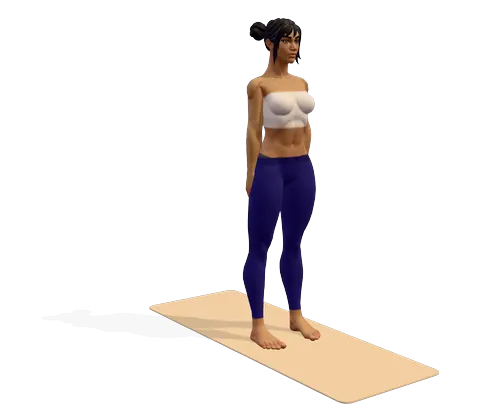 Mountain PoseTadasana
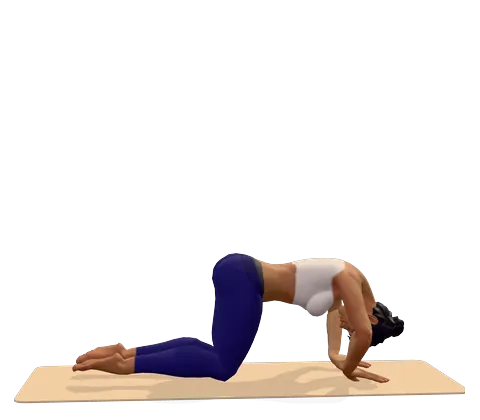 Cat PoseMarjaryasana
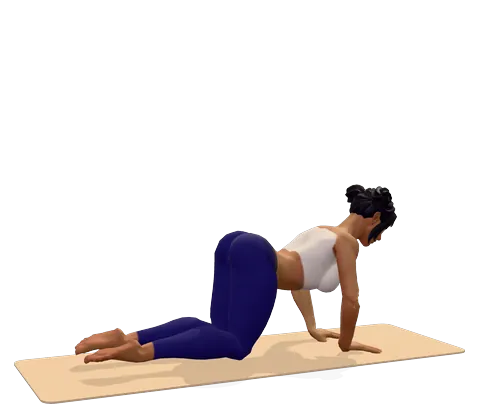 Cow PoseBitilasana
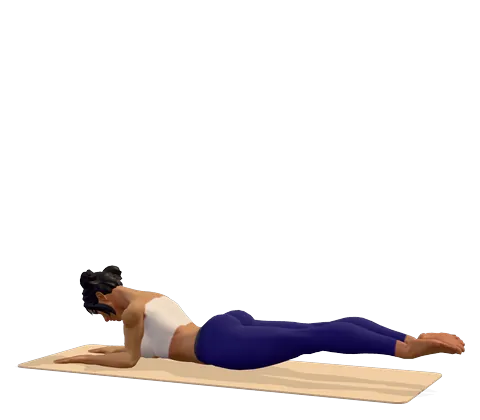 Sphinx PoseSalamba Bhujangasana
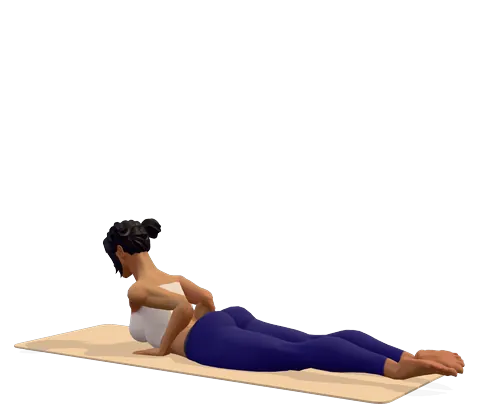 Cobra PoseBhujangasana
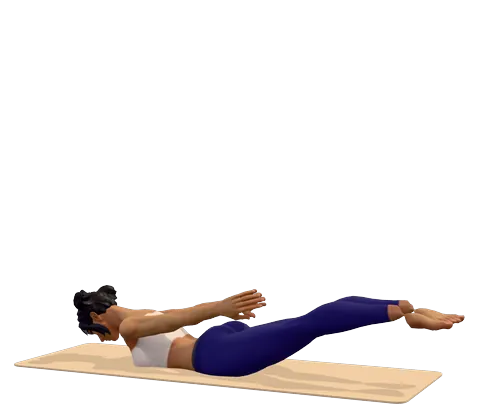 Locust PoseSalabhasana
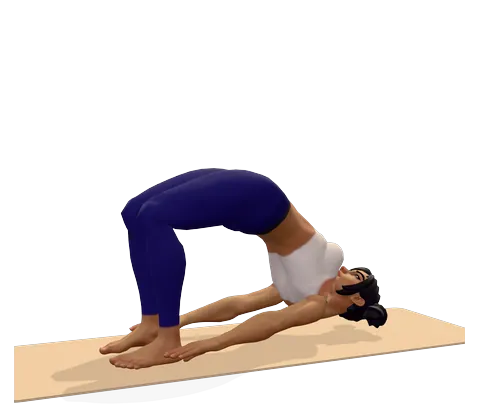 Bridge PoseSetu Bandhasana
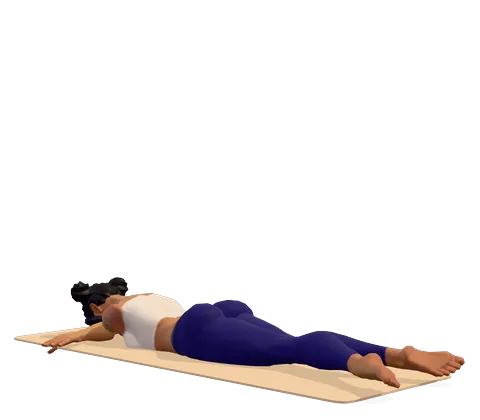 Crocodile PoseMakarasana
More poses that help with ankylosing spondylitis
Add these once the session above feels easy, or swap one in when a pose does not suit you.
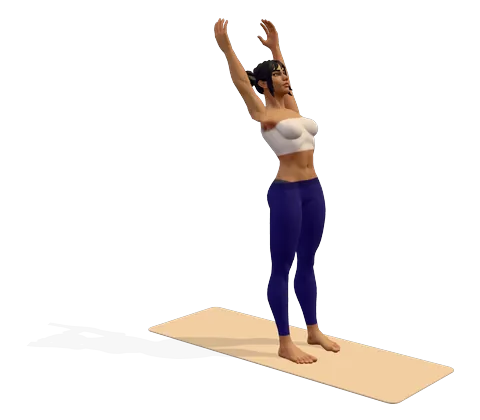 Raised Arms PoseHasta Uttanasana
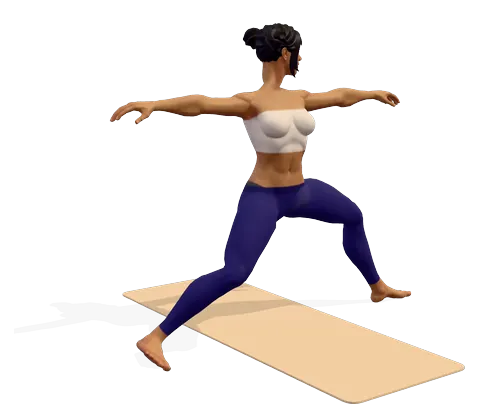 Warrior II PoseVirabhadrasana II
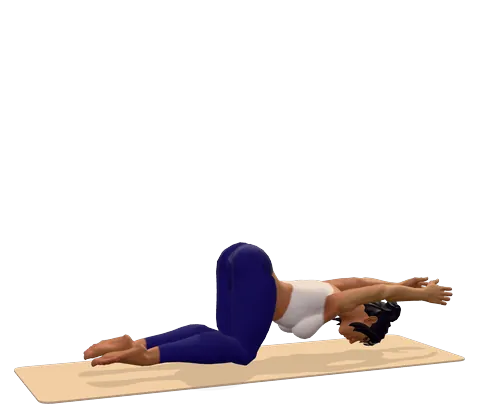 Extended Puppy PoseAnahatasana
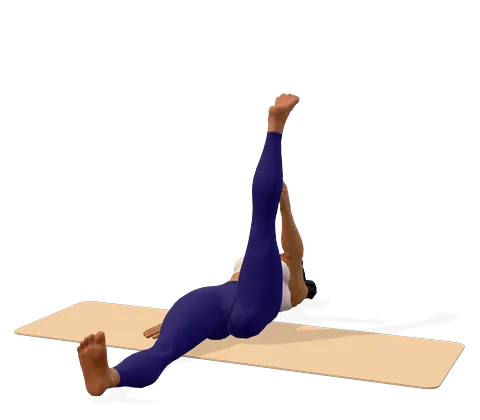 Reclining Hand-to-Big-Toe PoseSupta Padangusthasana
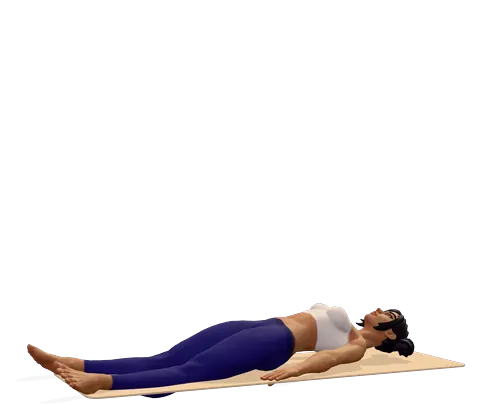 Corpse PoseSavasana
Mudras for ankylosing spondylitis
Hold a mudra while you sit for the breathing practice or a few minutes of quiet. Mudras are a traditional practice; research on them is limited.
Breathing practice
Avoid
Deep forward folds, forced twists, inversions and high-impact moves, especially with a fused spine or osteoporosis. Keep taking prescribed treatment.
Emerging evidence: Small or early trials look promising.
Yoga for ankylosing spondylitis is about one simple goal: keeping your spine, hips and chest moving so that the stiffness of the disease does not take over your posture. Ankylosing spondylitis (AS), also called axial spondyloarthritis, is an inflammatory arthritis of the spine and the joints where the spine meets the pelvis. Regular movement is one of the main parts of treatment, next to medicine. Yoga gives you a calm, structured way to do that movement every day at home.
Yoga supports treatment but does not replace it. Keep taking the medicine your rheumatologist prescribes (for example anti-inflammatory drugs or biologics) and ask your doctor or physiotherapist before you start, especially if parts of your spine are already fused or you have osteoporosis.
Is yoga good for ankylosing spondylitis?
For most people, yes, if the practice is gentle and focused on extension. AS tends to pull the body forward: the upper back rounds, the chest closes, the neck pokes forward and the hips tighten. Good exercise for ankylosing spondylitis works in the opposite direction. It lengthens the front of the body, strengthens the back muscles that hold you upright, keeps the rib cage free for breathing and keeps the hips mobile.
Almost every patient notices that ankylosing spondylitis gets better with exercise and worse with rest. Morning stiffness that eases after moving around is a classic sign of the disease. That is why a short daily routine often helps more than one long session a week.
What the research says
The evidence for yoga itself is emerging: there are only a few small trials. The evidence for exercise in general is stronger:
- A 2019 Cochrane review of 14 randomised trials (1,579 people with AS) found moderate- to low-quality evidence that exercise programmes probably slightly improve physical function and may reduce pain and disease activity compared with no exercise. Most programmes included stretching, strengthening, flexibility and breathing work, which is what a yoga practice offers.
- A 2026 randomised trial in Rheumatology International found that adding yoga-based exercises to a supervised aerobic programme improved spinal mobility and functional capacity in people with AS.
So yoga is a reasonable form of ankylosing spondylitis therapeutic exercise, but it is not a proven treatment on its own. Think of it as one tool in the plan your rheumatology team gives you.
Yoga poses for ankylosing spondylitis, one by one
These eight poses make up the guided session on this page. They move from standing posture work to floor poses that extend and strengthen the back. The 3D teacher shows each one, and the Body guide button lights up the areas that stretch and work.
1. Mountain Pose: posture check
Tadasana is your daily posture test. Stand with your back against a wall: heels, buttocks, shoulder blades and the back of your head should touch it, or come as close as they comfortably can. Lengthen the back of your neck and breathe into the sides of your ribs. Over the weeks, notice whether the gap between your head and the wall changes.
2 and 3. Cat and Cow: spinal mobility
Cat and Cow move the whole spine, one segment at a time. On hands and knees, round the back as you exhale, then lift the chest and tailbone as you inhale. Spend more time in the Cow shape, since extension is what AS takes away. Move slowly and only as far as each part of the spine allows.
4. Sphinx Pose: gentle extension
Sphinx Pose is the safest backbend for most people with AS. Lie on your front with your elbows under your shoulders. Draw the chest forward, not up, and keep the neck long. If lying on your front is not possible, do this standing with your forearms on a wall.
5. Cobra Pose: stronger back
Cobra Pose adds more lift. Keep the elbows bent and close to the body and use your back muscles rather than pushing with your arms. A low Cobra held for a few breaths is better than a high one that pinches the lower back.
6. Locust Pose: the posture muscles
Salabhasana is the best answer to the question "which yoga pose strengthens the spine?" It works the long muscles on either side of the spine that hold you upright. Lift the chest, or the legs, or both, just a few centimetres. Beginners can lift one leg at a time.
7. Bridge Pose: hips and upper back
Setu Bandhasana opens the front of the hips and strengthens the glutes and back. Lift the hips slowly and keep the weight on the shoulders, not the neck. A block under the sacrum turns it into a supported rest.
8. Crocodile Pose: rest and belly breathing
Makarasana lets the back rest in a gentle extension. Lie on your front, forehead on stacked hands, and feel the breath press the belly and lower ribs into the floor.
Breathing for a stiff rib cage
AS can affect the joints where the ribs meet the spine, so the chest expands less and breathing feels shallow. Breathing exercises are part of most physiotherapy for ankylosing spondylitis. Ujjayi breathing slows the breath and asks the rib cage to open fully, and Anulom Vilom calms the nervous system, which helps on painful days. Place your hands on the sides of your ribs and try to widen them under your palms with each inhale.
Ankylosing spondylitis exercises to avoid
The safest ankylosing spondylitis exercises to do are slow, controlled and focused on extension. Be careful with these:
- Deep forward folds. Rounding forward under load adds to the stooped posture and can stress a stiff spine.
- Forced twists. Twist gently and never pull yourself deeper with your arms.
- Inversions. Headstand, Shoulder Stand and Plow put weight through the neck, which may be fused or fragile.
- High-impact and jumping. Jumping between poses jars the spine.
- Anything with osteoporosis. People with long-standing AS often have lower bone density; a fused spine can fracture after a small fall. See yoga for osteoporosis for safe options.
Yoga for ankylosing spondylitis has few side effects when done this way. Normal muscle tiredness is fine; sharp pain, new numbness or pain that lasts into the next day means you did too much.
A daily routine: how often and when
Ankylosing spondylitis daily exercises work best as a habit. A simple plan:
| When | What | Time |
|---|---|---|
| Morning, after a warm shower | Mountain Pose at the wall, Cat and Cow, Sphinx | 10 minutes |
| Evening, 3–5 days a week | The full guided session with all eight poses | 20–25 minutes |
| Every day | Ujjayi breathing with hands on the ribs | 3–5 minutes |
| Most days | Walking, swimming or cycling | 20–30 minutes |
Warmth helps a stiff body, so many people prefer to practise after a shower. On flare days, keep the practice short and gentle rather than skipping it altogether. Set up the plan in the yoga plan maker and log your sessions in the practice tracker.
Pain relief exercises and stretches for a stiff back
For ankylosing spondylitis pain relief, yoga works best as gentle, regular movement rather than long holds. These ankylosing spondylitis stretching exercises target the areas that stiffen first:
- Thoracic spine: yoga for the thoracic spine means Sphinx, Cow and Anahatasana (Extended Puppy) to open the upper back and chest.
- Stiff shoulders: yoga for stiff shoulders here is Raised Arms Pose with the back against a wall, arms reaching overhead.
- Hips: Warrior II and Reclining Hand-to-Big-Toe Pose with a strap keep the hips from tightening.
The UK NHS exercise advice for ankylosing spondylitis also stresses daily stretching, strengthening and breathing, so these exercises for ankylosing spondylitis patients fit well with what a physiotherapist or physical therapy programme will teach. Ask for ankylosing spondylitis therapy exercises tailored to your spine, and use yoga to practise them between appointments. Good ankylosing spondylitis management exercises and good ankylosing spondylitis therapy yoga look very similar: slow, extension-focused and done most days.
Yoga for strengthening the spine and yoga for spinal health are not the same as yoga for spinal arthritis of the wear-and-tear type. Yoga for cervical spondylosis or lumbar spondylosis (age-related disc and joint changes) uses similar gentle poses, but AS is an inflammatory disease and needs a rheumatologist. Treatment for ankylosing spondylitis in women is the same as in men, although women are more often diagnosed late, so see a doctor if you have long-lasting inflammatory back pain.
Which style: Iyengar, yin or Pilates?
Iyengar yoga for ankylosing spondylitis is often a good fit because it uses props (walls, blocks, straps, chairs) and pays close attention to spine alignment. Yin yoga for ankylosing spondylitis holds poses for several minutes; long passive holds can feel good in the hips, but avoid long forward folds. Asking "yoga or Pilates for ankylosing spondylitis?" is less important than practising regularly: Pilates also trains the back and core, and many people enjoy both. The best exercise for ankylosing spondylitis is the one you will do every day.
How to cope with ankylosing spondylitis day to day
Learning how to manage ankylosing spondylitis goes beyond the mat:
- Take your medicine as prescribed; modern treatments have changed the outlook of the disease.
- Stop smoking; it is linked to worse spinal damage and reduced lung function in AS.
- Sleep on a firm mattress with a thin pillow, and spend a few minutes lying on your front each day.
- Stand up and stretch every 30 minutes at work; check your posture against the posture guide.
- See a physiotherapist who knows AS for a personal programme and to check your progress.
If you search for how to treat ankylosing spondylitis naturally, be careful: exercise, not stopping smoking and a healthy weight are the natural steps with good evidence. Diets, supplements and Ayurvedic remedies have not been shown to change the disease and should not replace your medicine.
एंकिलॉजिंग स्पॉन्डिलाइटिस के लिए योग — हिंदी में इस बीमारी में रीढ़ की हड्डी अकड़ जाती है और शरीर आगे झुकने लगता है। रोज़ हल्का योग जैसे ताड़ासन, मार्जरी-बिटिलासन, स्फिंक्स, भुजंगासन और शलभासन रीढ़ को चलायमान और पीठ की मांसपेशियों को मज़बूत रखते हैं। उज्जायी श्वास से पसलियां खुलती हैं। आगे झुकने वाले गहरे आसन और शीर्षासन न करें। डॉक्टर की दवा बंद न करें।
Research behind this plan
- Regnaux 2019, Cochrane Database Syst Rev — 14 RCTs (1,579 people): exercise probably slightly improves function and may reduce pain in AS
- Önal 2026, Rheumatol Int — RCT: yoga-based exercise added to aerobic training improved spinal mobility and functional capacity in AS
- NCCIH — Yoga: what you need to know (safety and evidence overview)
Frequently asked questions
Is yoga good for ankylosing spondylitis?
Gentle yoga that focuses on extension, back strength and breathing is a good form of exercise for most people with AS. Exercise programmes probably slightly improve function and may reduce pain. Ask your doctor first if your spine is fused or you have osteoporosis.
What are the best yoga poses for ankylosing spondylitis?
Mountain Pose against a wall, Cat and Cow, Sphinx, Cobra, Locust, Bridge and Crocodile. They extend the spine, strengthen the posture muscles and keep the hips and chest open.
Which exercises should I avoid with ankylosing spondylitis?
Deep forward folds, forced twists, inversions like Headstand and Shoulder Stand, high-impact jumping and contact sports. Take extra care with any balance work if your bones are thin.
How often should I do exercises for ankylosing spondylitis?
Ideally every day. A short 10-minute morning routine plus a longer session three to five times a week works well for many people. Consistency matters more than intensity.
Can yoga cure ankylosing spondylitis?
No. There is no cure for AS. Yoga can help you stay mobile, ease stiffness and feel more in control, but medicine prescribed by a rheumatologist controls the inflammation.
Is yoga or Pilates better for ankylosing spondylitis?
Both can help. Yoga adds breathing work and extension, Pilates adds core control. Choose the one you enjoy and can do regularly, or combine them.
Should I exercise during an AS flare?
Yes, but gently. Do a short, slow routine of Cat and Cow, Sphinx and breathing, and skip strengthening work until the flare settles. Stop if pain is sharp.
Medical note: yoga supports treatment; it does not replace it. Keep taking prescribed medicine and talk to your doctor before you start, especially with heart disease, uncontrolled blood pressure, recent surgery, pregnancy, epilepsy or severe pain. Read our medical disclaimer.