Your tinnitus yoga plan
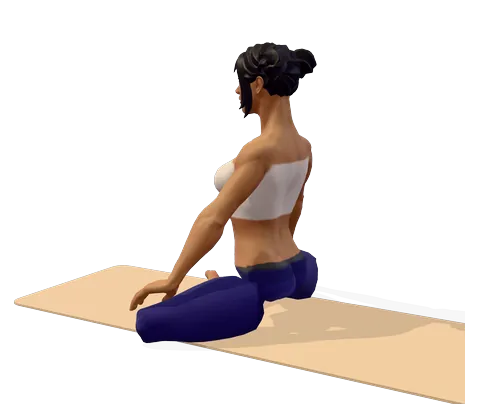 Easy PoseSukhasana
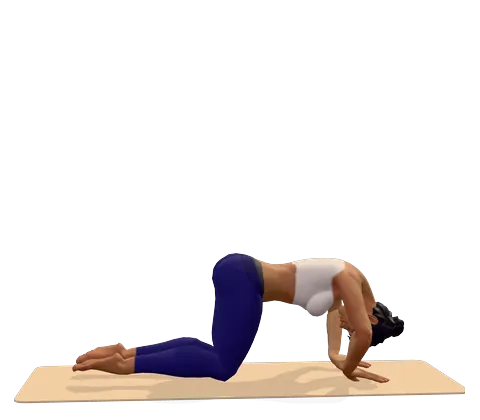 Cat PoseMarjaryasana
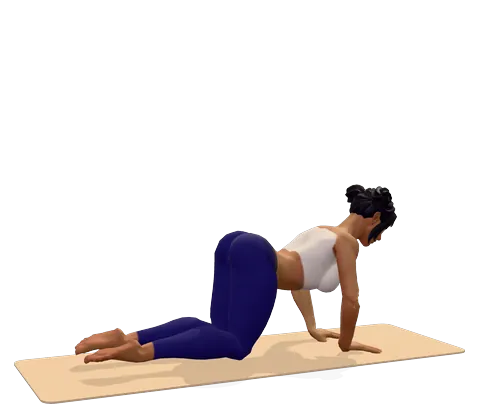 Cow PoseBitilasana
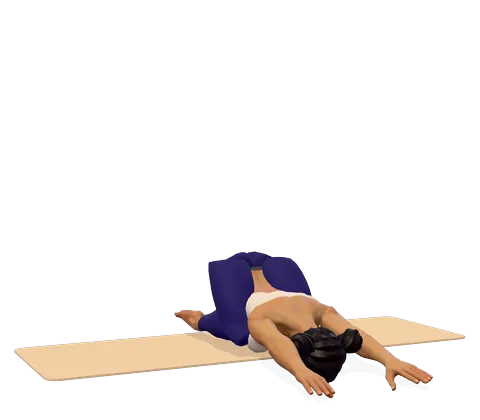 Child’s PoseBalasana
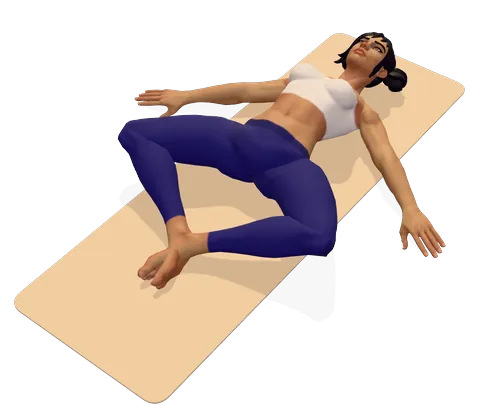 Reclining Bound Angle PoseSupta Baddha Konasana
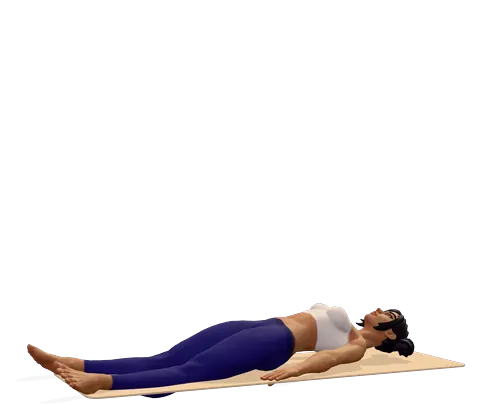 Corpse PoseSavasana
More poses that help with tinnitus
Add these once the session above feels easy, or swap one in when a pose does not suit you.
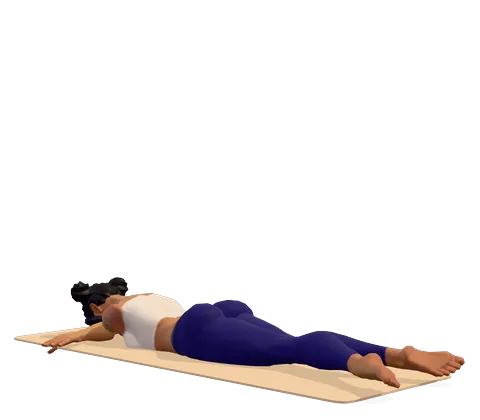 Crocodile PoseMakarasana
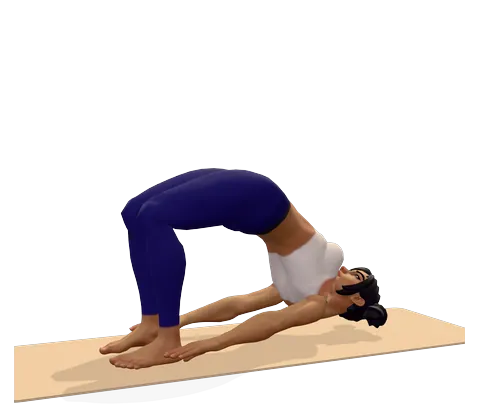 Bridge PoseSetu Bandhasana
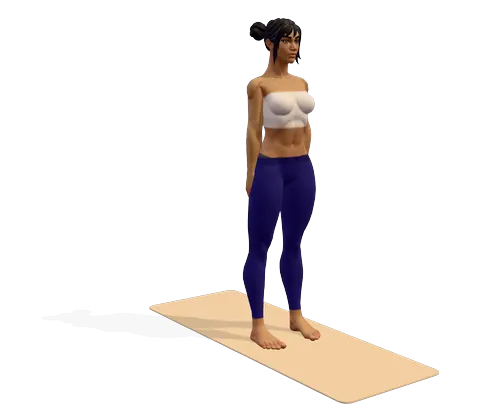 Mountain PoseTadasana
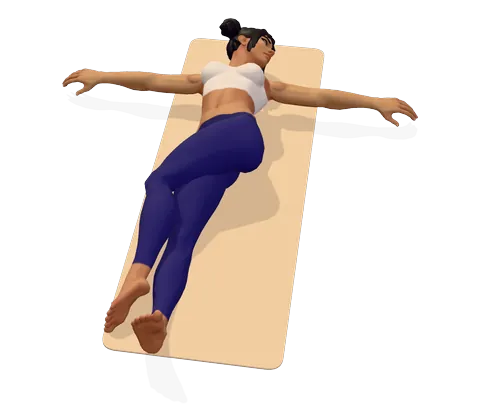 Supine Spinal TwistSupta Matsyendrasana
Mudras for tinnitus
Hold a mudra while you sit for the breathing practice or a few minutes of quiet. Mudras are a traditional practice; research on them is limited.
Breathing practice
Avoid
Loud music and very forceful breathing. See an ENT doctor for tinnitus in one ear or with sudden hearing loss.
Traditional practice: Used in classical yoga therapy; few clinical trials so far.
Guided meditation for tinnitus
Body Scan Meditation (15 min, voice in 28 languages)
Yoga for tinnitus works on how you respond to the sound, not on the sound itself. Tinnitus — ringing, buzzing, hissing or humming that does not come from outside — often gets louder when you are stressed, tired or anxious, and quieter in your attention when you are relaxed. Gentle poses, slow breathing and rest can calm that stress loop. This page covers the poses in the guided session, the best breathing and meditation for tinnitus sufferers, what research shows, and when you need an ear specialist.
See a doctor or ENT specialist if tinnitus is in one ear only, pulses in time with your heartbeat, comes with hearing loss, dizziness or ear pain, or follows a head injury. Sudden hearing loss is an emergency — get help the same day, because early treatment matters.
Can yoga help tinnitus? How it works
For most people, tinnitus is linked to changes in hearing, often from age or noise exposure. The brain "turns up the volume" to fill the gap, and a sound appears. What makes tinnitus distressing, though, is often the reaction: the sound feels threatening, you focus on it, stress rises, sleep suffers, and the sound seems louder still.
Yoga cannot fix the ear, but it can help with that reaction:
- Relaxation lowers arousal. A calmer nervous system notices the sound less.
- Attention training. Moving and breathing with focus gives the mind something else to follow.
- Neck and jaw release. Tension in the neck and jaw can change tinnitus for some people; gentle movement may help them.
- Better sleep. Evening rest practices make it easier to fall asleep with the sound.
Does yoga cure tinnitus? What the research says
No, yoga does not cure tinnitus. The support for it is mostly traditional and practical, with a small amount of early research. A 2021 systematic review found only five studies on yoga and meditation for tinnitus; three of them showed less tinnitus severity, stress, anxiety and irritability and a better quality of life. The authors said yoga and meditation look promising alongside regular ear and hearing care, and that proper randomised trials are still needed.
The NHS lists relaxation — including deep breathing and yoga — among self-help steps for tinnitus. The best therapy for tinnitus that is distressing is usually tinnitus counselling or cognitive behavioural therapy (CBT), sound therapy, and hearing aids if you have hearing loss. Yoga fits well next to these.
Yoga poses for tinnitus, one by one
The guided session on this page is gentle and quiet. Practise in a calm room with a soft background sound if silence makes the ringing stand out.
Easy pose (Sukhasana)
Easy pose opens the session. Sit tall on a cushion, let your shoulders drop away from your ears and unclench your jaw — let your teeth part slightly.
Cat and cow (Marjaryasana–Bitilasana)
Cat and cow move the whole spine, including the neck. Let your head follow the spine slowly; this is a mild neck exercise for tinnitus-related tension, without forcing.
Child's pose (Balasana)
Child's pose quiets the senses. Rest your forehead on a cushion. If lowering your head makes a pulsing sound louder, raise the cushion or skip the pose.
Reclining bound angle (Supta Baddha Konasana)
Reclining bound angle is a supported rest that opens the chest. Use pillows under your knees and a folded blanket under your head.
Corpse pose (Savasana)
Corpse pose is where you practise being with the sound without fighting it. More on that below.
From the extra poses, crocodile pose (lying on your front, forehead on your hands) is a restful alternative, and bridge pose adds gentle strength.
Neck exercises for tinnitus relief
Some people have "somatic" tinnitus, where the sound changes when they clench the jaw or move the neck. For them, neck exercises to reduce tinnitus may help a little. Try these slowly, sitting tall:
- Chin tuck: gently slide your chin back, as if making a double chin. Hold for a breath, release. Repeat five times.
- Side stretch: tilt your right ear towards your right shoulder, hold for three breaths, then switch.
- Slow turns: turn your head to look over one shoulder, then the other, within a comfortable range.
- Jaw release: let your mouth open slightly and massage the muscles in front of your ears with small circles.
That last step is a simple massage for tinnitus relief; a physiotherapist can advise on physical therapy for tinnitus if neck or jaw problems seem to be involved. Stop any exercise that makes the sound much louder or causes dizziness.
Breathing and the yoga mudra for tinnitus
Bhramari (humming bee breath)
Bhramari is often suggested as ringing in ears remedies in yoga. You hum softly on a long out-breath, sometimes with the ears gently closed by the thumbs. Many people with tinnitus find the hum pleasant because it gives the ears a sound they control, and the slow exhale is calming. Keep the hum soft — never loud — and if it makes your tinnitus worse afterwards, hum with the ears open or skip it.
Nadi Shodhana (alternate-nostril breathing)
Nadi Shodhana is slow and even; it suits evenings. Avoid forceful breathing such as Kapalbhati and Bhastrika, and breath holds, which raise pressure in the head.
Shunya mudra
Shunya mudra — the middle finger folded to the base of the thumb, the thumb pressing lightly on it — is the traditional yoga mudra for tinnitus and ear problems. There is no scientific evidence that it changes hearing, but holding it while you breathe slowly can be a calm, focusing ritual. Time your breathing with the breathing timer.
How to meditate with tinnitus
Many people worry that silence during meditation will make the ringing unbearable. Mindfulness meditation for tinnitus works differently: instead of trying to block the sound, you learn to notice it with less alarm.
- Sit or lie down comfortably. Play a soft, steady background sound, such as a fan or rain, if you like.
- Notice your breath for a minute.
- Let your attention include all sounds — the room, the background, and the tinnitus. Label them simply: "sound".
- When you notice yourself tensing against the ringing, breathe out slowly and let your shoulders drop.
- Return to the breath. Start with 5 minutes on the meditation timer.
This approach is similar to CBT exercises for tinnitus, which teach you to change the thoughts and reactions around the sound. Guided Yoga Nidra is another way to relax with tinnitus, since the voice gives your mind something to follow.
Exercises for ringing in the ears: what can and cannot help
Online you will find many ear exercises for tinnitus and promises of an exercise to stop ringing in ears for good. Be careful: no exercise has been shown to remove tinnitus. What exercises for tinnitus relief can do is make it less intrusive.
- Tinnitus yoga exercises and relaxation (this page) lower stress, one of the strongest amplifiers of the sound.
- Neck and jaw exercises may ease ear ringing for people whose tinnitus changes when they move the jaw or neck.
- Brain exercises for tinnitus — sound therapy and so-called neuroplasticity exercises used in tinnitus retraining — aim to help the brain filter the sound out. These are best guided by an audiologist.
- Aerobic exercise, such as walking, is a good exercise to help with tinnitus stress and sleep, even if it does not change the sound.
So how to improve tinnitus day to day? Combine calm, regular exercise, good sleep, protection from noise and proper hearing care. Tinnitus treatment at home through meditation and yoga is a support to that plan; claims that any diy remedy for tinnitus or best treatment for tinnitus in ayurveda will cure it are not backed by good evidence.
Yoga for tinnitus side effects are rare: loud music in classes, forceful breathing, head-down poses with pulsing tinnitus, or a very loud hum in Bhramari can make the sound seem worse for a while.
How to help tinnitus at home: a daily routine
These tinnitus home remedies that work are simple, low-risk habits:
| When | What to do |
|---|---|
| Morning | Neck exercises for tinnitus + 3 minutes of Nadi Shodhana |
| Midday | Take short breaks from noise; keep headphone volume low |
| Evening | The guided session on this page, with soft background sound |
| Bedtime | Soft Bhramari or Yoga Nidra; a fan or quiet sound machine to avoid total silence |
| Weekly | Note stress, sleep and tinnitus loudness in your practice log to spot patterns |
Also: protect your ears from loud music and noise (earplugs at concerts), limit caffeine and alcohol if they seem to make it worse, and keep a steady sleep routine. See yoga for sleep for a full bedtime plan and yoga for stress if stress is your main trigger.
Tinnitus with hearing loss, vertigo or clogged ears
Yoga for tinnitus and hearing loss: if you have hearing loss, a hearing test and possibly hearing aids are the most important step — they often make tinnitus much less noticeable. Yoga is a helpful extra.
Yoga for tinnitus and vertigo: ringing with spinning spells can be a sign of Ménière's disease or another inner-ear problem. See a doctor, and follow the safe, head-up poses on our yoga for vertigo page.
Yoga for clogged ears: a blocked feeling after a cold may ease with time, gentle jaw movements and swallowing. If it lasts more than a week or two, or comes with pain or discharge, see a doctor. Avoid forceful nose-blowing and head-down poses while the ear feels blocked.
Pulsatile tinnitus when lying down: a whooshing sound in time with your pulse needs a medical check rather than exercises, as it can have a blood-vessel cause.
कान में आवाज़ के लिए योग (kaan me awaz ke liye yoga) — yoga for tinnitus in Hindi: योग टिनिटस (कान में सीटी या भनभनाहट) को ठीक नहीं करता, लेकिन तनाव कम करके आवाज़ कम परेशान करती है। सुखासन, मार्जरी आसन, बालासन और शवासन करें। धीमी आवाज़ में भ्रामरी प्राणायाम और नाड़ी शोधन करें; शून्य मुद्रा पारंपरिक रूप से कान के लिए की जाती है। एक कान में आवाज़ हो या अचानक सुनना कम हो जाए तो तुरंत ENT डॉक्टर को दिखाएँ।
Start tonight: turn on a soft background sound and follow the guided 3D session on this page. Let the voice and the breathing ring hold your attention instead of the ringing.
Research behind this plan
- Gunjawate & Ravi 2021, Journal of Laryngology & Otology — systematic review of 5 studies: yoga and meditation reduced tinnitus severity, stress and anxiety in 3 studies; more randomised trials needed
- NHS — Tinnitus: relaxation (including yoga) as self-help, CBT, counselling and sound therapy, and when to get urgent help
Frequently asked questions
Can yoga help tinnitus?
Yoga may help you feel less bothered by tinnitus by lowering stress and improving sleep. A small number of studies show less tinnitus distress after yoga, but the evidence is early. It does not remove the sound itself.
Does yoga cure tinnitus?
No. There is no evidence that yoga, mudras or any exercise cures tinnitus. Use yoga alongside hearing care, sound therapy or CBT recommended by your doctor or audiologist.
Which yoga is best for tinnitus?
Slow, relaxing yoga: easy pose, cat–cow, child's pose, reclining bound angle and corpse pose, plus soft Bhramari or Nadi Shodhana breathing. Avoid loud music in classes and forceful breathing.
What is the yoga mudra for tinnitus?
Shunya mudra is the traditional mudra for ear problems: fold the middle finger to the base of the thumb and press lightly with the thumb. It is a calming ritual, not a proven treatment.
Does Bhramari make tinnitus worse?
For most people it is soothing, but a few find the sound louder afterwards. Keep the hum soft, try it with your ears open, and stop if it makes things worse.
How do I calm ear ringing at night?
Avoid total silence — use a fan or soft sound. Do a few minutes of slow breathing or Yoga Nidra in bed, and keep a regular sleep routine. Talk to your doctor if tinnitus keeps you awake most nights.
When should I see a doctor about tinnitus?
If it is in one ear only, beats with your pulse, comes with hearing loss, dizziness or pain, follows a head injury, or affects your sleep and mood. Sudden hearing loss needs urgent care the same day.
Medical note: yoga supports treatment; it does not replace it. Keep taking prescribed medicine and talk to your doctor before you start, especially with heart disease, uncontrolled blood pressure, recent surgery, pregnancy, epilepsy or severe pain. Read our medical disclaimer.