Your low blood pressure yoga plan
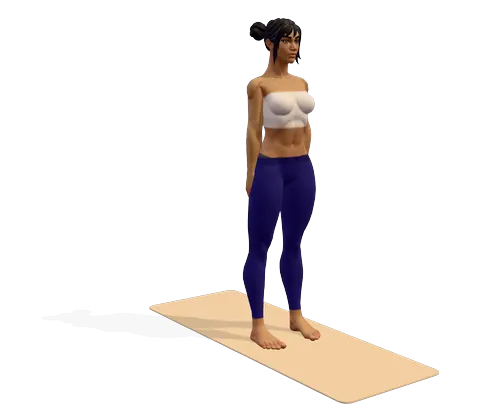 Mountain PoseTadasana
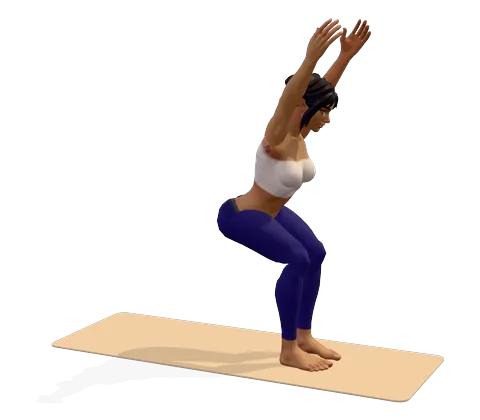 Chair PoseUtkatasana
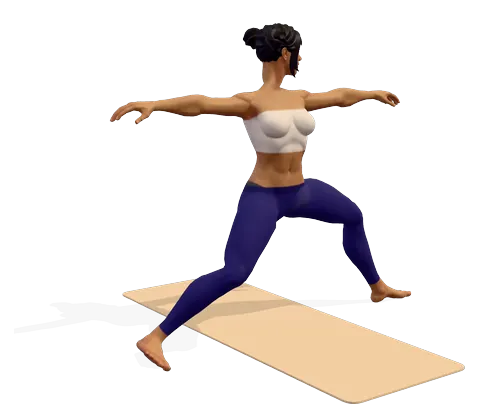 Warrior II PoseVirabhadrasana II
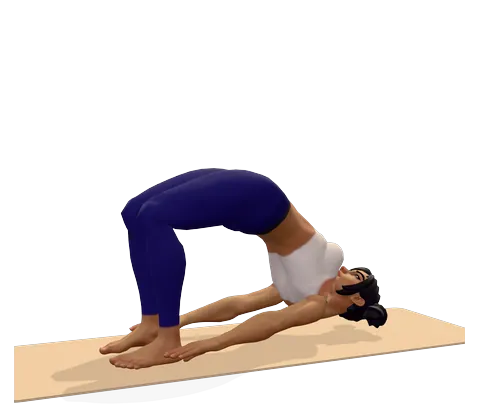 Bridge PoseSetu Bandhasana
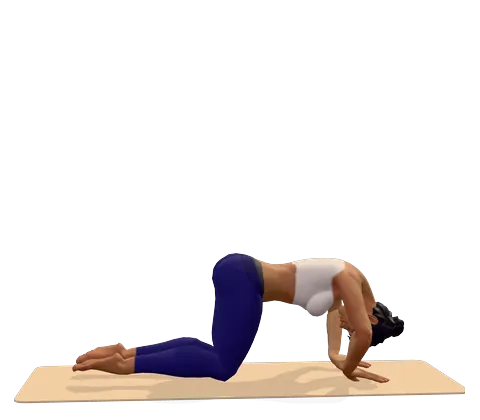 Cat PoseMarjaryasana
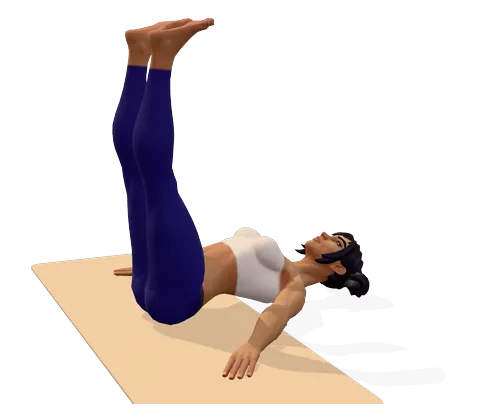 Legs-Up-the-Wall PoseViparita Karani
More poses that help with low blood pressure
Add these once the session above feels easy, or swap one in when a pose does not suit you.
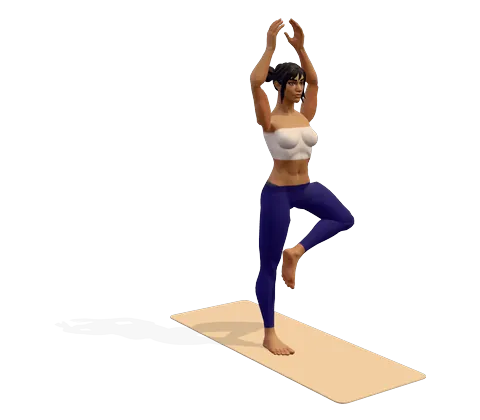 Tree PoseVrikshasana
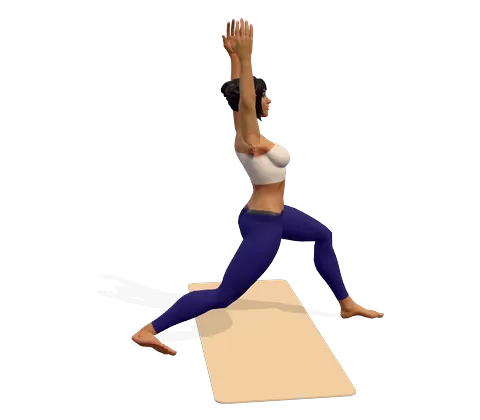 Warrior I PoseVirabhadrasana I
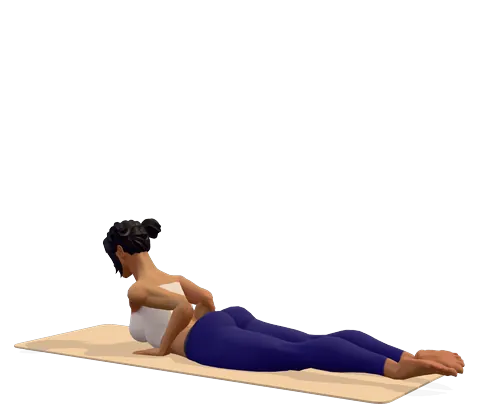 Cobra PoseBhujangasana
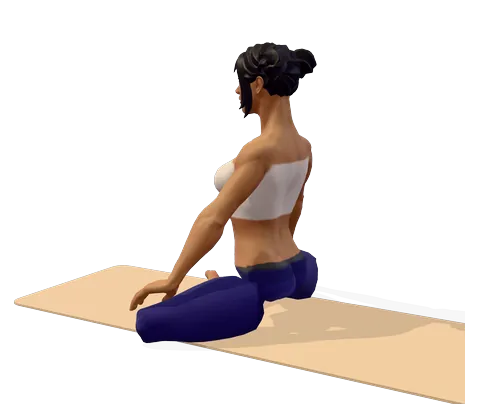 Easy PoseSukhasana
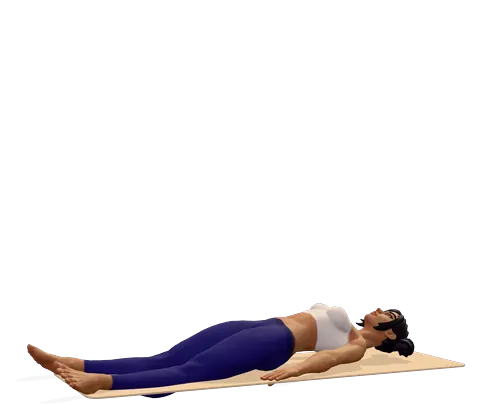 Corpse PoseSavasana
Mudras for low blood pressure
Hold a mudra while you sit for the breathing practice or a few minutes of quiet. Mudras are a traditional practice; research on them is limited.
Breathing practice
Avoid
Standing up quickly from forward folds or lying poses; rise slowly.
Traditional practice: Used in classical yoga therapy; few clinical trials so far.
Yoga for low blood pressure works differently from the calming routines most people know. Instead of long, deeply relaxing holds, this plan uses standing poses that wake up the leg muscles, a few gentle lying poses, alert but safe breathing, and above all slow, careful transitions. The aim is not to push your numbers up. It is to help you feel less dizzy and move with more confidence.
This article explains why each pose and breathing practice in the plan above is there, how to adapt it, and when light-headedness is a reason to see a doctor rather than roll out a mat.
Low blood pressure: what the numbers mean
Before starting yoga, it helps to know the meaning of low blood pressure numbers and values. The NHS describes low blood pressure as a reading below 90/60 mmHg; the medical name is hypotension. There is no single low blood pressure range for adults by age, and no range chart decides whether yoga is safe for you: your symptoms do.
People new to yoga often ask whether low blood pressure is just as bad as high. Usually not. Many fit young people sit near 90/60 all their lives and feel fine, and low blood pressure only needs to be treated when it causes symptoms such as dizziness, blurred vision, feeling sick, weakness, confusion or fainting. The most common pattern is a drop when you stand up quickly (postural hypotension).
Causes include pregnancy, some medicines and diabetes. For a woman, low blood pressure is common in pregnancy, so ask your midwife before doing yoga. A jittery feeling during yoga can come from low blood sugar rather than low blood pressure. And no yoga practice fixes a vitamin deficiency such as low B12 or folate, which causes anaemia and mimics low blood pressure symptoms; a blood test can check for it.
How yoga may help low blood pressure
Low blood pressure can zap your energy, and short, active yoga sessions may help you feel more alert. Yoga does not cure hypotension, but a regular practice may help in three practical ways:
- The muscle pump. When your thigh and calf muscles contract, they squeeze the veins and push blood back toward the heart. Standing poses train exactly these muscles, and tensing the legs is already taught for fainting spells.
- Practising position changes. Yoga asks you to move from lying to sitting to standing many times. Doing this slowly and on purpose trains your body and your habits to handle the change.
- Early warning. Calm breathing and body awareness help you notice the first signs of light-headedness, so you sit down before you fall.
In short, yoga is one way to manage low blood pressure naturally, alongside enough fluids, regular small meals and your doctor's advice.
What the research says
The evidence level here is "traditional practice": the poses come from classical yoga therapy, and there are very few trials on yoga and low blood pressure in general. The closest study on yoga, low blood pressure and fainting is a randomised trial in people with repeated reflex fainting (vasovagal syncope). Those who did guided yoga at least five days a week for a year had fewer fainting episodes (an average of 1.1 versus 3.8) and a better quality of life than those given standard advice alone. It is one trial in one condition: encouraging, not proof.
Yoga for low blood pressure vs high blood pressure
Is yoga good for blood pressure in general? For high readings, trials suggest a regular yoga practice to lower blood pressure, built on slow breathing and relaxation, can reduce blood pressure a little when added to medical care. The effect of yoga on hypertension is well studied: slow, calm practice should help lower blood pressure naturally and may decrease it modestly, which makes yoga for reducing hypertension a sensible add-on to treatment.
Does yoga lower blood pressure too far if yours is already low? Rarely, but those same tools for lowering blood pressure with yoga can leave you woozy. The relaxing yoga asanas for hypertension, such as long forward folds and extended rest, are good remedies to reduce blood pressure, which is exactly what you do not need. There are no cures for blood pressure with yoga, high or low; yoga is one of the natural treatments that sit beside medicine. If your readings are high, the yoga for high blood pressure plan shows the yoga poses to lower blood pressure and the breathing that helps reduce BP and control high BP safely.
The best yoga poses and postures for low blood pressure, explained
Which yoga is best for low BP? These yoga asanas and exercises for low blood pressure are all beginner level. Keep a chair or wall within reach and stop if the room starts to spin.
Mountain pose (Tadasana)
Mountain pose is your test position. Stand with feet hip-width apart, press evenly through both feet and gently firm your thighs. Never lock your knees: locked knees switch off the muscle pump and are a classic cause of fainting when people stand still.
Chair pose (Utkatasana)
Chair pose is the main "pump" of this plan. Bending the knees and holding makes the thighs and calves work hard. Keep it to a few breaths and come up on an inhale. Beginners and seniors can do a half squat holding a chair back.
Warrior II (Virabhadrasana II)
Warrior II keeps the legs working while the arms stretch wide, building stamina without strain. Keep your head level and shorten your stance if you feel shaky.
Bridge pose (Setu Bandhasana)
Bridge pose strengthens the buttocks and the backs of the legs while you lie safely on the floor. Lift your hips only as high as is comfortable and lower slowly, one part of the spine at a time.
Cat pose (Marjaryasana)
Cat pose on hands and knees is a halfway house between lying and standing. Use it on the way up: pause on all fours for a few breaths before you stand.
Legs-up-the-wall (Viparita Karani)
Legs-up-the-wall raises the legs with full support, much like the position first aiders use when someone feels faint. It is not a full inversion. Keep it to a couple of minutes, then bend your knees, roll to your side and sit up slowly.
Yoga breathing for low blood pressure
Ujjayi (ocean breath) is a slow, even breath with a soft sound in the throat; it keeps you focused without making you drowsy. Surya Bhedana (right-nostril breathing) is traditionally used to feel more alert; there is little research on it, so treat it as a gentle wake-up practice. Do both sitting upright for three to five minutes, with no breath holds.
Fast practices such as Kapalbhati make some people light-headed. If you try them, sit on the floor, keep rounds short and stop at the first tingling or dizziness. You can pace any of these with the breathing exercise timer.
What about a yoga mudra for low blood pressure? Some teachers add hand gestures such as Surya mudra. No research shows a mudra changes blood pressure, so enjoy it as a focus for the mind, not as a treatment.
Sample weekly routine
Practise in the morning or late afternoon, after a light snack and a glass of water. This routine suits beginners and seniors alike:
| Day | Practice | Time |
|---|---|---|
| Monday | Guided session on this page + Ujjayi | 15 min |
| Tuesday | Walk, then Mountain and Chair pose at home | 20 min |
| Wednesday | Guided session + Surya Bhedana | 15 min |
| Thursday | Rest, or practise slow lying-to-standing transitions | 5 min |
| Friday | Guided session, standing poses held a little longer | 15–20 min |
| Saturday | Morning yoga with a short standing flow | 15 min |
| Sunday | Rest or a gentle walk | — |
If you like props, Iyengar yoga suits people with low blood pressure well: poses are held with blocks, walls and chairs so you stay steady.
Yoga poses to avoid with low blood pressure
Low blood pressure is rarely one of the contraindications for exercise, yoga or physical therapy (PT), but symptoms during exercise are a reason to stop. Does yoga for low blood pressure have side effects? The main one is dizziness when you change position too fast. Watch for these triggers:
- Rising quickly from forward folds, lying poses or Savasana. Go lying → side → sitting → hands and knees → standing, pausing at each stage.
- Standing forward folds such as standing forward bend: fold halfway with hands on a chair, and roll up very slowly.
- Low blood pressure and yoga inversions: headstand and shoulder stand send blood to the head and then drop it when you come down. Leave them out unless a teacher is with you.
- Hot rooms. Heat widens blood vessels and lowers pressure, so hot yoga is a poor match.
- Practising hungry. Low blood sugar adds to dizziness. If you use yoga to lower blood sugar alongside diabetes medicine, follow the yoga for diabetes plan and keep a snack nearby.
See a doctor soon if you keep getting dizzy or faint, if symptoms began after a new medicine, or if you are pregnant and feel faint. Call emergency services if fainting comes with chest pain, a racing or irregular heartbeat, breathlessness, confusion, a head injury or black stools, or if the person does not wake quickly. Fainting during exercise always needs a medical check.
Practise with the guided 3D session
The guided session at the top of this page runs through all six poses with a voice in 28 languages and a 3D figure you can rotate. Choose the shorter hold time at first, and take the transitions above slowly after the final Savasana. If you are a low blood pressure patient on medicine, check with your doctor before starting yoga. To build your own version, open the sequence builder. Below is a short summary of yoga for low blood pressure in Hindi.
लो ब्लड प्रेशर के लिए योग — हिंदी में: ताड़ासन, उत्कटासन और वीरभद्रासन जैसे खड़े होकर किए जाने वाले आसन पैरों की मांसपेशियों को मज़बूत करते हैं और खून को दिल की ओर लौटाने में मदद करते हैं। लेटने या झुकने के बाद हमेशा धीरे-धीरे उठें। उज्जायी और सूर्य भेदन प्राणायाम बैठकर, बिना साँस रोके करें। अभ्यास से पहले पानी पिएँ और खाली पेट न करें। बार-बार चक्कर या बेहोशी हो तो डॉक्टर से मिलें।
Research behind this plan
- Shenthar 2021, Europace — randomised trial: guided yoga reduced recurrent vasovagal fainting and improved quality of life vs standard advice
- NHS — Low blood pressure (hypotension): definition (below 90/60 mmHg), symptoms and self-help such as getting up slowly
- NCCIH — Yoga: What You Need To Know (safety, cautions with hot yoga)
Frequently asked questions
Which yoga is best for low blood pressure?
Steady standing poses (Mountain, Chair, Warrior II) that work the legs, plus Bridge pose and short, supported Legs-up-the-wall. Combine them with slow transitions and upright breathing such as Ujjayi. Avoid hot yoga and quick changes of position.
Can I do yoga with low blood pressure?
Yes, most people can. Drink water first, eat a light snack, keep a chair nearby and rise slowly from every lying or folding pose. If you faint often or your low BP started with a new medicine, see your doctor before you begin.
Is low blood pressure after yoga normal?
Feeling a little light-headed when you stand up after Savasana is common, because blood pressure dips while you rest. Roll to your side, sit for a few breaths and come up in stages. If it happens every time or you faint, get checked.
Are inversions safe with low blood pressure?
Legs-up-the-wall is usually fine for a few minutes. Full inversions like headstand and shoulder stand can cause a sudden drop when you come down, so skip them unless a qualified teacher is with you.
Is there yoga for people with low blood pressure who are seniors?
Yes. Do the standing poses holding a chair back, keep holds short and sit down between poses. The Gentle Yoga for Seniors session on the practice page is another safe option.
Can yoga raise low blood pressure fast?
No yoga practice is a quick fix. If you suddenly feel faint, sit or lie down and raise your legs, then get up slowly. Over weeks, regular leg-strengthening poses may help you feel steadier.
Is yoga for low blood pressure different from yoga for high blood pressure?
Yes. High blood pressure plans use long relaxation to bring numbers down; for low blood pressure you keep sessions active and skip hot rooms.
Medical note: yoga supports treatment; it does not replace it. Keep taking prescribed medicine and talk to your doctor before you start, especially with heart disease, uncontrolled blood pressure, recent surgery, pregnancy, epilepsy or severe pain. Read our medical disclaimer.