Your memory and concentration yoga plan
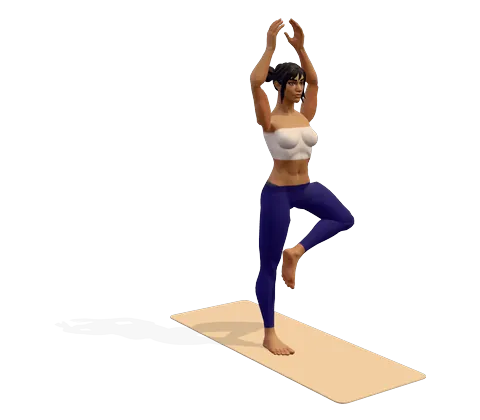 Tree PoseVrikshasana
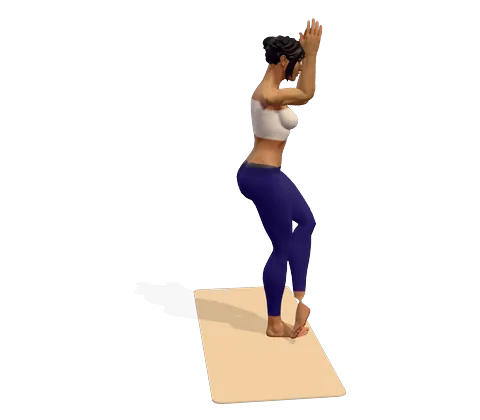 Eagle PoseGarudasana
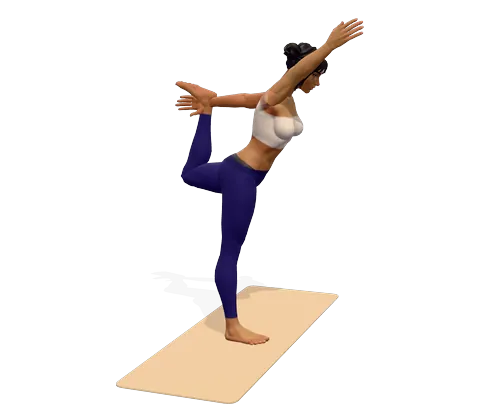 Dancer PoseNatarajasana
 Lotus PosePadmasana
 Hare PoseShashankasana
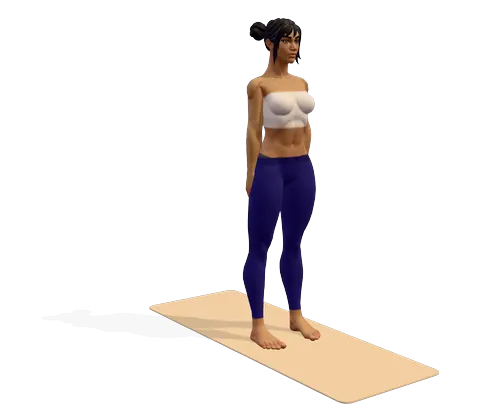 Mountain PoseTadasana
More poses that help with memory and concentration
Add these once the session above feels easy, or swap one in when a pose does not suit you.
 Thunderbolt PoseVajrasana
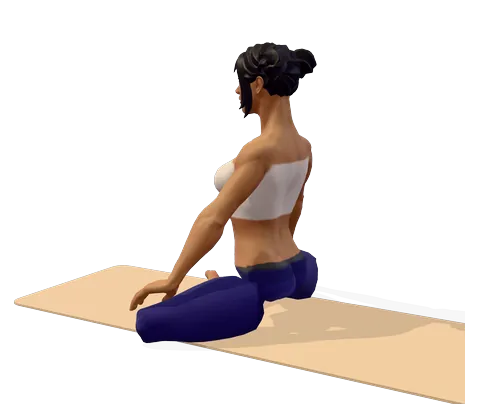 Easy PoseSukhasana
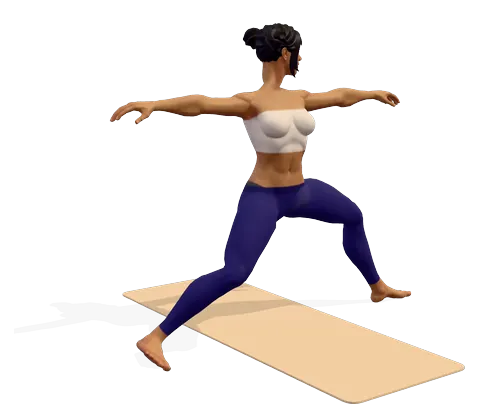 Warrior II PoseVirabhadrasana II
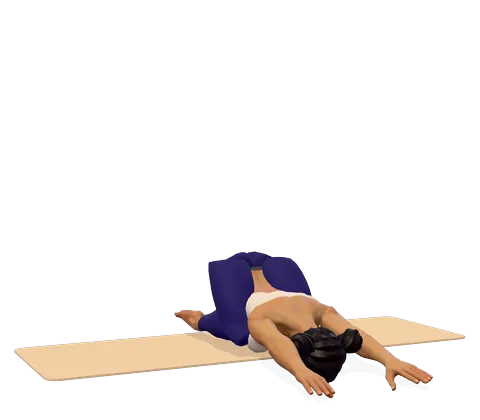 Child’s PoseBalasana
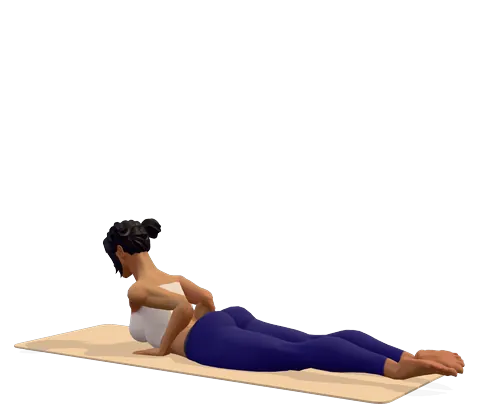 Cobra PoseBhujangasana
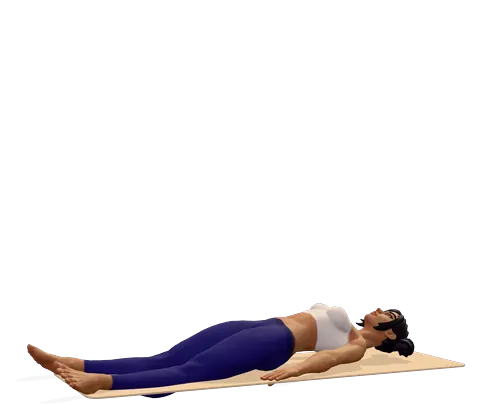 Corpse PoseSavasana
Mudras for memory and concentration
Hold a mudra while you sit for the breathing practice or a few minutes of quiet. Mudras are a traditional practice; research on them is limited.
Breathing practice
Avoid
Long breath holds for children.
Emerging evidence: Small or early trials look promising.
Guided meditation for memory and concentration
Trataka Candle Meditation (10 min, voice in 28 languages) · OM Chanting Meditation (10 min, voice in 28 languages)
Yoga for concentration trains attention the way a gym trains muscles: balance poses demand a steady mind, slow breathing calms the restless thoughts that pull you away from a task, and deep rest supports the sleep your memory depends on. The research is still early, so treat this as a healthy study habit rather than a brain booster. Below: how yoga may help focus and memory, what the studies found, why each pose is in the plan and how to adapt it, breathing for focus, and routines for students, kids and adults.
How yoga may help concentration and memory
Concentration is your ability to hold attention on one thing and bring it back when it drifts. Memory depends on paying attention in the first place, then on sleep to store what you learned. Yoga touches each of these:
- Attention training. In a balance pose, the moment your mind wanders, you wobble. That instant feedback is one of the simplest yoga concentration exercises there is.
- Calmer arousal. Stress and anxiety crowd working memory. Slow breathing lowers that background alarm, which is why yoga for coping stress and concentration go together, especially before exams.
- Better sleep. Memories are strengthened during sleep. Relaxation and Yoga Nidra can support sleep; see yoga for sleep.
- Movement breaks. A few minutes of movement after long sitting refreshes energy and focus.
So the benefits of yoga for concentration come from practice, not from any single pose. How to get total concentration in yoga? You do not. Everyone's mind wanders; the practice is noticing and returning, again and again. That skill carries over to reading a textbook or finishing work, which is why yoga for concentration and mental focus is really about returning, not about never drifting.
Yoga for memory and concentration: what the research says
The evidence is emerging: promising, but based on small or mixed studies. A 2015 meta-analysis of 15 randomised trials found that yoga was linked to moderate improvements in cognitive function overall, with the strongest effects on attention and processing speed, then executive function; the effect on memory was smaller and not clearly significant. Single yoga sessions showed short-term boosts too. The authors noted small samples and very different programmes.
A 2019 review of brain-imaging studies reported that people who practise yoga tend to have more grey matter in areas involved in memory and attention, such as the hippocampus and prefrontal cortex — but most studies were cross-sectional, so they cannot prove yoga caused the difference.
In specific groups: a randomised trial in older adults with mild cognitive impairment found 12 weeks of Kundalini yoga improved memory about as much as memory training, and improved executive function more. In a small randomised trial of 5-year-olds, 12 weeks of kindergarten yoga improved visual attention and reduced teacher-rated inattention and hyperactivity. A small study without a control group found four weeks of Yoga Nidra improved sleep and accuracy on learning and memory tasks. So yoga may enhance concentration, but we need larger trials before calling it proven. Be wary of claims that yoga for memory power or yoga for brain power and concentration works overnight. Yoga for sharp memory and concentration means small, steady gains through better attention, calmer nerves and better sleep.
Yoga poses for concentration and memory, pose by pose
Four of these yoga asanas for concentration are balance or stillness poses, because they give attention a clear job. Each has an easier version, so this is simple yoga for concentration and memory that suits beginners. Yoga for focus and concentration for beginners starts with mountain and tree; add eagle and dancer as your balance improves.
Mountain pose (Tadasana)
Mountain pose is the base: stand evenly on both feet, feel your weight, and rest your eyes on one point. It teaches steadiness before you balance on one leg. Modify: stand with your back to a wall.
Tree pose (Vrikshasana)
Tree pose is the classic answer to "which yoga pose helps in concentration?" Fix your gaze on a still point and breathe slowly. Modify: keep your toes on the floor with the heel on the ankle, or touch a wall. Never press the foot into the side of the knee.
Eagle pose (Garudasana)
Eagle pose wraps the arms and legs, so you must coordinate both sides of the body while balancing — a demanding focus exercise. Modify: cross the legs without hooking the foot, or do only the arm wrap while sitting. Go easy with knee pain.
Dancer pose (Natarajasana)
Dancer pose is the hardest balance in the plan. Modify: hold a wall or chair with one hand and simply bend the back knee, holding your foot or a strap. Skip it if your balance is poor or you have a recent ankle or knee injury.
Lotus pose (Padmasana)
Lotus pose is the traditional seat for meditation. Most beginners and children should not force it: sit in easy pose (cross-legged) on a cushion instead. The aim is a tall, still spine for breathing and focus, not the leg position. Never push through knee pain.
Hare pose (Shashankasana)
Hare pose is a kneeling forward bend that rests the forehead and quiets the senses — a pause between effort and study. Modify: rest your head on a cushion; skip it if head-down positions make you dizzy, or with glaucoma or uncontrolled blood pressure.
Yoga breathing exercises for focus
Nadi Shodhana (alternate-nostril breathing) asks you to count and switch sides, so it trains attention while calming you — a good first choice before study. Children and anyone with high blood pressure should leave out the breath hold. Bhramari (humming bee breath) is simple, fun for kids, and settles a busy mind in a minute or two. Use the breathing timer for 3–5 minutes.
Which yoga mudra enhances concentration? Among the yoga mudras for concentration, Gyan mudra (thumb and index finger touching) is the one traditionally used for focus during breathing and meditation. It helps you settle into stillness; there is little research on mudras themselves.
Techniques of meditation for concentration include counting breaths from one to ten, and gazing at a single point; these are the core yoga concentration techniques and memory yoga techniques in most traditions. Try 5 minutes with the meditation timer. Meditation for memory improvement has limited direct evidence, but it trains the attention that memory needs.
Yoga for students: exams, study and classrooms
The importance of yoga for students is less about flexibility and more about study focus, energy and stress. Yoga for focus and concentration for students fits around study time like this:
Before study: for yoga for energy and focus, a morning yoga for study concentration routine takes ten minutes — mountain, tree, one round of Nadi Shodhana, then start work. See morning yoga for more.
Every 45–60 minutes: stand up for tree pose on each side and three humming breaths; this kind of yoga for better concentration in study also works for yoga for focus and productivity at work. Chair yoga for students works at a desk: seated twists, shoulder rolls, neck side bends.
Before an exam: exam yoga for concentration is mostly breathing — five slow breaths with a longer exhale in your seat. Do not try a new, hard pose on exam day.
High school and college students: yoga for college students and yoga for high school students works best when it protects sleep; a 10-minute Yoga Nidra before bed is often more useful than an extra hour of late-night revision.
Yoga for concentration in kids and schools
Yoga for focus for kids, and yoga for improving focus for kids in class, should be playful and short: tree pose as a "tree in the wind", eagle as "wrapping up like a present", bee breath with a hum. For yoga for kids in classroom settings, two to five minutes between lessons is plenty; yoga for children in schools works best led by a teacher who keeps it calm. Yoga for school children should skip full lotus and long breath holds; let them breathe naturally. For yoga for students with autism, ADHD or other additional needs, yoga may help with calm and attention, but it should complement the plan from their doctor or therapist. More ideas in yoga for kids.
A sample weekly routine
| Day | Practice | Time |
|---|---|---|
| Monday | Guided session on this page + Nadi Shodhana | 10 min |
| Tuesday | Tree and eagle during study breaks; Bhramari | 3 × 3 min |
| Wednesday | Guided session + breath-counting meditation | 15 min |
| Thursday | Yoga Nidra before bed | 10 min |
| Friday | Guided session with longer balance holds | 12 min |
| Saturday | A few slow rounds of Surya Namaskar for energy and focus | 10 min |
| Sunday | Rest, or 5 minutes of easy-pose breathing | 5 min |
How to strengthen your memory beyond yoga: sleep 7–9 hours (more for teenagers), test yourself instead of re-reading, space your revision over days, and stay physically active. These, with yoga, are practical exercises to improve memory.
Yoga for memory loss and memory care
Yoga for memory health in later life may help as part of an active lifestyle, and the trial in mild cognitive impairment is encouraging. But yoga for memory loss is not a treatment. New or worsening forgetfulness — getting lost, repeating questions, trouble with bills or daily tasks — should be checked by a doctor, because thyroid problems, vitamin B12 deficiency, depression, medicines and dementia can all cause it. In memory care, chair-based yoga and breathing can be calming with supervision.
Safety: balance poses need a wall or chair nearby if you are unsteady. Children should not do long breath holds. Stop any pose that causes knee, back or neck pain, and see a doctor about attention or memory problems that affect school, work or daily life.
एकाग्रता और याददाश्त के लिए योग (yoga for concentration and memory in Hindi / yoga for students in Hindi): ताड़ासन और वृक्षासन में एक बिंदु पर नज़र टिकाएँ — इससे ध्यान लगाने का अभ्यास होता है। पढ़ाई से पहले 3–5 मिनट नाड़ी शोधन या भ्रामरी प्राणायाम करें। बच्चे साँस न रोकें और पद्मासन की जगह सुखासन में बैठें। अच्छी नींद याददाश्त के लिए सबसे ज़रूरी है, इसलिए रात को योग निद्रा आज़माएँ।
Before your next study session: try yoga for concentration with the guided 3D session at the top of this page. The figure shows each balance pose, the voice guides you in your language, and it takes only a few minutes.
Research behind this plan
- Gothe and McAuley 2015, Psychosomatic Medicine — meta-analysis of 15 randomised trials: yoga linked to moderate improvements in cognition, strongest for attention and processing speed
- Gothe 2019, Brain Plasticity — systematic review of 11 brain-imaging studies: yoga linked to brain structure and function in memory and attention areas; mostly cross-sectional
- Eyre 2017, International Psychogeriatrics — randomised trial in mild cognitive impairment: Kundalini yoga improved memory like memory training and improved executive function more
- Jarraya 2019, Frontiers in Psychology — randomised trial, 45 five-year-olds: 12 weeks of yoga improved visual attention and reduced inattention and hyperactivity
- Datta 2023, PLOS ONE — uncontrolled study: 4 weeks of Yoga Nidra improved sleep and accuracy on learning and memory tasks in novices
Frequently asked questions
Which yoga increases concentration?
Balance poses such as tree, eagle and dancer, steady standing in mountain pose, and slow breathing like Nadi Shodhana and Bhramari. Short meditation, such as counting breaths, also trains attention.
Does yoga improve memory?
Early research is encouraging. A meta-analysis found yoga linked to moderate improvements in thinking skills, strongest for attention; effects on memory were smaller. Good sleep, which yoga can support, matters a lot for memory.
What is the best yoga for students?
Yoga benefits for students come from short, regular practice: a 10-minute morning routine, balance poses in study breaks, a few calm breaths before exams and Yoga Nidra before bed.
Is yoga good for kids' concentration?
Yoga for concentration in kids is promising. A small trial in kindergarten children found regular yoga improved attention and reduced inattention and hyperactivity. Keep it playful and short, and avoid breath holds.
How long should I do yoga for concentration?
Ten to fifteen minutes a day is enough to start, and yoga for focus and relaxation can be as short as five. Even two minutes of tree pose and slow breathing before study can help you settle.
Can yoga help memory loss?
Yoga may support brain health as part of an active lifestyle, but it does not treat memory loss or dementia. See a doctor about new or worsening memory problems.
Which yoga mudra is used for concentration?
Gyan mudra (thumb and index finger touching) is traditionally used for focus during breathing and meditation. There is little scientific research on mudras themselves.
Medical note: yoga supports treatment; it does not replace it. Keep taking prescribed medicine and talk to your doctor before you start, especially with heart disease, uncontrolled blood pressure, recent surgery, pregnancy, epilepsy or severe pain. Read our medical disclaimer.