Your kidney health yoga plan
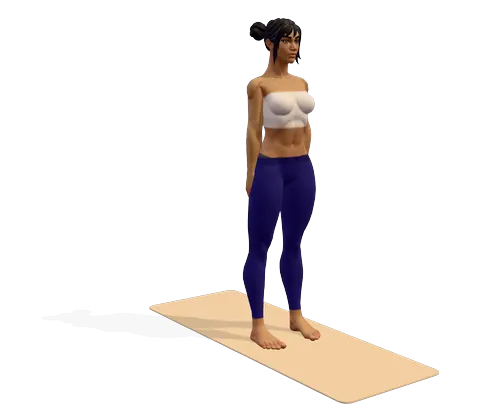 Mountain PoseTadasana
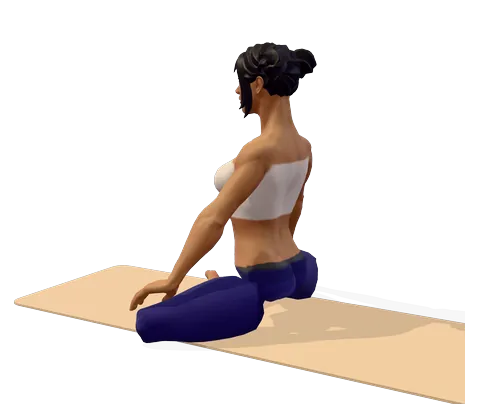 Easy PoseSukhasana
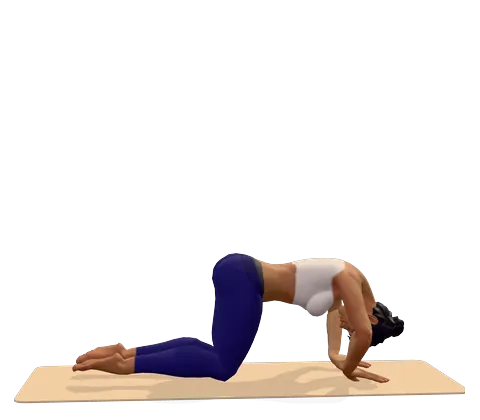 Cat PoseMarjaryasana
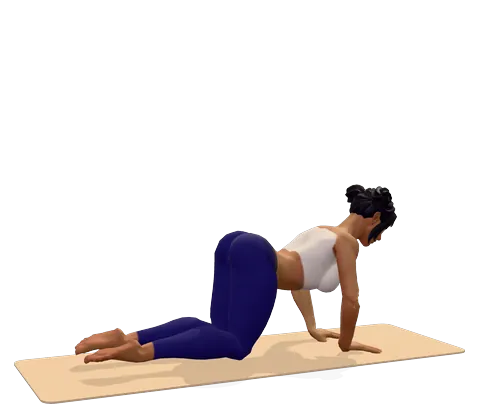 Cow PoseBitilasana
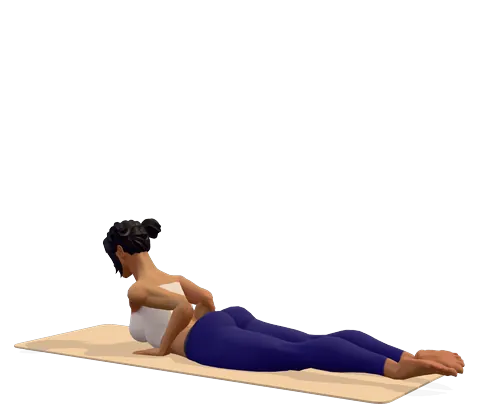 Cobra PoseBhujangasana
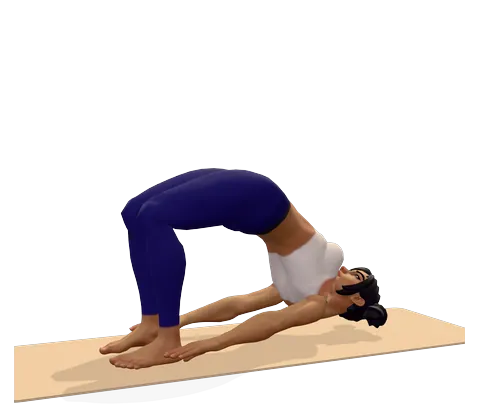 Bridge PoseSetu Bandhasana
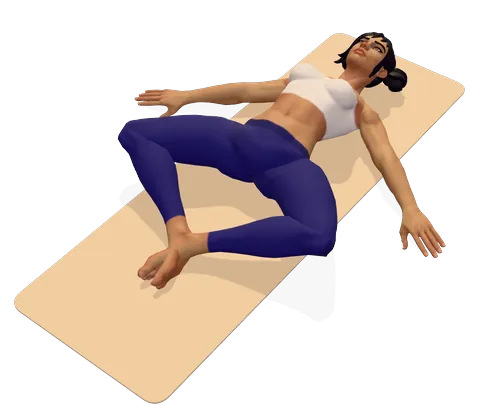 Reclining Bound Angle PoseSupta Baddha Konasana
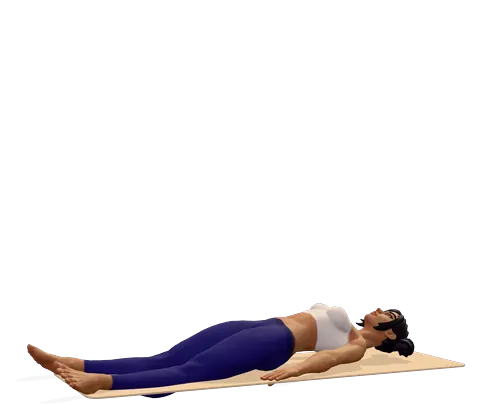 Corpse PoseSavasana
More poses that help with kidney health
Add these once the session above feels easy, or swap one in when a pose does not suit you.
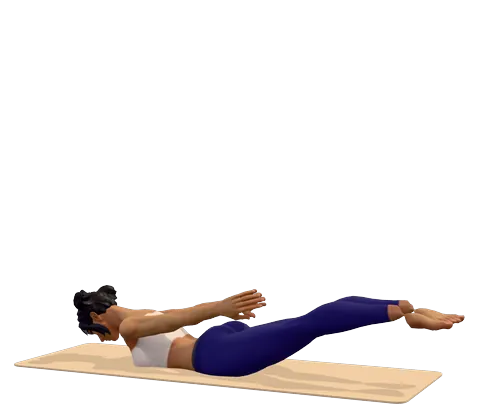 Locust PoseSalabhasana
 Bharadvaja’s TwistBharadvajasana
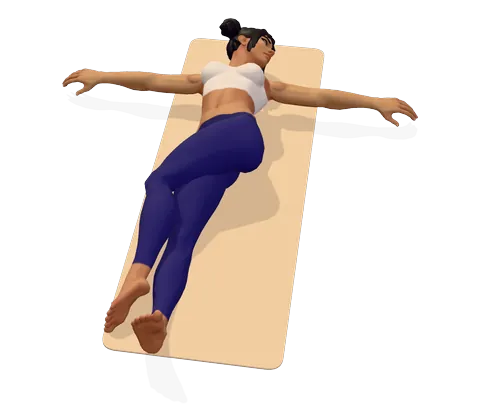 Supine Spinal TwistSupta Matsyendrasana
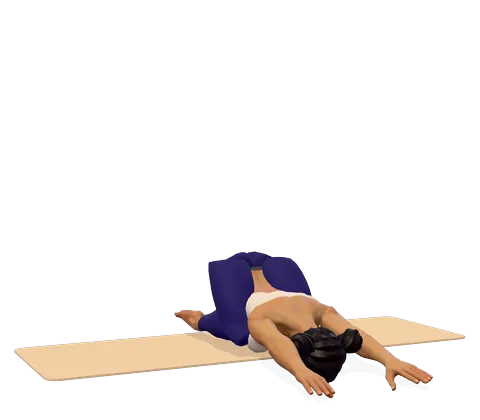 Child’s PoseBalasana
Mudras for kidney health
Hold a mudra while you sit for the breathing practice or a few minutes of quiet. Mudras are a traditional practice; research on them is limited.
Breathing practice
Avoid
Treating kidney disease with yoga; follow your nephrologist. Avoid straining and breath holds with high blood pressure or on dialysis.
Traditional practice: Used in classical yoga therapy; few clinical trials so far.
Yoga for kidney health works best when you see it as support, not treatment. Your kidneys are damaged mainly by high blood pressure, diabetes, some medicines and repeated infections or stones. A gentle, regular practice may help you keep blood pressure and blood sugar in range, stay active, sleep better and cope with stress, and those are the things that protect the kidneys over time. This page explains the plan above, who should change it, and what yoga can and cannot do.
If you have chronic kidney disease, are on dialysis or have had a transplant, keep following your nephrologist. Do not change medicines, fluids or diet because of anything you read here, and ask your care team before starting any new exercise.
Can yoga improve kidney function?
The honest answer: yoga has not been shown to repair kidney tissue or reliably lower creatinine, and no pose "massages" the kidneys into working better. The evidence level for this page is traditional, which means the practice is based on long use and general health benefits rather than strong kidney-specific trials.
What small studies do show is still useful. In a randomised trial of 37 people on haemodialysis, a modified yoga-based exercise programme twice a week for three months reduced pain, fatigue and sleep problems, improved grip strength and was linked with better values on some blood tests, with no side effects reported. Another small trial in people on haemodialysis found changes in markers of oxidative stress after four months of hatha yoga. These are small studies in a very specific group, so treat them as encouraging, not as proof that yoga for kidney creatinine or kidney function improvement works for everyone.
So is yoga good for your kidneys, and for a healthy kidney?
Indirectly, yes. Regular exercise helps control the two biggest causes of kidney damage. Slow breathing and relaxation can lower stress and may help blood pressure. Staying strong and mobile makes daily life easier if you have chronic kidney disease. That is why exercise for kidney health is recommended by most kidney charities, as long as it is matched to your stage and your doctor agrees.
How to help your kidneys: what matters most
If you want to know how to strengthen your kidneys naturally or how to help kidney function, the real list is short and not very exotic:
- Control blood pressure. Take your tablets, cut back on salt, move daily. See yoga for high blood pressure.
- Control blood sugar if you have diabetes. See yoga for diabetes.
- Be careful with painkillers. Regular use of anti-inflammatory painkillers such as ibuprofen can harm the kidneys. Ask your doctor or pharmacist which drugs are contraindicated in kidney disease before you take anything new, including herbal products.
- Drink the right amount. For most healthy people that means drinking to thirst and more in hot weather. With kidney disease or on dialysis your fluid limit may be strict, so follow your team's advice.
- Do not smoke, and get regular blood and urine checks if you are at risk.
There is no home remedy for kidney problems, and no home remedies to improve kidney function, that replace these steps. These are the real ways to strengthen kidneys and to help kidney health, and to help your kidneys function properly. Yoga fits in as one of the ways to help your kidneys by keeping you active and calm.
Yoga poses for kidney health, explained
The guided session uses easy, low-strain yoga asanas for kidney health. Nothing is upside down and there are no breath holds, so it suits most beginners and many people with kidney disease. Move slowly and stop if you feel dizzy or short of breath.
Mountain pose and Easy pose
Mountain pose (Tadasana) starts the session standing tall, feet hip-width apart, with a few slow breaths. Easy pose (Sukhasana) is a simple cross-legged seat; sit on a cushion or a chair if the floor is hard for you.
Cat and cow
Cat pose and cow pose gently round and arch the spine on hands and knees. They loosen a stiff lower back, the area where many people feel what they think is "kidney pain" but is often muscle. Pad your knees with a folded blanket.
Cobra and bridge
Cobra pose is a small backbend lying on your front: keep the elbows bent and lift only as high as feels easy. Bridge pose strengthens the buttocks and thighs. Lift and lower a few times rather than holding hard, and keep breathing. If you have a fistula arm for dialysis, do not lean your weight on it; in cobra, rest on the forearms or skip the pose.
Reclining bound angle and relaxation
Reclining bound angle is a restful hip opener: lie back with cushions under your knees. The session ends in Savasana, lying still for a few minutes. These two poses are where the calming effect of yoga happens, so do not skip them.
Breathing: Anulom Vilom and Bhramari
Anulom Vilom (alternate nostril breathing) gives your mind a slow, even rhythm. Do not hold the breath between sides. Bhramari, the humming bee breath, lengthens the out-breath with a soft hum and helps before sleep. Five minutes of either is enough. Fast, forceful breathing such as Kapalbhati is not part of this plan, especially if you have high blood pressure.
Yoga for kidney disease, dialysis and transplant
Yoga for chronic kidney disease
For people with early chronic kidney disease, the best exercises are usually a mix of walking, light strength work and gentle stretching, built up slowly. The plan on this page can be your stretching and relaxation part: a yoga exercise for kidney disease that adds movement without strain. Kidney damage recovery exercises in hospital rehab follow the same idea of starting small and building slowly. Many people with CKD feel tired or low; short sessions on most days work better than one long session.
On dialysis
Yoga for kidney patients on dialysis should be gentler still. Practise on non-dialysis days or ask your unit whether seated stretches during the session are allowed. Protect your fistula or catheter, avoid straining, and keep your fluid limit in mind even if you feel thirsty after exercise.
Yoga for kidney failure and transplant
With advanced kidney failure, ask your team what level of activity is safe, especially if you have heart problems, anaemia or swelling. Yoga for kidney transplant patients usually waits until the wound has healed and your surgeon clears you, often several weeks after the operation. Avoid pressure on the new kidney, which sits low in the front of the belly, so skip belly-down poses like cobra until you are told it is fine.
Yoga for kidney stones: can it help pass them?
Many people search for yoga moves to help pass kidney stones, or for yoga for kidney stone removal. There is no good evidence that any pose helps a stone pass or dissolve. Staying active and drinking enough water is sensible, but movement is a comfort measure, not a treatment.
For kidney stone pain, or a dull kidney pain in the back, gentle poses offer comfort only: cat-cow, child's pose and lying on your side with a pillow between the knees may ease back tension a little. Pain relief for kidney stones with yoga is modest; your doctor may give painkillers or medicine that relaxes the ureter.
Stone pain that is severe, comes with fever or chills, vomiting, blood in the urine or an inability to pass urine needs urgent medical care. Do not try to "yoga it out".
Yoga for kidney and liver health, and the bladder
The same habits support both organs: a healthy weight, little or no alcohol, and good control of sugar and blood pressure. If your liver is a concern too, see yoga for fatty liver. For bladder control and leaks, which are a different problem from kidney function, see yoga for pelvic floor health. A kidney cyst is common and usually harmless; yoga does not shrink it, but it does no harm either.
A weekly routine at home
This is the best yoga for kidneys relief at home when your aim is gentle support. Think of these yoga moves for kidney health as one of the best exercises for kidney health you can do on a mat, alongside walking. They are simple exercises for kidney health that support, but do not replace, the natural way to help kidney function: good blood pressure and sugar control.
| Day | Practice | Time |
|---|---|---|
| Mon, Wed, Fri | Guided kidney health session + 5 min Anulom Vilom | 20 min |
| Tue, Thu | Easy walk at a talking pace | 20–30 min |
| Saturday | Guided session with longer holds + Bhramari | 25 min |
| Sunday | Rest or Yoga Nidra | 10–20 min |
Start with the shorter hold time in the player and build up over a few weeks. Leave two hours after a large meal.
Safety: who should change the plan
Can yoga treat kidney dysfunction? No; how to treat kidney dysfunction is a question for your nephrologist, and medications contraindicated in CKD or in renal failure are something only your doctor or pharmacist can check for you.
- High blood pressure: no breath holds, no straining, no inversions or head-down poses.
- Swelling, breathlessness or chest pain: stop and see a doctor before exercising.
- Bone problems from CKD: avoid jumping and deep forward folds with a rounded back.
- Men with urine problems: weak flow or getting up at night is often the prostate, not the kidneys; see a doctor.
- Women with kidney disease: managing kidney disease in females includes planning pregnancy with your nephrologist, as pregnancy puts extra load on the kidneys.
Some styles talk about the "kidney meridian" (yin yoga) or kidney energy. These are traditional ideas from Chinese medicine, not measurable kidney function, so enjoy the practice without expecting a medical result.
Practise with the 3D guide
The guided session at the top of this page plays every pose with a calm voice in 28 languages, and the 3D figure can be rotated so you see the shape from all sides. If you are new, read yoga for beginners first, and track your sessions in My Practice.
किडनी के लिए योग — हिंदी में (kidney ke liye yoga): ताड़ासन, सुखासन, मार्जरी-बितिलासन, भुजंगासन, सेतु बंधासन और शवासन जैसे आसान आसन धीरे-धीरे करें। रोज़ 5 मिनट अनुलोम विलोम और भ्रामरी करें, साँस न रोकें। योग किडनी की बीमारी का इलाज नहीं है, लेकिन यह ब्लड प्रेशर, शुगर और तनाव को संभालने में मदद कर सकता है। अपनी दवा और नेफ्रोलॉजिस्ट की सलाह जारी रखें।
Research behind this plan
- Yurtkuran 2007, Complement Ther Med — RCT, 37 haemodialysis patients: 12 weeks of modified yoga-based exercise reduced pain, fatigue and sleep disturbance and improved grip strength, with no side effects
- Gordon 2013, Int J Yoga — randomised study, 68 haemodialysis patients: 4 months of hatha yoga was linked with lower markers of oxidative stress
- NCCIH — Yoga: What You Need To Know (safety and evidence overview)
Frequently asked questions
Can yoga improve kidney function?
Yoga has not been shown to repair the kidneys or reliably lower creatinine. It may support kidney health indirectly by helping blood pressure, blood sugar, fitness and stress. Small trials in people on dialysis found less pain and fatigue.
Which yoga is best for kidney health?
Gentle poses without strain or breath holds: mountain, easy pose, cat-cow, a low cobra, bridge, reclining bound angle and Savasana, plus Anulom Vilom or Bhramari breathing.
Can yoga help pass a kidney stone?
There is no good evidence that any pose helps a stone pass. Gentle movement and enough fluid may help you feel more comfortable. Severe pain, fever or blocked urine needs urgent care.
Is yoga safe for kidney patients on dialysis?
Often yes, if your dialysis team agrees. Keep it gentle, protect your fistula arm, avoid straining and practise on non-dialysis days or as your unit advises.
What exercise is good for kidney health?
Regular walking, light strength training and stretching such as yoga, built up slowly. The right amount depends on your stage of kidney disease, so ask your doctor.
How can I strengthen my kidneys naturally?
Keep blood pressure and blood sugar in range, avoid unnecessary painkillers, do not smoke, drink the amount of fluid your doctor advises, stay active and get regular checks if you are at risk.
Can I do yoga after a kidney transplant?
Usually yes, once the wound has healed and your surgeon agrees. Avoid pressure on the new kidney at first, so skip belly-down poses until you are cleared.
Medical note: yoga supports treatment; it does not replace it. Keep taking prescribed medicine and talk to your doctor before you start, especially with heart disease, uncontrolled blood pressure, recent surgery, pregnancy, epilepsy or severe pain. Read our medical disclaimer.