Your frozen shoulder yoga plan
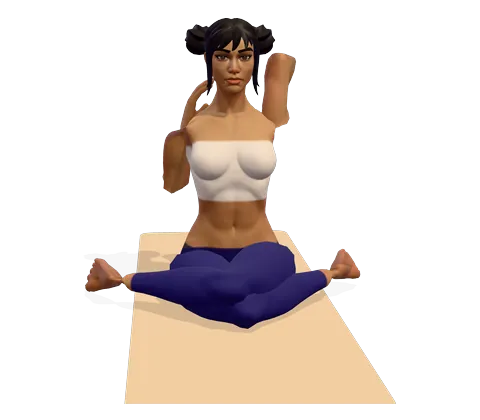 Cow Face PoseGomukhasana
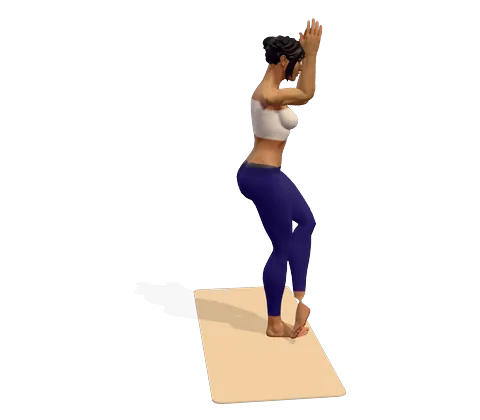 Eagle PoseGarudasana
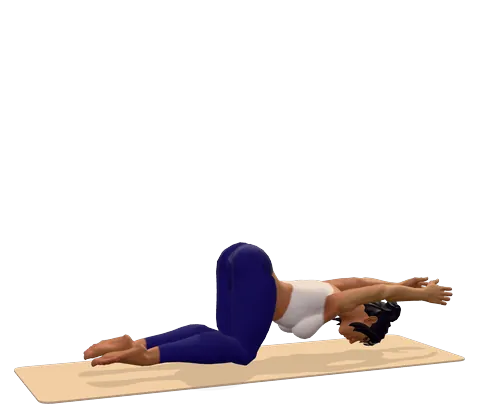 Extended Puppy PoseAnahatasana
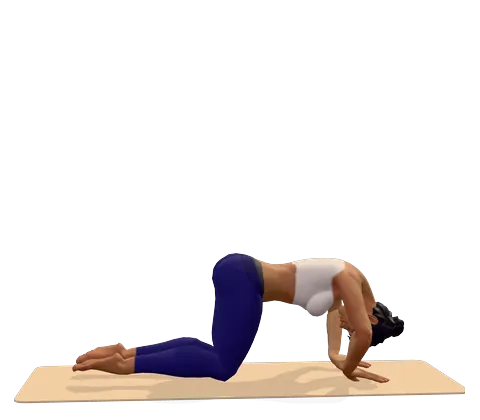 Cat PoseMarjaryasana
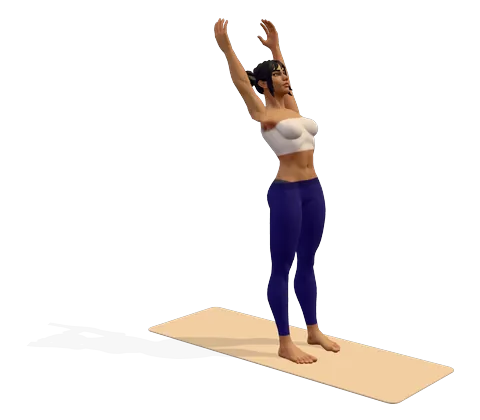 Raised Arms PoseHasta Uttanasana
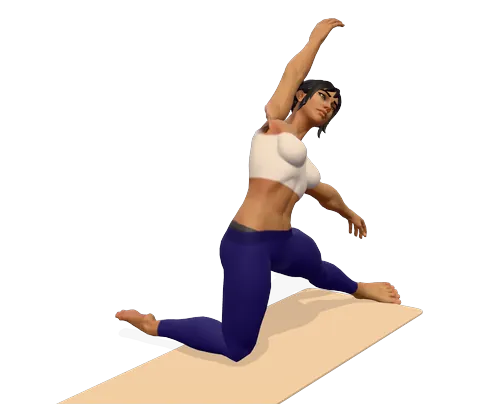 Gate PoseParighasana
More poses that help with frozen shoulder
Add these once the session above feels easy, or swap one in when a pose does not suit you.
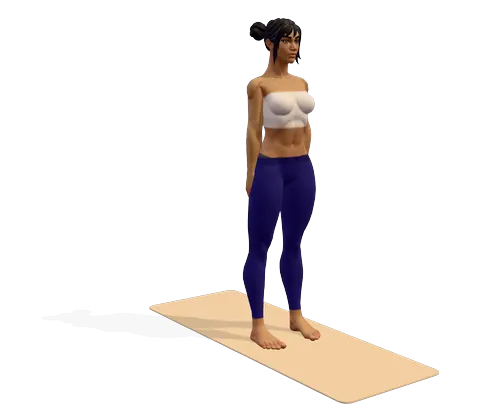 Mountain PoseTadasana
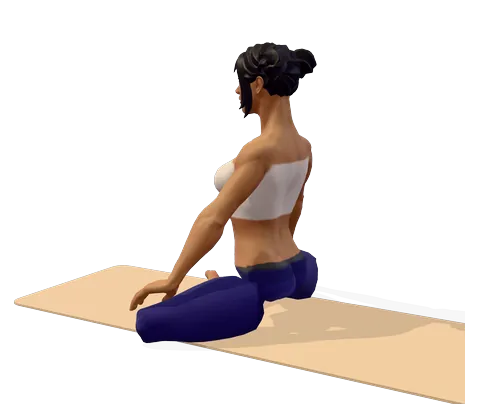 Easy PoseSukhasana
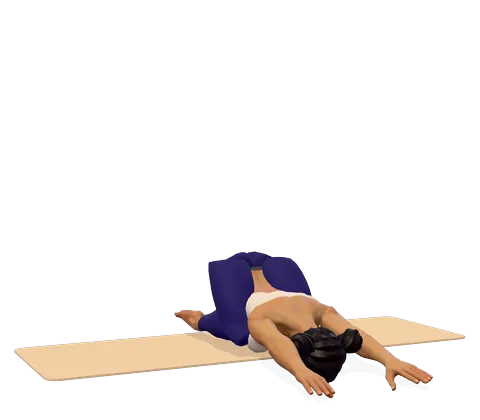 Child’s PoseBalasana
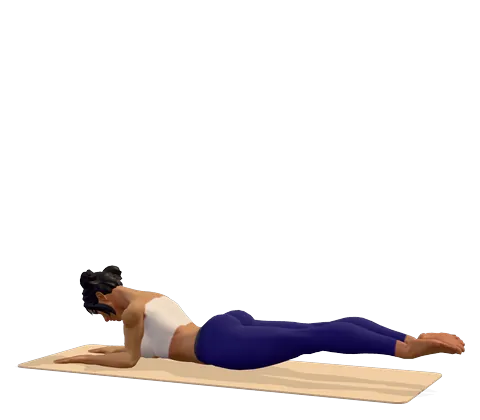 Sphinx PoseSalamba Bhujangasana
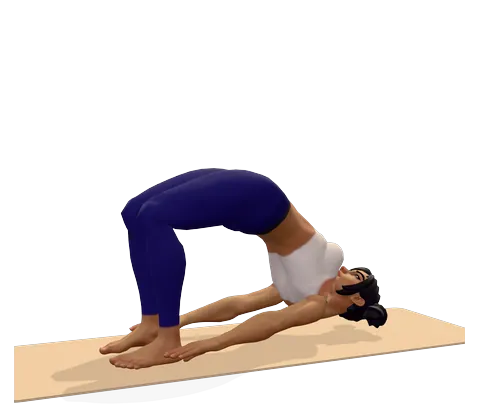 Bridge PoseSetu Bandhasana
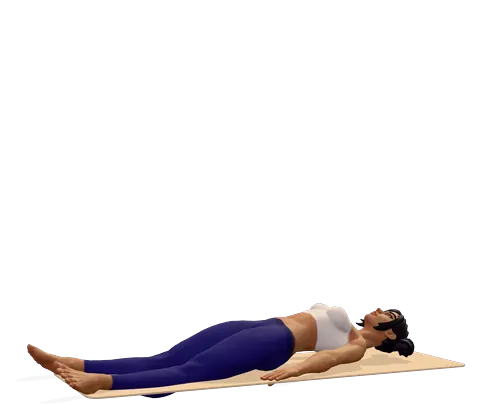 Corpse PoseSavasana
Mudras for frozen shoulder
Hold a mudra while you sit for the breathing practice or a few minutes of quiet. Mudras are a traditional practice; research on them is limited.
Breathing practice
Avoid
Weight-bearing on the painful arm (plank, crow, downward dog) until movement returns.
Traditional practice: Used in classical yoga therapy; few clinical trials so far.
Yoga for frozen shoulder is about patience. In a frozen shoulder (adhesive capsulitis), the tough capsule around the joint becomes inflamed, then thick and tight, so the arm cannot lift or turn properly. Gentle yoga stretches can help you keep what movement you have, ease pain and sleep better while the shoulder slowly recovers. Hard stretching, especially in the painful early stage, usually does more harm than good.
What is frozen shoulder, and how does yoga help?
Frozen shoulder causes pain and stiffness that build up over weeks or months. It most often affects people between 40 and 60, is more common in women, and is more likely if you have diabetes or thyroid problems, or after the arm has been kept still following an injury or surgery. Often the reasons for frozen shoulder are never found. The NHS notes it can take months or years to get better, but the pain and stiffness usually go away in the end.
It usually passes through three overlapping stages:
- Freezing (painful) stage. Pain is the main problem, often worse at night.
- Frozen (stiff) stage. Pain eases, but the shoulder is very stiff, especially when turning outward or reaching behind your back.
- Thawing stage. Movement slowly returns.
Frozen shoulder yoga therapy helps by moving the joint gently within a comfortable range, relaxing the neck and upper back muscles that tighten to protect the arm, and using slow breathing to cope with pain. Yoga does not "unstick" the capsule faster by force; the goal is steady, pain-free movement. If you are wondering how to ease a frozen shoulder or relieve frozen shoulder pain day to day: keep it moving gently, use heat, and ask your doctor about pain relief.
Is yoga good for frozen shoulder? What the research says
This plan is marked "traditional practice": yoga has been used for stiff shoulders for a long time, but there are only a few small studies. The results are mixed:
- A randomised trial from India gave people with mild to moderate frozen shoulder a set of standing yoga poses on top of their usual treatment. After four weeks, both groups improved, but the yoga added no extra benefit.
- A small quasi-experimental study of 40 people found that both yoga and physiotherapy improved function, with a little more gain in lifting the arm to the side in the yoga group.
- A 2004 study of 77 people found that gentle exercise within pain limits led to better results after two years than intensive stretching and manual mobilisation. This is the strongest reason to keep your yoga soft.
- A Cochrane review of manual therapy and exercise for frozen shoulder found only limited benefits and called for better trials, noting that injections may work faster for pain in the short term.
In plain words, yoga for frozen shoulder is a sensible way to keep moving, not a cure. Many physical therapy exercises for frozen shoulder look very similar to these stretches. Use yoga alongside the treatment your doctor or physiotherapist suggests, which may include painkillers, a steroid injection and physio for frozen shoulder.
Yoga poses for frozen shoulder: why each one is included
These yoga shoulder stretches and yoga asanas for frozen shoulder follow the Iyengar idea of using props (a strap, wall, chair or table) so you can stretch without strain. Warm up first: a warm shower or a heat pack for 10 minutes makes stretching easier. Then let the arm hang and swing it in small circles, like a pendulum, for a minute. The same poses also work as general yoga poses for shoulder pain relief.
Raised arms pose: lifting the arm
Raised arms pose works the movement most people lose first. Modify: clasp your hands and let the good arm help the stiff one up, or face a wall and walk your fingers up it, stopping at the first real stretch.
Gate pose: side stretch
Gate pose stretches the side body and the underside of the shoulder. Modify: kneel on a folded blanket or sit on a chair, and reach only with the good arm at first, resting the stiff arm on your thigh.
Extended puppy pose: overhead stretch
Extended puppy pose uses your body weight to open the shoulders overhead, which is too strong for many frozen shoulders. Modify: do it standing with your hands on a table or wall and step back slowly, or slide your hands forward on the floor from Child's pose only as far as is pain-free.
Cat pose: shoulder blades and upper back
Cat pose moves the shoulder blades and upper back. Modify: keeping weight off the painful arm, do it seated with hands on your knees, or on your forearms with most of the weight on the good side.
Eagle arms: across the body
Eagle pose arms bring the arm across the chest and stretch the back of the shoulder. Modify: sit, and simply hug yourself, or use the good hand to draw the stiff elbow gently across your chest.
Cow Face arms: behind the back
Cow Face pose arms train reaching up behind the head and behind the back, the hardest movement in frozen shoulder. Modify: hold a towel or strap in both hands, with the stiff arm below, and let the top hand draw the towel up gently. Only go where it feels like a stretch, not pain.
Breathing practice: Ujjayi
Ujjayi, the soft "ocean" breath, helps you stay relaxed in each stretch. Breathe in slowly through the nose, and breathe out with a gentle sound in the throat, letting the shoulder soften a little more on each out-breath. Keep it quiet and easy; it is not a strong breath.
A frozen shoulder home exercise program by stage
This yoga sequence for frozen shoulder works best as short, frequent sessions of frozen shoulder exercises at home, not one long, hard one. Match your practice to the stage you are in.
| Stage | Weekly plan | Aim |
|---|---|---|
| Freezing (painful) | Pendulum swings, Eagle-arm hug and Ujjayi, 5 minutes, 2–3 times a day | Ease pain, keep some movement |
| Frozen (stiff) | Guided session on this page 4–5 days a week, plus wall finger-walks daily | Hold and slowly gain range |
| Thawing | Guided session 3–4 days a week; add gentle strengthening such as wall push-ups and light band work, as your physio advises | Rebuild strength and full use |
A good rule: after exercising, the shoulder may ache a little, but that should settle within an hour or two. If pain lasts into the night or the next day, you pushed too far.
Frozen shoulder exercises to avoid
- Weight-bearing on the painful arm, such as Plank, Crow and Downward-facing dog, until movement returns.
- Yanking or bouncing into a stretch, or letting someone force your arm.
- Binds and full Cow Face with the hands clasped behind the back, before you can reach comfortably.
- Heavy lifting overhead and gym machines that load the shoulder.
See a doctor before starting if your shoulder pain began after a fall or injury, if you cannot lift your arm at all, or if you have not had a diagnosis. Get urgent help for shoulder or arm pain with chest pain, breathlessness or sweating, or with a hot, swollen, red joint and fever. Keep taking prescribed medicine.
Beginners, both shoulders, surgery and other situations
Beginners: yoga for frozen shoulder beginners should start with the seated versions of these yoga exercises for frozen shoulder and the shortest hold setting.
Both shoulders (bilateral): some people get frozen shoulder on both sides, usually one after the other. For bilateral frozen shoulder, do the yoga wall and towel versions so neither arm takes weight.
After surgery: if your frozen shoulder follows surgery, start yoga only once your surgeon's rehab plan allows it. To help prevent frozen shoulder after surgery or a fracture, keep the arm moving as much as your doctor allows.
Menopause and diabetes: frozen shoulder is most common in women in midlife, and some women first notice it around menopause; the same gentle yoga for frozen shoulder applies. If you have diabetes, keeping blood sugar well controlled and your regular check-ups matter too.
Rotator cuff pain is different. In rotator cuff problems, the shoulder usually moves fully when someone else lifts the arm, but hurts when you lift it yourself. In frozen shoulder, it is stiff both ways. Gentle yoga for shoulder pain from rotator cuff problems uses similar stretches, but get a diagnosis first. For tension spreading into the neck, see our plan for yoga for neck and shoulder pain.
Frozen shoulder in Hindi: what it is and which yoga helps
फ्रोज़न शोल्डर के लिए योग — हिंदी में फ्रोज़न शोल्डर में कंधे के जोड़ की झिल्ली सूजकर सख़्त हो जाती है, जिससे हाथ ऊपर उठाने और पीछे ले जाने में दर्द और जकड़न होती है। रोज़ 2–3 बार हल्के व्यायाम करें: हाथ को झुलाना, दीवार पर उँगलियों से ऊपर चढ़ना, गरुड़ासन की बाजू और तौलिये से गोमुखासन की बाजू। झटके से या ज़बरदस्ती न खींचें और दर्द वाले हाथ पर वज़न न डालें। ठीक होने में महीनों लग सकते हैं, इसलिए धैर्य रखें और डॉक्टर या फ़िज़ियोथेरेपिस्ट की सलाह मानें।
Start the guided session
Start the guided frozen shoulder session on this page. Watch the 3D figure first, rotate it to see the arm positions, then follow along with the prop versions described above. The voice guides you in 28 languages, and you can choose shorter holds on painful days.
Research behind this plan
- Jain 2020, Journal of Ayurveda and Integrative Medicine — RCT (72 people): standing yoga asanas added to usual care gave no extra benefit at 4 weeks; both groups improved
- Pitchai 2020, Journal of Complementary and Integrative Medicine — quasi-experimental study (40 people): yoga and physiotherapy both improved function; yoga showed extra gain in shoulder abduction
- Diercks 2004, Journal of Shoulder and Elbow Surgery — 77 patients over 2 years: gentle exercise within pain limits did better than intensive stretching and mobilisation
- Page 2014, Cochrane Database of Systematic Reviews — manual therapy and exercise for frozen shoulder: limited evidence of benefit, better trials needed
- NHS — Frozen shoulder: causes, treatment and how long it lasts
Frequently asked questions
Can you do yoga with a frozen shoulder?
Yes, if you keep it gentle. Use props, stay in a pain-free range and avoid putting weight on the painful arm. In the early, painful stage, do less: pendulum swings and easy hugs are enough.
Does yoga help with frozen shoulder recovery time?
There is no good evidence that yoga shortens the overall course, which can take months or years. Gentle movement may help you keep range and cope with pain along the way. Intensive stretching did worse than gentle exercise in one two-year study.
How do I do yoga for frozen shoulder at stage 1?
In the first, painful stage, keep movements small and frequent: pendulum swings, a self-hug and slow breathing a few times a day. Pain relief from your doctor may make movement easier. Save stronger stretches for the stiff stage.
What movements should I avoid with frozen shoulder?
Avoid forcing the arm behind your back or overhead, bouncing stretches, heavy lifting and weight-bearing poses like Plank or Downward dog on the painful side.
Is heat or massage good for frozen shoulder?
Heat before stretching often makes movement more comfortable. Gentle massage may relax the surrounding muscles, but it does not loosen the joint capsule itself. Both are comfort measures, not treatments on their own.
How can I prevent frozen shoulder?
There is no sure way. Keeping the shoulder moving after an injury or surgery, within your doctor's advice, and managing diabetes well may lower the risk.
When should I start strengthening exercises for frozen shoulder?
Once the pain has settled and movement is returning, usually in the thawing stage, when yoga for frozen shoulder rehab can add light strength work. Start with light resistance and ask a physiotherapist to set the level.
Medical note: yoga supports treatment; it does not replace it. Keep taking prescribed medicine and talk to your doctor before you start, especially with heart disease, uncontrolled blood pressure, recent surgery, pregnancy, epilepsy or severe pain. Read our medical disclaimer.