Your epilepsy (complementary care) yoga plan
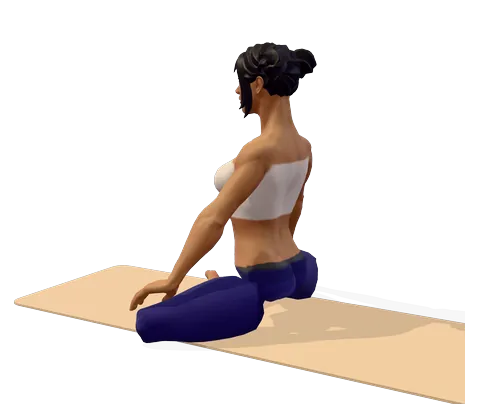 Easy PoseSukhasana
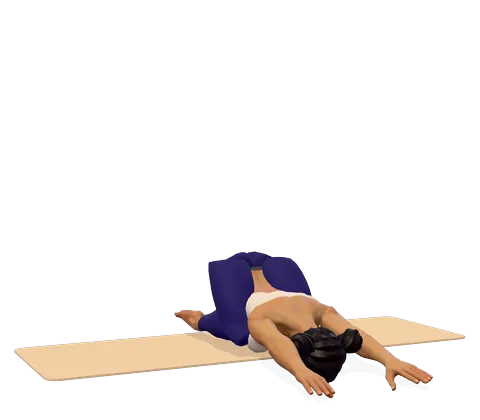 Child’s PoseBalasana
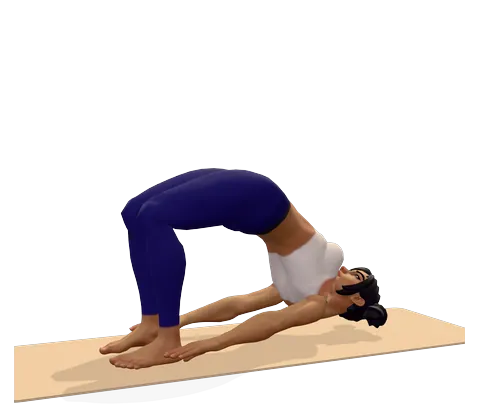 Bridge PoseSetu Bandhasana
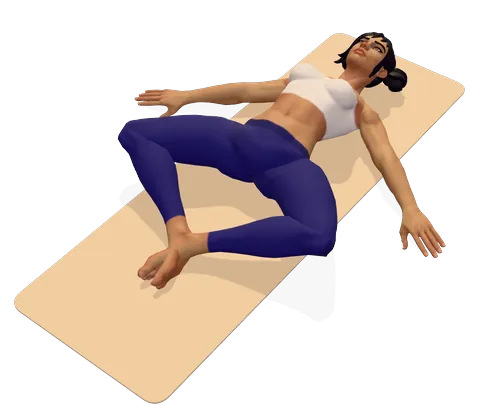 Reclining Bound Angle PoseSupta Baddha Konasana
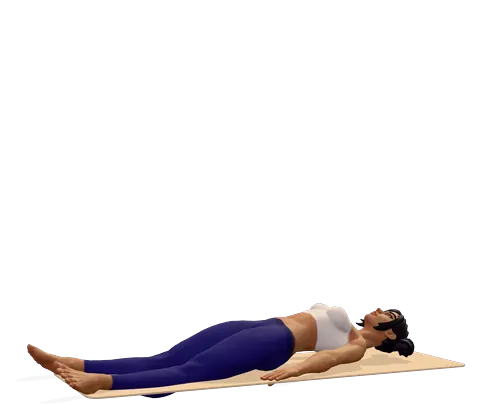 Corpse PoseSavasana
More poses that help with epilepsy (complementary care)
Add these once the session above feels easy, or swap one in when a pose does not suit you.
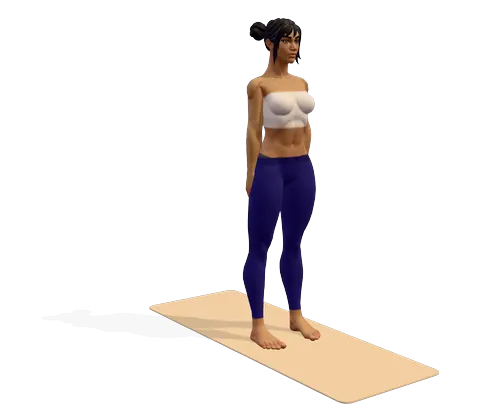 Mountain PoseTadasana
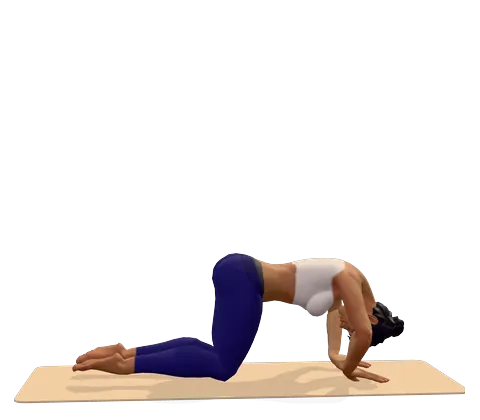 Cat PoseMarjaryasana
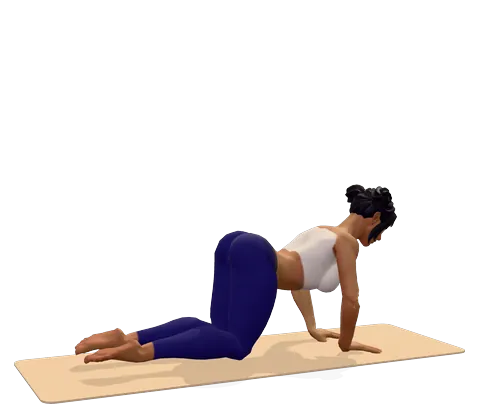 Cow PoseBitilasana
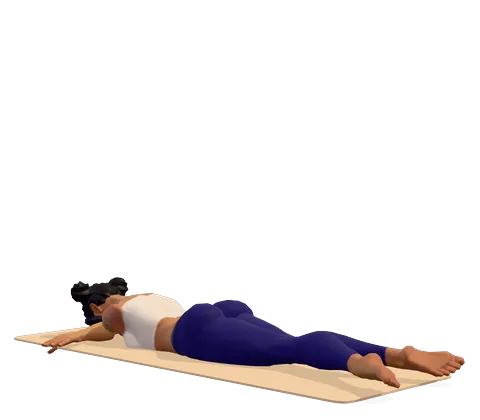 Crocodile PoseMakarasana
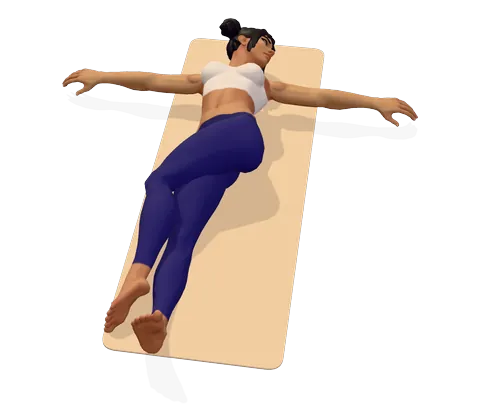 Supine Spinal TwistSupta Matsyendrasana
Mudras for epilepsy (complementary care)
Hold a mudra while you sit for the breathing practice or a few minutes of quiet. Mudras are a traditional practice; research on them is limited.
Breathing practice
Avoid
Kapalbhati, Bhastrika and any rapid breathing — over-breathing can trigger seizures.
Traditional practice: Used in classical yoga therapy; few clinical trials so far.
Guided meditation for epilepsy (complementary care)
Breath Awareness Meditation (10 min, voice in 28 languages) · Body Scan Meditation (15 min, voice in 28 languages)
Yoga for epilepsy is complementary care: a calm, slow practice you add to the treatment your neurologist has planned, never a replacement for it. Stress and poor sleep are common seizure triggers for many people, and gentle yoga, slow breathing and rest may help with both. This page explains what yoga can and cannot do, which practices are unsafe with epilepsy, a floor-based plan you can follow with the 3D guide, and what to do if a seizure happens.
Two rules before anything else. 1) Keep taking your anti-seizure medicine exactly as prescribed — never reduce or stop it because you feel better with yoga. 2) Ask your neurologist before you start, and show them this plan. Never practise fast or forceful breathing (Kapalbhati, Bhastrika, “breath of fire”) or long breath holds: over-breathing can trigger seizures.
Is yoga good for epilepsy patients?
It can be a helpful extra for many people, as long as it is gentle and approved by your doctor. Yoga may help in three indirect ways:
- Stress. Many people with epilepsy notice more seizures when they are stressed. Slow breathing and relaxation calm the stress response.
- Sleep. Lack of sleep is a well-known trigger. A regular evening wind-down with lying poses and Yoga Nidra supports a steady sleep routine.
- Mood, confidence and stigma. Anxiety, low mood and feeling judged are common with epilepsy. A calm practice you control can help you feel more at ease in your body.
So how does yoga fit with how to manage epilepsy — and how to deal with epilepsy emotionally — day to day? It sits beside the basics: take every dose on time, sleep regular hours, limit alcohol, keep a seizure diary to spot your seizure triggers, and follow your seizure action plan.
What the research says about yoga and epilepsy
This is a traditional practice with limited evidence. A Cochrane review found only two small trials (50 people in total) of yoga for drug-resistant epilepsy and concluded that no reliable conclusions could be drawn about seizure control. One of those trials tested Sahaja yoga, a simple seated meditation — so if you searched for epilepsy Sahaja yoga, that is where the idea comes from, but the evidence is thin.
A newer and better-designed trial in India (160 adults, published in Neurology in 2023) compared yoga plus education with “sham” yoga plus education for three months. The yoga group felt less stigma, had less anxiety and better quality of life, and was more likely to have a large drop in seizures. That is encouraging, but it is one trial. Yoga for epileptic seizure control is not proven, and yoga for epilepsy treatment should always mean yoga alongside medical treatment.
Yoga and epilepsy contraindications: what to avoid
Doctors sometimes ask patients to breathe deeply and fast for a few minutes during an EEG because hyperventilation can bring on seizure activity — it is used on purpose as a test. That is exactly why fast breathing does not belong in a home practice. Avoid:
- Kapalbhati and Bhastrika (skull-shining and bellows breath), breath of fire and any rapid, forceful breathing. Kapalbhati in epilepsy is a firm no.
- Breath retention (kumbhaka) and long breath holds.
- Headstand, shoulder stand and other inversions, and any pose where a sudden seizure could cause a fall from height.
- Hot yoga, overheating, dehydration and exhausting sessions.
- Flashing or flickering lights if you have photosensitive epilepsy, and practising when you are very tired.
If you have absence seizures, be especially strict about breathing: absence seizures are especially easy to provoke by over-breathing, which is why doctors use it to bring them on during tests. Yoga for absence seizures means slow, quiet breathing only.
The safe plan, pose by pose
These yoga asanas for epilepsy stay close to the floor, so a sudden seizure is less likely to cause a fall. Practise on a soft mat or carpet, away from furniture edges, and ideally with someone nearby who knows seizure first aid.
1. Easy pose — settle and notice your breath
Sit in Easy pose (Sukhasana) on a cushion, or on a chair with your feet flat. Let your breath slow down naturally for one minute without forcing it.
2. Child’s pose — rest the head and slow down
Child’s pose (Balasana) is a restful forward bend. Keep the knees wide, rest your forehead on a folded blanket or your stacked hands, and breathe into your back.
3. Bridge pose — gentle strength
Bridge pose (Setu Bandhasana) strengthens the legs and back. Lift the hips only a little, keep the neck relaxed and come down slowly. For a restful version, slide a firm cushion or block under the pelvis.
4. Reclining bound angle — open and relax
Lie back in Reclining bound angle pose (Supta Baddha Konasana), soles together, knees supported on pillows. Stay two to three minutes.
5. Corpse pose — the most important pose
Corpse pose (Savasana) for five minutes or more. This deep rest is the heart of restorative yoga for epilepsy.
Which yoga is best for epilepsy? The best yoga exercise for epilepsy is a slow one: gentle Hatha and restorative yoga, done slowly. Skip fast flows, power yoga and hot yoga.
Breathing exercises for epilepsy: slow only
Nadi Shodhana (channel-cleansing breath) is the one breathing practice in this plan. Do it at your natural pace: breathe in and out through alternate nostrils, quietly, with no breath holds and no counting that makes you breathe harder. Five minutes is plenty. If you feel light-headed, tingling or “strange”, stop and breathe normally.
Yoga and meditation for epilepsy go well together: a few minutes of quiet sitting with the meditation timer, or a guided Yoga Nidra before bed, are good choices. A yoga mudra for epilepsy, such as resting the hands in Chin mudra, is a traditional way to focus the mind while you sit; there is no research that mudras affect seizures.
Sample weekly routine
| Day | Practice | Time |
|---|---|---|
| Monday | Guided session on this page + slow Nadi Shodhana | 15 min |
| Tuesday | Walk with a friend; evening Yoga Nidra | 20–30 min |
| Wednesday | Guided session, longer rest in corpse pose | 15–20 min |
| Thursday | Quiet sitting meditation | 5–10 min |
| Friday | Guided session + slow Nadi Shodhana | 15 min |
| Saturday | Gentle walk or light activity you enjoy | 20–30 min |
| Sunday | Rest; Yoga Nidra before bed | 10–20 min |
Practise at the same time each day, never on an empty stomach or after a missed night’s sleep, and log sessions in My Practice next to your seizure diary.
How to handle a seizure: first aid steps
People often ask how to stop a seizure instantly. You cannot stop or calm seizures by holding someone or with a breathing trick, and there is no first-aid way to treat seizures quickly; most seizures stop on their own in a few minutes. What helps with seizures in the moment is keeping the person safe. Some people have a rescue medicine prescribed by their doctor for long seizures — follow their seizure plan. Here are the steps to treat a seizure safely when you are dealing with a seizure in someone else, based on CDC first-aid advice:
- Stay with the person and time the seizure.
- If they are falling, ease them to the ground. Move hard or sharp objects away.
- Put something soft and flat under their head, remove glasses and loosen anything tight around the neck.
- Turn them gently onto one side, mouth pointing to the ground, so they can breathe.
- Do not hold them down, and do not put anything in their mouth. Do not give food or water until they are fully alert.
- Stay calm and stay with them until they are awake and aware.
Call emergency services if a seizure lasts longer than 5 minutes, seizures come one after another, the person has trouble breathing or does not wake up afterwards, is injured, has the seizure in water, has never had a seizure before, is pregnant, or has diabetes. See a doctor soon if your seizures change in pattern or become more frequent.
Medicines, Ayurveda and other questions
Some medicines can lower the seizure threshold, so always tell every doctor and pharmacist that you have epilepsy before starting a new drug; they can check which drugs are contraindicated in epilepsy for you. If you are curious about epilepsy treatment in Ayurveda or other herbal products, speak to your neurologist first — herbal remedies can interact with anti-seizure medicine, and none is proven to replace it.
Is any yoga exercise for epilepsy risky? Does yoga for epilepsy have side effects? Gentle poses and slow breathing are generally safe. The main risks come from fast breathing, breath holds, inversions, overheating and falls — all left out of this plan.
मिर्गी के लिए योग (yoga for epilepsy treatment in Hindi): योग मिर्गी की दवा की जगह नहीं ले सकता, यह केवल सहायक देखभाल है। अपनी दवा कभी बंद न करें और योग शुरू करने से पहले अपने न्यूरोलॉजिस्ट से पूछें। सुखासन, बालासन, सेतुबंधासन और शवासन जैसे ज़मीन पर किए जाने वाले आसान आसन करें और नाड़ी शोधन धीरे-धीरे करें। कपालभाति, भस्त्रिका, तेज़ साँस और साँस रोकना बिल्कुल न करें, क्योंकि तेज़ साँस से दौरा आ सकता है।
Start the gentle guided session
The session on this page uses only the five floor-based poses above, with a calm voice in 28 languages and a 3D guide you can rotate. There is no fast breathing in it. When your neurologist has said yes, start the guided session at the top of the page — with someone nearby the first few times.
Research behind this plan
- Panebianco 2017, Cochrane Database of Systematic Reviews — only two small trials (50 people); no reliable conclusions on yoga for seizure control
- Kaur 2023, Neurology — randomised trial in 160 adults: yoga plus education reduced felt stigma and anxiety and improved quality of life compared with sham yoga
- Guaranha 2005, Epilepsia — hyperventilation is used during video-EEG monitoring to activate seizures
- CDC, First Aid for Seizures — steps to keep a person safe and when to call emergency services
Frequently asked questions
Is yoga good for epilepsy?
Gentle yoga may help with stress, sleep, anxiety and quality of life, and one 2023 trial found fewer seizures in the yoga group. The evidence is still limited, so yoga is complementary care only — keep taking your anti-seizure medicine.
Which yoga is best for epilepsy?
Slow, gentle Hatha or restorative yoga with floor-based poses, long rest in corpse pose and slow, quiet breathing. Avoid hot yoga, power yoga and any fast breathing.
Can Kapalbhati or Bhastrika trigger a seizure?
They can. Both are fast, forceful breathing practices, and over-breathing (hyperventilation) is used by doctors during EEG tests because it can bring on seizure activity. People with epilepsy should not practise them.
Can yoga stop or cure epilepsy?
No. There is no evidence that yoga can cure epilepsy or replace medicine. It may support your treatment by easing stress and helping sleep.
How do you stop a seizure instantly?
You cannot stop a seizure instantly with first aid. Keep the person safe, time the seizure, turn them on their side, put nothing in their mouth, and call emergency services if it lasts more than 5 minutes. Rescue medicine is only given if a doctor has prescribed it.
How can I prevent seizures?
There is no quick way to get rid of seizures, but you can lower the risk. Take your medicine on time, sleep regular hours, limit alcohol, manage stress and learn your personal triggers with a seizure diary. Your neurologist is the right person to adjust treatment if seizures continue, and an epilepsy nurse or support group can help you learn how to deal with seizures in daily life.
Is yoga safe for people with absence seizures?
Gentle poses usually are, but breathing must stay slow and quiet because over-breathing is a known trigger for absence seizures. Ask your neurologist before you start.
Medical note: yoga supports treatment; it does not replace it. Keep taking prescribed medicine and talk to your doctor before you start, especially with heart disease, uncontrolled blood pressure, recent surgery, pregnancy, epilepsy or severe pain. Read our medical disclaimer.