Your hip pain and tight hips yoga plan
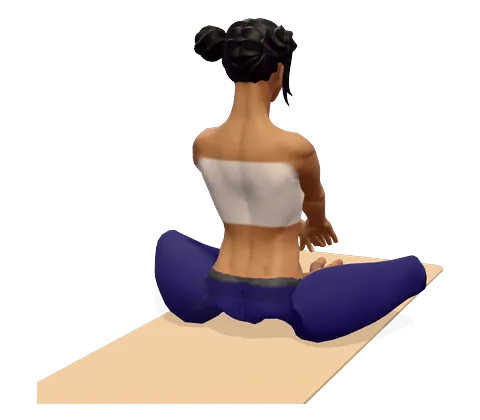 Bound Angle PoseBaddha Konasana
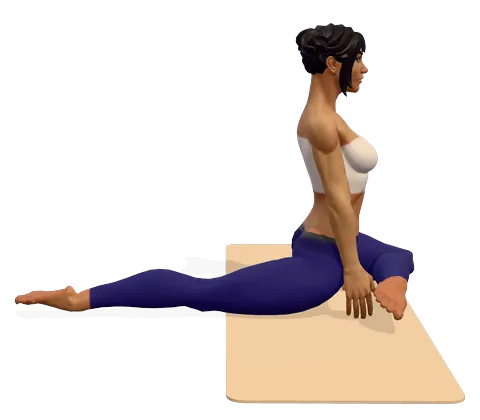 Pigeon PoseEka Pada Rajakapotasana
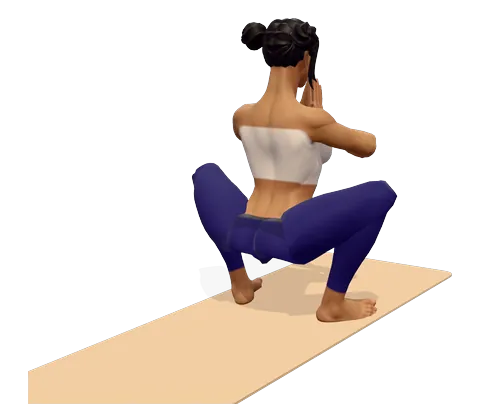 Garland PoseMalasana
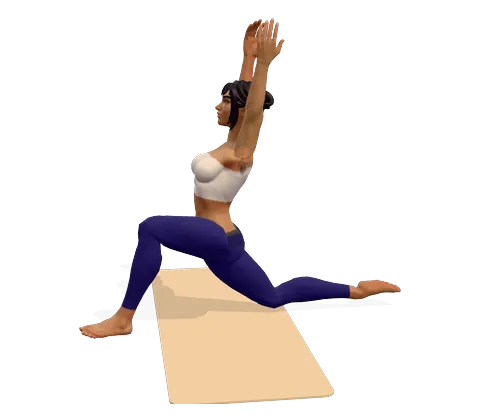 Low Lunge PoseAnjaneyasana
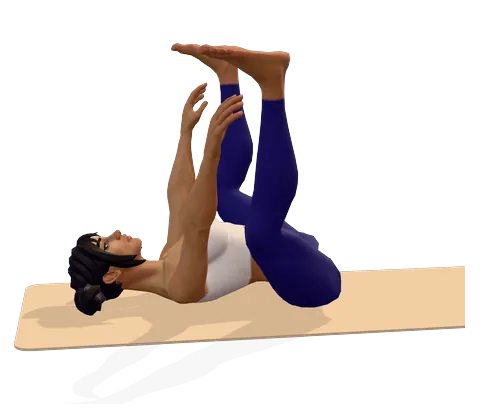 Happy Baby PoseAnanda Balasana
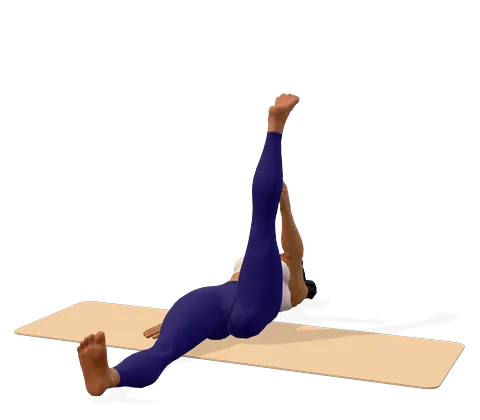 Reclining Hand-to-Big-Toe PoseSupta Padangusthasana
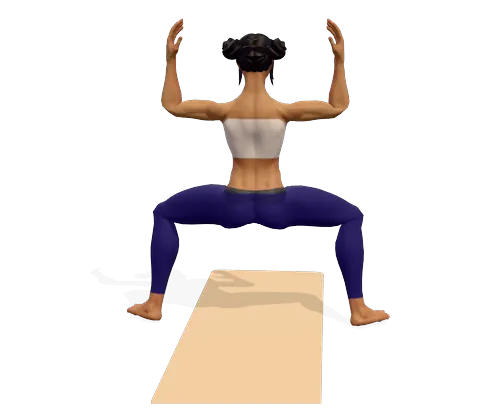 Goddess PoseUtkata Konasana
More poses that help with hip pain and tight hips
Add these once the session above feels easy, or swap one in when a pose does not suit you.
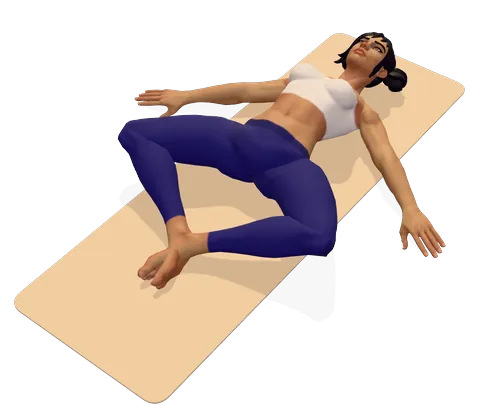 Reclining Bound Angle PoseSupta Baddha Konasana
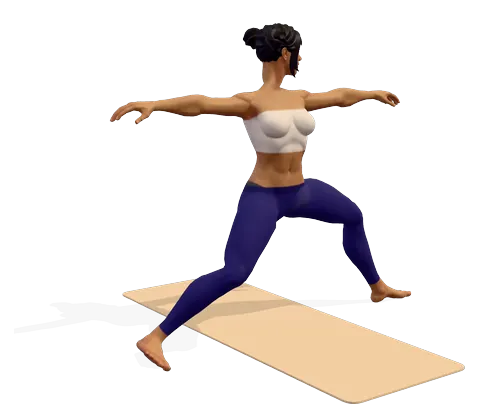 Warrior II PoseVirabhadrasana II
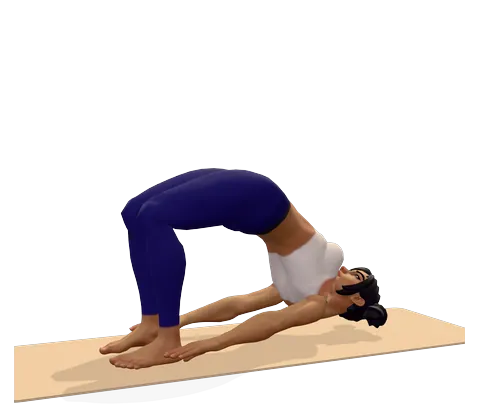 Bridge PoseSetu Bandhasana
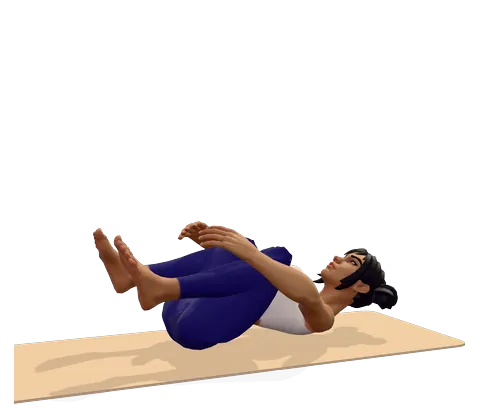 Wind-Relieving PosePavanamuktasana
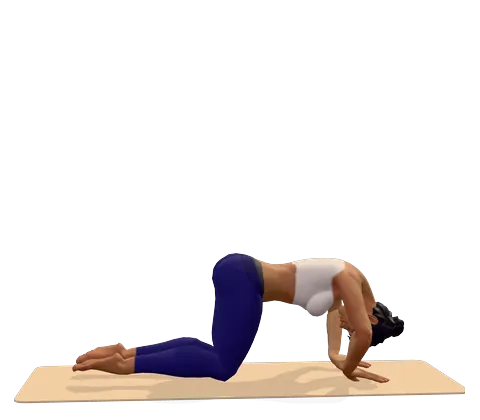 Cat PoseMarjaryasana
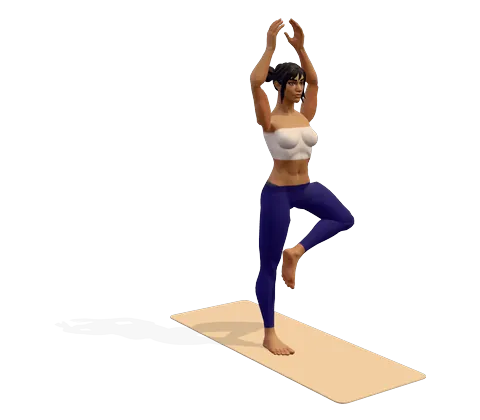 Tree PoseVrikshasana
Mudras for hip pain and tight hips
Hold a mudra while you sit for the breathing practice or a few minutes of quiet. Mudras are a traditional practice; research on them is limited.
Breathing practice
Avoid
Deep pigeon and lotus if you have a hip replacement or groin pain.
Emerging evidence: Small or early trials look promising.
Yoga for hip pain works best when it does two things: it gently restores the range of movement a stiff hip has lost, and it strengthens the muscles that hold the joint steady. The plan on this page does both. It suits tight hips from long sitting, mild hip arthritis and general stiffness. It is not a treatment for a new injury, and some poses need changes if you have had a hip replacement, so read the safety sections before you start.
How yoga may help hip pain
The hip is a deep ball-and-socket joint wrapped in strong muscles: the hip flexors at the front, the glutes behind, the adductors on the inner thigh and small rotators underneath. When you sit for hours, the front of the hip shortens and the glutes switch off. The joint then moves through a smaller range, and the muscles around it feel tight and sore.
Yoga moves the hip slowly in every direction it can go: forward, back, out to the side and in rotation. Held stretches ease stiffness, and standing poses like Goddess and a low lunge build strength in the glutes and thighs. Slow breathing lowers muscle guarding, the reflex tightening that makes a sore joint feel even stiffer. Together, this is why many people find yoga for tight hips and lower back discomfort helpful, and why the same poses work as yoga for hip pain and stiffness: the pelvis links both areas, so easing one often eases the other.
Is yoga good for hip pain? What the research says
The honest answer is that the evidence is emerging. There are few trials of yoga for the hip specifically. What we know comes mostly from related research:
- A Cochrane review found high-quality evidence that land-based therapeutic exercise reduces pain and improves function in hip osteoarthritis, and the benefit lasted months after the programmes ended.
- The 2019 American College of Rheumatology and Arthritis Foundation guideline strongly recommends exercise and tai chi for hip osteoarthritis. It conditionally recommends yoga for knee osteoarthritis and makes no yoga recommendation for the hip because there is not enough data yet.
- A meta-analysis of yoga for osteoarthritis found benefits for pain, function and stiffness, but the trials involved mainly knee joints.
So, does yoga help with hip pain? It is a reasonable, low-cost way to do the kind of exercise that is proven to help, as long as you choose poses that suit your hip. Motion studies show that several popular poses, including pigeon, deep forward folds and seated twists, take the hip to the end of its range. That matters if you have arthritis, a labral problem or a hip replacement, and it is why this plan gives you gentler options.
The best yoga poses for hip pain, one by one
These seven yoga moves for hip pain make up the guided session: a short hip opening yoga flow that mixes seated, lying and standing hip opening yoga postures. Move slowly, stop short of pain and breathe through your nose.
1. Bound Angle Pose: gentle inner-thigh release
Bound Angle Pose (Baddha Konasana) opens the inner thighs and groin without loading the joint. Sit on a folded blanket so your pelvis tips forward, and place blocks or cushions under your knees. Never push the knees down with your hands; let gravity do the work. It is a kind yoga pose for hips that feel sore or stiff first thing in the morning.
2. Pigeon Pose: outer hip and glutes
Pigeon Pose is the classic hip opening yoga stretch for tight hips and glutes, but it is also the pose most likely to strain a knee or a sensitive hip. Put a block or cushion under the hip of the front leg so your pelvis stays level. If it pinches in the groin, do a figure-four stretch lying on your back instead. Skip pigeon entirely after a hip replacement unless your surgeon says it is fine.
3. Garland Pose: deep squat for mobility
Garland Pose (Malasana) trains the deep hip bend you need for daily life, like getting up from the floor. Sit on a block or a thick book, keep your heels on a rolled blanket, and hold a chair in front if balance is shaky. Stop if you feel a pinch at the front of the hip.
4. Low Lunge: hip flexors after sitting
Low Lunge (Anjaneyasana) is the most useful yoga for hip flexors. Pad the back knee with a folded blanket and tuck your tailbone slightly so you feel the stretch at the front of the back hip, not in your lower back. Keep your hands on blocks.
5. Happy Baby: release for hips and back
Happy Baby (Ananda Balasana) relaxes the hips and lower back together, which makes it good yoga for back and hip pain. Hold the backs of your thighs or a strap if you cannot reach your feet, and keep your tailbone heavy on the floor.
6. Reclining Hand-to-Big-Toe: hamstrings safely
Reclining Hand-to-Big-Toe Pose stretches the hamstrings while your back is fully supported. Loop a strap around the foot and keep the other leg bent. In yoga for tight hips and hamstrings, this is a better choice than standing forward folds, especially if you also have sciatica.
7. Goddess Pose: strength, not just stretch
Goddess Pose (Utkata Konasana) builds the glutes and thighs that support the hip joint. Bend your knees only as far as they stay over your toes. Hold a chair back for balance. As it strengthens the thighs, it is also yoga for hips, knees and legs together. This pose matters because yoga for hip strength and flexibility together gives better results than stretching alone.
To add more strength, finish with a few slow lifts in Bridge Pose. Strong glutes take load off a sore hip.
Breathing practice
End with five minutes of Nadi Shodhana (alternate nostril breathing). Pain and tension feed each other, and slow, even breathing helps the nervous system settle so the muscles around the hip let go. Breathe gently without holding your breath.
A sample weekly routine for hips
| Day | Practice | Time |
|---|---|---|
| Monday | Guided hip session on this page | 10 min |
| Tuesday | Walk, then Low Lunge and Reclining Hand-to-Big-Toe | 20–30 min |
| Wednesday | Guided session plus Bridge lifts | 15 min |
| Thursday | Rest or easy walk | — |
| Friday | Guided session and Nadi Shodhana | 15 min |
| Saturday | Longer hip opening yoga sequence (the Hip Opener session on Guided Yoga Sessions) | 20 min |
| Sunday | Rest | — |
This yoga sequence for hip pain is built for consistency: three or four short sessions a week beat one long one. Most people notice looser hips within two to four weeks. Pain relief from strengthening usually takes longer, often six weeks or more.
Yoga for hip pain for beginners, seniors and pregnancy
Beginners
If you are new, the best yoga poses for hip pain for beginners are the lying and seated ones: Happy Baby, Reclining Hand-to-Big-Toe and Bound Angle. These yoga hip openers let you open hips gently; hold each for five breaths, not longer. Our yoga for beginners guide explains props and breathing.
Yoga for hip pain over 50 and for seniors
Yoga for hip pain for seniors should favour stability over depth. Hip injuries make up a larger share of yoga injuries in people over 45, so skip deep pigeon and full squats. Hip opening chair yoga for hip pain works well for seniors: sit tall, cross one ankle over the other knee for a seated figure-four stretch, and march your knees up and down for strength. The yoga for seniors page has more chair options.
Pregnancy
Hip and pelvic pain is common in pregnancy because hormones loosen the ligaments. Prenatal yoga for hip pain should use a narrow stance, avoid lying on your belly and avoid deep stretches that feel unstable. Keep Goddess Pose shallow and use a chair. See prenatal yoga and check with your midwife or doctor first.
Arthritis, bursitis and hip replacement
Hip arthritis (hip OA): is yoga good for hip arthritis? Gentle yoga for arthritis in the hips keeps the joint moving and the muscles strong, including in psoriatic or rheumatoid arthritis once a flare has settled. Work in a pain-free range and stop if pain lasts more than a couple of hours after practice. Our yoga for arthritis plan covers the rest of the body.
Bursitis and side hip pain: yoga for hip bursitis pain means avoiding pressure on the outer hip. Do not lie on the sore side, and skip stretches that press hard across the outer thigh. Strengthening the side glutes, for example with side-lying leg lifts, often helps more than stretching.
Hip replacement: yoga for hip replacement patients is possible, and many people return to practice, but your movement limits depend on how the operation was done. Follow your surgeon's precautions. In general, avoid deep hip bending, crossing the leg over the midline and deep rotation (pigeon, lotus, deep squats, twists) unless you have been cleared.
Hip pain from yoga and exercises to avoid
Side effects of yoga for hip pain are usually mild soreness. Real hip pain from yoga usually comes from forcing range, especially in lotus, deep pigeon, splits and wide-legged folds, or from flexible people sinking into their joints instead of using muscle. These are the hip pain exercises to avoid until your hip is comfortable:
- Forcing lotus or half lotus, which can twist the knee as well
- Deep pigeon with the pelvis dropping to one side
- Splits and extreme wide-legged stretches
- Any pose that causes a sharp pinch at the front of the hip
See a doctor first if: you cannot bear weight after a fall, the hip is hot, red or swollen, you have fever with hip pain, pain wakes you at night or comes with unexplained weight loss, pain spreads down the leg with numbness or weakness, or a child or teenager has hip or knee pain with a limp. Severe hip pain needs a diagnosis before yoga.
Hip opening yoga and trauma, hip fat and hip width
You may read that a hip opening yoga routine can release trauma stored in the hips. There is no good evidence for that idea. Some people do feel emotional during long, quiet stretches, which is normal. If past trauma affects you, work with a mental health professional, and choose gentle poses where you feel in control.
Can you widen your hips by yoga? No. Hip width is set by the pelvis bones. Yoga can build the glute muscles and improve posture, which may change the shape a little. Likewise, yoga to reduce hip fat cannot burn fat from one spot. See yoga for weight loss for what does work.
Start your guided hip session
Scroll up to the guided 3D session, which uses the best yoga moves to loosen hips, stretch the back and hips, and release hip tension. The figure shows each pose, a voice talks you through it in your language, and you can choose shorter or longer holds. For slower, somatic yoga for hip pain, see somatic yoga. If you also have lower back or knee trouble, see yoga for back pain and yoga for knee pain.
Research behind this plan
- Fransen 2014, Cochrane Database Syst Rev — land-based exercise reduces pain and improves function in hip osteoarthritis
- Kolasinski 2020, Arthritis Care Res — ACR/AF guideline: exercise strongly recommended for hip OA; yoga conditionally recommended for knee OA
- Lauche 2019, Curr Rheumatol Rep — yoga for osteoarthritis meta-analysis (mainly knee trials): less pain and stiffness, better function
- Mears 2018, J Arthroplasty — pigeon, forward folds and twists take the hip to the end of its range
- Watson 2025, J Am Acad Orthop Surg — hip injuries make up a larger share of yoga injuries after age 45
Frequently asked questions
Is yoga good for hip pain?
For most people with stiff hips or mild hip arthritis, yes. Exercise is proven to reduce hip osteoarthritis pain, and yoga is one way to do it. Research on yoga for the hip specifically is still limited, so choose gentle poses and stop anything that causes sharp pain.
What are the best yoga poses for hip pain?
Yoga poses that help with back and hip pain include Bound Angle, Low Lunge, Happy Baby, Reclining Hand-to-Big-Toe and Goddess Pose are good starting points. Add Bridge for glute strength. Use pigeon and deep squats only if they feel comfortable.
Can yoga help hip pain and sciatica at the same time?
It can, if you choose poses that do not stretch an irritated nerve hard. Reclining Hand-to-Big-Toe with a bent knee and gentle Bridge usually suit both. Avoid deep forward folds during a flare, and see our yoga for sciatica plan.
How often should I do yoga for tight hips?
Three to five short sessions a week work well. Ten to fifteen minutes is enough. You should feel looser within a few weeks.
Can I do yoga after a hip replacement?
Many people return to yoga after a hip replacement, but only after your surgeon clears you. Avoid deep bending, crossing the leg over the midline and deep rotation unless you are told they are safe for your type of surgery.
Why does my hip hurt after yoga?
The most common reasons are forcing a pose, holding it too long or sinking into the joint instead of using muscle. Back off, use props and add strengthening poses. If pain lasts more than a day or two, see a physiotherapist.
Medical note: yoga supports treatment; it does not replace it. Keep taking prescribed medicine and talk to your doctor before you start, especially with heart disease, uncontrolled blood pressure, recent surgery, pregnancy, epilepsy or severe pain. Read our medical disclaimer.