Your ulcerative colitis and ibd yoga plan
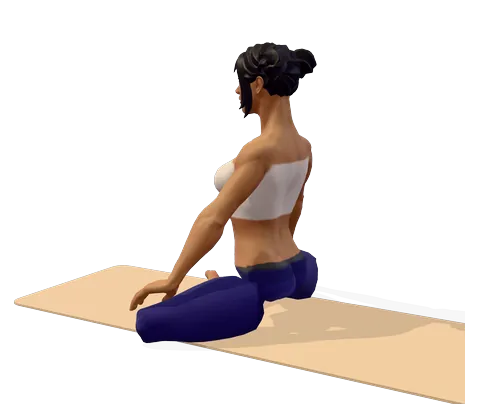 Easy PoseSukhasana
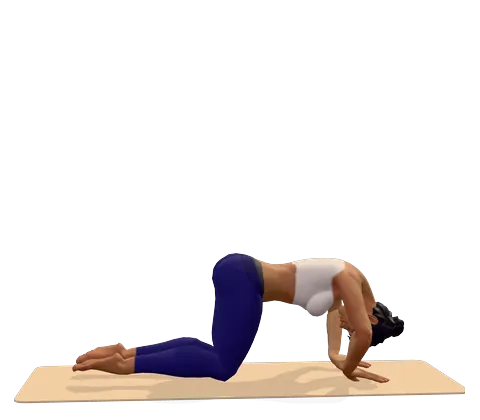 Cat PoseMarjaryasana
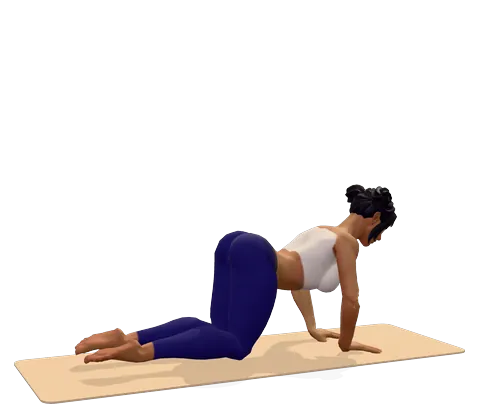 Cow PoseBitilasana
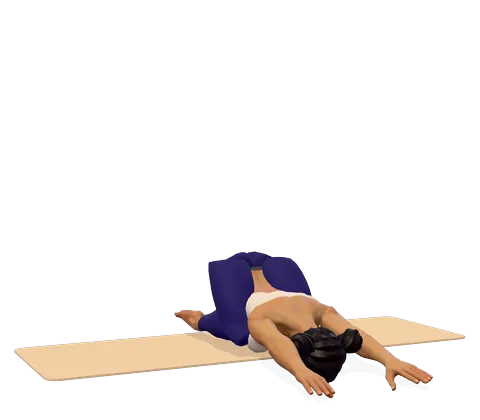 Child’s PoseBalasana
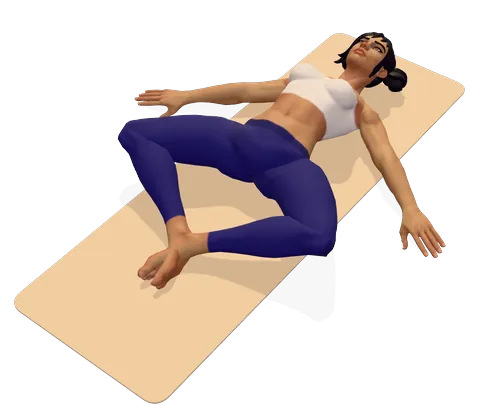 Reclining Bound Angle PoseSupta Baddha Konasana
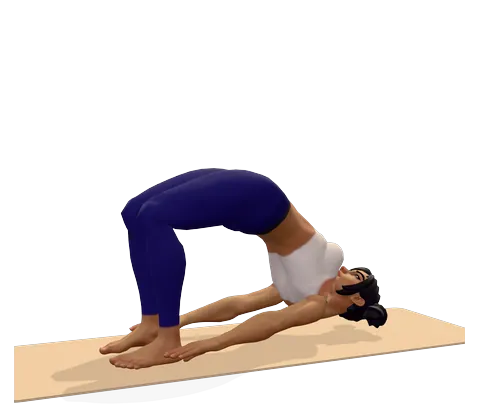 Bridge PoseSetu Bandhasana
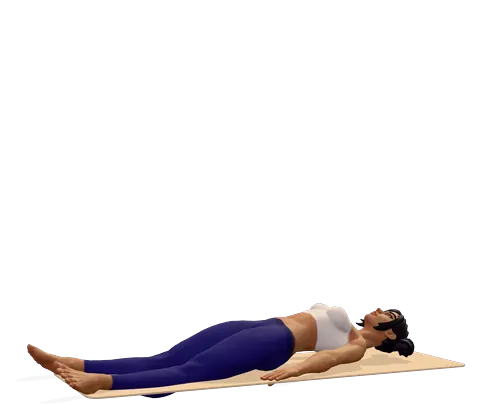 Corpse PoseSavasana
More poses that help with ulcerative colitis and ibd
Add these once the session above feels easy, or swap one in when a pose does not suit you.
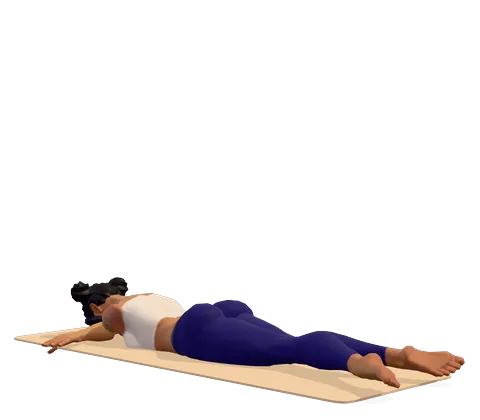 Crocodile PoseMakarasana
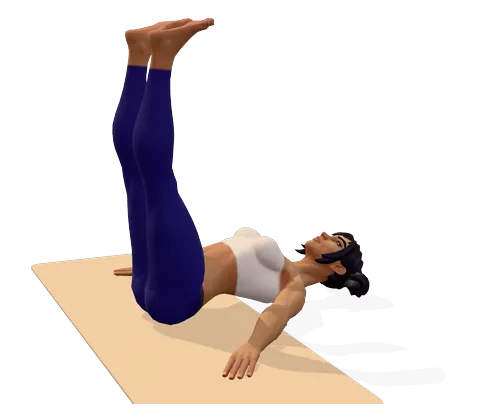 Legs-Up-the-Wall PoseViparita Karani
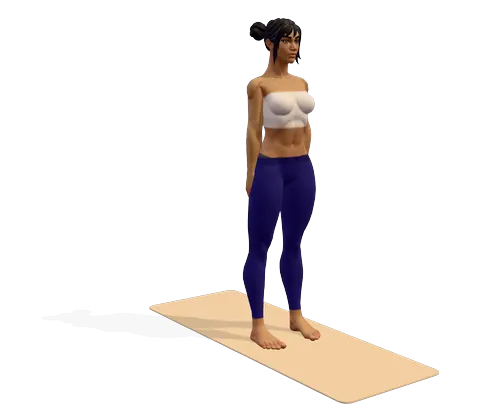 Mountain PoseTadasana
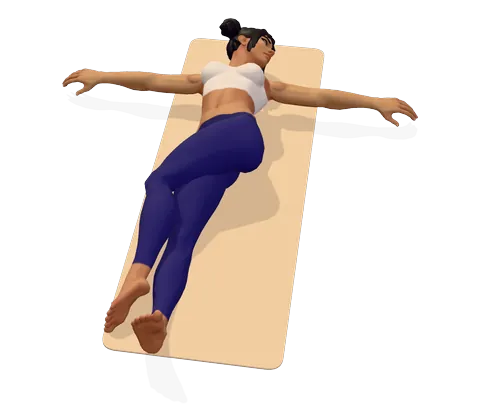 Supine Spinal TwistSupta Matsyendrasana
Breathing practice
Avoid
Strong twists, core work and Kapalbhati during a flare. Keep your medicines; yoga helps stress and quality of life.
Emerging evidence: Small or early trials look promising.
Yoga for ulcerative colitis is a gentle, supportive practice for people living with inflammatory bowel disease (IBD). It does not treat the inflammation in your colon, but a small clinical trial found it improved quality of life in people whose colitis was in remission, and many people with IBD find it helps them cope with stress, tiredness and belly discomfort. This page covers what the research shows, the poses in the session, how to adapt yoga for a flare, and how it fits with your medical care.
Ulcerative colitis, Crohn's and stress
Ulcerative colitis causes inflammation and ulcers in the lining of the large bowel. Crohn's disease can affect any part of the gut. Both are lifelong conditions that come and go in flare-ups, and both need medical treatment. The NHS is clear that you should keep taking your prescribed medicines even when you feel well.
Stress does not cause IBD, but many people notice that stress makes symptoms harder to live with, and the NHS lists ways to manage stress, such as breathing exercises, among its self-help tips. It also recommends regular exercise. That is the space yoga fills: a calm, low-impact way to move and to settle the nervous system. So, how to calm ulcerative colitis day to day? Medicines control the inflammation; habits like gentle yoga, sleep and regular meals help you manage the rest.
Is yoga good for ulcerative colitis? What the research says
The evidence level is emerging: a few small trials, mostly positive, but not enough to be sure. The best-known study is a randomised trial by Cramer and colleagues in Germany (2017). It included 77 adults with ulcerative colitis in remission but with reduced quality of life. One group did 12 weekly 90-minute yoga sessions; the other group received written self-care advice. The yoga group reported better disease-specific quality of life at 12 and 24 weeks, and lower disease activity at 24 weeks. Yoga appeared safe in this group.
What this means for you: yoga for ulcerative colitis looks like a reasonable add-on, especially in remission. It is not a way to cure ulcerative colitis, and nobody should stop medicine because of it. For Crohn's disease the research is even thinner, so treat yoga for Crohn's as general wellbeing support.
Yoga poses for ulcerative colitis and IBD
These yoga poses for ulcerative colitis match the session cards above. They are chosen because they are soft on the belly: no strong twists, no hard core work and no pressure on an inflamed abdomen. Hold each for 5–8 slow breaths.
1. Easy pose (Sukhasana)
Sit cross-legged on a cushion so your knees are lower than your hips. In Sukhasana you simply sit tall and notice your breath. This is where you start and where you do the breathing practice.
2. Cat–cow (Marjaryasana–Bitilasana)
On hands and knees, gently round and then lengthen the spine. Cat pose and cow pose ease a stiff back, which often tightens during long spells of belly pain or lying in bed. Keep the movement small if your belly is tender.
3. Child's pose (Balasana)
Fold forward over your knees. Take the knees wide so the belly hangs freely rather than being squeezed. Balasana is a good pose for abdominal pain that feels crampy, but come out if it presses on a sore spot.
4. Reclining bound angle (Supta Baddha Konasana)
Lie back on cushions with the soles of your feet together and knees supported. Supta Baddha Konasana opens the belly gently and is one of the most restful shapes in restorative yoga.
5. Bridge pose (Setu Bandhasana)
From lying on your back with knees bent, lift your hips a little. Setu Bandhasana strengthens the legs and buttocks, which matters because steroids and long flares can weaken muscles and bones. Keep it low during a flare.
6. Corpse pose (Savasana)
Finish lying flat, or with a pillow under the knees, in Savasana. Five minutes of rest here is the part many people with IBD value most.
Breathing for IBD: Nadi Shodhana and Bhramari
Nadi Shodhana (alternate nostril breathing) is slow and even, and a good choice when you feel anxious about symptoms or a hospital visit. Bhramari (humming bee breath) uses a long hum on the out-breath and many people find it calming before sleep. Practise either for 3–5 minutes.
Skip Kapalbhati and other forceful belly breathing, especially during a flare. They push the abdominal wall hard and are not needed for the calming effect you are after.
Yoga for an ulcerative colitis flare up
During a flare, your body needs rest and medical attention first. If you feel well enough to move, keep it very gentle:
- Do only Savasana, supported bound angle and slow breathing, lying down, for 5–10 minutes.
- Stay near a toilet and practise when urgency is lowest.
- Avoid twists, strong forward folds, core work, inversions and anything that presses on the belly.
- Drink fluids; flares with diarrhoea can dehydrate you quickly.
Yoga for ulcerative colitis bleeding: light bleeding may be part of a known flare, but new, heavy or worsening bleeding needs your IBD team the same day. Do not try to manage it with yoga.
A weekly routine in remission
| Day | Practice |
|---|---|
| Mon, Wed, Fri | Guided session on this page (about 15 minutes) |
| Tue, Thu | 20–30 minute walk + 5 minutes Nadi Shodhana |
| Sat | Longer holds + 10–20 minutes of guided Yoga Nidra |
| Sun | Rest or a gentle walk |
Does exercise help ulcerative colitis? Regular, moderate exercise is recommended for general health, bone strength and mood, and the best exercise for ulcerative colitis is the one you can do steadily without triggering symptoms. Walking, swimming and gentle yoga all fit. In the trial above, people practised weekly for 12 weeks, so give it at least two to three months.
How to manage ulcerative colitis beyond yoga
- Keep your treatment. Medicines, including combination therapy, are what control the inflammation and keep you in remission.
- Know your triggers. Keep a symptom and food diary and discuss diet with your doctor or a dietitian.
- Sleep and stress. Short daily breathing practice and a regular bedtime help many people cope.
- Tell your team about extras. If you try alternative therapies for ulcerative colitis, herbal products or Ayurvedic remedies, tell your doctor, as some interact with medicines.
Is yogurt good for ulcerative colitis, and is Greek yogurt good for ulcerative colitis? Some people tolerate it well and others do not; it is not a treatment. The same goes for any ulcerative colitis home remedy or natural remedy for ulcerative colitis: discuss it with your team, because the best treatments for ulcerative colitis are still medical, often combination therapy for ulcerative colitis. Gentle yoga for gut health and digestive health is a comfort measure alongside them, and it can support mild ulcerative colitis relief on calmer days. Many people also ask how to prevent ulcerative colitis. There is no known way to prevent it, but good care can keep it in remission for long periods.
A holistic approach to ulcerative colitis: where yoga fits
Many people look for a holistic treatment for ulcerative colitis or natural ways to treat ulcerative colitis. A sensible holistic approach to ulcerative colitis combines conventional therapy for ulcerative colitis (the medicines and check-ups your gastroenterologist advises) with habits that help you feel better. Yoga belongs in the second group.
Can yoga work as bowel inflammation treatment? Yoga is not a therapy for ulcerative colitis inflammation, and no study shows it can replace medicine. The trial above did find lower disease activity after 24 weeks, but that was one small study in people already in remission. Treat talk of yoga for ulcerative colitis naturally healing the bowel with caution; "natural" does not mean effective or safe.
How to deal with ulcerative colitis day to day is personal. These are the questions worth asking your team, as patient teaching for ulcerative colitis often covers them:
- What is the best pain relief for ulcerative colitis for me? Some common painkillers, such as ibuprofen, can trigger flares, so ask before taking them.
- Which exercise is safe with my current disease activity, bones and joints?
- What should I do at the first sign of a flare?
Ulcerative colitis in Ayurveda is usually approached through diet, herbs and routine. If you are drawn to Ayurvedic or naturopathic treatment for ulcerative colitis, do it alongside your medical care, never instead of it.
Yoga for abdominal pain and pain in IBD
Managing pain in IBD starts with finding the cause, because pain can mean active inflammation, a narrowing, an abscess or IBS-type symptoms on top of IBD. For mild, crampy discomfort in remission, try supported bound angle with a warm (not hot) wheat bag on your belly and slow breathing for 5 minutes. This gentle ulcerative colitis pain relief works by relaxing tense belly muscles. Pain relief for IBD that is severe or new always needs your team.
If you are a yoga for ulcerative colitis patient just coming out of a flare, the recovery time before you feel ready for a full session varies from days to weeks. Start with lying-down poses and build up; there is no fixed ulcerative colitis recovery time.
Safety notes
Contact your doctor or IBD team urgently if you have severe belly pain, a swollen tender abdomen, fever, heavy bleeding, six or more bloody stools a day, signs of dehydration, or you feel very unwell. If you have a stoma, recent bowel surgery, osteoporosis from steroids or joint pain linked to IBD, ask your team which poses are safe for you.
Yoga for ulcerative colitis side effects are uncommon when you stay gentle. If a pose increases pain or urgency, stop and rest. If you also have IBS-like symptoms in remission, our yoga for IBS page may help, and yoga for stress covers more calming practices.
Try the guided session
Start the guided 3D session at the top of this page on a calm day. The figure shows each pose, the voice guides your breathing in your language, and you can choose shorter holds when you are tired. More routines are on our guided sessions page.
Research behind this plan
- Cramer H et al. 2017, Alimentary Pharmacology & Therapeutics — RCT in 77 people with ulcerative colitis in remission: 12 weekly yoga sessions improved disease-specific quality of life vs written self-care advice
- NHS — Ulcerative colitis: lifelong condition, keep taking prescribed medicines, exercise regularly, manage stress with breathing exercises
Frequently asked questions
Can yoga cure ulcerative colitis?
No. Ulcerative colitis is a lifelong condition that needs medical treatment. Yoga may improve quality of life and help you cope with stress, as a small trial in people in remission suggests.
Is yoga safe during a colitis flare?
Only very gentle practice: lying-down rest, supported poses and slow breathing, if you feel up to it. Avoid twists, core work, inversions and forceful breathing, and contact your team if the flare is severe.
Which yoga poses are best for IBD?
Soft, belly-friendly poses such as easy sitting, cat–cow, child's pose with knees wide, supported bound angle, a low bridge and Savasana, plus calm breathing.
Does exercise help ulcerative colitis?
Regular, moderate exercise is recommended for general health, bones and mood. Choose activities you can do steadily without triggering symptoms, such as walking and gentle yoga.
Can yoga help Crohn's disease?
It may help with stress, sleep and wellbeing, but there is less research than for ulcerative colitis. Always keep your Crohn's treatment and ask your team before starting.
Is Kapalbhati good for ulcerative colitis?
We do not recommend it. Forceful belly breathing is not suitable during a flare and is not needed for stress relief. Choose Nadi Shodhana or Bhramari instead.
How long before yoga helps with IBD?
In the main trial, people practised weekly for 12 weeks. Expect small, gradual changes in how you feel over two to three months, not quick fixes.
Medical note: yoga supports treatment; it does not replace it. Keep taking prescribed medicine and talk to your doctor before you start, especially with heart disease, uncontrolled blood pressure, recent surgery, pregnancy, epilepsy or severe pain. Read our medical disclaimer.