Your jet lag and travel fatigue yoga plan
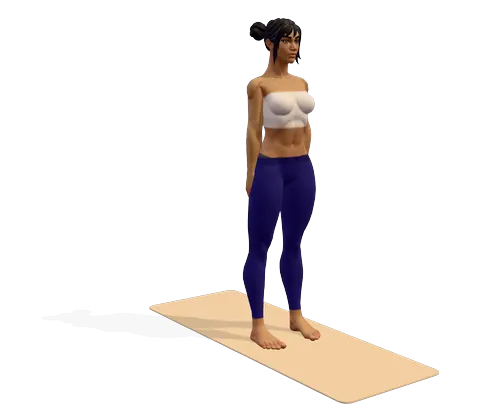 Mountain PoseTadasana
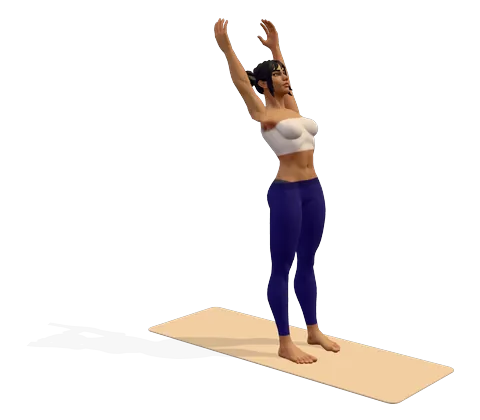 Raised Arms PoseHasta Uttanasana
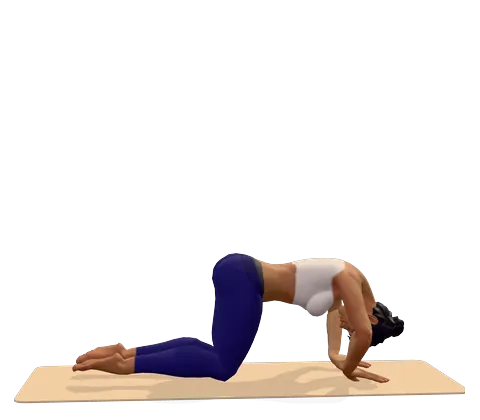 Cat PoseMarjaryasana
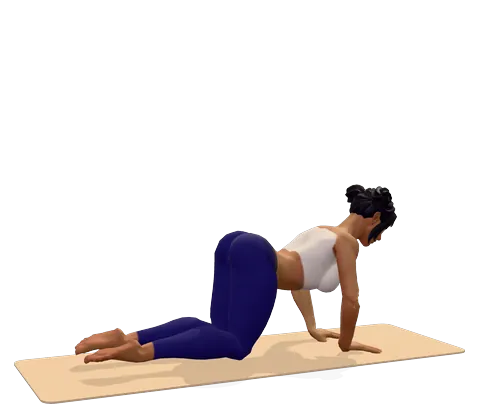 Cow PoseBitilasana
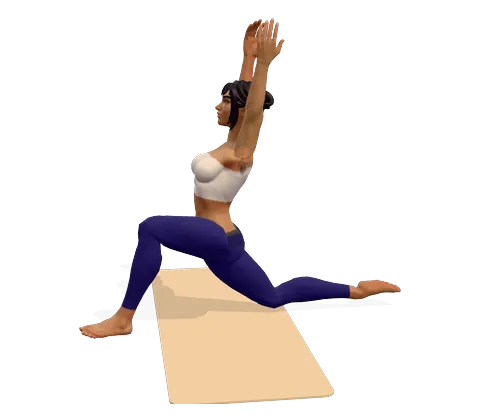 Low Lunge PoseAnjaneyasana
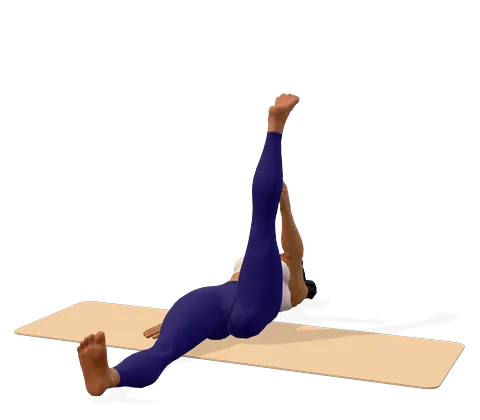 Reclining Hand-to-Big-Toe PoseSupta Padangusthasana
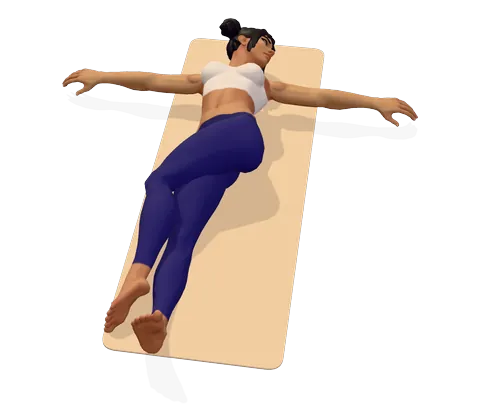 Supine Spinal TwistSupta Matsyendrasana
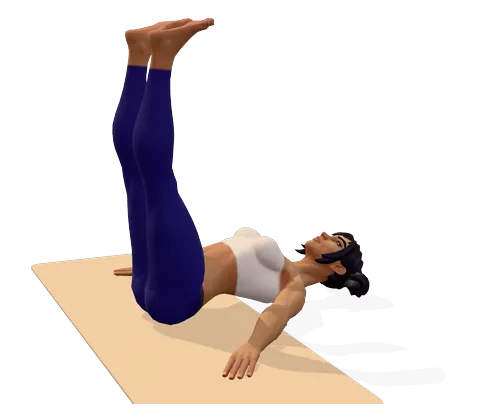 Legs-Up-the-Wall PoseViparita Karani
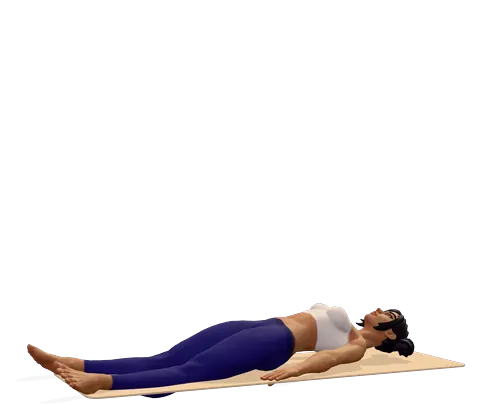 Corpse PoseSavasana
More poses that help with jet lag and travel fatigue
Add these once the session above feels easy, or swap one in when a pose does not suit you.
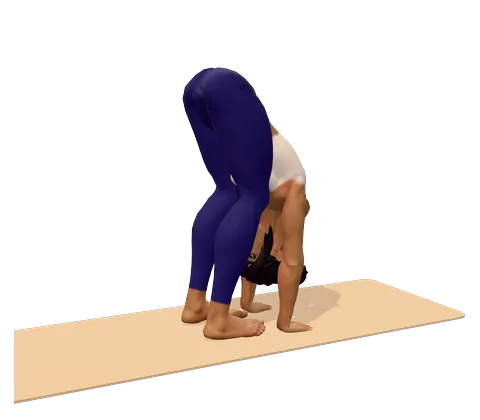 Standing Forward BendUttanasana
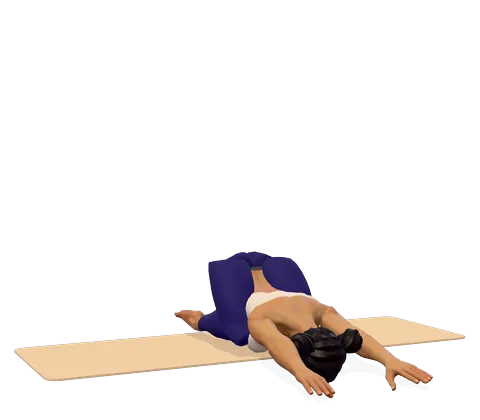 Child’s PoseBalasana
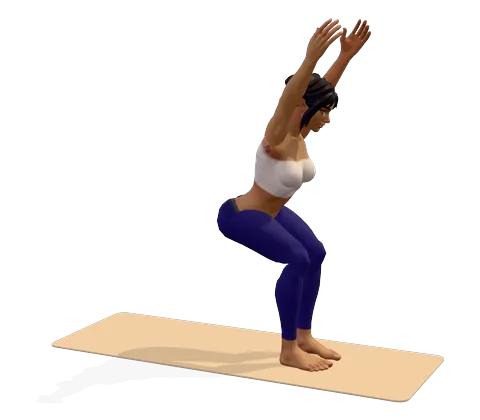 Chair PoseUtkatasana
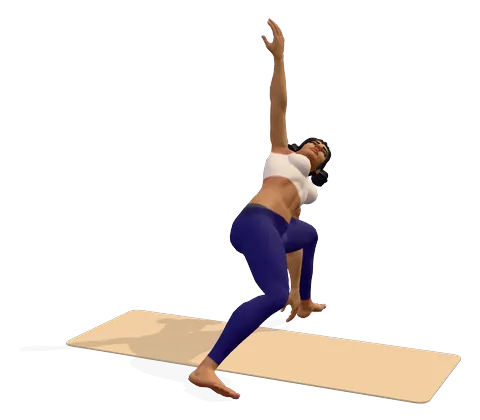 Triangle PoseTrikonasana
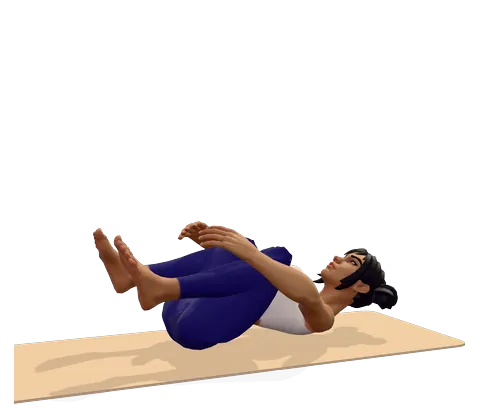 Wind-Relieving PosePavanamuktasana
Avoid
Long naps and energising breathing near your new bedtime. After a long flight, get help at once for one swollen, painful calf or sudden breathlessness (possible clot).
Traditional practice: Used in classical yoga therapy; few clinical trials so far.
Guided meditation for jet lag and travel fatigue
Sleep Meditation (20 min, voice in 28 languages)
Yoga for jet lag helps in two ways: it loosens the stiff hips, back and legs that come from hours in a plane seat, and, practiced at the right time of day, it adds one more "time cue" that helps your body clock catch up with the new time zone. It will not make jet lag vanish, but together with daylight, sensible naps and a steady bedtime, it can make the first days easier. This page explains what jet lag is, how to use timing, how each pose in the session helps, and what to do before, during and after your flight.
What is jet lag and how does it work?
Jet lag happens when you cross several time zones quickly and your internal body clock is still running on home time. Your brain releases sleep hormones at the "wrong" time, so you feel wide awake at 3 am and exhausted at lunchtime. Common symptoms are poor sleep, daytime tiredness, poor focus, low mood, headaches and an upset stomach.
Two related problems often get mixed up:
- Travel fatigue comes from the journey itself: dry cabin air, sitting still, poor sleep on the plane, stress and dehydration. It happens even without crossing time zones and usually clears after a good night's sleep.
- Jet lag is the body clock mismatch. It lasts longer, often roughly a day for each time zone crossed, and is usually worse when you fly east, because your body has to go to bed earlier than it wants to.
Some women also notice changes to their menstrual cycle with frequent long-haul travel, one of the less known symptoms of jet lag for women. Jet lag lasting two weeks or more is unusual; if it does, see a doctor to check for another sleep problem.
Does exercise help jet lag? The role of timing
Light is the strongest signal for the body clock, but exercise is a signal too. In a 2019 laboratory study, 99 adults did one hour of moderate exercise at different times of day. Exercise at 7 am or in the early afternoon (1–4 pm) shifted their body clocks earlier, while exercise from 7 pm to 10 pm shifted them later. The authors noted that earlier shifts suit eastward travel and later shifts suit westward travel.
This study used treadmill walking, not yoga, and yoga for jet lag has not been tested directly; it is a traditional, practical approach. But the timing principle is useful:
| Direction | What your clock needs | Move | Get daylight |
|---|---|---|---|
| Flying east (e.g. USA to Europe, Europe to India) | To shift earlier | Morning or early afternoon, local time | Morning |
| Flying west (e.g. Europe to USA, India to UK) | To shift later | Early evening, local time | Afternoon and early evening |
For trips of only two or three days, many travelers simply stay on home time. A 2021 expert consensus on travel fatigue and jet lag in athletes agreed that evidence is limited but supported planning light, sleep, meals and activity around the flight.
Best yoga poses for jet lag, pose by pose
The guided session above uses nine poses for jet lag recovery. After a long flight, move slowly; your hamstrings and hips will be stiffer than usual. Iyengar yoga sequences for jet lag often rely on supported poses such as legs up the wall, and this session follows the same gentle idea.
Mountain pose and raised arms pose
Mountain pose reminds your body how to stand tall after hours of sitting. Rock gently from heels to toes to wake up the calves. Raised arms pose lengthens the whole front of the body and opens the chest after a slumped seat.
Cat and cow (Marjaryasana and Bitilasana)
Cat and cow move each part of the spine. They are the quickest way to ease a stiff back after a flight.
Low lunge (Anjaneyasana)
Low lunge stretches the hip flexors, which shorten when you sit for many hours. Pad the back knee with a folded towel and keep the front knee over the ankle.
Reclining hand-to-big-toe pose (Supta Padangusthasana)
Reclining hand-to-big-toe pose stretches the hamstrings while your back rests on the floor. Use a belt or scarf around the foot; a travel strap works well in a hotel room.
Supine twist, legs up the wall and corpse pose
The supine spinal twist releases the lower back and, with knees-to-chest, is also gentle yoga for trapped wind and gas, which cabin pressure and airline meals often cause. Legs up the wall is a favorite after long flights because it feels restful for tired, heavy legs; skip it if you have glaucoma, and see the warning below if one leg is swollen. Corpse pose ends the session. Keep it to ten minutes or less if it is daytime, so it does not turn into a long nap.
How to combat jet lag naturally: before, during and after
Before you fly: preparing for jet lag
- For a long trip east, go to bed and get up an hour earlier for a few days before you leave; for a trip west, an hour later.
- Arrive at the airport rested. A late night of packing makes everything worse.
On the plane: yoga in the air
- Set your watch to destination time and sleep, eat and stay awake to match it where you can.
- Every hour or two, walk the aisle. In your seat, circle your ankles, press your feet up and down, roll your shoulders and do a gentle seated twist. This simple airplane yoga suits kids too.
- Drink water regularly and go easy on alcohol, which worsens sleep and dehydration.
After you land: jet lag tips and tricks
- Get daylight at the times in the table above, and stay in dim light when you want to shift the other way.
- Do the guided session at the helpful time of day; do your most active practice then, and keep evenings calm when flying east.
- Limit naps to 20–30 minutes before mid-afternoon. Long daytime naps are a common reason jet lag drags on.
- Eat meals at local times, and keep caffeine to the morning.
How to get over jet lag quickly? There is no instant fix, and no way to stop jet lag or eliminate it completely on a long trip. But combining these steps is the best way to combat jet lag and reduce its effects on your body: it is how to manage jet lag healthily, with no pills needed. Travel fatigue usually goes within a day; adjusting to jet lag takes a few days more. How to avoid jet lag when traveling east? You cannot fully avoid it, but shifting your bedtime earlier before you leave and getting morning daylight on arrival are the most useful tips to beat it.
Sleeping steps to cope with jet lag
If you wake at 3 am, do not reach for your phone. Lie still and try Chandra Bhedana (left-nostril breathing, traditionally used for calming) or slow Nadi Shodhana without breath holds. A guided Yoga Nidra in bed is another option: yoga nidra for jet lag is best at your new bedtime, not as a long daytime rest. Avoid energizing breathing such as Kapalbhati in the evening. For more help with sleep, see yoga for sleep.
Is magnesium good for jet lag? Pills and remedies
What is the best jet lag remedy? Light, timing and sleep habits are the best natural remedy for jet lag. Among the best jet lag medicine options, melatonin, a hormone that signals night to the body, has the best evidence among jet lag remedies for some travelers, especially flying east. Rules differ by country (in some it needs a prescription), and it can interact with other medicines, so ask a doctor or pharmacist before you use it. There is no good evidence that magnesium, herbal "no jet lag" pills or homeopathic jet lag relief pills work. Sleeping tablets can help sleep but not the body clock, and they are risky on a plane because they keep you still for hours.
How to practice yoga while traveling
You do not need special gear. A towel on a hotel carpet works; a foldable yoga mat for travel is nice but optional. The session plays in any browser on your phone, and the voice guide works in 28 languages. Yoga for travelers is about little and often: five minutes of cat–cow and a lunge in the morning, legs up the wall in the evening. Yoga for jet lag for seniors works the same way, with a chair for balance and a bed instead of the floor if needed. If you get travel sickness too, see yoga for motion sickness.
Seek help at once for one swollen, painful, warm or red calf, or for sudden breathlessness or chest pain during or after a long flight. These can be signs of a blood clot (deep vein thrombosis or pulmonary embolism). Do not stretch or massage a leg you suspect has a clot.
Just landed? Start the guided 3D session at the right time of day for your direction of travel. The figure shows every pose, and the ring on the mat keeps your breath slow.
Research behind this plan
- Youngstedt 2019, Journal of Physiology — in 99 adults, moderate exercise at 7 am or 1–4 pm shifted the body clock earlier, and at 7–10 pm later
- Janse van Rensburg 2021, Sports Medicine — expert review and consensus on managing travel fatigue and jet lag; evidence limited, practical pre-flight, in-flight and post-flight strategies
- NCCIH (US National Institutes of Health) — Yoga: what you need to know, including safety
Frequently asked questions
Does yoga help jet lag?
Yoga eases the stiffness and stress of travel, and moving at the right time of day may help your body clock adjust. It works best with daylight at the right times, short naps and local meal times. It will not remove jet lag on its own.
What are the best yoga poses after a long flight?
Cat–cow for the spine, low lunge for tight hip flexors, reclining hand-to-big-toe with a strap for the hamstrings, a supine twist for the lower back, and legs up the wall for tired legs.
When should I do yoga to beat jet lag?
After flying east, move in the morning or early afternoon and keep evenings calm. After flying west, move in the early evening. Save slow breathing and Yoga Nidra for your new bedtime.
How long does jet lag last?
Often about a day for each time zone crossed, and usually longer after flying east. Travel fatigue from the journey itself usually clears within a day. See a doctor if sleep problems last more than a couple of weeks.
How can I avoid jet lag?
You cannot fully avoid it on long trips east or west, but you can reduce it: shift your bedtime a little before leaving, set your watch to destination time on the plane, drink water, limit alcohol, and use daylight and naps wisely after landing.
Is magnesium or melatonin good for jet lag?
Melatonin has some evidence for reducing jet lag, especially flying east; ask a doctor or pharmacist before using it. There is no good evidence that magnesium or herbal jet lag pills help.
Is legs up the wall safe after a flight?
For most people, yes. But if one calf is swollen, painful or warm, do not do it or stretch that leg; get medical help at once, as it could be a blood clot.
Medical note: yoga supports treatment; it does not replace it. Keep taking prescribed medicine and talk to your doctor before you start, especially with heart disease, uncontrolled blood pressure, recent surgery, pregnancy, epilepsy or severe pain. Read our medical disclaimer.