Your glaucoma (safe yoga) yoga plan
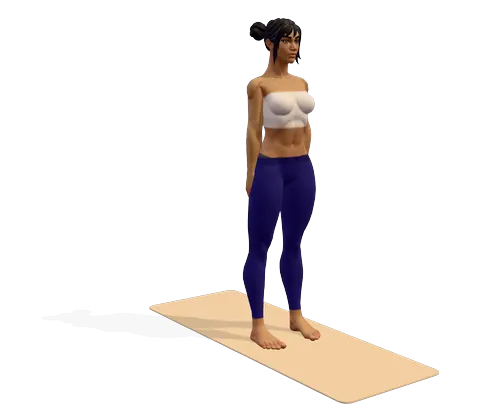 Mountain PoseTadasana
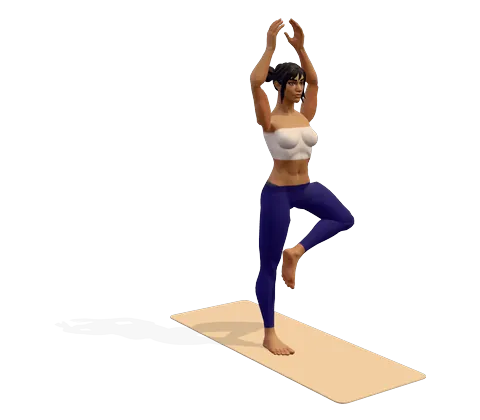 Tree PoseVrikshasana
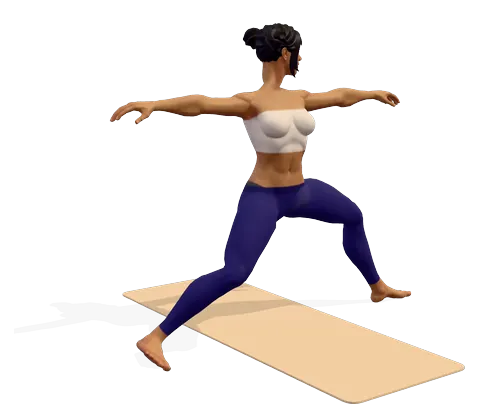 Warrior II PoseVirabhadrasana II
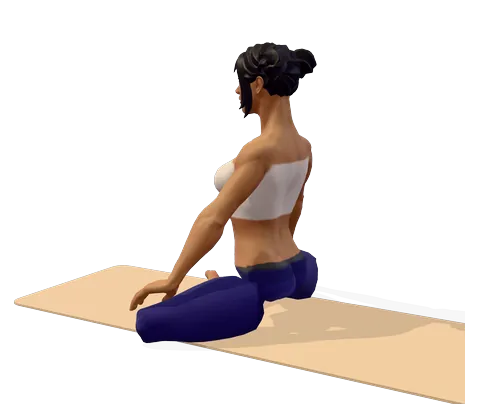 Easy PoseSukhasana
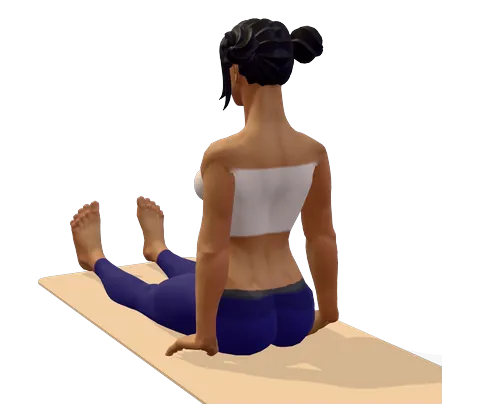 Staff PoseDandasana
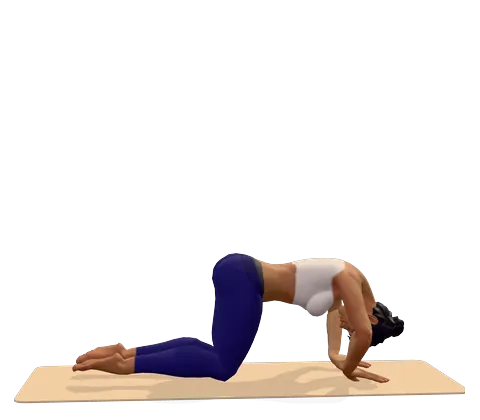 Cat PoseMarjaryasana
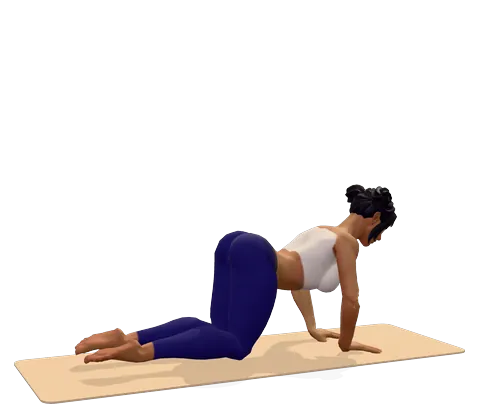 Cow PoseBitilasana
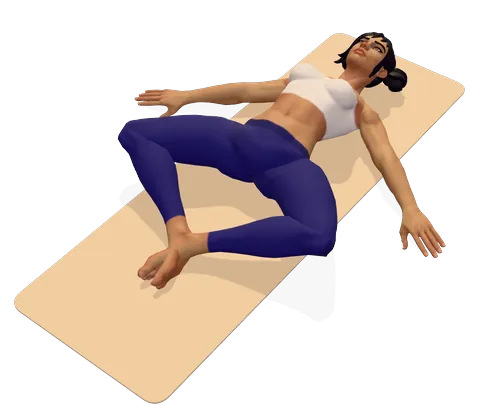 Reclining Bound Angle PoseSupta Baddha Konasana
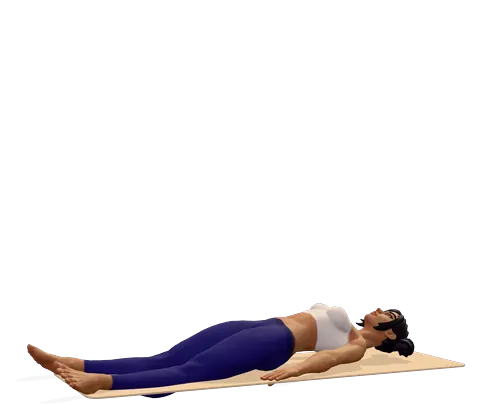 Corpse PoseSavasana
More poses that help with glaucoma (safe yoga)
Add these once the session above feels easy, or swap one in when a pose does not suit you.
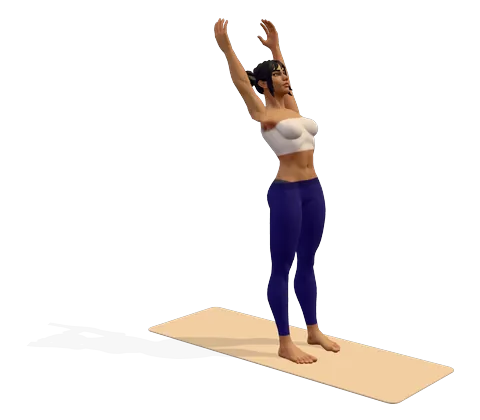 Raised Arms PoseHasta Uttanasana
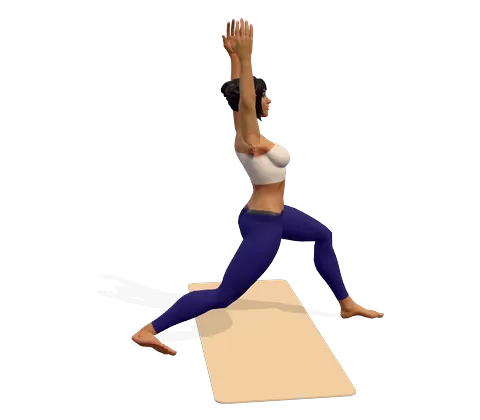 Warrior I PoseVirabhadrasana I
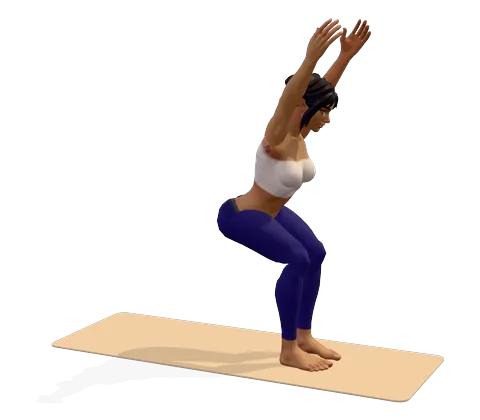 Chair PoseUtkatasana
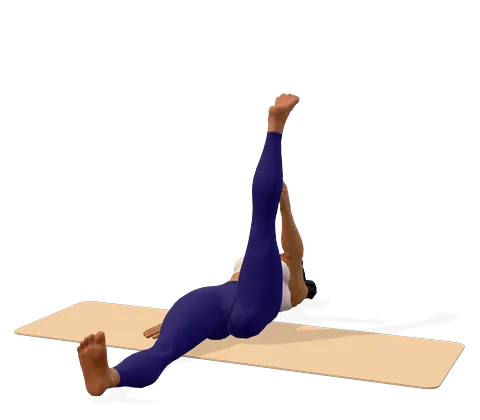 Reclining Hand-to-Big-Toe PoseSupta Padangusthasana
Mudras for glaucoma (safe yoga)
Hold a mudra while you sit for the breathing practice or a few minutes of quiet. Mudras are a traditional practice; research on them is limited.
Breathing practice
Avoid
All inversions and head-down poses — Headstand, Shoulder Stand, Plow, Downward Dog, Standing Forward Bend, Legs-up-the-Wall, Child’s Pose — because they raise eye pressure (in studies Headstand roughly doubled it). Also skip Kapalbhati, Bhastrika, breath holds and straining. Keep using your eye drops; yoga does not replace them.
Emerging evidence: Small or early trials look promising.
Yoga for glaucoma is safe and calming when it follows one rule: keep your head above your heart. Glaucoma damages the optic nerve, usually because pressure inside the eye (intraocular pressure) is too high for that nerve. Studies show that headstand and other head-down poses push eye pressure up within seconds, while slow breathing and meditation may help you manage stress. Yoga does not cure glaucoma and never replaces your eye drops, laser or surgery.
Can I do yoga with glaucoma?
Yes, most people with glaucoma can do yoga, as long as they change a few things. Is yoga bad for glaucoma? Only certain parts of it. The problem is not yoga itself but positions that put the head lower than the heart, breath holding and straining. These raise the pressure inside the eye, and people with glaucoma already have an optic nerve that is sensitive to pressure.
Ask your eye specialist before you start, especially if you have advanced glaucoma, narrow angles, or have had eye surgery recently. Then choose a head-up practice like the guided session on this page.
What the research says about yoga and eye pressure
The evidence level for this page is emerging. Here is what the studies show:
- Headstand: in 75 experienced yoga practitioners, eye pressure doubled during Sirsasana (headstand) and stayed high for as long as they held the pose.
- Other head-down poses: in a study of 10 people with glaucoma and 10 without, Downward Dog, Standing Forward Bend, Plough and Legs-up-the-Wall all raised eye pressure quickly. It returned to normal within about two minutes after the pose, but repeated rises may matter for a damaged nerve.
- Meditation: in a randomised trial of 90 people with open-angle glaucoma, 21 days of daily mindfulness meditation lowered eye pressure and stress hormones compared with a waiting group. It was added to their usual treatment, not used instead of it.
- Reviews: a 2026 systematic review of lifestyle and glaucoma concluded that lowering eye pressure with medical treatment remains the cornerstone, while exercise, sleep position and some yoga practices look promising as add-ons.
So is yoga good for glaucoma patients? Calm, upright yoga plus slow breathing may support your treatment and help with the anxiety many people feel after the diagnosis. Inversions do the opposite and should be dropped.
Yoga contraindications for glaucoma: poses to avoid
These are the glaucoma exercises to avoid. The rule is simple: if your head goes below your heart, or you hold your breath and push, skip it.
| Avoid | Why | Safer swap |
|---|---|---|
| Headstand, shoulder stand, Plough | Full inversions; headstand doubled eye pressure in studies | Mountain pose with arms raised |
| Downward Dog, Standing Forward Bend, Wide-Leg Forward Fold | Head hangs low | Half forward bend with hands on a wall or chair, back flat |
| Legs-up-the-Wall, Child's pose, Hare pose | Head at or below heart level for a long hold | Reclining Bound Angle with a pillow under your head |
| Kapalbhati, Bhastrika, breath holds | Forceful breathing and breath holding raise pressure in the head | Anulom Vilom or Bhramari without holds |
| Straining (heavy lifting, long plank holds) | Holding the breath while pushing raises eye pressure | Shorter holds, breathing out on effort |
Also avoid pressing on your eyes, for example with the fingers in some Bhramari or "closing the senses" variations. Rest your fingers on your ears or forehead instead. Our Kapalbhati guide explains why that technique is not suitable with glaucoma.
Best yoga for glaucoma: safe, head-up yoga asanas
The poses in your guided session were chosen because your head stays at or above heart level throughout.
Standing poses: Mountain, Tree and Warrior II
Tadasana builds posture and steady breathing. Tree pose trains balance, which matters because glaucoma can narrow your side vision and make trips more likely; stand near a wall. Warrior II strengthens the legs with the head upright. Breathe freely and do not grip.
Seated poses: Easy pose and Staff pose
Sukhasana and Dandasana are your seats for breathing and meditation. Sit on a folded blanket so your back stays tall without effort.
Cat and cow
On hands and knees, keep your head in line with your spine, not hanging down. Move slowly with the breath. If this feels like too much head-down time, do seated cat-cow on a chair instead.
Reclining Bound Angle and Corpse pose
Lie back with a pillow under your head so it stays a little higher than your chest. Rest for five minutes in each, breathing slowly. This is where the stress-lowering part of yoga therapy for glaucoma happens.
More poses: Raised Arms pose, Warrior I, Chair pose and Reclining Hand-to-Big-Toe pose (with a strap and your head on a pillow) are also head-up options.
Breathing, meditation and mudra
Anulom Vilom is slow, even alternate-nostril breathing. Do it without breath holds for five to ten minutes. Bhramari, the humming breath, is soothing; hum gently and do not press on the eyes. Then sit quietly for ten minutes of meditation, as in the glaucoma study above. You can rest your hands in Gyan mudra while you sit; there is no yoga mudra for glaucoma that lowers eye pressure, but a mudra can help you settle into meditation.
Eye yoga for glaucoma: do eye exercises help?
Gentle eye exercises for glaucoma, such as palming, slow eye movements and blinking, are generally safe and relaxing. Researchers have proposed that Trataka-style eye exercises might lower eye pressure, but this has not yet been shown in proper trials, so no glaucoma eye exercises can be counted on to reduce pressure. There are no eye exercises that repair a damaged optic nerve or improve eyesight already lost to glaucoma. The benefits of eye yoga for eye health are comfort and relaxation, not treatment. See yoga for eye strain for the full routine.
Exercise and glaucoma: what else is safe?
- Walking, cycling, swimming: regular moderate aerobic exercise is among the best exercise for glaucoma patients and may lower eye pressure a little. Use goggles that do not press tightly around the eyes.
- Is Pilates safe for glaucoma? Mostly, if you skip rolling-over and head-down moves and breathe out on effort.
- Iyengar yoga for glaucoma: Iyengar classes use props well, but many sequences include supported inversions. Tell the teacher and skip them.
- Weights: lighter loads with steady breathing are better than heavy lifts with breath holding.
Glaucoma exercise precautions in short: head up, breathe out on effort, no straining.
How to manage glaucoma and slow progression
There is no way to cure glaucoma or get rid of damage already done, but you can keep glaucoma from getting worse. The best treatments for glaucoma lower eye pressure: eye drops, laser treatment and, when needed, surgical options such as a drainage operation. This is true even for normal-tension glaucoma, where damage happens at "normal" pressure; the treatment for normal tension glaucoma still aims to lower pressure further.
- Use your drops exactly as prescribed, every day, even when your eyes feel fine. Glaucoma usually has no symptoms.
- Keep every check-up; field and pressure tests show whether treatment is working.
- Tell every doctor and pharmacist you have glaucoma. Drugs contraindicated in glaucoma, especially narrow-angle glaucoma, include certain cold, allergy and bladder medicines and steroids. Ask before taking anything new.
- Look after your blood pressure. Our yoga for high blood pressure plan fits well with this page.
- Ask family members to have eye tests, because glaucoma runs in families.
How to prevent glaucoma or reduce your risk: you cannot fully prevent it, but regular eye tests catch it early, and exercise, not smoking and good blood pressure control are sensible steps.
Natural remedies for glaucoma: no home remedy for glaucoma, holistic or alternative treatment, including Ayurvedic treatment for glaucoma, has been shown to control eye pressure on its own. Slow breathing and meditation are the most promising natural ways to support lower eye pressure in glaucoma, and only alongside medical care. They may be added only if your specialist agrees and you keep using your drops.
काला मोतिया के लिए योग (yoga for glaucoma in Hindi): काला मोतिया को अंग्रेज़ी में glaucoma कहते हैं (kala motia in English = glaucoma)। इसमें सिर नीचे वाले आसन न करें — शीर्षासन, सर्वांगासन, हलासन, अधोमुख श्वानासन, उत्तानासन और बालासन आँख का दबाव बढ़ाते हैं। ताड़ासन, वृक्षासन, वीरभद्रासन और सुखासन सुरक्षित हैं। कपालभाति, भस्त्रिका और साँस रोकना न करें; धीमा अनुलोम-विलोम और भ्रामरी करें। आँख की दवा (ड्रॉप्स) रोज़ डालते रहें — योग दवा की जगह नहीं ले सकता।
When to get urgent help
Go to an emergency department straight away if you have sudden severe eye pain, a red eye, blurred vision, rainbow-coloured rings around lights, headache and nausea or vomiting. This can be acute angle-closure glaucoma, which needs treatment within hours to save sight. Also see your eye doctor soon if you notice new blind spots or bumping into things on one side.
Start the guided session
The guided 3D session on this page keeps your head up from start to finish. Practise three to five times a week, ideally at the same time of day, and combine it with a walk on other days. For more routines, see our guided sessions, but skip any pose from the "avoid" list above.
Research behind this plan
- Baskaran 2006, Ophthalmology — in 75 yoga practitioners, eye pressure doubled during headstand (Sirsasana)
- Jasien 2015, PLOS ONE — Downward Dog, Standing Forward Bend, Plough and Legs-up-the-Wall raised eye pressure in people with and without glaucoma
- Dada 2018, J Glaucoma — randomised trial (90 patients): 21 days of mindfulness meditation lowered eye pressure and stress markers alongside usual treatment
- Aggarwal 2026, World J Methodol — systematic review: lowering eye pressure remains the cornerstone; exercise and some yoga practices may help as add-ons
- NHS — Glaucoma: symptoms, treatment and when sudden symptoms are an emergency
Frequently asked questions
Is yoga good for glaucoma patients?
Upright, gentle yoga and slow breathing are generally safe and may help with stress. Head-down poses, forceful breathing and breath holds are not, because they raise eye pressure.
Which yoga poses should I avoid with glaucoma?
Headstand, shoulder stand, Plough, Downward Dog, Standing Forward Bend, Legs-up-the-Wall and long Child’s pose holds. Skip Kapalbhati, Bhastrika and breath holds too.
Can yoga lower eye pressure?
One trial found that daily meditation for three weeks lowered eye pressure in people with open-angle glaucoma, on top of their usual treatment. Yoga cannot lower pressure enough to replace eye drops.
How do doctors treat glaucoma?
With eye drops that lower eye pressure, laser treatment, or surgery to help fluid drain from the eye. The aim is to protect the optic nerve and keep the vision you have.
Can I stop my eye drops if I do yoga?
No. Keep using your drops exactly as prescribed. Glaucoma damage is permanent, and only lowering eye pressure with treatment has been proven to slow it.
What does kala motia mean in English?
Kala motia is the Hindi name for glaucoma. Safed motia is cataract, a different condition.
Are eye exercises good for glaucoma?
Palming, blinking and slow eye movements are safe and relaxing. They do not repair the optic nerve or bring back lost vision.
Does yoga for glaucoma have side effects?
Upright yoga is low risk. The main risk is doing inversions or straining, which raise eye pressure. Stop if you feel eye pain, pressure or blurred vision.
Is Child’s pose safe with glaucoma?
It puts your head at or below heart level, so it is best avoided or kept very short with the forehead on a high stack of cushions. Ask your specialist.
Medical note: yoga supports treatment; it does not replace it. Keep taking prescribed medicine and talk to your doctor before you start, especially with heart disease, uncontrolled blood pressure, recent surgery, pregnancy, epilepsy or severe pain. Read our medical disclaimer.