Your pregnancy (prenatal yoga) yoga plan
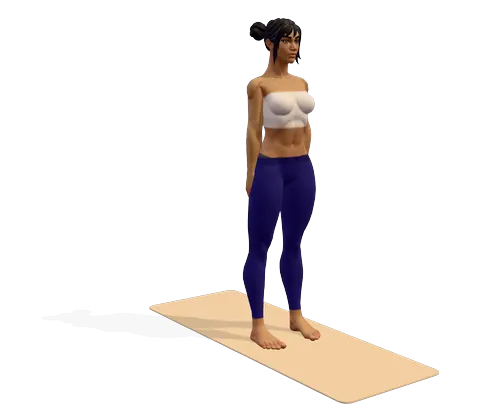 Mountain PoseTadasana
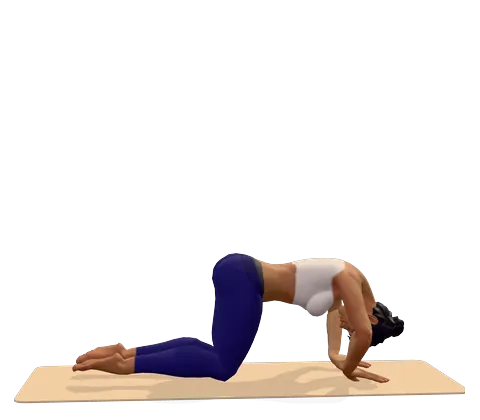 Cat PoseMarjaryasana
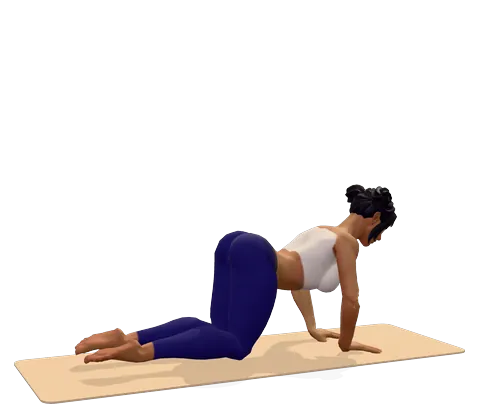 Cow PoseBitilasana
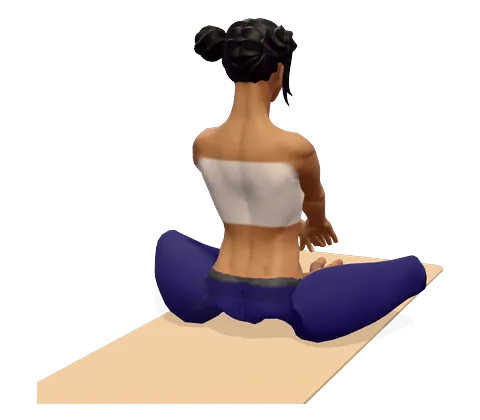 Bound Angle PoseBaddha Konasana
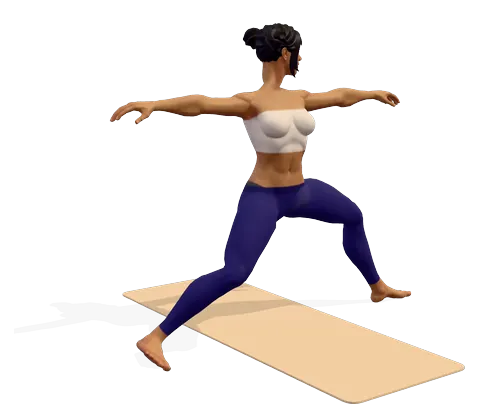 Warrior II PoseVirabhadrasana II
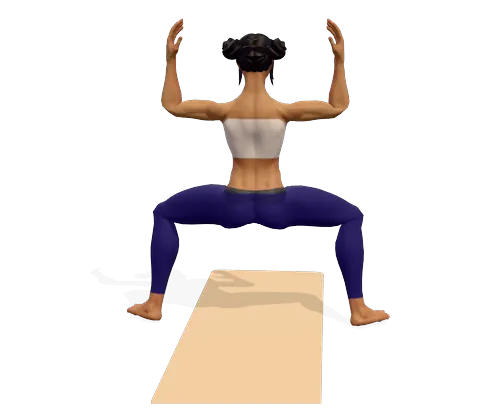 Goddess PoseUtkata Konasana
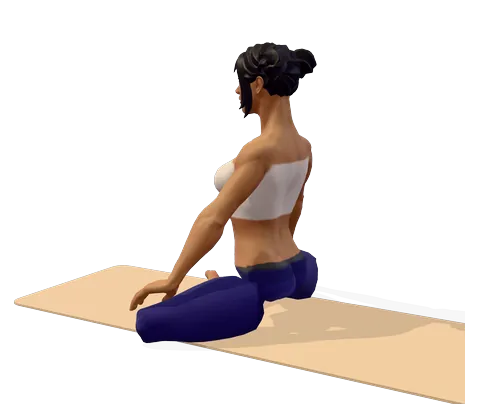 Easy PoseSukhasana
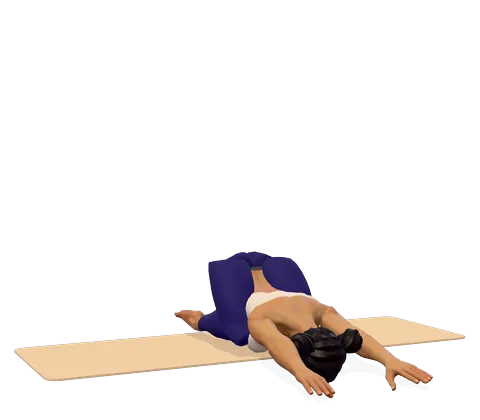 Child’s PoseBalasana
More poses that help with pregnancy (prenatal yoga)
Add these once the session above feels easy, or swap one in when a pose does not suit you.
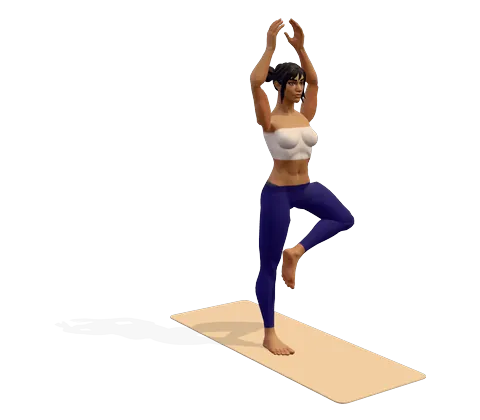 Tree PoseVrikshasana
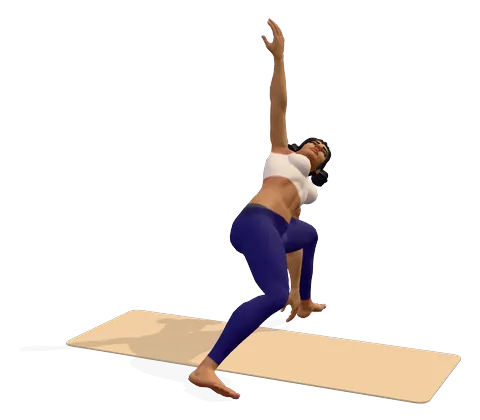 Triangle PoseTrikonasana
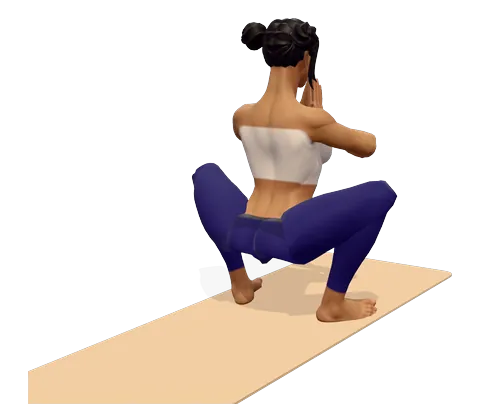 Garland PoseMalasana
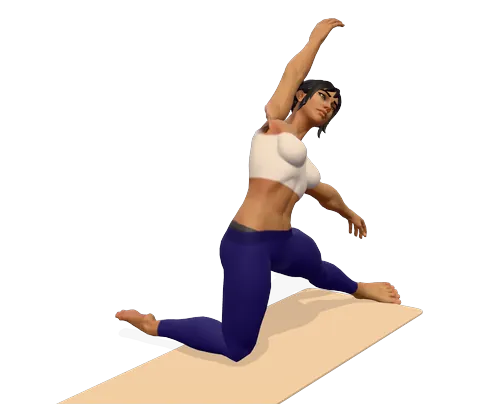 Gate PoseParighasana
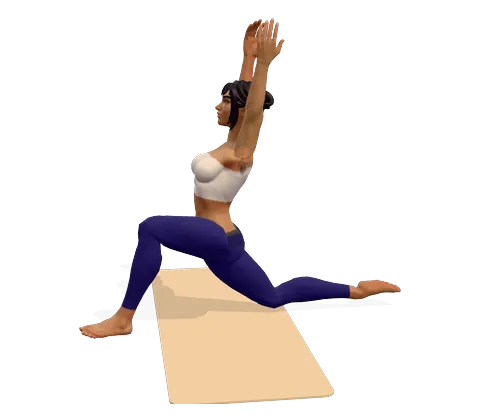 Low Lunge PoseAnjaneyasana
Mudras for pregnancy (prenatal yoga)
Hold a mudra while you sit for the breathing practice or a few minutes of quiet. Mudras are a traditional practice; research on them is limited.
Breathing practice
Avoid
Lying on your belly, deep closed twists, lying flat on your back after the first trimester, inversions, breath holds, Kapalbhati and Bhastrika. Get your doctor’s approval and stop at any bleeding, pain or dizziness.
Moderate evidence: Randomised trials show a benefit; more research is under way.
Prenatal yoga is yoga adapted for pregnancy: slower, supported, with wider stances, no pressure on the belly and plenty of time for breathing and rest. The prenatal yoga meaning is simple: yoga for prenatal care, the time before birth. What is it for? It helps you stay active, eases common aches such as back and hip pain, calms anxiety and gives you breathing skills for labour. This page explains the gentle routine above, how to change it in each trimester, the yoga poses to avoid during pregnancy and the signs that mean you should stop.
Before you start, get your doctor's or midwife's OK, especially if you have a medical condition, a twin pregnancy or any complication. Yoga is not suitable during pregnancy if you have been told to avoid exercise, for example because of a low-lying placenta later in pregnancy, a weak cervix, pre-eclampsia, a risk of early labour or ongoing bleeding.
Prenatal yoga benefits: what the research shows
The evidence level here is moderate. A 2022 systematic review and meta-analysis of 29 studies with over 2,200 pregnant women found that pregnancy yoga reduced anxiety, depression and perceived stress, shortened labour and raised the odds of a normal vaginal birth. The authors rated the quality of the evidence as low to very low, so the size of these effects is uncertain. An overview of ten systematic reviews in 2023 reached a similar conclusion: prenatal yoga may improve mental health in pregnancy, but better studies are needed. The US National Center for Complementary and Integrative Health also notes these benefits and advises pregnant women to avoid hot yoga.
Why is prenatal yoga good for you?
- Less stress and anxiety, and better sleep for many women.
- Fewer aches: gentle stretches ease the back, hips and legs as your posture changes.
- Stronger legs and better balance for carrying the extra weight.
- Breathing and relaxation skills you can use in labour.
What about prenatal yoga benefits for the baby? There is no strong evidence of a direct effect on the baby, but a calmer, more active pregnancy is good for both of you, and the review above found no sign of harm when programmes were adapted for pregnancy.
Yoga poses to avoid during pregnancy
These are the main things that are not suitable during pregnancy. The guided session on this page already leaves them out:
- Lying on your belly: cobra, locust, bow and any other prone poses.
- Deep closed twists that squeeze the belly, such as half lord of the fishes or revolved triangle. Twist gently from the upper back, turning away from the front leg (an "open" twist).
- Lying flat on your back after the first trimester. The weight of the womb can press on a large vein and make you dizzy or faint. Prop yourself up on cushions, or lie on your left side.
- Inversions such as headstand, shoulder stand and handstand, and jumping or fast transitions.
- Breath holds and forceful breathing: Kapalbhati, Bhastrika and any practice with breath retention.
- Hot yoga and practising in a hot room, because overheating is a risk for the baby.
- Deep backbends and strong core work such as crunches, boat pose and full planks, which strain the stretched tummy muscles.
- Overstretching. The hormone relaxin loosens your joints, so stay at about 70–80% of your usual range.
Prenatal yoga poses and exercises in the guided session
These prenatal yoga exercises form one slow flow, and they suit fitness and pregnancy yoga goals alike: steady strength without strain.
Mountain pose
Mountain pose (Tadasana) is done with feet hip-width or wider for balance. Let your tailbone drop and your chest lift, which counters the forward pull of the growing belly.
Cat and cow
Cat and cow on hands and knees are among the best pregnancy yoga stretches for back pain. In cow, keep the arch small and do not let the belly sag hard toward the floor; the movement is mainly in the pelvis and upper back. This position also takes the weight of the baby off your spine.
Bound angle pose
Bound angle pose opens the hips. Sit on a folded blanket with cushions under your knees, and never press the knees down. If you have pelvic girdle pain (pain at the front of the pubic bone), keep the knees closer together or skip wide poses.
Warrior II and Goddess pose
Warrior II and Goddess pose (Utkata Konasana) strengthen the legs and build stamina. Use a shorter stance than usual, keep the knees over the ankles, and hold a chair or wall if your balance feels off. Rest your hands on your thighs in Goddess and come up if the pubic bone aches.
Easy pose
Easy pose (Sukhasana) is your seat for breathing. Sit high on a cushion so the knees are lower than the hips, or sit on a chair.
Child's pose, wide-knee
Child's pose is done with the knees wide so the belly has room between the thighs. Rest your head and chest on a pillow or bolster. If there is any pressure on the belly, raise the support higher.
Extra poses
Tree pose near a wall, triangle with a block and a short stance, gate pose for the side body and low lunge with a cushion under the back knee are all good additions. Garland pose is a traditional squat for birth preparation; sit on a block, and ask your midwife before deep squats if your placenta is low or you have been told to avoid them.
Prenatal yoga by trimester
Yoga during pregnancy: first trimester
Prenatal yoga in the first trimester can be surprisingly hard because of nausea and tiredness. Keep sessions short, avoid getting hot, and rest when you need to. If you already did yoga, you can usually continue with the changes above. If you are new, start with the guided session and shorter holds. Tell any teacher you are pregnant, even early on.
Second trimester
Many women feel best now. Prenatal yoga for beginners in the second trimester is a good time to build a habit: stand in wider stances, stop lying flat on your back from now on, and focus on leg strength and hip mobility.
Third trimester
Prenatal yoga for the third trimester shifts toward comfort, breathing and rest. Move slowly, use a wall or chair for balance, and choose hands-and-knees and supported seated poses. Can you start prenatal yoga in the third trimester? Yes, if your midwife or doctor agrees: begin with the gentlest version of the session, short holds and lots of breathing.
Breathing for pregnancy and labour
Ujjayi (ocean breath), done softly and never forced, helps you stay steady during effort. Bhramari lengthens the out-breath with a hum and is calming before bed. Nadi Shodhana is done slowly without holding the breath. In labour, a long, slow out-breath is the most useful skill: practise breathing in for about four counts and out for six. Does prenatal yoga help with labour? The reviews suggest it may shorten labour and help with pain, though the evidence is not strong. The suggested Yoni mudra is a traditional hand gesture for focus during breathing.
Pregnancy yoga for back pain, sciatica and nerve pain
For pregnancy back pain, cat-cow, child's pose with the knees wide and gentle standing hip circles usually help most. Prenatal yoga for sciatica focuses on gentle hip stretches and avoiding long periods of standing on one leg. Femoral nerve pain at the front of the thigh, or numbness on the outer thigh, may ease with less time in deep lunges and more rest on your side. See yoga for back pain and yoga for sciatica for more, and tell your midwife about any severe or one-sided pain.
When to stop: warning signs
Stop exercising and contact your midwife, doctor or maternity unit straight away if you have: vaginal bleeding; fluid leaking from the vagina; regular painful contractions; dizziness or feeling faint; chest pain; calf pain or swelling; a severe headache; shortness of breath before you start; muscle weakness affecting your balance; or your baby moving less than usual.
It is also normal to feel less able to exercise on some days. Rest is a valid choice.
How to do prenatal yoga at home: tips and a weekly plan
- Wear loose clothes, practise in a cool room and drink water.
- Use props: two cushions, a folded blanket, a chair and a wall.
- Get up slowly: roll to your side first, then push up with your hands.
- You should be able to talk comfortably throughout. If you cannot, slow down.
| Day | Practice | Time |
|---|---|---|
| Mon, Wed, Fri | Guided prenatal yoga session | 20 min |
| Tue, Thu, Sat | Easy walk or swim | 20–30 min |
| Evenings | Bhramari and side-lying relaxation, or Yoga Nidra on your side | 10 min |
When to do prenatal yoga? Whenever you feel best, often mid-morning. Prenatal yoga before bed, kept very gentle, can help sleep. Health guidelines generally suggest about 150 minutes of moderate activity a week in an uncomplicated pregnancy, and this plan counts toward that.
Prenatal yoga online and classes
The free guided session here works as prenatal yoga online, any time, on any device. This site does not run live pregnancy yoga classes or a course, so if you want hands-on feedback, look for a local instructor who has done a proper prenatal yoga course. After the birth, move on to yoga for postnatal care once your doctor clears you. Read more about the style itself.
Practise with the 3D guide
The guided session at the top of this page is a sample of prenatal yoga you can follow at home, with a calm voice in 28 languages. Instead of a prenatal yoga video, the 3D figure lets you rotate each pose to check your stance. Choose shorter holds, and never follow a cue that does not feel right for your body today.
Below is the prenatal yoga meaning in Hindi and a short summary.
गर्भावस्था में योग — हिंदी में (garbhavastha me yoga): शुरू करने से पहले डॉक्टर या मिडवाइफ से अनुमति लें। ताड़ासन, मार्जरी-बितिलासन, बद्ध कोणासन, वीरभद्रासन 2, उत्कट कोणासन, सुखासन और घुटने फैलाकर बालासन धीरे-धीरे करें। पेट के बल लेटने वाले आसन, गहरे ट्विस्ट, उलटे आसन, साँस रोकना, कपालभाति और भस्त्रिका न करें, और पहली तिमाही के बाद पीठ के बल सीधे न लेटें। खून आना, पानी निकलना, चक्कर, दर्द भरे संकुचन, सीने में दर्द या पिंडली में दर्द हो तो तुरंत रुकें और डॉक्टर को बताएँ।
Research behind this plan
- Corrigan 2022, BMC Pregnancy Childbirth — systematic review and meta-analysis, 29 studies, 2,217 women: pregnancy yoga reduced anxiety, depression and perceived stress, shortened labour and increased normal vaginal birth; evidence quality low to very low
- Villar-Alises 2023, Int J Environ Res Public Health — overview of 10 systematic reviews: prenatal yoga-based interventions may improve anxiety, depression and stress in pregnancy
- NCCIH — Yoga: What You Need To Know (pregnancy findings; avoid hot yoga and certain poses)
Frequently asked questions
Is yoga good for pregnant women?
Yes, for most healthy pregnancies, once your doctor or midwife agrees. Reviews suggest prenatal yoga can reduce anxiety and stress and may shorten labour. Poses must be adapted and some avoided.
Which yoga poses should I avoid during pregnancy?
Lying on your belly, deep closed twists, lying flat on your back after the first trimester, inversions, deep backbends, strong core work, breath holds, Kapalbhati, Bhastrika and hot yoga.
Can I do yoga in the first trimester?
Usually yes, with your doctor's OK. Keep it gentle and short, avoid overheating, and rest when nausea or tiredness is strong.
Can you start prenatal yoga in the third trimester?
Yes, if your midwife or doctor agrees. Start with the gentlest poses, short holds and plenty of breathing, and use a wall or chair for balance.
Does prenatal yoga help with labour?
A 2022 review found that pregnancy yoga was linked with shorter labour and higher odds of a vaginal birth, but the evidence quality was low. The breathing skills are useful either way.
When should I stop prenatal yoga?
Stop and call your midwife or doctor for bleeding, fluid leaking, painful contractions, dizziness, chest pain, calf pain or swelling, severe headache or reduced baby movements.
Can I lie on my back during pregnancy yoga?
In the first trimester it is usually fine for short periods. After that, prop your upper body on cushions or lie on your left side instead.
How often should I do prenatal yoga?
Two or three sessions a week of 20–30 minutes is a good goal, along with walking or swimming on other days.
Medical note: yoga supports treatment; it does not replace it. Keep taking prescribed medicine and talk to your doctor before you start, especially with heart disease, uncontrolled blood pressure, recent surgery, pregnancy, epilepsy or severe pain. Read our medical disclaimer.