Your hernia (safe movement) yoga plan
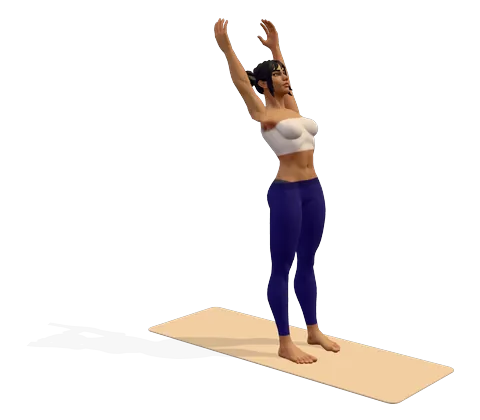
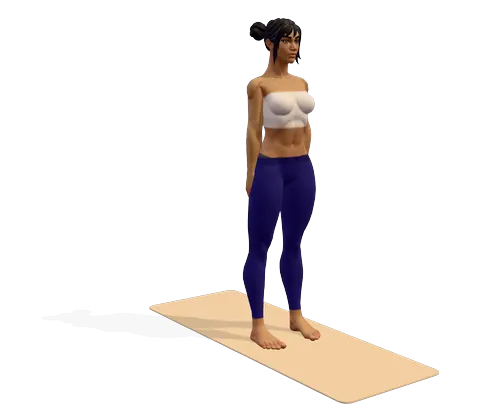 Mountain PoseTadasana
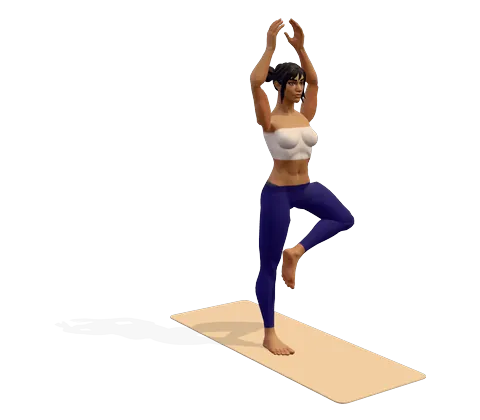 Tree PoseVrikshasana
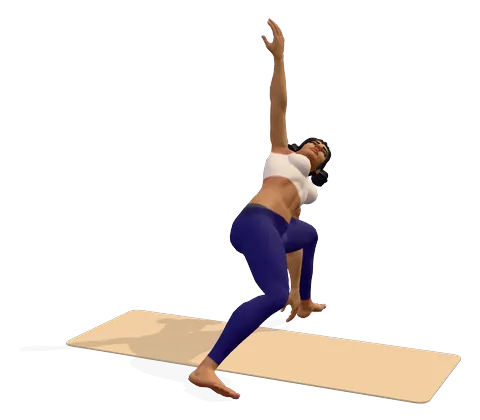
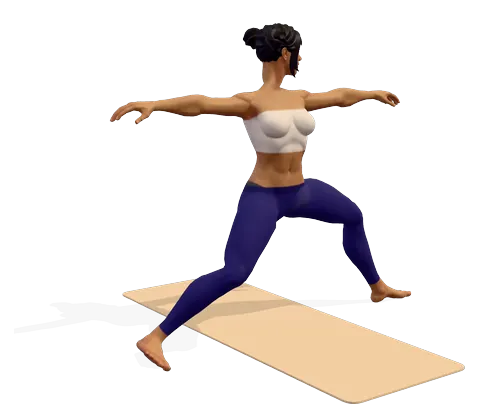 Warrior II PoseVirabhadrasana II
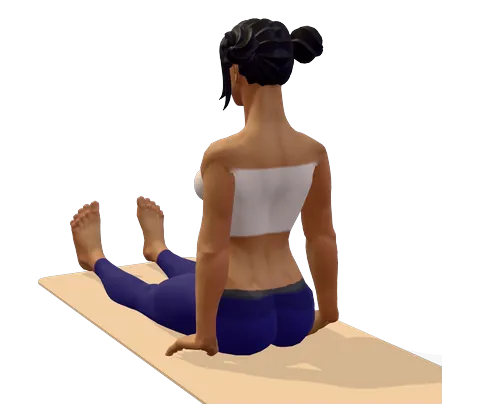
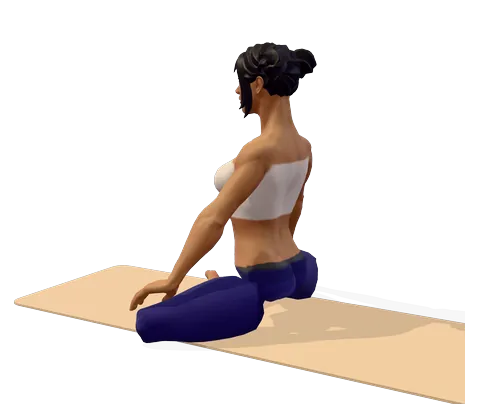 Easy PoseSukhasana
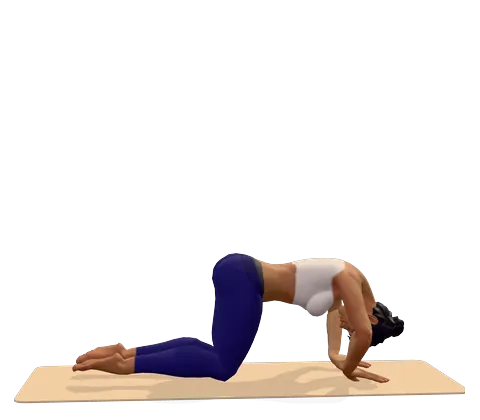 Cat PoseMarjaryasana
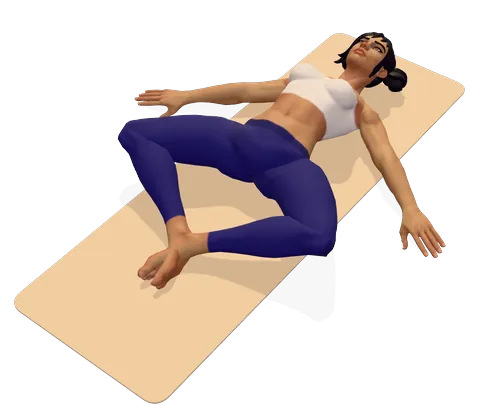 Reclining Bound Angle PoseSupta Baddha Konasana
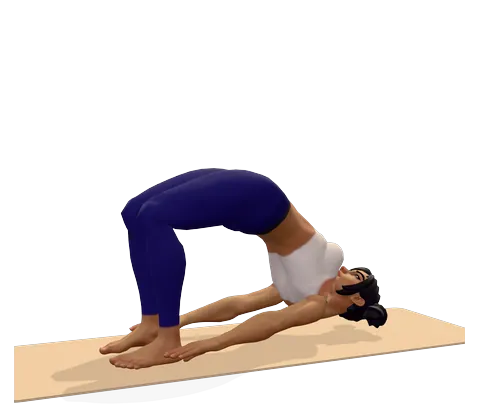 Bridge PoseSetu Bandhasana
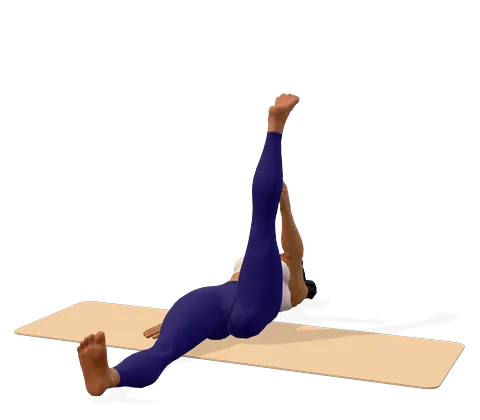 Reclining Hand-to-Big-Toe PoseSupta Padangusthasana
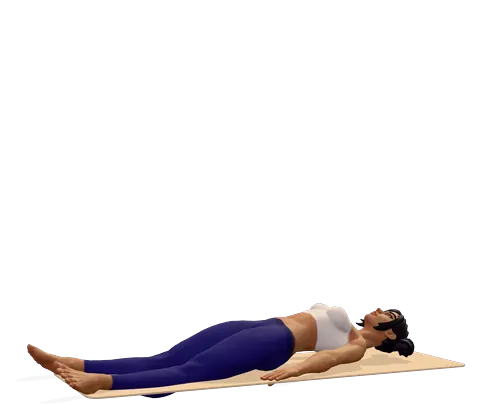 Corpse PoseSavasana
More poses that help with hernia (safe movement)
Add these once the session above feels easy, or swap one in when a pose does not suit you.
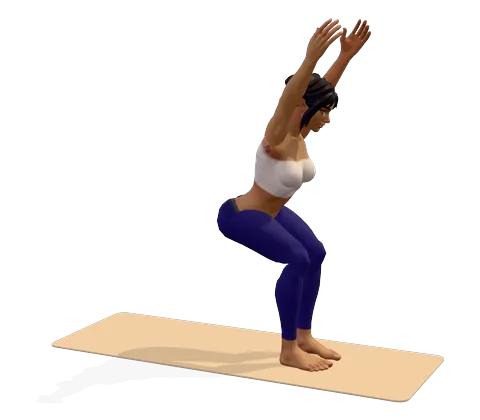
Breathing practice
Avoid
Strong core work (Boat, leg raises, Plank), deep backbends, inversions, heavy lifting, straining, and Kapalbhati, Bhastrika or breath holds that push on the belly. With a hiatal hernia also skip head-down poses and lying flat soon after eating. Yoga does not close a hernia. Go to hospital at once if a bulge turns hard, painful or will not go back in, especially with vomiting.
Traditional practice: Used in classical yoga therapy; few clinical trials so far.
Yoga for hernia is about safe movement, not repair. A hernia is a gap or weak area in the muscle wall that lets part of an organ, such as the bowel, push through. No pose, breath or exercise can close that gap; only surgery repairs it. But gentle yoga can keep you active, flexible and calm while you live with a hernia or wait for an operation, as long as you avoid anything that raises pressure inside the belly.
Which hernia do you have?
The advice differs by type, so it helps to know yours:
- Inguinal hernia: a lump in the groin, where the leg meets the belly. The most common type, especially in men.
- Umbilical hernia: at or near the belly button. Also common after pregnancy.
- Incisional hernia: through an old surgery scar.
- Hiatal (hiatus) hernia: part of the stomach slides up into the chest, so yoga for a hiatus hernia is really about reflux. There is no lump; it causes heartburn, reflux and bloating. The NHS notes it is very common over 50.
Looking for yoga for a herniated disc in the lower back or neck? That is a slipped spinal disc, a different problem from an abdominal hernia. See our yoga for slip disc page.
Can you do yoga with a hernia?
Usually yes, with limits, and after a doctor has examined the hernia. The rule is simple: anything that makes the bulge push out, or that makes you strain or hold your breath, is off the list. A hernia often gets bigger when you cough, lift or strain, and smaller when you lie down, which tells you which movements load it.
Can hernia be cured by yoga, or treated by yoga? No. Some sites call yoga a hernia alternative treatment or promise a yoga cure for hernia; that is false. Some hernias cause no trouble and are simply watched; others need surgery to prevent the bowel getting trapped. Yoga is a way to stay active safely, not the best treatment for hernia.
Yoga for hernia: what the evidence says
The evidence level for this page is traditional: there are no trials of yoga for inguinal, umbilical or incisional hernia. For hiatal hernia there is a small, related finding: in a 2012 randomised trial with 19 people with acid reflux, 4 weeks of abdominal (diaphragm) breathing training reduced acid exposure and the use of acid-reducing medicine. People with a large hernia were excluded, so this only suggests that slow belly breathing is worth trying for reflux symptoms.
Safe yoga poses for hernia patients, one by one
These are the poses in your guided session above, chosen because they keep the belly soft. Breathe out on any effort, never hold your breath, and stop if the bulge appears or aches.
Mountain pose (Tadasana)
Stand tall in Tadasana with the belly relaxed, not sucked in hard. Good posture spreads load evenly through the trunk.
Tree pose (Vrikshasana)
Balance on one leg in Vrikshasana with a hand on the wall. Balance work trains the legs and focus without belly strain.
Warrior II (Virabhadrasana II)
A wide, steady stance in Warrior II strengthens the legs. With an inguinal hernia, keep the stance a little shorter so the groin is not stretched hard.
Easy pose (Sukhasana)
Sit cross-legged on a cushion in Sukhasana for breathing. If sitting on the floor pulls on the groin, sit on a chair: chair yoga works well for hernia.
Cat and cow (Marjaryasana–Bitilasana)
On hands and knees, move the spine gently with the breath in cat pose and cow pose. Hands-and-knees takes the weight of the organs off the lower belly wall. Keep the movement small; do not let the belly sag deeply in cow.
Reclining bound angle pose (Supta Baddha Konasana)
Lie back with the soles of the feet together and cushions under both knees in Supta Baddha Konasana. Support the knees well so the groin is not stretched. With a hiatal hernia, raise your chest on a pillow.
Bridge pose (Setu Bandhasana), kept low
Breathe out and lift the hips only a few centimetres in Setu Bandhasana, using the buttocks, not the belly. Skip it if you feel pressure at the hernia.
Reclining hand-to-big-toe pose (Supta Padangusthasana)
Lie on your back, keep one knee bent with the foot on the floor, and lift the other leg with a strap around the foot in Supta Padangusthasana. The strap and bent knee keep your belly muscles relaxed; lifting both straight legs would strain them.
Corpse pose (Savasana)
Rest in Savasana with a pillow under the knees. To get up, roll to your side and push up with your arms; never sit straight up like a sit-up.
Breathing in yoga for hernia
Slow, relaxed breathing is safe and useful. Anulom Vilom and Bhramari calm the breath without pushing on the belly. Gentle belly breathing (let the belly rise softly on the in-breath, fall on the out-breath) is one of the diaphragm exercises most often suggested for hiatal hernia and reflux, and it suits women and men alike. Avoid Kapalbhati, Bhastrika, Agnisar Kriya and breath holds: they pump or brace the belly and raise pressure on the weak spot.
Hernia exercises to avoid: what not to do
These are the main activities to avoid with a hernia, whether inguinal, umbilical or incisional:
- Strong core exercises: sit-ups, crunches, leg raises, Boat pose, Plank and hollow holds. Core exercises with a hernia are the most common cause of it getting worse.
- Deep backbends such as Wheel, Camel and Bow, which stretch the belly wall hard.
- Inversions: headstand, shoulder stand, plough.
- Heavy lifting and straining, including on the toilet. Ask your doctor about lifting restrictions for your hernia.
- Breath holding while working hard, and fast belly breathing.
Umbilical hernia exercises to avoid are the same, with extra care around crunches and anything that makes the belly button bulge. For hiatal hernia exercises to avoid, see the next section.
Yoga for hiatal hernia relief
Hiatal hernia and yoga go together well if you respect a few rules. These hiatus hernia exercise contraindications matter most:
- No head-down poses (Downward Dog, standing forward folds, inversions) and no lying flat within 3 hours after eating.
- No tight belts or strong belly squeezes; skip deep twists after meals.
- Practise on an empty stomach, and raise your chest in any reclining pose.
Safe exercises for hiatal hernia relief are the gentle standing poses, cat and cow, chest-raised reclining poses and slow belly breathing. These exercises may relieve hiatal hernia symptoms such as reflux, but no exercise can improve, correct or reposition the hernia itself, and you should not try to massage it back into place. For yoga for hiatal hernia, beginners can follow the guided session with "shorter" holds. Iyengar yoga, with its bolsters and careful setup, suits hiatal hernia well. For more on reflux, see yoga for acidity. How to calm down a hiatal hernia flare: sit upright, loosen your clothes, breathe slowly into the belly, and follow the NHS tips of smaller meals, no food 3–4 hours before bed and raising the head of the bed.
Exercising with an inguinal hernia
Can you workout with an inguinal hernia? Walking, gentle cycling, swimming and the yoga above are usually safe exercises for people with a hernia. Avoid heavy weights, sprints, contact sports and any exercise that makes the lump bulge. There is no exercise for inguinal hernia to cure it; exercises only keep you fit until and after repair. A support garment (truss) may help some people short-term; ask your doctor.
Yoga after hernia surgery
How long after hernia surgery can I do yoga? The NHS page on inguinal hernia repair says recovery from inguinal hernia repair usually takes up to 4 to 6 weeks, with no heavy lifting or strenuous activity for at least 4 to 6 weeks, but gentle walking straight away. A typical path for yoga for hernia recovery, always with your surgeon's approval:
- First 1–2 weeks: walking, slow belly breathing, easy seated and standing stretches.
- Weeks 2–6: the gentle poses on this page, no core work, no deep stretches across the scar.
- After 6 weeks and surgeon clearance: build up slowly; add core work last. Inguinal hernia rehab exercises from a physiotherapist (hernia physical therapy exercises), or careful Pilates for hernia repair recovery, can help rebuild strength. Yoga after inguinal hernia repair follows the same order.
Exercises to prevent a hernia
You cannot always prevent a hernia, but the NHS suggests keeping a healthy weight, staying active (at least 150 minutes of moderate activity a week), stopping smoking and getting a long-lasting cough checked. Lift with your legs, breathe out as you lift, and treat constipation so you do not strain.
When a hernia is an emergency
Go to hospital at once if a hernia bulge becomes hard, tender or very painful, turns red or dark, or will not go back in when you lie down, especially with vomiting, a swollen belly or not being able to pass wind or stool. These are signs of a trapped (incarcerated) or strangulated hernia, where the blood supply to the bowel is cut off. It needs emergency surgery. Also get urgent help for vomiting blood or material like coffee grounds. There is no safe home treatment for a hernia like this, and no way to relieve or soothe it at home.
हर्निया के लिए योग (yoga for hernia in Hindi) — योग से हर्निया ठीक नहीं होता; इलाज अक्सर ऑपरेशन है। ताड़ासन, वृक्षासन, मार्जरी आसन, सुप्त बद्ध कोणासन और अनुलोम-विलोम सुरक्षित हैं। नौकासन, पैर उठाना, सिट-अप, शीर्षासन, कपालभाति, भस्त्रिका और भारी वज़न उठाना न करें। गांठ सख्त, बहुत दर्दनाक हो या अंदर न जाए और उल्टी हो तो तुरंत अस्पताल जाएँ।
Start your yoga for hernia session
With your doctor's okay, play the guided 3D session on this page. The figure demonstrates each pose and the voice guides you in your language. Choose "shorter" holds and stop if the hernia aches. More routines are on our guided sessions page.
Research behind this plan
- NHS — Hernia: types, symptoms, when to get help and how to reduce your risk
- NHS — Inguinal hernia repair: 4–6 weeks recovery, no heavy lifting or strenuous activity for at least 4–6 weeks
- NHS — Hiatus hernia: symptoms and self-care (smaller meals, no food before bed, raise the bed head)
- Eherer 2012, Am J Gastroenterol — RCT (19 people with reflux, large hernias excluded): 4 weeks of abdominal breathing training reduced acid exposure and PPI use
Frequently asked questions
Can yoga cure a hernia?
No. A hernia is a gap in the muscle wall, and only surgery closes it. Gentle yoga can keep you active safely, but it cannot push a hernia back for good.
Which yoga is best for hernia?
Gentle standing poses, cat and cow, supported reclining poses and slow breathing. Avoid core work, deep backbends, inversions and forceful breathing.
Is yoga good for hiatal hernia?
Gentle yoga on an empty stomach and slow belly breathing may ease reflux symptoms. Avoid head-down poses and lying flat after meals. Yoga does not move the stomach back into place.
What exercises should I avoid with a hernia?
Sit-ups, crunches, leg raises, Boat pose, Plank, heavy lifting, straining, deep backbends, inversions, Kapalbhati and breath holding.
How long after hernia surgery can I do yoga?
Gentle walking and breathing can start straight away. Gentle poses usually after 1–2 weeks, and fuller practice after about 6 weeks, once your surgeon agrees. Core work comes last.
Can I do yoga with an umbilical hernia?
Usually yes, with the same limits: no crunches, Plank or strong belly work, and stop anything that makes the belly button bulge.
What are the side effects of yoga with a hernia?
Gentle yoga is low-risk, but strong core poses, straining or forceful breathing can make a hernia bigger or more painful. If yoga brings on hernia pain, or an ache in the stomach wall, stop.
When is a hernia an emergency?
If the bulge becomes hard, very painful or will not go back in, especially with vomiting or a swollen belly, go to hospital immediately.
Medical note: yoga supports treatment; it does not replace it. Keep taking prescribed medicine and talk to your doctor before you start, especially with heart disease, uncontrolled blood pressure, recent surgery, pregnancy, epilepsy or severe pain. Read our medical disclaimer.