Your knee pain and osteoarthritis yoga plan
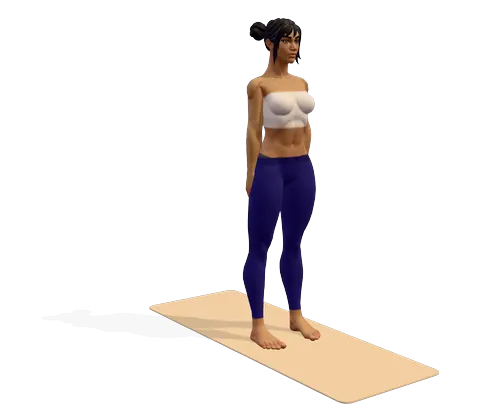 Mountain PoseTadasana
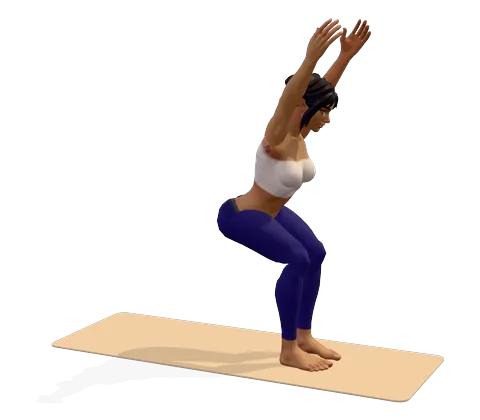 Chair PoseUtkatasana
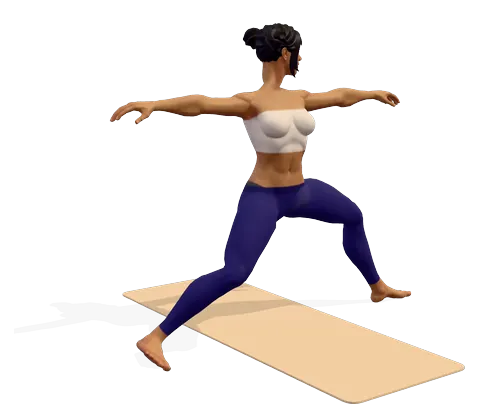 Warrior II PoseVirabhadrasana II
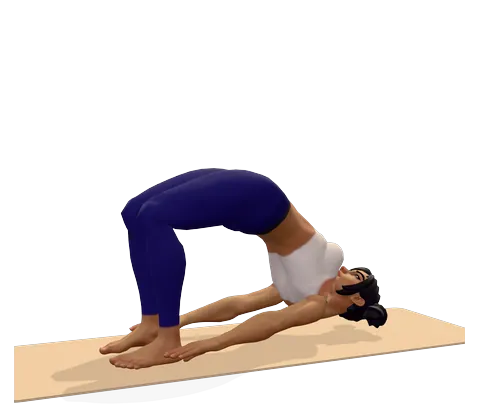 Bridge PoseSetu Bandhasana
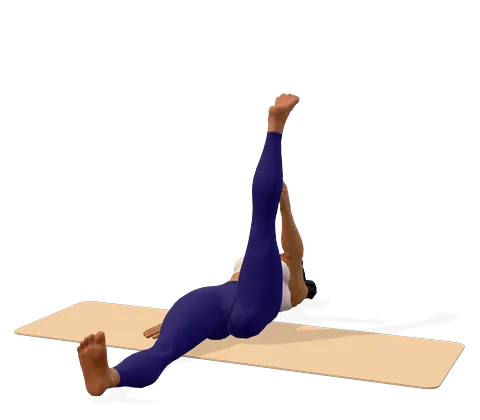 Reclining Hand-to-Big-Toe PoseSupta Padangusthasana
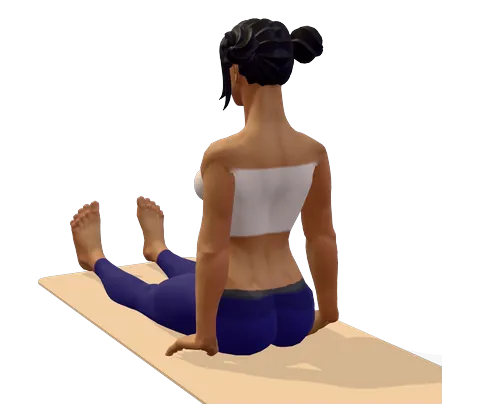 Staff PoseDandasana
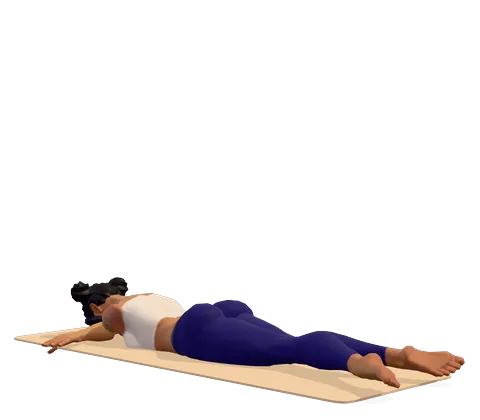 Crocodile PoseMakarasana
More poses that help with knee pain and osteoarthritis
Add these once the session above feels easy, or swap one in when a pose does not suit you.
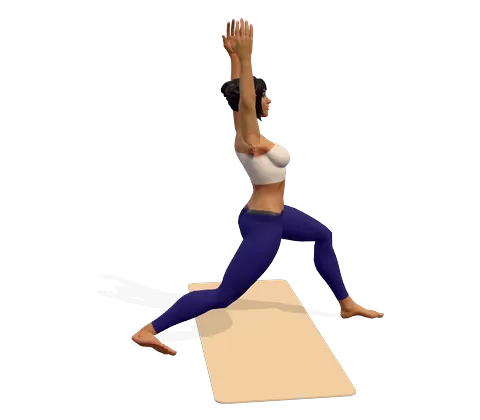 Warrior I PoseVirabhadrasana I
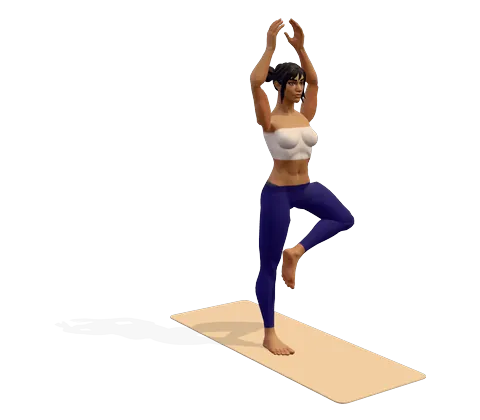 Tree PoseVrikshasana
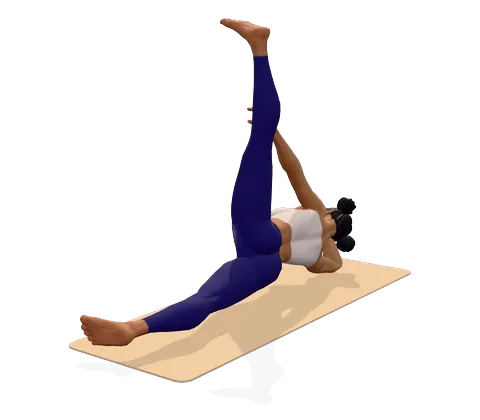 Side-Reclining Leg LiftAnantasana
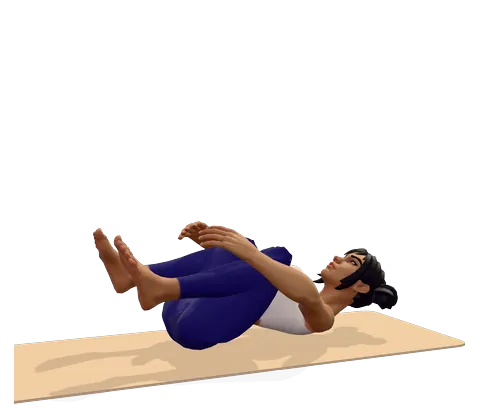 Wind-Relieving PosePavanamuktasana
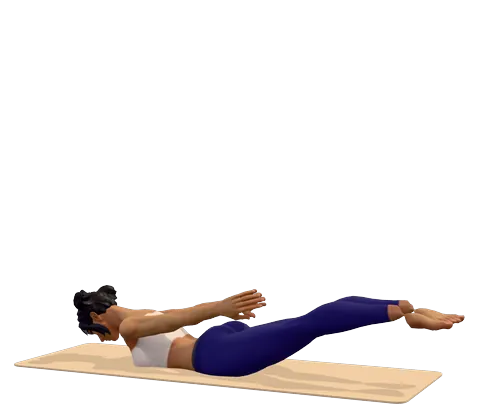 Locust PoseSalabhasana
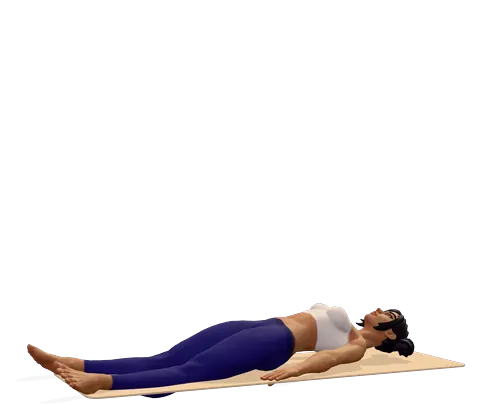 Corpse PoseSavasana
Mudras for knee pain and osteoarthritis
Hold a mudra while you sit for the breathing practice or a few minutes of quiet. Mudras are a traditional practice; research on them is limited.
Breathing practice
Avoid
Deep kneeling (Vajrasana, Virasana), full squats and lotus until your knee tolerates them.
Strong evidence: Meta-analyses of randomised trials show a benefit.
Yoga for knee pain works best when it is quiet and practical: stand well, strengthen the thighs and hips, keep the joint moving, and skip the poses that crush the knee. Exercise for osteoarthritis knee pain is a core part of care, and yoga is one well-researched way to do it. This page explains how it helps, what studies found, how to do each pose in the plan above, and how to adapt it for bad knees.
How yoga may help painful and sore knees
Your knee sits between two long levers, the thigh and the shin. When the muscles around it are weak, the joint surfaces take more of each step. Yoga for knee strengthening works on that, and more:
- Stronger thigh and hip muscles. Chair pose, Warrior II and Bridge build the quadriceps and buttock muscles that absorb shock and keep the kneecap tracking straight.
- Movement feeds cartilage. Cartilage has no blood supply. Gentle loading and unloading helps move fluid in and out, which is one reason stiff knees feel better after moving.
- Less stiffness. Slow stretches for the hamstrings and calves let the knee straighten more fully.
- Better balance. Standing poses train the small muscles and reflexes that prevent falls, which matters for yoga for knee pain in old age.
- A calmer response to pain. Slow breathing and relaxation can reduce muscle guarding and the worry that makes every step feel risky.
Is yoga good for knee osteoarthritis and knee pain? What the research says
The evidence is rated "strong" for this plan. A 2024 meta-analysis of 8 randomised trials with 756 people with knee osteoarthritis found that yoga reduced pain and stiffness and improved physical function compared with control groups. The same review found less clear evidence for everyday activities and quality of life, and noted that supervised, in-person classes gave better results and adherence than unsupervised online programmes.
That last point is worth taking seriously. A 2022 Australian trial of 212 adults tested a 12-week online yoga programme done alone at home. It improved physical function and stiffness but not knee pain while walking, and the gains faded by 24 weeks. Side effects were minor. The US National Center for Complementary and Integrative Health also says yoga may help pain, function and stiffness in knee osteoarthritis, while noting that the studies are limited in number.
What this means for you: yoga for knee osteoarthritis helps most when you keep it going for months, not weeks. If you can, have a physiotherapist check your form once, then use the guided session here to practise regularly between visits.
Yoga poses for knee pain: why each one is in the plan
These yoga poses for knee pain relief, also called yoga asanas for knee pain, all keep the joint in a comfortable range. They double as gentle yoga exercises for arthritic knees and for general knee problems. Use a thick mat or a folded blanket under any body part that touches the floor; a softer yoga mat can reduce knee pain when you get up and down.
Mountain pose: learn to stand on a sore knee
Mountain pose teaches even weight between both feet, knees soft rather than locked. Many people with knee pain push back into the joint without noticing. Modify: stand with your back near a wall for balance; squeeze a folded towel between your thighs to switch the muscles on.
Chair pose: build the quadriceps
Chair pose is one of the best yoga poses to strengthen knees. Modify: bend only a little, keep your knees behind your toes and pointing over your second toe, and sit your hips back as if onto a chair. Rest your hands on a chair back, or slide down a wall into a shallow wall-sit.
Warrior II: strength and alignment
Warrior II strengthens the front thigh and the outer hip, which stops the knee from collapsing inward. Modify: shorten your stance and bend the front knee only until it is above the ankle, never past it. Hold a chair on the front-knee side if balance is shaky.
Bridge: hips that help the knees
Bridge pose trains the gluteal muscles and hamstrings with very little load on the knee joint. Modify: place your feet a little further from your hips if your knees ache, and press evenly through both heels.
Reclining hand-to-big-toe pose: a supported stretch
Reclining hand-to-big-toe pose stretches the hamstrings and calf while you lie on your back, so the knee is not loaded. Modify: loop a strap or belt around your foot and keep the lifting leg slightly bent.
Staff pose: wake up the thigh
Staff pose is a simple seated position. Gently press the back of your knee down and tighten the front of the thigh for five breaths, then relax; physiotherapists call this a "quad set". Modify: sit on a folded blanket and put a rolled towel under your knees.
Crocodile pose: rest without pressure
Crocodile pose is a relaxing position on your front. Modify: put a thin cushion under your shins or ankles so the kneecaps do not press into the floor.
Breathing practice: Anulom Vilom
End with three to five minutes of Anulom Vilom (alternate nostril breathing) sitting on a chair, feet flat. Slow, even breathing helps you relax after the strengthening work and is easy on painful knees because you do not need to sit cross-legged.
A weekly yoga sequence for knee pain at home
Trials of yoga exercises for knee osteoarthritis usually used about three sessions a week. Pair them with walking and simple home exercises for knee pain. Leave a day between the harder strengthening days.
| Day | What to do | Time |
|---|---|---|
| Monday | Guided session on this page | 10–15 min |
| Tuesday | Walk on flat ground; Staff pose quad sets | 20 min |
| Wednesday | Guided session plus Anulom Vilom | 15–20 min |
| Thursday | Rest, or cycling or swimming if you enjoy it | 20 min |
| Friday | Guided session, a little deeper in Chair pose if pain allows | 15 min |
| Saturday | Walk; Bridge and Reclining hand-to-big-toe only | 20 min |
| Sunday | Rest | – |
The pain rule: mild discomfort (up to about 3 out of 10) during the exercise is acceptable if it settles within a day. If your knee is more painful or swollen the next morning, make the next session shorter and shallower.
Yoga modifications for bad knees, seniors and women
Beginners
If you are new, yoga for knee pain for beginners means one round of each pose, the shortest hold setting and a chair nearby. Add the yoga stretches for knee pain, such as the strap hamstring stretch, only after you have warmed up.
Seniors and chair yoga for knee pain
Chair yoga for knee pain for seniors keeps everything safe and simple: sit-to-stand from a firm chair, seated leg straightening, ankle circles and seated Mountain pose. Getting down to the floor is optional. Use a chair or wall for every standing pose.
Women
Knee osteoarthritis is more common in women, especially after menopause. Yoga for knee pain for women follows the same plan; adding regular walking and strength work also supports bone health. If you are pregnant, avoid deep squats and check new knee or pelvic pain with your midwife.
Bone on bone, severe pain or swelling
Even with "bone on bone" arthritis on an X-ray, many people benefit from gentle strengthening. Yoga for severe knee pain should keep the range small and the holds short. If the knee is hot, red or very swollen, rest it and see a doctor before doing yoga for knee pain and swelling.
Knee injury or knee replacement
For yoga after a knee injury, with injured knees or after a knee replacement, follow your surgeon's and physiotherapist's programme first. Yoga for a knee replacement can usually start once you are cleared, avoiding deep kneeling for the long term unless your surgeon says otherwise.
Exercises to avoid for knee pain, and when to see a doctor
- Deep kneeling poses such as Vajrasana and Virasana, full squats and Lotus, until your knee tolerates them.
- Twisting on a bent, weight-bearing knee, and jumping between poses.
- Locking the knee straight in standing poses.
- Pushing through sharp pain, clicking with pain, or a feeling of the knee "giving way".
See a doctor if your knee is hot, red and swollen, especially with fever; if you cannot put weight on it; if it locks or gives way; after an injury with rapid swelling; or if the calf becomes painful and swollen. Keep taking any medicine you have been prescribed.
Knee pain and back pain often go together, and yoga helps both because both respond to how you stand and walk. See our plans for yoga for back pain and yoga for arthritis.
Ghutno ke dard ka ilaj: yoga for knee pain relief in Hindi
घुटनों के दर्द के लिए योग — हिंदी में घुटनों के दर्द में ताड़ासन, हल्का उत्कटासन, वीरभद्रासन 2 और सेतुबंधासन से जांघ और कूल्हे की मांसपेशियाँ मज़बूत होती हैं, जिससे घुटने पर भार कम होता है। घुटने को पंजों से आगे न जाने दें और दर्द बढ़े तो रुक जाएँ। वज्रासन, गहरा स्क्वाट और पद्मासन तब तक न करें जब तक घुटना सहन न करे। घुटना गर्म, लाल या बहुत सूजा हो तो पहले डॉक्टर को दिखाएँ। योग इलाज में मदद करता है, पर डॉक्टर की दवा बंद न करें।
Start the guided knee session
When you are ready, start the guided knee pain session at the top of this page. The 3D figure shows each pose from every angle, the voice counts your breaths in 28 languages, and you can choose shorter holds on a sore day.
Research behind this plan
- Lu 2024, PLOS ONE — meta-analysis of 8 RCTs (756 people): yoga improved pain, stiffness and physical function in knee osteoarthritis
- Bennell 2022, Annals of Internal Medicine — RCT of an unsupervised 12-week online yoga programme (212 adults): better function and stiffness, not walking pain; not sustained at 24 weeks
- NCCIH (US National Institutes of Health) — Yoga: What You Need To Know, including knee osteoarthritis
Frequently asked questions
Should I do yoga if my knee hurts?
Usually yes, if the pain is the familiar ache of arthritis or stiffness. Choose gentle, knee-friendly poses and keep discomfort mild. If the knee is newly injured, hot, very swollen or cannot take weight, see a doctor first.
Is yoga good for knee arthritis, or bad for the knees?
Done with care, yoga is good for knees because it strengthens the muscles that protect them. Problems usually come from deep kneeling, forcing Lotus or letting the knee collapse inward. Keep the knee over the ankle and skip poses that hurt.
Can yoga for knee pain fix bone on bone arthritis?
No. Yoga does not rebuild cartilage. Studies show it can reduce pain and stiffness and improve function in knee osteoarthritis, which can make daily life easier. Talk to your doctor about all your treatment options.
How often should I do yoga for knee osteoarthritis?
About three times a week, as in most trials, with walking on other days. Expect to practise for at least 8 to 12 weeks, and keep going afterwards, because benefits tend to fade if you stop.
What are the best yoga exercises for knee pain?
For people with bad knees, the best yoga choices strengthen without loading the bent knee: shallow Chair pose, Warrior II with the knee over the ankle, Bridge, and quad sets in Staff pose. Add a gentle hamstring stretch with a strap.
Can we do yoga with knee pain while sitting on the floor?
You can, but you do not have to. Sit on a folded blanket with legs straight or slightly bent, or do the seated poses on a chair. Avoid sitting on your heels or cross-legged if it hurts.
Are there side effects of yoga for knee pain?
Mostly mild muscle soreness or a short-lived increase in knee ache. In the online yoga trial, adverse events were minor. Reduce depth and hold time if pain lasts into the next day.
Medical note: yoga supports treatment; it does not replace it. Keep taking prescribed medicine and talk to your doctor before you start, especially with heart disease, uncontrolled blood pressure, recent surgery, pregnancy, epilepsy or severe pain. Read our medical disclaimer.