Your multiple sclerosis yoga plan
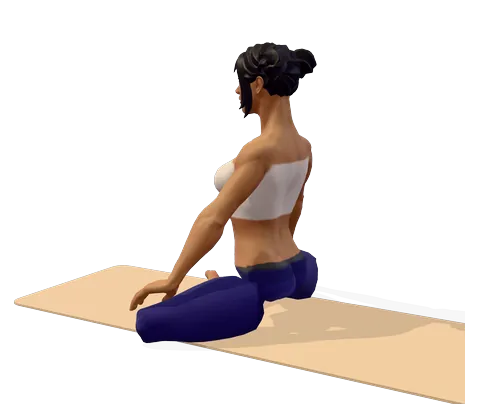 Easy PoseSukhasana
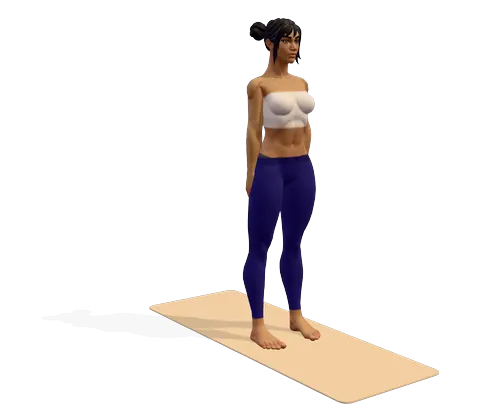 Mountain PoseTadasana
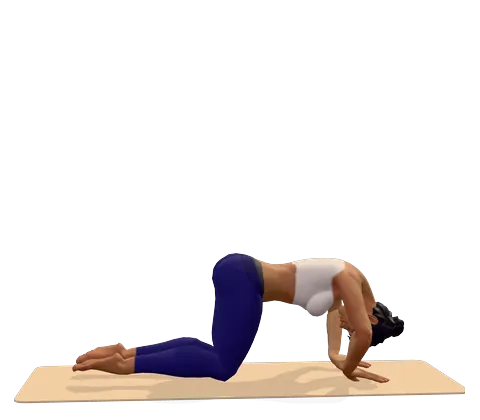 Cat PoseMarjaryasana
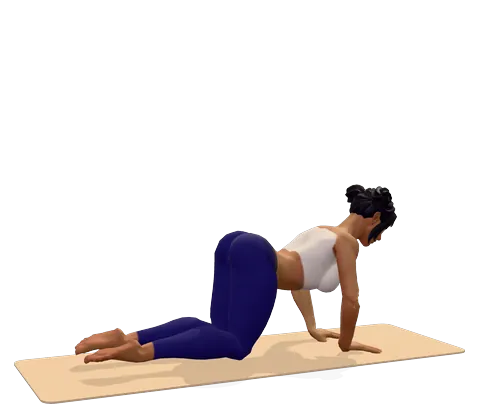 Cow PoseBitilasana
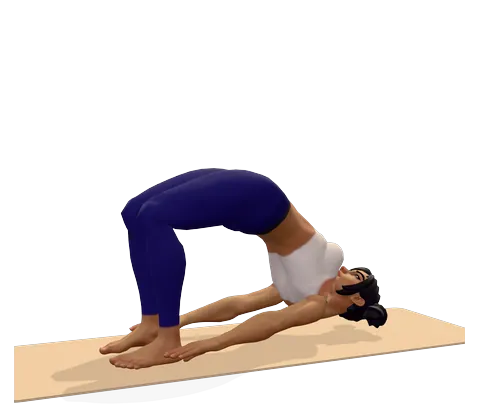 Bridge PoseSetu Bandhasana
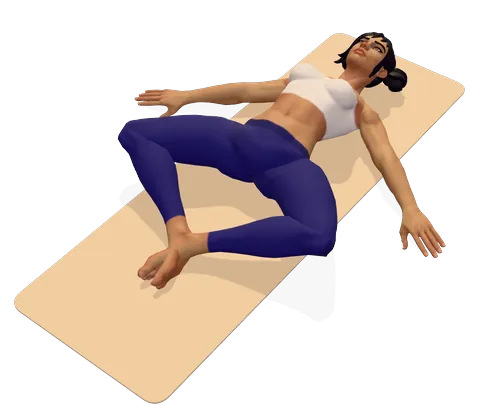 Reclining Bound Angle PoseSupta Baddha Konasana
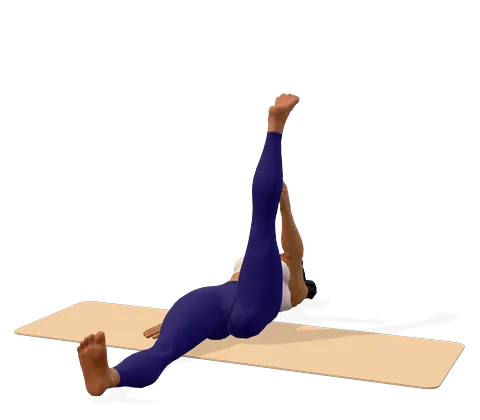 Reclining Hand-to-Big-Toe PoseSupta Padangusthasana
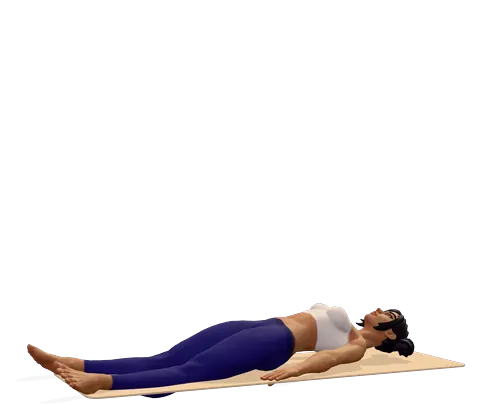 Corpse PoseSavasana
More poses that help with multiple sclerosis
Add these once the session above feels easy, or swap one in when a pose does not suit you.
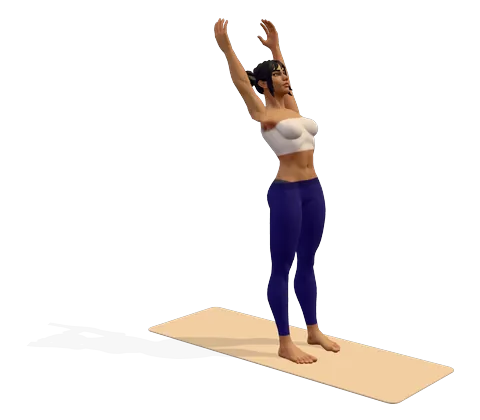 Raised Arms PoseHasta Uttanasana
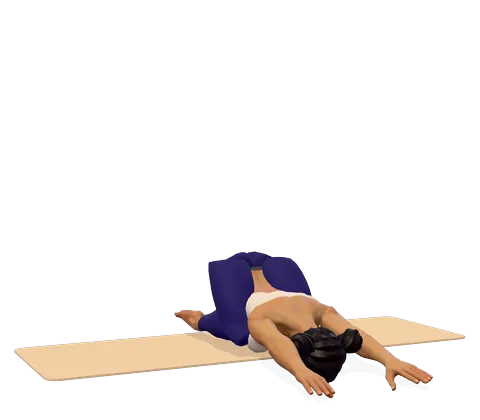 Child’s PoseBalasana
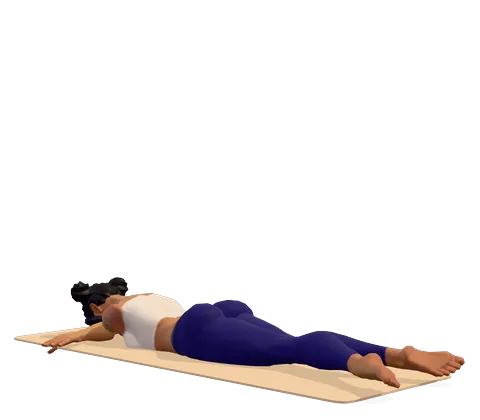 Crocodile PoseMakarasana
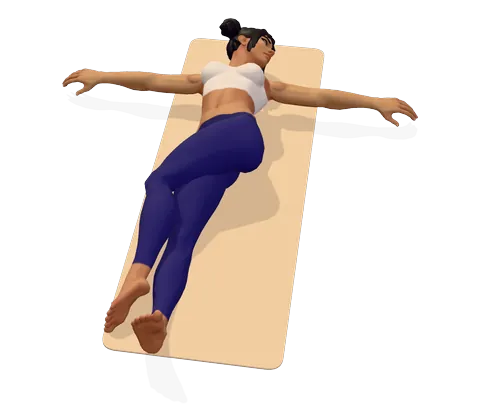 Supine Spinal TwistSupta Matsyendrasana
Mudras for multiple sclerosis
Hold a mudra while you sit for the breathing practice or a few minutes of quiet. Mudras are a traditional practice; research on them is limited.
Breathing practice
Avoid
Hot rooms and overheating, which can worsen symptoms; rest before you are exhausted.
Moderate evidence: Randomised trials show a benefit; more research is under way.
Guided meditation for multiple sclerosis
Breath Awareness Meditation (10 min, voice in 28 languages) · Body Scan Meditation (15 min, voice in 28 languages)
Yoga for multiple sclerosis (MS) is one of the better-studied uses of yoga for a neurological condition. Gentle, supported yoga may ease MS fatigue and lift mood, and it is generally safe when you avoid heat and overdoing it. This page covers what the research shows, how to do each pose with a chair or wall, how to pace your energy, and how yoga fits with physiotherapy for multiple sclerosis.
Yoga is not a treatment for MS itself and does not change the course of the disease. Keep taking your disease-modifying treatment and other medicines, and ask your neurologist or MS nurse before you start. See your MS team promptly if you have a new symptom or an old one gets clearly worse for more than a day, as this may be a relapse.
Is yoga good for multiple sclerosis?
For many people with MS, yes, as long as it is gentle and cool. Among exercises for people with multiple sclerosis, yoga has some specific strengths:
- Fatigue. Short, regular, low-effort movement may reduce MS fatigue over weeks, as other types of exercise also can.
- Mood. Slow breathing and relaxation can ease anxiety and low mood, which are common with MS.
- Stiffness and spasticity. Slow stretches held gently may make stiff legs feel easier to move.
- Balance and confidence. Standing with a wall or chair lets you train balance without fear.
Yoga works alongside, not instead of, your medical care. If you have heard of yoga as an MS alternative treatment, think of it instead as a complementary one.
What the research says
The evidence is moderate. A 2014 meta-analysis of 7 randomised trials with 670 people found that yoga reduced fatigue and improved mood in the short term compared with usual care, but did not clearly improve quality of life or mobility. Yoga was not linked to serious side effects, and relapse rates were similar to control groups. The authors noted that the trials had a high risk of bias. The US NCCIH summarises later reviews in a similar way: the clearest benefit is for fatigue, about as large as other kinds of exercise.
In short, yoga for multiple sclerosis fatigue is reasonably supported. Claims that yoga reverses MS are not.
What is MS fatigue, and how to deal with it
MS fatigue is not ordinary tiredness. It is an overwhelming lack of energy that can come on suddenly, get worse with heat and does not always improve with sleep. Fatigue due to MS is one of the most common symptoms, and it is often hard to explain to others. One way to explain MS fatigue to others is: "My battery drains much faster than yours, and it recharges more slowly."
Fatigue management for MS usually combines several things. What helps with MS fatigue:
- Pacing. Plan the day, spread demanding tasks out and rest before you are exhausted. Many MS teams call this energy conservation.
- Keeping cool. Heat can briefly worsen symptoms (Uhthoff's phenomenon). Practise in a cool room, drink cold water and wear light clothes.
- Regular gentle exercise. Counter-intuitively, exercising with multiple sclerosis often reduces fatigue over time.
- Treating other causes. Poor sleep, low mood, pain, bladder problems and some medicines add to fatigue. Your MS nurse can look at these, and at medical treatment for MS fatigue if needed.
For MS fatigue and work, ask your employer about flexible hours and short rest breaks. A few minutes of seated breathing at lunchtime is a small, practical way to combat MS fatigue during the working day.
Chair yoga for multiple sclerosis: the plan, pose by pose
These are the poses in the guided session on this page. Chair yoga for MS patients uses the same shapes with more support, so you can save your energy for the breath and the stretch. It works as a gentle set of chair exercises for multiple sclerosis.
1. Easy pose: tall sitting
Easy pose (Sukhasana): sit on a chair with feet flat, or cross-legged on a cushion if you are comfortable on the floor. Lengthen the spine and rest the hands on the thighs. Start with a few slow breaths here.
2. Mountain pose at the wall
Mountain pose (Tadasana): stand with your back near a wall and a chair in front. Feel the weight on both feet and lengthen upward. This is a simple base for balance exercises for multiple sclerosis. If standing is tiring, do it seated.
3. Cat and cow, seated or on hands and knees
Cat pose (Marjaryasana) and cow pose (Bitilasana): seated with hands on the knees, breathe in and lift the chest, breathe out and round the back. These movements are also some of the kindest yoga for multiple sclerosis back pain, which is common when walking changes.
4. Bridge pose
Bridge pose (Setu Bandhasana): lying on your back with knees bent, lift the hips a little and lower. It strengthens the hips and buttocks, which help with walking. Place a block between the knees if they drift apart.
5. Reclining bound angle pose
Reclining bound angle pose (Supta Baddha Konasana): lie back with the soles of the feet together and cushions under each knee. This is a restorative pose: stay 2–5 minutes and let the body rest. Iyengar yoga for multiple sclerosis uses props like these to make poses restful.
6. Reclining leg stretch with a strap
Reclining hand-to-big-toe pose (Supta Padangusthasana): loop a strap around one foot and lift the leg until you feel a mild stretch. Slow, held stretches like this are also used in multiple sclerosis physical therapy exercises for tight calves and hamstrings. Do not bounce.
7. Corpse pose
Corpse pose (Savasana): rest for 5 minutes, or use a guided Yoga Nidra, which works as yoga meditation for relaxation and may help sleep.
Cooling and calming breathing
Sheetali (cooling breath) draws air in over a curled tongue and may help you feel cooler during or after practice. If you cannot curl the tongue, breathe in through gently parted teeth instead. Anulom Vilom, done slowly and without breath holds, calms the mind and is useful yoga for mental health. The breathing timer can pace either one.
Sample weekly exercise program for multiple sclerosis
Multiple sclerosis exercise recommendations usually include aerobic activity, strength work and stretching, adjusted to your energy. A realistic week:
| Day | Practice | Time |
|---|---|---|
| Monday | Guided session on this page (chair versions) | 15 min |
| Tuesday | Physiotherapy exercises for MS, or a short walk | 15–20 min |
| Wednesday | Rest, or 5 min of Sheetali and Yoga Nidra | 10–20 min |
| Thursday | Guided session + bridge and wall balance | 15–20 min |
| Friday | Swimming in cool water or seated cycling | 15–20 min |
| Saturday | Guided session, restorative poses only if tired | 10–15 min |
| Sunday | Rest | — |
The best exercise for MS is the one you can repeat without a crash. A physiotherapist who knows MS can build good exercises for MS into a plan for you. You can also save your own sequence in the sequence builder and find more supported poses in chair yoga and restorative yoga. Fatigue that looks like MS fatigue also shows up in other conditions; yoga for chronic fatigue covers pacing in more depth.
What to avoid and possible side effects
- Hot yoga, hot rooms and long holds that make you overheat.
- Pushing on when you feel your energy dropping. Rest before you are exhausted.
- Balance poses with nothing to hold, especially if you have numb feet or vision problems.
- Deep stretches into numb areas, where you may not feel strain. Move by look and slowly.
Side effects of yoga for multiple sclerosis are uncommon and mostly minor, such as muscle soreness or feeling too hot. A short rest in a cool place usually settles them.
Start the guided MS session
The 3D teacher shows each pose from any angle, and a calm voice guides you in 28 languages. Set the hold time to "shorter", keep a chair and cold water nearby, and start the guided session.
Research behind this plan
- Cramer 2014, PLOS ONE: 7 randomised trials, 670 people; yoga reduced fatigue and improved mood in the short term compared with usual care; no serious adverse events
- NCCIH, Yoga: What You Need To Know. In MS, reviews found a benefit mainly for fatigue, comparable to other types of exercise
Frequently asked questions
Is yoga good for multiple sclerosis?
A meta-analysis of 7 trials (670 people) found yoga reduced fatigue and improved mood in the short term, with no serious side effects. It does not change the course of MS and works alongside your medical treatment.
What are the best yoga poses for multiple sclerosis?
Seated easy pose, mountain pose at a wall, seated cat–cow, bridge, supported reclining bound angle pose, a strapped leg stretch and corpse pose. Each can be done with a chair or props.
How do I fight MS fatigue?
Pace your day, rest before you are exhausted, keep cool, exercise gently and regularly, and ask your MS nurse about sleep, mood and medicines that add to fatigue.
Can heat from yoga make MS worse?
Heat can briefly worsen MS symptoms, which settle when you cool down. Avoid hot yoga, practise in a cool room and try cooling breath (Sheetali).
How often should people with MS do yoga?
Two or three short sessions a week is a common start in trials, with rest days between. Increase only if you do not feel worse the next day.
Is chair yoga good for MS patients?
Yes. Chair yoga for multiple sclerosis keeps the benefits of stretching and breathing while lowering the risk of falls and saving energy.
What exercises are best for people with MS?
A mix of gentle aerobic exercise (walking, swimming, cycling), strength work and stretching. Yoga covers stretching, balance and relaxation. A physiotherapist can tailor the rest.
Should I do yoga during an MS relapse?
Rest and contact your MS team first. Once they agree, restart with breathing and restorative poses only, and build up slowly.
Medical note: yoga supports treatment; it does not replace it. Keep taking prescribed medicine and talk to your doctor before you start, especially with heart disease, uncontrolled blood pressure, recent surgery, pregnancy, epilepsy or severe pain. Read our medical disclaimer.