Your kidney stones yoga plan
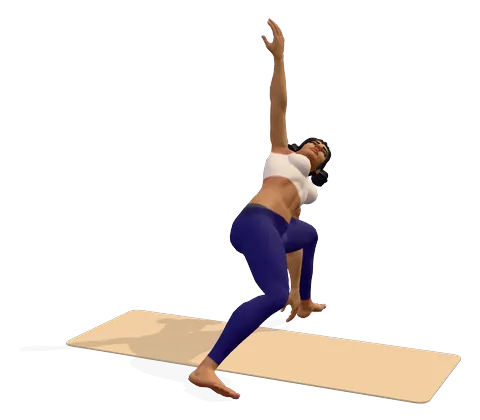
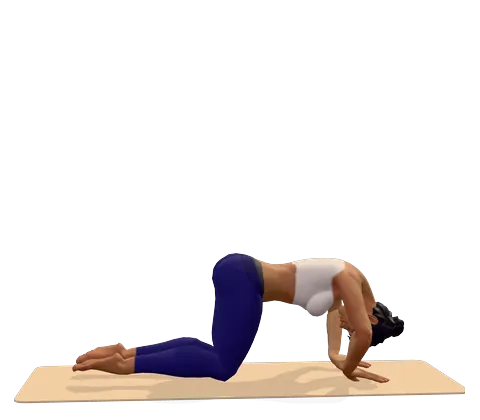 Cat PoseMarjaryasana
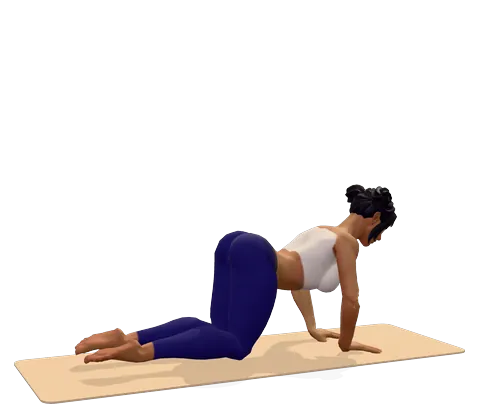 Cow PoseBitilasana
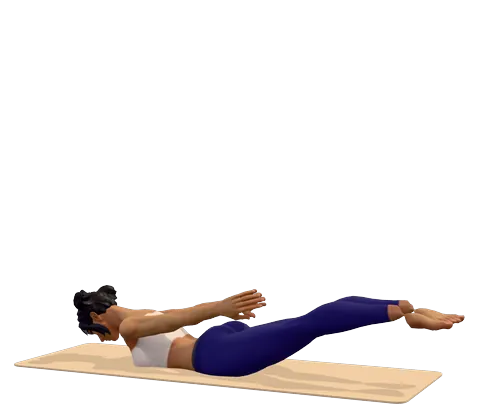
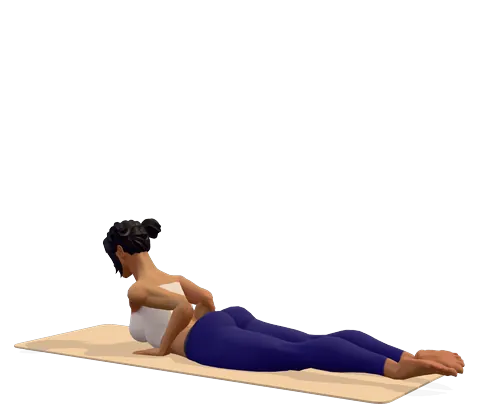 Cobra PoseBhujangasana
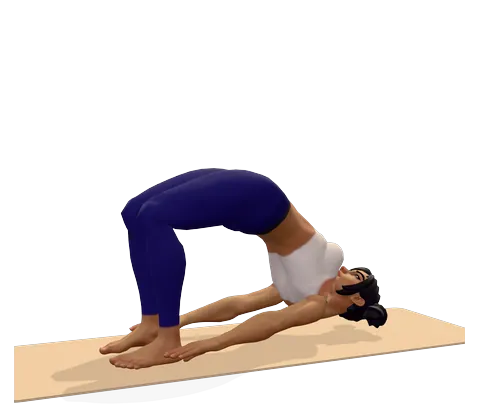 Bridge PoseSetu Bandhasana
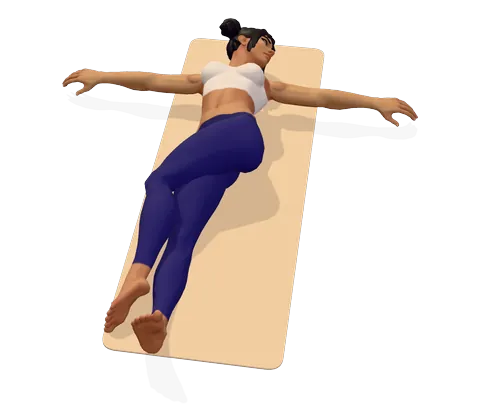 Supine Spinal TwistSupta Matsyendrasana
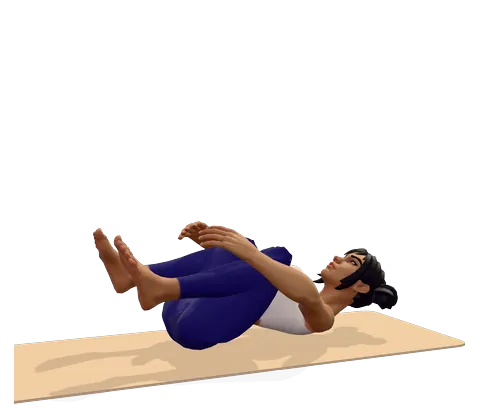 Wind-Relieving PosePavanamuktasana
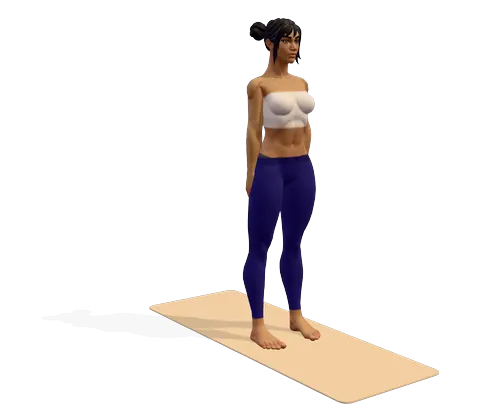 Mountain PoseTadasana
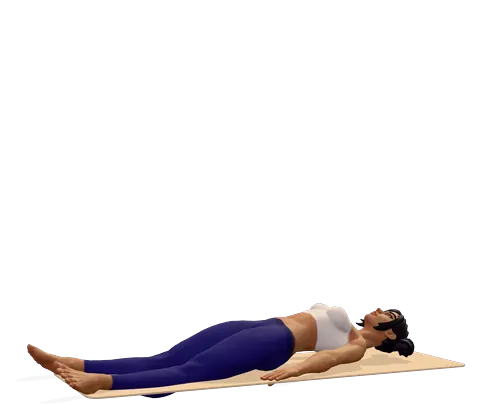 Corpse PoseSavasana
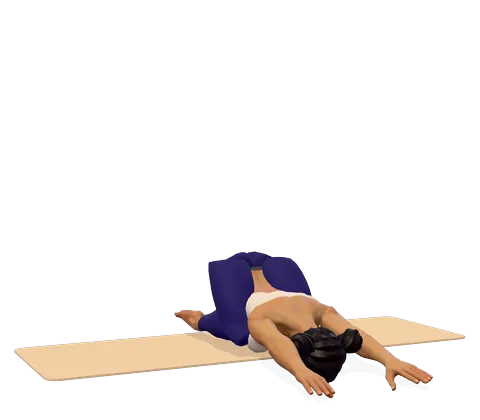
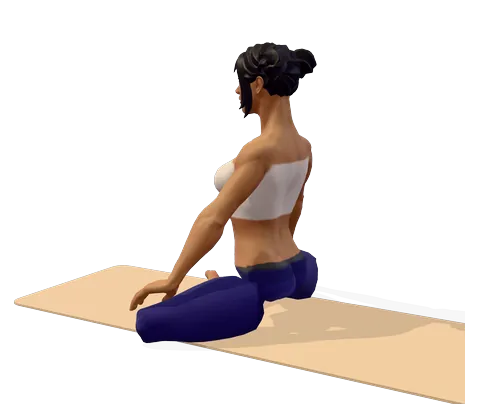
More poses that help with kidney stones
Add these once the session above feels easy, or swap one in when a pose does not suit you.
Mudras for kidney stones
Hold a mudra while you sit for the breathing practice or a few minutes of quiet. Mudras are a traditional practice; research on them is limited.
Breathing practice
Avoid
Relying on yoga to pass or dissolve a stone — it cannot; water, diet and medical care do. Go to a doctor at once for severe side pain, fever with chills, vomiting, blood in the urine or passing very little urine.
Traditional practice: Used in classical yoga therapy; few clinical trials so far.
Yoga for kidney stones can keep you moving and relaxed, but it cannot dissolve a stone or push one out, and no pose can remove a kidney stone from the kidney. Kidney stones are hard lumps that form from minerals in the urine, usually when the urine is too concentrated. Small stones often pass out in the urine on their own; larger ones can cause severe pain as they move down the tube to the bladder. This page explains what gentle yoga can and cannot do, the poses in the guided session above, and the habits that do lower your risk of another stone.
Go to a doctor or emergency department at once for severe pain in your side or back that comes in waves, fever or chills, vomiting, blood in your urine, or passing very little urine. A stone with infection or a blocked kidney is an emergency.
Is yoga good for kidney stones?
Yoga is safe and useful as gentle activity, but it does not treat the stone, which is why this page carries a "traditional" evidence level. There are no good trials of yoga poses for passing or preventing kidney stones.
What the research does show is that an active life and plenty of fluid lower your risk. In a large UK study of over 80,000 people who wore activity trackers, those who moved the most had about half the rate of new kidney stones compared with those who moved the least, and even light activity was linked to lower risk. That is an association, not proof, but it supports regular walking and gentle yoga. For prevention, water matters most: in a five-year randomised trial, people who had one calcium stone and drank a lot of water had fewer new stones than those who did not change their drinking.
Can yoga help pass or remove a kidney stone?
Many videos promise yoga moves to help pass kidney stones or yoga for kidney stone removal. Be careful with these claims. A stone moves because urine flow pushes it and the tube squeezes it along; no twist or backbend reaches inside the ureter. Gentle walking and staying upright may help a small stone move, and many doctors encourage normal activity while you wait for a small stone to pass, but no pose has been shown to speed this up. No exercises to help pass kidney stones, and no yoga position for kidney stones, have been tested in good trials.
What yoga can do while you wait for a small stone to pass, with your doctor's agreement:
- Keep you moving gently, which is better than lying still all day.
- Ease the tense, guarded feeling in your back and belly after a pain episode.
- Calm your breathing, which can make waves of discomfort easier to cope with.
Pain relief for kidney stones: what helps
During an attack of renal colic (strong, wave-like stone pain), do not try to do yoga through it. Immediate relief from kidney stones pain comes from the painkillers your doctor advises, and severe pain needs medical help. Once the worst has passed, these may ease kidney stones discomfort:
- A warm heat pad or hot water bottle on your back or side.
- Slow breathing with a long out-breath, lying on your side with a pillow between your knees.
- Short, easy walks and changing position often.
Yoga poses for kidney stone pain are therefore about comfort after the attack, not a way to stop colic.
How kidney stones are really treated
Treatment depends on the size and position of the stone. According to the NHS, most stones are small enough to pass in the urine and can be managed at home with fluids and medicine. At home treatment for kidney stones usually means drinking plenty, resting when you need to and taking the pain relief you are given. Beyond that, your doctor may suggest these ways to remove kidney stones:
- Waiting and drinking fluids for a small stone, with painkillers and sometimes anti-sickness medicine.
- Alpha-blockers, medicines that relax the ureter to help a stone pass.
- Shock wave treatment (lithotripsy), which breaks the stone into pieces small enough to pass.
- Ureteroscopy, where a thin telescope goes up through the urethra and bladder to remove or break the stone.
- Removing kidney stones through the back (percutaneous nephrolithotomy), a keyhole operation for large stones.
These are the real answers to how to remove a kidney stone, including how to remove a large kidney stone. For a small stone, how to remove a kidney stone naturally is simply fluids and time. There is no proven way to dissolve kidney stones with yoga, massage or herbs. Some stone types (uric acid stones) can be dissolved with medicine prescribed by a doctor.
Yoga poses for kidney stones: why each one is in the plan
These yoga stretches for kidney stones are gentle yoga for kidney health and comfort between episodes or after treatment, once your doctor says you can be active. It is not for use during severe pain.
Mountain pose: stand tall and breathe
Start in Mountain pose. Standing and walking are the simplest kidney stone exercise: they keep you upright and active.
Cat and Cow: ease the back
Cat and Cow gently move the spine. After a stone episode, many people hold their back and side stiffly; slow movement helps the muscles let go.
Cobra and Bridge: gentle back strength
A low Cobra pose and Bridge pose strengthen the back muscles and open the front of the body. Keep both small and comfortable; if pressure on your belly or side hurts, skip Cobra.
Wind-Relieving pose and Supine Twist: soft release
Wind-Relieving pose draws the knees towards the chest and can ease a tight lower back. The Supine Spinal Twist gently rotates the spine. Keep both light, and stop if you feel any sharp pain in your side.
Savasana: rest
End in Savasana and let your belly soften with each breath. Then get up and drink a glass of water, a useful habit to link to every session.
Can you exercise with a kidney stone?
If you have a known small stone and no symptoms, normal gentle exercise is usually fine; ask your doctor. The main side effects of yoga for kidney stones are the same as for any exercise: soreness, and discomfort if a stone shifts. Kidney stone pain can get worse with exercise if a stone moves, so stop and rest if pain starts. Avoid:
- Hard, sweaty workouts and hot yoga that dehydrate you, since concentrated urine is the main stone risk.
- Strong twists and deep backbends if you have a stent or have just had a procedure.
- Exercise when you have a fever, vomiting or severe pain.
After ureteroscopy or shock wave treatment, follow your urologist's advice on when to return to exercise; if you have a stent, some movements may feel uncomfortable until it is removed.
How to avoid having kidney stones again
Many people who have had one stone get another within a few years, so prevention is where your effort pays off most. The NHS ways to avoid kidney stones are simple:
- Drink plenty of water every day so you do not become dehydrated. You may be advised to drink up to about 3 litres a day. Aim for pale urine.
- Add fresh lemon juice to your water.
- Avoid fizzy drinks.
- Do not eat too much salt.
Your doctor may give more advice based on your stone type, for example about calcium, oxalate-rich foods or animal protein. Do not cut out calcium on your own; that can make some stones more likely. Ask before taking supplements, since high-dose vitamin C and some calcium supplements are among the kidney stone supplements to avoid for certain people. Ask about any medications to avoid with kidney stones as well. Staying active helps too: regular exercise for kidney health, such as walking and gentle yoga, is linked to fewer stones. See yoga for kidney health for more on looking after your kidneys.
Kidney stones in women and men
Kidney stones are more common in men, but many women get them too. How to treat kidney stones in women is the same as in men, with two points to know: pregnancy changes which scans and treatments are used, so tell your doctor if you might be pregnant; and a urine infection with side pain needs quick care. Yoga for kidney stones for women and for men is the same gentle session, and any home or natural remedy for kidney stones in women should be checked with a doctor, especially in pregnancy. Preventing kidney stones in women and in men comes down to the same habits: water, less salt, an active life and a healthy weight.
Breathing and the yoga mudra for kidney stones
Slow Anulom Vilom (alternate nostril breathing) at an easy pace can calm you after a painful episode. Varun mudra, the "water" mudra, where the little finger touches the thumb, is traditionally linked with the body's fluids. It can be a gentle reminder to drink water, but it does not affect kidney stones.
If you searched for pathri ke liye yoga or yoga for kidney stone in Hindi, here is a short summary.
पथरी (किडनी स्टोन) के लिए योग — हिंदी में योग से पथरी घुलती या निकलती नहीं है; छोटी पथरी अक्सर पेशाब के साथ अपने आप निकलती है और बड़ी पथरी का इलाज डॉक्टर करते हैं। रोज़ खूब पानी पिएँ ताकि पेशाब हल्के रंग का रहे, नमक कम खाएँ और कोल्ड ड्रिंक से बचें। दर्द न हो तब हल्का योग जैसे ताड़ासन, मार्जरी-बितिलासन और शवासन कर सकते हैं, और रोज़ टहलें। तेज़ दर्द, बुखार, उल्टी या पेशाब में खून हो तो तुरंत डॉक्टर के पास जाएँ।
Practise with the 3D guide
Play the session at the top of this page on a day without pain, with a glass of water nearby. The 3D teacher moves slowly, and the saffron ring on her mat shows the pace of each breath. Turn on the Body guide to see which areas each pose stretches. The voice guides you in 28 languages. Pair it with a daily walk and track both in your practice tracker.
Research behind this plan
- Borghi 1996, Journal of Urology — 5-year randomised study of 199 people after a first calcium stone: a high water intake was an effective first step to prevent new stones
- Liu 2024, American Journal of Kidney Diseases — UK Biobank study of 80,473 people: more physical activity, including light activity, was linked to a lower risk of kidney stones
- NHS — Kidney stones: drink plenty of water, add lemon juice, avoid fizzy drinks and too much salt; most stones pass in the urine
Frequently asked questions
Can yoga remove kidney stones?
No. No yoga pose can dissolve a stone or push it out. Small stones usually pass on their own with fluids and time; larger ones need medical treatment such as shock wave therapy or ureteroscopy.
Can yoga help pass a kidney stone?
There is no evidence that any pose speeds up passing a stone. Staying gently active and drinking the fluids your doctor advises is sensible, and yoga can help you stay calm and loose while you wait.
Can you exercise with a kidney stone?
If you have a small stone and no pain, gentle exercise is usually fine; ask your doctor. Stop if pain starts, avoid dehydrating workouts, and do not exercise with fever or vomiting.
What are the best yoga poses for kidney stones?
For comfort between episodes: Mountain pose, Cat and Cow, a low Cobra, Bridge, Wind-Relieving pose, a gentle Supine Twist and Savasana.
How do I prevent kidney stones?
Drink plenty of water so your urine stays pale, add fresh lemon juice, avoid fizzy drinks, eat less salt and stay active. Your doctor may add advice based on your stone type.
Does massage help kidney stones?
No. Massage cannot move a stone. It may relax tight back muscles, but get medical advice for stone pain.
When is kidney stone pain an emergency?
Get help at once for severe side pain, fever or chills, vomiting, blood in your urine or passing very little urine.
Medical note: yoga supports treatment; it does not replace it. Keep taking prescribed medicine and talk to your doctor before you start, especially with heart disease, uncontrolled blood pressure, recent surgery, pregnancy, epilepsy or severe pain. Read our medical disclaimer.