Your pelvic floor and urinary incontinence yoga plan
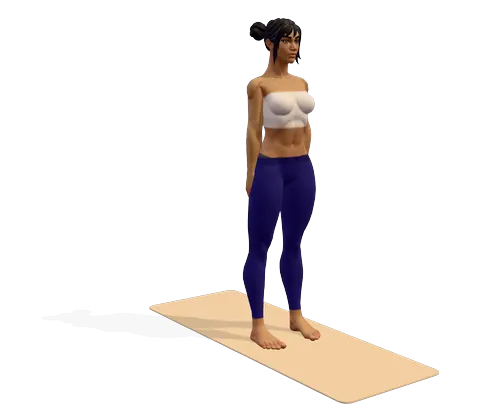 Mountain PoseTadasana
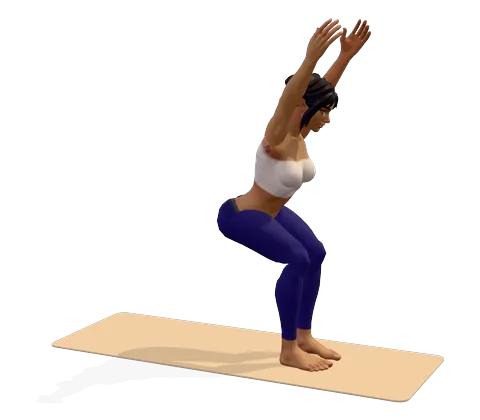 Chair PoseUtkatasana
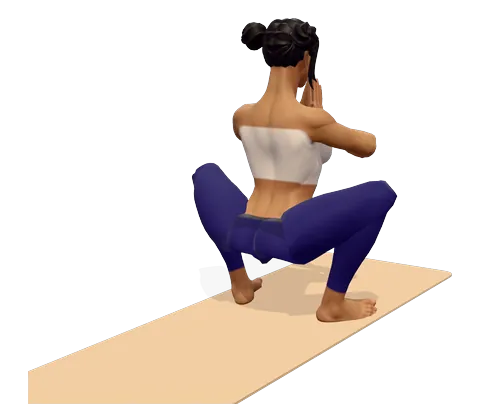 Garland PoseMalasana
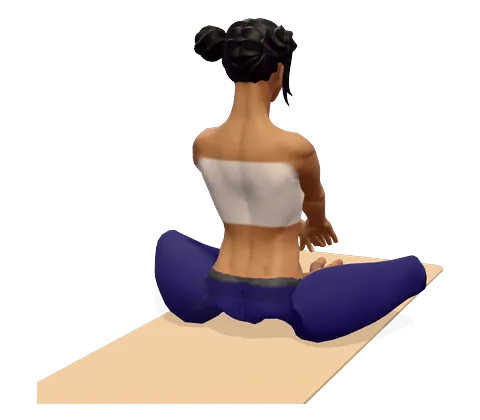 Bound Angle PoseBaddha Konasana
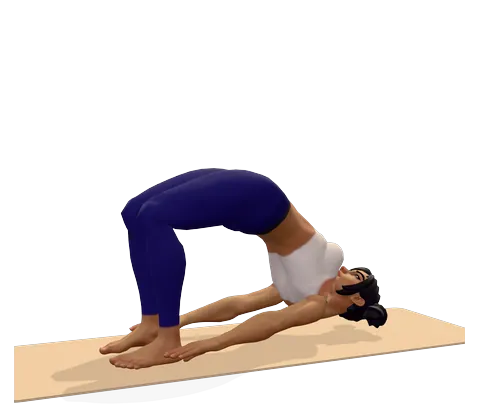 Bridge PoseSetu Bandhasana
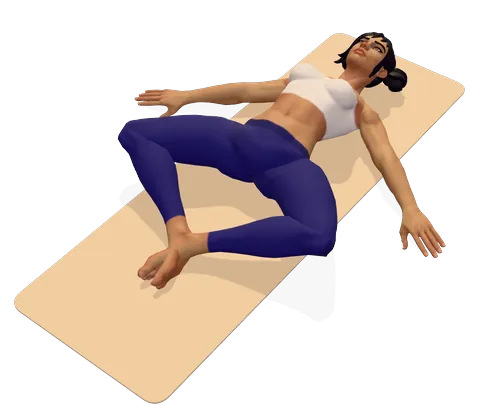 Reclining Bound Angle PoseSupta Baddha Konasana
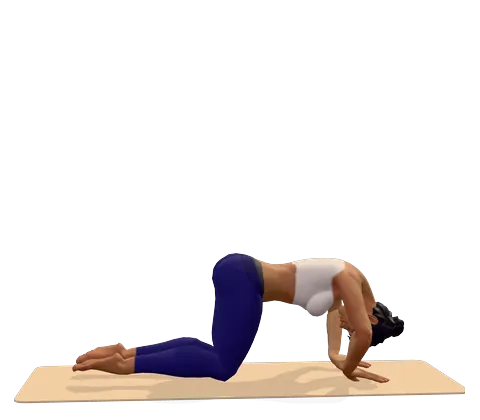 Cat PoseMarjaryasana
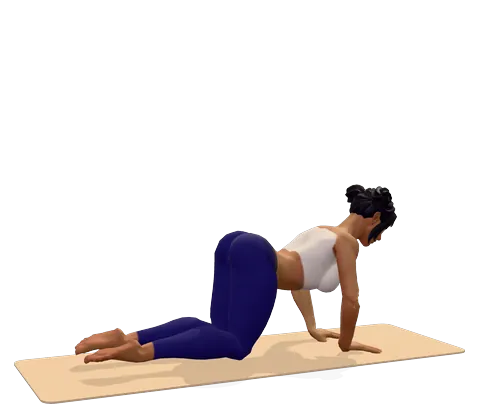 Cow PoseBitilasana
More poses that help with pelvic floor and urinary incontinence
Add these once the session above feels easy, or swap one in when a pose does not suit you.
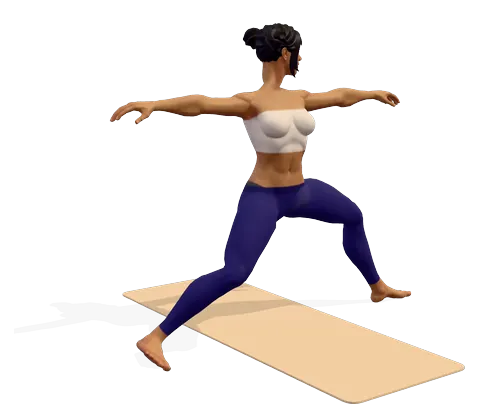 Warrior II PoseVirabhadrasana II
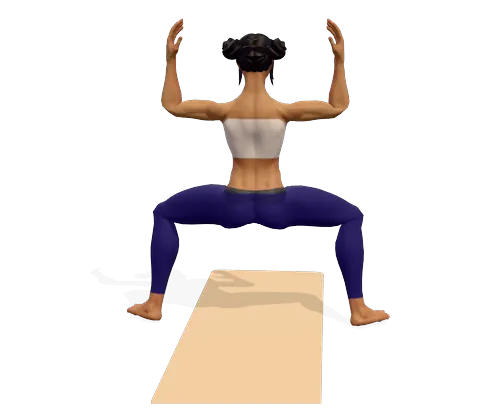 Goddess PoseUtkata Konasana
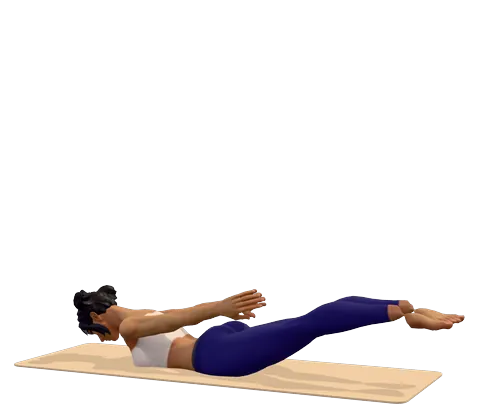 Locust PoseSalabhasana
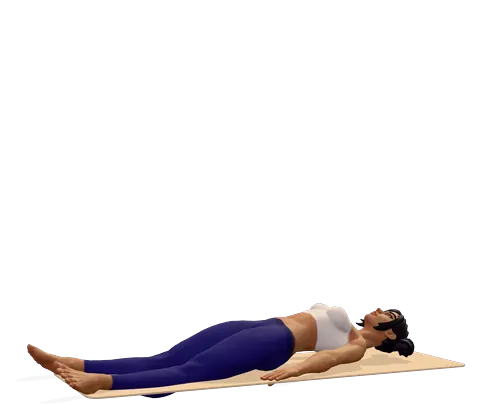 Corpse PoseSavasana
Mudras for pelvic floor and urinary incontinence
Hold a mudra while you sit for the breathing practice or a few minutes of quiet. Mudras are a traditional practice; research on them is limited.
Breathing practice
Avoid
Bearing down or holding your breath while lifting; see a doctor for blood in urine, pain or a heavy dragging feeling.
Moderate evidence: Randomised trials show a benefit; more research is under way.
Yoga for pelvic floor health combines the classic squeeze-and-release exercise with poses that make the pelvic floor work together with your breath, hips and buttocks. It is one of the better-studied uses of yoga: trials show fewer leaks, although yoga did not beat a matched general exercise programme. This page covers how the muscles work, the lift-and-release breath, why each pose is in the session, and when to see a doctor or physiotherapist.
What the pelvic floor does
The pelvic floor is a hammock of muscles from your pubic bone to your tailbone. It holds up the bladder, bowel and (in women) the womb, keeps the openings shut when you cough or jump, and relaxes to let you pass urine and stool. It also works with the diaphragm: when you breathe in, both drop slightly; when you breathe out, both rise.
So what do pelvic floor exercises do? They train these muscles to squeeze quickly (for a cough), hold steadily (for lifting) and let go fully (for emptying). All three matter. Many people only practise the squeeze.
Stress, urge and mixed leaks
- Stress incontinence: leaks when you cough, sneeze, laugh, run or lift. Common after childbirth, with menopause and after prostate surgery. Exercises for stress incontinence focus on strength and timing.
- Urge incontinence and overactive bladder: a sudden, strong need to go, and sometimes leaking before you reach the toilet. Exercises for urge incontinence focus on calming the urge and bladder training.
- Mixed: both. Most exercise for bladder control programmes train both.
Is yoga good for pelvic floor problems? The research
Does yoga help with pelvic floor weakness and leaks? The evidence here is moderate. In a 2024 randomised trial in Annals of Internal Medicine, 240 women aged 45 and over with daily leaks did 12 weeks of either pelvic-floor-focused Hatha yoga or a general stretching and strengthening programme. Leaks fell in both groups, by about 2.3 episodes a day with yoga and 1.9 with the general programme; the difference between them was small and not significant. An earlier pilot trial by the same team found about a 70% fall in leaks with six weeks of yoga, compared with 13% in the control group.
What this means: yoga for bladder control is a reasonable, low-risk option that works about as well as other structured exercise. Supervised pelvic floor muscle training with a physiotherapist remains the first-line treatment in most guidelines, so the best exercise for urinary incontinence is the one you do regularly, ideally checked by a professional.
The lift-and-release breath: your first pelvic floor yoga exercise
Everything in this session builds on one skill. Practise it before the poses:
- Sit tall on a chair or in easy pose, or lie on your back with knees bent.
- Breathe in and let your belly, ribs and pelvic floor soften and widen.
- Breathe out and gently squeeze and lift, as if stopping wind and the flow of urine at the same time. Your buttocks and thighs stay soft.
- Breathe in and let go completely. The release is as important as the lift.
- Do 8–10 slow lifts (hold 3–10 seconds), then 10 quick squeeze-and-let-go flicks. Repeat three times a day.
Do not practise by stopping your urine flow on the toilet; it can upset normal emptying. If you cannot feel anything happening, a pelvic health physiotherapist can check with you.
Yoga poses for pelvic floor muscles, one by one
These yoga poses for pelvic floor strength add load, gravity and different hip angles to the lift-and-release breath.
Mountain pose (Tadasana)
Mountain pose teaches the posture in which most leaks happen: standing. Stack your ribs over your pelvis, feel the weight in your heels and balls of the feet, and practise the lift on an out-breath. It is the simplest of the standing exercises for pelvic floor control.
Chair pose (Utkatasana)
Chair pose links the pelvic floor to the buttocks and thighs, just as when you stand up or lift a child. Breathe out and lift as you sink, then breathe in and let go at the top.
Garland pose (Malasana)
Garland pose, a deep squat, lengthens the pelvic floor and is useful for release. Sit on a block if your heels do not reach the floor. Skip it if you have a prolapse that feels heavier when you squat.
Bound angle (Baddha Konasana)
Bound angle opens the inner thighs, which often grip with a tense pelvic floor. Sit on a folded blanket and let the knees drop without pushing them.
Bridge pose (Setu Bandhasana)
Bridge is the main strengthening pose: breathe out, lift the pelvic floor, then lift the hips. Lower on the in-breath and relax. Some trials used bridge with a block between the knees.
Reclining bound angle, cat and cow
Reclining bound angle is pure release: with pillows under the knees, let the pelvic floor soften with every in-breath. Cat and cow then coordinate the lift with rounding (out-breath) and the release with arching (in-breath).
Yoga for pelvic floor tightness and pelvic pain
Not every pelvic floor is weak. A tight, over-active pelvic floor can cause pain with sex, urgency, difficult emptying, constipation and pelvic pain. Is yoga good for a tight pelvic floor? Yes, when you focus on release rather than squeezing. For pelvic floor tension, spend more time in garland pose, bound angle, reclining bound angle and happy baby, with long, soft in-breaths, and cut back on strong lifts. Yoga for pelvic floor relaxation also helps with constipation: a relaxed pelvic floor and a small footstool on the toilet make emptying easier (see yoga for constipation).
Yoga for overactive bladder and urge incontinence
With an overactive bladder, the urge itself is the problem. Bladder training for urge incontinence works like this: when an urge comes, stop, stand or sit still, do five quick pelvic floor squeezes and take slow breaths until the wave passes, then walk calmly to the toilet. Over weeks, gradually stretch the time between visits. Slow breathing such as Nadi Shodhana without holds can make these yoga exercises for irritable bladder easier. Cut down caffeine, fizzy drinks and alcohol too.
Yoga for pelvic floor for men
Men have a pelvic floor too, and yoga for pelvic floor male issues follows the same steps. Leaks after prostate surgery and dribbling after urination are common reasons. For men, the cue is "lift the testicles and draw in as if stopping urine". A yoga for urine problem in man approach should always start with a doctor, because a weak stream, straining or getting up often at night can be prostate-related (see yoga for prostate health).
Yoga for pelvic floor prolapse and after birth
With a prolapse (a feeling of heaviness, dragging or a bulge), yoga for pelvic floor prolapse means gentle strength, no bearing down, and fewer poses that put the hips above the head for long. Avoid deep squats if they make symptoms worse, and ask a physiotherapist about a support device (pessary). For yoga for pelvic floor and postpartum health, begin with breathing and lifts and follow our postnatal yoga plan.
A weekly pelvic floor yoga workout
| When | What |
|---|---|
| Every day, 3 times | Lift-and-release breath: 8–10 slow holds + 10 quick flicks |
| 3–4 days a week | The guided session on this page (about 15 minutes) |
| Before every cough, sneeze or lift | "The knack": squeeze just before and during the effort |
| Any time an urge comes | Stop, five quick squeezes, slow breathing |
Give it at least 12 weeks; muscles take time to change. These pelvic floor exercises at home are free, but a physiotherapist can check your technique, which makes them work better.
Yoga for pelvic floor side effects and when to see a doctor
Side effects are rare. The main mistakes are bearing down or holding your breath while lifting, squeezing so hard that the pelvic floor never relaxes, and doing strong core work too early after birth. Pilates for urinary incontinence and yoga share the same rule: breathe out on effort.
See a doctor if you have blood in your urine, pain or burning when you pass urine, a heavy dragging feeling or a bulge, leaks that started suddenly, loss of bowel control, or numbness around the genitals. These need checking before exercise therapy for bladder control.
पेल्विक फ्लोर योग (pelvic floor yoga in Hindi): साँस छोड़ते समय पेशाब रोकने जैसी मांसपेशियों को धीरे से ऊपर खींचें, और साँस लेते समय पूरी तरह ढीला छोड़ें। रोज़ तीन बार 8–10 बार करें। ताड़ासन, उत्कटासन, सेतुबंधासन और बद्ध कोणासन इसे मज़बूत बनाते हैं। खाँसते या वज़न उठाते समय पहले मांसपेशियाँ कसें। पेशाब में खून, दर्द या नीचे भारीपन लगे तो डॉक्टर से मिलें।
Start today. Open the guided 3D session above and practise the lift on each out-breath. Use the practice tracker to keep a 12-week streak.
Research behind this plan
- Huang 2024, Annals of Internal Medicine — randomised trial in 240 women with daily incontinence: pelvic yoga and general physical conditioning both reduced leaks over 12 weeks; yoga was not superior
- Huang 2014, Female Pelvic Medicine & Reconstructive Surgery — pilot randomised trial: 6 weeks of group yoga reduced incontinence frequency by about 70% versus 13% in controls
Frequently asked questions
Is yoga good for pelvic floor?
Yes. Randomised trials show yoga reduces urinary leaks in women, although it worked about as well as a general stretching and strengthening programme, not better. Combine it with daily pelvic floor lifts for the best result.
What are the best yoga poses for pelvic floor muscles?
Bridge, chair pose, mountain pose and cat and cow for strength and timing; garland pose, bound angle and reclining bound angle for release. Always link the lift to your out-breath.
How can I improve bladder control naturally?
Do pelvic floor lifts three times a day, squeeze before you cough or lift, use bladder training for urgency, keep a healthy weight and cut down caffeine and alcohol. A pelvic health physiotherapist can tailor this.
Does yoga help pelvic floor dysfunction?
It can. For weakness, it builds strength and timing; for tightness, relaxing poses and slow breathing teach the muscles to let go. Pain, prolapse or bowel symptoms need a doctor's or physiotherapist's assessment first.
Is yoga for pelvic floor useful for men?
Yes. Men can use the same lift-and-release breath and poses, for example for leaks after prostate surgery. See a doctor first about any new urinary symptoms.
How long does it take pelvic floor exercises to work?
Most people notice fewer leaks after 6–12 weeks of daily practice. Keep going after that to hold the gains.
Can yoga make pelvic floor problems worse?
Bearing down, holding your breath during effort, heavy core work too soon after birth or constant squeezing with a tight pelvic floor can. Breathe out on effort and always relax fully between lifts.
Medical note: yoga supports treatment; it does not replace it. Keep taking prescribed medicine and talk to your doctor before you start, especially with heart disease, uncontrolled blood pressure, recent surgery, pregnancy, epilepsy or severe pain. Read our medical disclaimer.