Your exam stress yoga plan
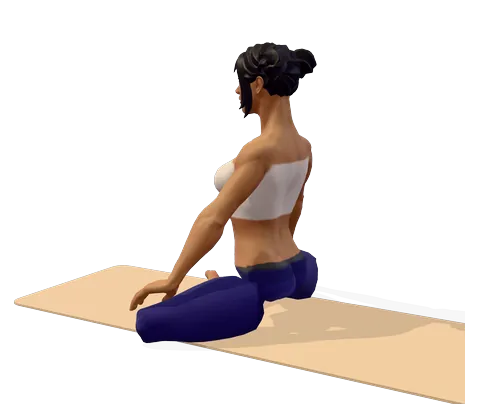 Easy PoseSukhasana
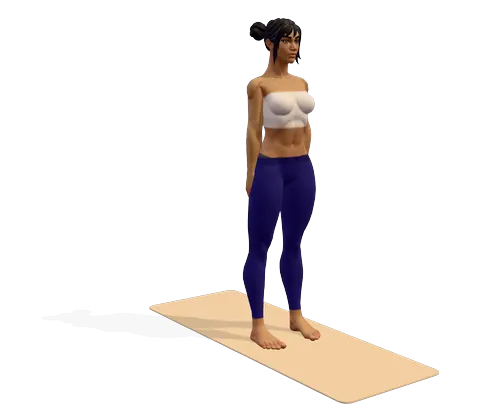 Mountain PoseTadasana
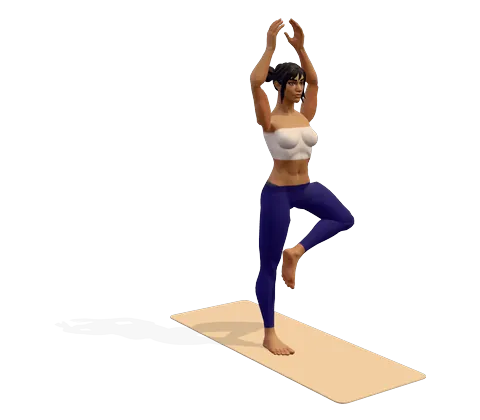 Tree PoseVrikshasana
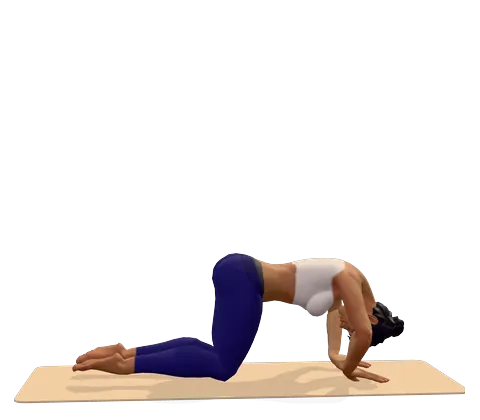 Cat PoseMarjaryasana
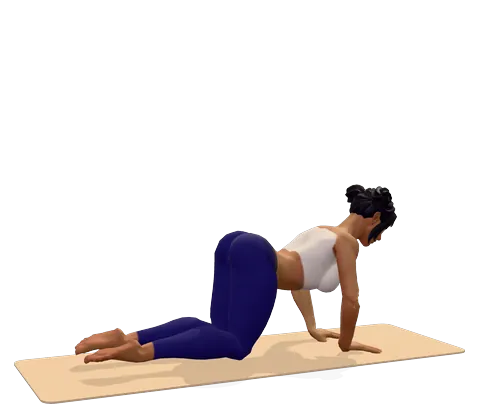 Cow PoseBitilasana
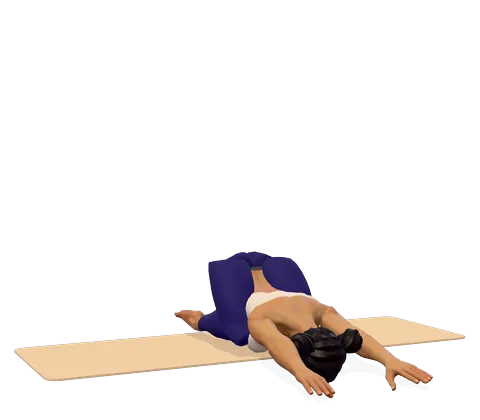 Child’s PoseBalasana
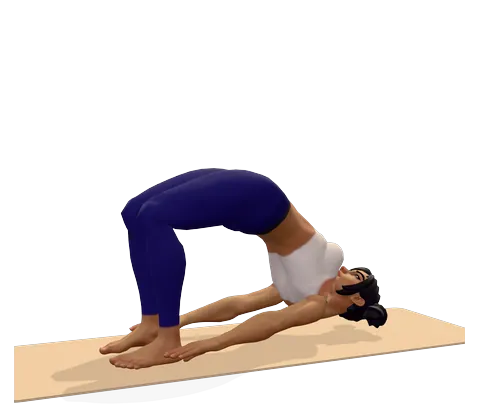 Bridge PoseSetu Bandhasana
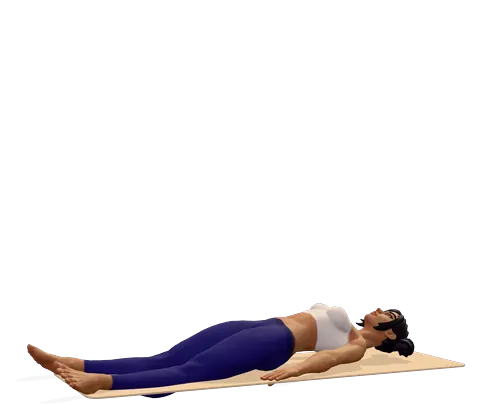 Corpse PoseSavasana
More poses that help with exam stress
Add these once the session above feels easy, or swap one in when a pose does not suit you.
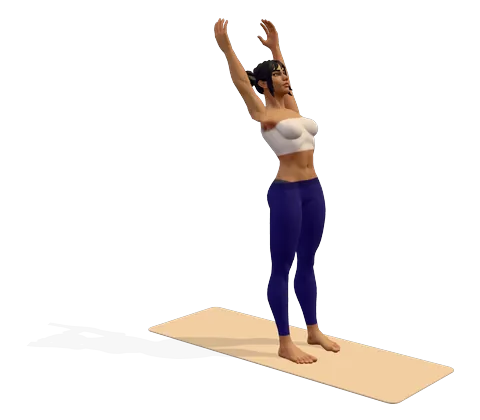 Raised Arms PoseHasta Uttanasana
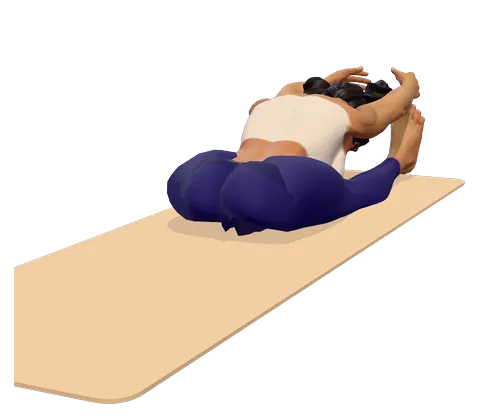 Seated Forward BendPaschimottanasana
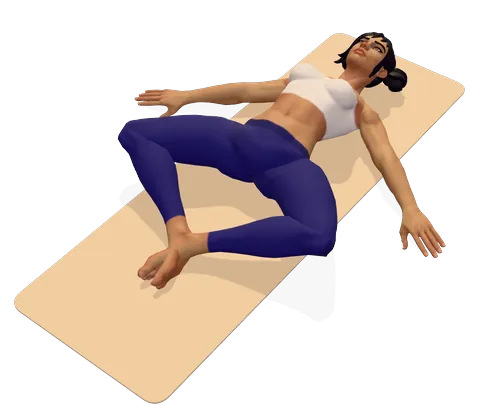 Reclining Bound Angle PoseSupta Baddha Konasana
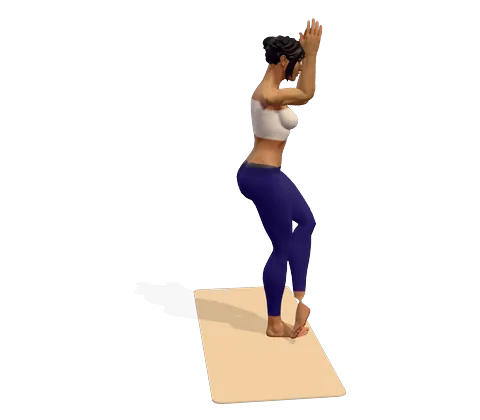 Eagle PoseGarudasana
Mudras for exam stress
Hold a mudra while you sit for the breathing practice or a few minutes of quiet. Mudras are a traditional practice; research on them is limited.
Breathing practice
Avoid
Cutting sleep to fit in study or practice; five minutes of slow breathing before study and before the exam is enough. Talk to someone you trust if worry comes with hopelessness or thoughts of self-harm.
Emerging evidence: Small or early trials look promising.
Guided meditation for exam stress
Five-Minute Meditation (5 min, voice in 28 languages) · Breath Awareness Meditation (10 min, voice in 28 languages)
Yoga for exam stress works best in small doses: five minutes of slow breathing before you study, a two-minute stretch between topics, and a calm routine before bed. A little stress helps you focus, but too much makes your heart race, your sleep break up and your memory go blank. Simple poses and a longer out-breath can bring your body back to a level where studying works again. This page explains how yoga helps with stress, what studies in students show, a routine for every stage of exam season, and when worry needs more help.
How does yoga help with exam stress?
Stress is your body preparing for action: faster heart, tense shoulders, shallow breathing, a mind that jumps between worries. That was useful for running from danger, less so for solving equations. Yoga helps in three ways:
- The out-breath. Breathing out slowly, for longer than you breathe in, activates the "rest and digest" side of the nervous system and slows the heart. This is why breathing is the fastest stress relief technique here.
- Moving the tension. Hours bent over books tighten the neck, shoulders and hips. A few stretches release that tension and send more blood to a sleepy brain.
- Training attention. Balance poses and counted breathing need focus, which is practice for bringing your mind back to the page.
So why does yoga help with stress, and how does yoga relieve it? That is how yoga helps in stress management: It does not make the exam easier, but it keeps your body out of panic mode so you can use what you know. The concept of stress in yoga goes back to the Yoga Sutras, which describe yoga as calming the restless movements of the mind; stress management through yoga is that old idea used in a practical way.
Is yoga good for stress and anxiety in students? The research
The evidence is emerging and mostly positive. In a 1999 study of 50 first-year medical students in India, those who did yoga had lower anxiety, a smaller rise in anxiety before exams and fewer exam failures than students who did not. A 2011 trial randomly assigned 60 medical students to 35 minutes of daily yoga for 12 weeks or no yoga; during exams, heart rate and blood pressure rose in the control group but not in the yoga group, and stress hormone changes were smaller.
A 2019 meta-analysis of 23 trials in college and university students (1,373 people) found meditation, yoga and mindfulness had moderate effects on stress, anxiety and depression compared with doing nothing, but only small effects compared with other active activities, and many studies were low quality. In short: yoga is a useful, low-risk tool for managing stress, not a magic fix, and regular practice matters more than any single pose. Yoga can reduce stress, but yoga cannot cure stress; the benefits of yoga for stress come from doing a little often.
Best yoga poses for exam stress relief
The guided session above uses eight poses and takes about 12 minutes. Think of it as an exam de-stress yoga routine: a short yoga exercise program for stress relief that you follow online, free, instead of a stress relief video for beginners. Here is what each of these yoga poses does for stress release, and why they are good yoga poses to help with stress in a tired student.
Easy pose (Sukhasana)
Easy pose is your breathing seat. Sit on a folded blanket so your spine stays tall without effort. This is where you do the breathing exercises below.
Mountain pose and tree pose
Mountain pose resets a slumped study posture. Tree pose is a focus test: if your mind wanders, you wobble. Fix your eyes on one point and breathe. Hold a wall if needed; wobbling is part of the practice.
Cat and cow (Marjaryasana and Bitilasana)
Cat and cow unlock a stiff back and neck after hours at a desk. Move slowly with the breath.
Child's pose, bridge and corpse pose
Child's pose is the quickest calm-down pose when you feel overwhelmed. Bridge pose opens the chest and wakes up the legs without being tiring. Corpse pose finishes with a few minutes of stillness; set an alarm if you are worried about falling asleep during the day.
Breathing for exam anxiety, including in the exam hall
These stress relief yoga techniques are the best yoga exercises for anxiety on exam day, because you can use them anywhere. Use this yoga to reduce anxiety before it builds:
- Box breathing (Sama Vritti): breathe in for 4, hold for 4, out for 4, hold for 4. It is silent and invisible, so you can use it at your desk in the exam hall while you wait for the paper. If the holds feel uncomfortable, simply breathe in for 4 and out for 6.
- Bhramari (humming bee breath): hum on a long out-breath. It is the best reset after a stressful study session, but do it at home, not in the exam hall.
- Nadi Shodhana: slow alternate-nostril breathing, five minutes before study. It needs focus, which settles a scattered mind.
You can also rest your hands in Gyan mudra or Hakini mudra during these; both are traditionally used for concentration. The breathing exercise timer guides every pattern with a ring that grows and shrinks.
How to handle exam stress: a routine for exam season
How to manage stress through yoga across a whole revision period? Spread small practices through the day. This is one of the best yoga routines for stress relief during exams, and it also helps anyone wondering how to help with exam stress at home:
| When | What to do | Time |
|---|---|---|
| Before each study block | Nadi Shodhana in easy pose | 5 min |
| Every 45–60 minutes of study | Stand up: raised arms stretch, cat–cow or a seated twist, water | 2–3 min |
| Late afternoon | The guided session on this page, or a walk outside | 12–20 min |
| Before sleep | Legs on a pillow, humming breath, or a short Yoga Nidra | 5–10 min |
| Exam morning | Mountain pose, tree pose, box breathing, breakfast | 5 min |
Desk yoga for stress during study breaks can be tiny, and these little yoga exercises for stress relief add up: roll your shoulders, stretch your arms overhead in raised arms pose, cross your arms as in eagle pose to stretch the upper back, and take three slow breaths.
Best time to do yoga during exams
The best time to do yoga is the time you will actually keep. Many students like the morning, before breakfast or at least an hour or two after a big meal, because it sets a calm tone for the day. A few minutes of gentle yoga before sleep helps you switch off, as long as it is slow and in dim light. When should you practise yoga at home during exam season? Before your first study block and before bed are the two most useful slots.
Do not cut sleep to fit in more study or more yoga. Sleep is when your brain stores what you learned. Five minutes of slow breathing before study and before the exam is enough.
Padhai ke liye yoga: focus and motivation
Many students search for "padhai ke liye yoga" or padhai ke liye motivation. Yoga cannot give you motivation, but it can remove some of what blocks it: tiredness, tension and a mind that will not settle. Start your study time the same way every day, with five minutes of breathing, and your brain learns that this means "focus now". For concentration more generally, see yoga for memory and focus.
परीक्षा के तनाव के लिए योग (yoga for exam stress in Hindi): पढ़ाई शुरू करने से पहले 5 मिनट सुखासन में बैठकर नाड़ी शोधन करें। हर 45–60 मिनट पढ़ाई के बाद उठें, हाथ ऊपर खींचें और मार्जरी आसन करें। घबराहट हो तो भ्रामरी (गुनगुनाते हुए साँस छोड़ना) करें; परीक्षा हॉल में चुपचाप 4-4-4-4 बॉक्स ब्रीदिंग करें। रात की नींद कम न करें — याद रखने के लिए नींद ज़रूरी है।
Yoga for stress relief for beginners, kids and teens
Beginners: you do not need to be flexible or know any poses to use yoga for relaxation and stress relief. The guided session is yoga for stress relief for beginners: the 3D figure shows each pose, and the voice guides you in your language. Our yoga for beginners guide covers the basics.
Children and teens: school exam stress is real for younger students too. Keep it playful and short: bee breath, tree pose challenges, and lying in corpse pose for two minutes after homework.
Parents: your calm is contagious. Practising the breathing together can help more than advice about studying harder.
How to cope with exam anxiety: when to get help
Some nerves before exams are normal. Talk to someone you trust (a parent, teacher, school counsellor or doctor) if worry stops you sleeping or eating for days, if you have panic attacks, or if you feel hopeless. The yoga for anxiety and yoga for panic attacks pages have more tools, and the yoga for stress management plan suits the weeks after exams too, as a way to relieve stress that has built up over the term.
Get help now if you have thoughts of harming yourself or ending your life: call your local emergency number or a crisis line (for example Tele-MANAS on 14416 in India, 988 in the US, or Samaritans on 116 123 in the UK and Ireland). No exam result is worth your life, and people want to help.
Before your next study session: start the guided 3D session or just the breathing. The ring on the mat grows as you breathe in and shrinks as you breathe out; follow it for five minutes.
Research behind this plan
- Malathi 1999, Indian Journal of Physiology and Pharmacology — 50 medical students: yoga lowered anxiety, reduced the pre-exam rise in anxiety and was linked with fewer exam failures
- Gopal 2011, International Journal of Yoga — 60 medical students randomised to daily yoga or none: yoga group showed smaller physiological and stress-hormone changes during exams
- Breedvelt 2019, Frontiers in Psychiatry — meta-analysis of 23 trials (1,373 students): meditation, yoga and mindfulness had moderate effects on stress, anxiety and depression versus inactive controls; small versus active controls
Frequently asked questions
Which yoga is best for exam stress?
Slow breathing is the fastest tool: Nadi Shodhana before study, humming bee breath after a hard session and box breathing in the exam hall. Simple poses such as child's pose, cat–cow, tree pose and corpse pose ease tension and help focus.
Is yoga good for stress and anxiety before exams?
Yes. Studies in students suggest regular yoga can lower anxiety and blunt the stress response during exams. It works best as a daily habit of a few minutes, alongside good sleep and a study plan.
What can I do in the exam hall if I panic?
Put both feet flat on the floor, drop your shoulders and do silent box breathing: in for 4, hold for 4, out for 4, hold for 4, or just in for 4 and out for 6. Then read the first question slowly.
How long should I do yoga during exam season?
Five minutes of breathing before study, two-minute stretch breaks every hour and one 12–20 minute session a day are plenty. Never cut sleep to fit in yoga or study.
What is the best time to do yoga for students?
Morning before breakfast suits many students, and a slow routine before bed helps sleep. The best time is the one you can repeat every day.
Can yoga cure exam anxiety?
Yoga cannot cure anxiety, but it gives you tools to calm your body and mind. If anxiety is severe, affects sleep or eating, or causes panic attacks, talk to a doctor or counsellor.
Does yoga improve concentration for study?
It may help. Balance poses and counted breathing train attention, and regular practice reduces the stress that makes focusing hard. One small study of medical students linked yoga with fewer exam failures, but more research is needed.
Medical note: yoga supports treatment; it does not replace it. Keep taking prescribed medicine and talk to your doctor before you start, especially with heart disease, uncontrolled blood pressure, recent surgery, pregnancy, epilepsy or severe pain. Read our medical disclaimer.