Your slip disc (herniated disc) yoga plan
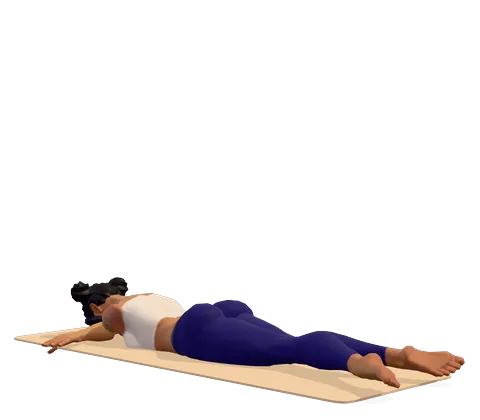 Crocodile PoseMakarasana
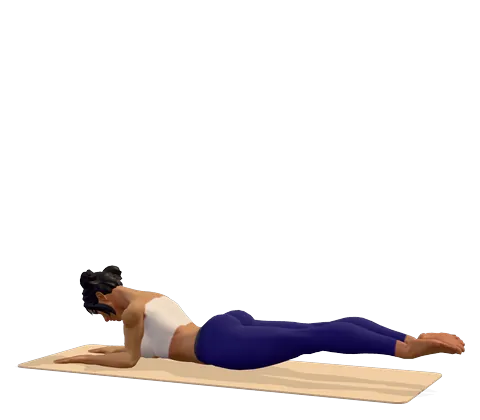 Sphinx PoseSalamba Bhujangasana
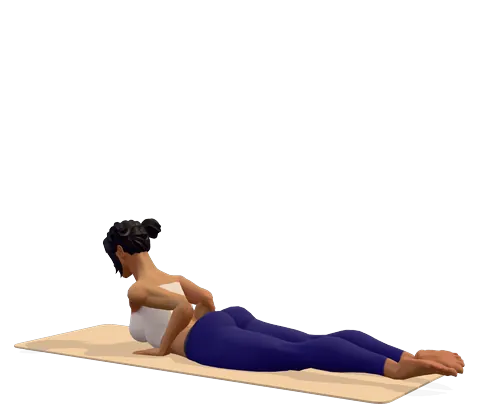 Cobra PoseBhujangasana
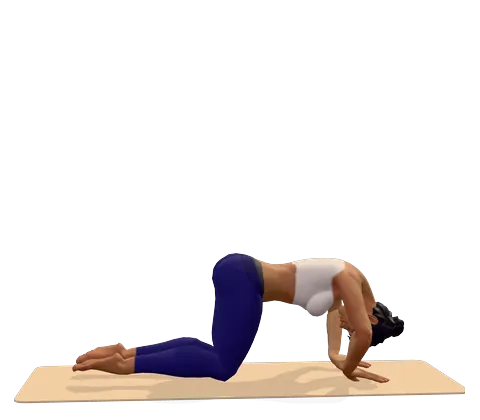 Cat PoseMarjaryasana
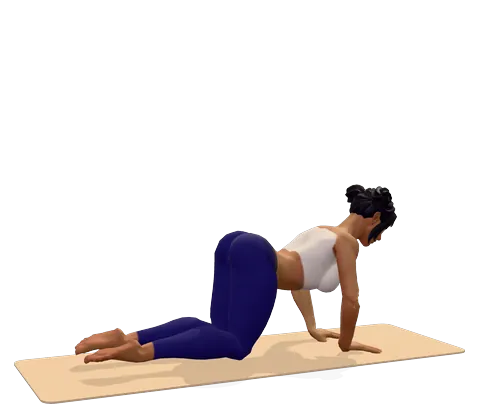 Cow PoseBitilasana
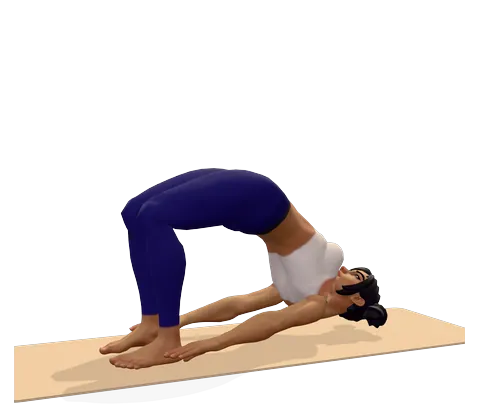 Bridge PoseSetu Bandhasana
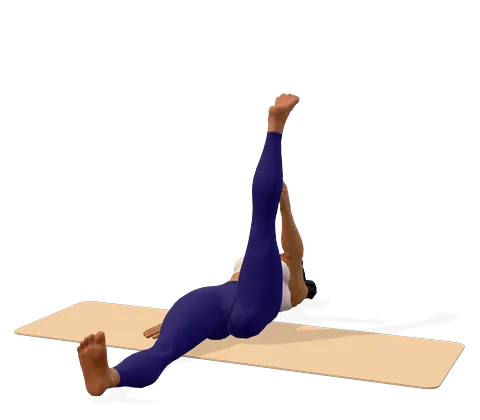 Reclining Hand-to-Big-Toe PoseSupta Padangusthasana
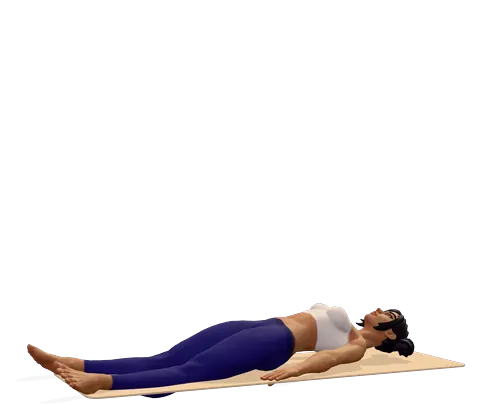 Corpse PoseSavasana
More poses that help with slip disc (herniated disc)
Add these once the session above feels easy, or swap one in when a pose does not suit you.
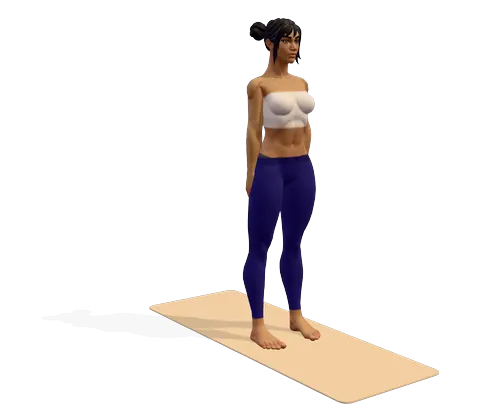 Mountain PoseTadasana
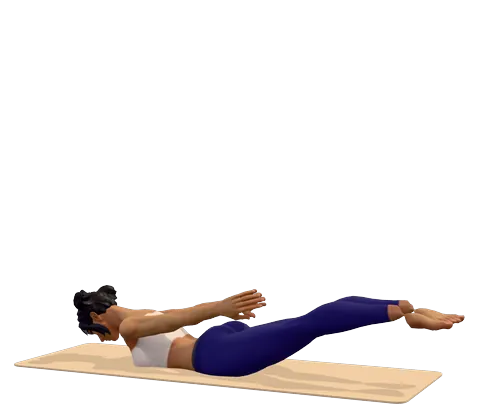 Locust PoseSalabhasana
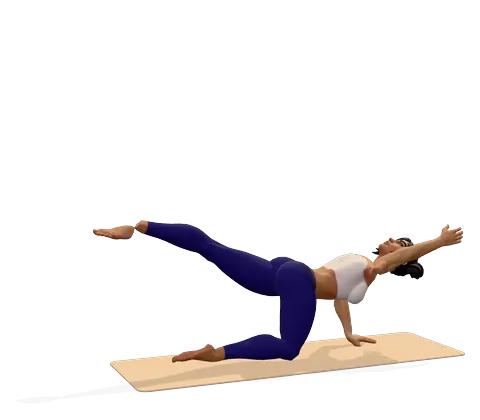 Tiger PoseVyaghrasana
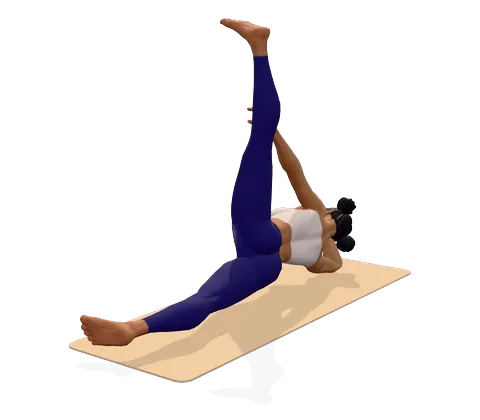 Side-Reclining Leg LiftAnantasana
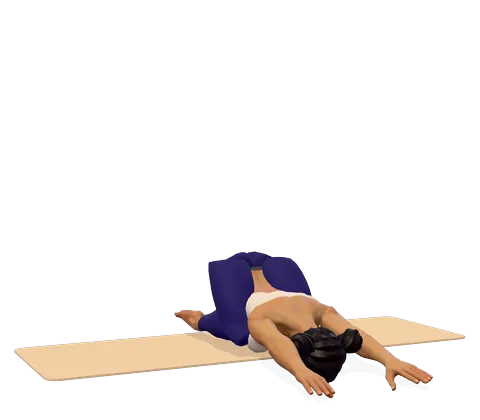 Child’s PoseBalasana
Mudras for slip disc (herniated disc)
Hold a mudra while you sit for the breathing practice or a few minutes of quiet. Mudras are a traditional practice; research on them is limited.
Breathing practice
Avoid
Forward folds with a rounded back, sit-ups, strong twists and heavy lifting. See a doctor at once for leg weakness, numbness in the groin or loss of bladder or bowel control.
Emerging evidence: Small or early trials look promising.
Yoga for slip disc pain is about calm, careful movement, not deep stretching. A slipped (herniated or bulging) disc in the lower back often settles over weeks with the right mix of gentle activity, supported backbends, core control and rest. This page explains how the plan above works, which poses to avoid, how to sit and sleep, and which warning signs mean you need a doctor today. Yoga supports medical care; it does not replace it.
Go to emergency care at once if you have numbness around the groin or buttocks, new trouble passing urine or controlling your bowels, or weakness in a leg or foot that is getting worse. These can be signs of cauda equina syndrome, which needs urgent treatment. Also see a doctor for back pain with fever, unexplained weight loss, or pain that is worse at night.
What is a slip disc, and why does it hurt?
Between the bones of your spine sit soft, rubbery discs. With age, strain or a sudden lift, the tough outer ring of a disc can weaken, and the soft centre can bulge or push out. Doctors call this a bulging disc, a herniated disc or a prolapsed disc; "slip disc" is the everyday name. The disc does not really slide out of place.
Most lumbar herniations happen at L4 L5 or L5 S1, the two lowest levels. A bulge there can press on a nerve root and send pain, tingling or numbness into the buttock and leg (sciatica). Neck discs (cervical) can cause pain down the arm. Many disc bulges shrink on their own, and most people improve without surgery within weeks to a few months.
Can you practice yoga with a herniated disc, and can yoga help?
Yes, in most cases, if you pick the right poses and let pain guide you. The NHS lists gentle exercise such as walking, swimming and yoga among the things that help a slipped disc recover. Yoga is not a quick fix: it works slowly, alongside pain relief and, where needed, physiotherapy.
So can yoga help a herniated disc in the lower back? The research is still early, which is why the evidence level here is "emerging". A 2025 meta-analysis of 8 randomised trials found that exercise therapy reduced pain and disability in lumbar disc herniation, and one included trial used a stretch-and-strength yoga programme that eased pain. Studies are small, so treat yoga as one useful tool, not a proven cure.
Can yoga cure slip disc? No. Yoga cannot push a disc back in. What it can do is reduce muscle guarding, keep you moving while the disc heals, strengthen the muscles that support the spine and calm the stress that makes pain feel bigger.
Yoga poses for herniated disc: why each one is in the plan
The session above leans towards gentle back extension and neutral-spine work, because many (not all) people with a lumbar disc bulge feel better arching softly than rounding forward. Move slowly and watch your leg symptoms: if pain moves up out of the leg towards the back ("centralises"), that is usually a good sign; if it spreads further down the leg, back off.
Crocodile, Sphinx and Cobra: gentle extension
Crocodile pose is a resting position on your front with your forehead on your hands. Stay here for a few minutes and breathe into your lower back. If it is comfortable, move to Sphinx pose, propped on your forearms, which adds a small, supported arch. Only if Sphinx feels good, try a low Cobra with your elbows bent and hips heavy.
Cat and Cow: small, pain-free movement
Cat and Cow move the spine through a small range on your hands and knees. With a disc problem, keep the rounding (Cat) small and spend a little more time in the gentle arch (Cow).
Bridge: support without strain
Bridge pose strengthens the buttock and back muscles that take load off the discs. Lift your hips only as high as feels easy, keep your knees hip-width apart and lower slowly, one part of the spine at a time.
Reclining hand-to-big-toe with a strap
Lying on your back with one foot in a strap keeps the lower back supported while you gently stretch the back of the leg. If this pulls on the nerve and sends tingling down the leg, bend the knee more or skip it for now. With nerve pain, less is more.
Savasana: rest that calms pain
End lying on your back with a rolled blanket under your knees. This position takes pressure off the lower back, and slow breathing here helps muscles let go.
Yoga poses to avoid with a herniated disc
These slipped disc exercises to avoid put the most pressure on a bulging disc, especially in the first weeks:
- Forward folds with a rounded back: standing or seated forward bends, and touching your toes with straight legs.
- Sit-ups, crunches and boat pose. These press the discs from the front.
- Strong twists, especially seated twists pulled with the arms.
- Plough, shoulder stand and headstand, which load the neck and upper back.
- Jumping, fast flows and heavy lifting.
Also skip any pose that makes leg numbness, tingling or weakness worse. That is a sign the nerve is being pressed harder.
Yoga for L4 L5 and L5 S1 disc bulge
People often ask for special yoga for slip disc L4 L5 or yoga for herniated disc L5 S1. In practice, the approach is the same for both lower levels: gentle extension if it helps, neutral-spine strengthening, and no loaded rounding. The level mainly changes where you feel symptoms: an L4 L5 problem often affects the shin and top of the foot, while an L5 S1 problem often affects the calf, sole and outer foot.
If you want to know how to heal L4 L5 disc bulge pain, think in phases. In the first days, rest only as much as you need, walk little and often, and use Crocodile and Sphinx. Over the next weeks, add Cat–Cow, Bridge and the strap stretch. Later, when pain is low, build strength with Locust and Side-Reclining Leg Lift from the extra poses list, and practise Mountain pose as standing yoga for slip disc posture.
Yoga for herniated disc in the neck
A cervical disc bulge needs a slightly different focus. Avoid headstand, shoulder stand, plough and fast neck circles. Gentle chin tucks, shoulder blade squeezes and supported poses like Crocodile are usually fine. Our yoga for neck pain page has a neck-friendly session. See a doctor first if you have arm weakness or a clumsy hand.
Yoga for slip disc and sciatica
Most sciatica comes from a lumbar disc pressing on a nerve root. The same rules apply: favour positions that ease leg pain, avoid long hamstring stretches in the acute phase, and never "stretch through" nerve pain. For more on this, read yoga for sciatica and the wider yoga for back pain guide.
Breathing for slipped disc pain relief
Pain makes breathing short and tight, and tight breathing keeps the back muscles on guard. After the poses, sit or lie comfortably and practise Nadi Shodhana or box breathing for three to five minutes. Keep the breath smooth and never hold it with strain.
How to sit and sleep with a slipped disc
How to sit with a slipped disc
- Sit with a small cushion or rolled towel behind your lower back so it keeps a gentle curve.
- Keep your hips level with or a little higher than your knees.
- Get up every 20 to 30 minutes and walk for a minute. Short walks are one of the best home remedies for slip disc pain.
How to sleep with a slipped disc
Lie on your side with a pillow between your knees, or on your back with a pillow under your knees. Some people find lying on the front with a thin pillow under the belly comfortable. Roll to your side and push up with your arms to get out of bed.
How to treat a slip disc: where yoga fits
Standard care for a slipped disc treatment at home includes staying gently active, regular pain relief as advised by a pharmacist or doctor, heat or ice, and a gradual return to normal activity. If pain does not improve after a few weeks, physical therapy for a slipped disc is the usual next step; a physio can give you back exercises for a slipped disc matched to your nerve symptoms, and this is also the standard bulging disc L4 L5 treatment. Injections or surgery are for a smaller group with severe or lasting nerve symptoms.
Gentle exercises for a slipped disc, including yoga for slipped disc back pain, fit alongside all of this. Show this page to your doctor or physio, and ask which poses suit your scan and symptoms. Walking is also physical therapy for slip disc recovery: start with short, flat walks and build up.
Slip disc recovery time: it usually improves slowly over several weeks, and many people feel clearly better within about 6 weeks, though some take a few months. Practise the session above for 10 to 15 minutes most days, and aim for steady progress rather than big stretches.
Is yoga good for degenerative disc disease?
Degenerative disc disease is the normal drying and thinning of discs with age, and it often shows on scans of people with no pain at all. Gentle yoga for degenerative disc disease can help you stay mobile and strong. The same cautions apply: avoid loaded forward bending and forced twists, and keep movements slow.
स्लिप डिस्क के लिए योग — हिंदी में स्लिप डिस्क में धीरे-धीरे मकरासन, सलंब भुजंगासन (स्फिंक्स), कैट-काउ और सेतुबंधासन करें। आगे झुकने वाले आसन, सिट-अप और ज़ोर से मोड़ना (ट्विस्ट) न करें। अगर पैर में सुन्नपन, कमज़ोरी या पेशाब पर नियंत्रण में दिक्कत हो तो तुरंत डॉक्टर को दिखाएँ। दवा और फिजियोथेरेपी के साथ योग करें, उनकी जगह नहीं।
Practise with the 3D guide
Start the session at the top of this page: the 3D teacher shows every pose, you can rotate her to see the spine from the side, and the voice guides you in 28 languages. Choose the "shorter" hold time in the first weeks. If you are new to yoga, read yoga for beginners, and log your sessions in your practice tracker so you can see what helps.
Research behind this plan
- Du 2025, Frontiers in Medicine — meta-analysis of 8 RCTs: exercise therapy, including one yoga programme, reduced pain and disability in lumbar disc herniation
- NHS — Slipped disc: gentle exercise such as walking, swimming or yoga, recovery time and emergency symptoms
- NCCIH (US National Institutes of Health) — Yoga: What You Need To Know, including safety
Frequently asked questions
Is yoga good for a slipped disc?
Gentle yoga can help many people with a slipped or bulging disc by keeping them active, easing muscle guarding and strengthening the back. Choose supported extension and neutral-spine poses, avoid rounded forward folds, and ask your doctor or physiotherapist first.
Which yoga poses should I avoid with a herniated disc?
Avoid forward folds with a rounded back, sit-ups, boat pose, strong twists, plough, shoulder stand and headstand, and anything that makes leg numbness or weakness worse. Heavy lifting and jumping should also wait.
Can yoga cure a slip disc?
No. Yoga cannot put a disc back in place. Many disc bulges settle on their own over weeks to months, and gentle yoga can support that recovery by keeping you moving and reducing pain.
What is the best exercise for a slipped disc?
Walking little and often is the simplest and safest start. After that, gentle extension (Crocodile, Sphinx), Bridge and core control usually help. A physiotherapist can match exercises to your disc level and symptoms.
Is yoga good for bulging discs at L4 L5?
It can be, with care. The same rules apply for L4 L5 and L5 S1: favour positions that ease leg pain, avoid loaded rounding, and stop any pose that sends pain further down the leg.
How long does a slipped disc take to heal?
It usually improves slowly over several weeks; many people feel much better within about 6 weeks, though some take a few months. See your doctor if pain is not improving after a few weeks or if symptoms get worse.
How can I cure a slip disc naturally?
There is no guaranteed natural cure, but most discs improve with time. Stay gently active, walk often, use pain relief as advised, sit with lower back support, and add gentle yoga or physiotherapy exercises.
When is a slipped disc an emergency?
Seek urgent care for numbness around the groin or buttocks, loss of bladder or bowel control, or leg weakness that is getting worse. These can mean serious nerve compression.
Medical note: yoga supports treatment; it does not replace it. Keep taking prescribed medicine and talk to your doctor before you start, especially with heart disease, uncontrolled blood pressure, recent surgery, pregnancy, epilepsy or severe pain. Read our medical disclaimer.