How to do sleep meditation
- Get ready for bed, dim the lights and put your phone on silent.
- Lie on your back or in your favourite sleeping position.
- Breathe slowly, making each out-breath longer than the in-breath.
- Relax the body part by part, from the feet up to the face.
- Picture a calm, dark, peaceful scene, or count slow breaths backward.
- If you are still awake at the end, simply keep breathing slowly and let sleep come.
Benefits
- Mindfulness and relaxation practices have been shown in studies to improve sleep quality for many people
- Slow breathing with long exhales can help the body shift into rest
- Gives a busy mind something calm to follow at bedtime
- A healthy habit to pair with a regular sleep routine
Be careful
Meditation can support sleep but is not a treatment for sleep disorders. If you snore loudly, stop breathing at night, or have trouble sleeping for weeks, see a doctor.
Sleep meditation is a guided practice you do lying in bed to help the body and mind let go of the day. Slow breathing, a gentle body scan and soft imagery give a busy mind something calm to follow, so that sleep can arrive on its own. The 20-minute session on this page does not wake you at the end; the voice simply grows quiet and leaves you resting.
What is sleep meditation?
Most meditation trains you to stay awake and alert. Sleep meditation does the opposite on purpose: it uses the same tools, attention on breath and body, to guide you out of alertness. It borrows heavily from yoga's relaxation practices, especially the body rotation and imagery of Yoga Nidra, and from the body scan used in mindfulness courses.
Is sleep a form of meditation?
No, though the two can meet. Patanjali's Yoga Sutras actually list sleep (nidra) as one of the five kinds of mental activity, something the meditator learns to observe rather than a meditative state itself. Yoga Nidra, "yogic sleep", aims to rest in the space between waking and sleeping with a thread of awareness. A sleep meditation for bedtime lets go of even that thread: if you drift off halfway, it has done its job.
How meditation for sleep works
Two things usually keep people awake: a body still switched on after the day, and a mind that keeps replaying or planning. The sleep meditation script on this page combines four sleep meditation techniques to work on both.
- Longer out-breaths. Breathing out more slowly than you breathe in is widely used to help the nervous system shift from "alert" to "rest", which is what people mean when they talk about a sleep meditation to regulate the nervous system.
- Sleep meditation body scan. Moving attention from the feet to the face lets you notice and release tension you did not know you were holding: a tight jaw, raised shoulders, clenched hands.
- Soft imagery. A starry sky and distant waves occupy the imagination with something calm, leaving less room for worry. See visualization meditation for more on this.
- Counting backward. Counting slow breaths down from ten is dull enough to be relaxing and just demanding enough to crowd out thoughts.
A calm bedtime routine around your sleep meditation
Meditation works best as the last step of a wind-down, not a switch you flip in a busy evening. Try this sequence for two weeks.
- One hour before bed: dim the lights, finish screens and work, and keep the room cool and dark.
- 30 minutes before: five to ten minutes of gentle poses such as Child's Pose, Legs-Up-the-Wall and Reclining Bound Angle. The Bedtime Yoga for Sleep session in guided practice links them for you.
- 10 minutes before: a few rounds of 4-7-8 breathing or Bhramari, the humming bee breath. Some people also rest the hands in Shakti Mudra, a gesture traditionally used before sleep.
- In bed: start the guided sleep meditation, turn the phone face down, and lower the volume until the voice is only just clear.
How long and how often
Use it every night for at least two weeks; your body learns that the voice means sleep. A daily sleep meditation of 20 minutes is ideal, but on late nights a sleep meditation of 10 minutes, or even 5 minutes of slow breathing, is better than nothing. The time you practise matters less than doing it at the same time each night.
If you wake in the night
To get back to sleep, do not reach for the screen straight away. Lie still, lengthen the out-breath, and count breaths backward from ten. If you have been awake for about 20 minutes and feel frustrated, sleep specialists advise getting up, sitting somewhere dim and quiet, and returning to bed only when sleepy. Replaying the sleep meditation at a very low volume can also help you get back to sleep.
Sleep meditation for anxiety and overthinking
If worry keeps you awake, the problem is often that bedtime is the first quiet moment of the day. A few changes help:
- Worry earlier. Spend ten minutes in the early evening writing down worries and one next step for each. Then, in bed, you can tell yourself: "It is on paper; I will deal with it tomorrow."
- Anchor in the body, not the breath. For some anxious people, watching the breath makes it feel strange. Feel the weight of your body on the mattress instead.
- Do not fight thoughts. Let them pass like clouds, as the voice suggests. Fighting a thought wakes you up.
Guided sleep meditation for anxiety is a support, not treatment for an anxiety disorder. Gentle movement helps too; see yoga for anxiety.
Does sleep meditation work? What research says
For many people, yes, as part of good sleep habits. A 2015 randomised trial in JAMA Internal Medicine found that older adults with moderate sleep problems who learned mindfulness meditation slept better than those given standard sleep-hygiene education. Other studies of mindfulness and relaxation practices point the same way, with improvements in sleep quality that are helpful rather than dramatic.
Does meditation help with insomnia on its own? For chronic insomnia, doctors recommend cognitive behavioural therapy for insomnia (CBT-I) as the first treatment. Relaxation techniques are one part of CBT-I, so meditation for insomnia fits well alongside it, but it is not a replacement. So can you counter your insomnia with meditation? It can help, but to manage insomnia that lasts for months, start with a doctor. You can read more on yoga for sleep and insomnia.
The benefits of sleep meditation people most often report, when they meditate before bed, are falling asleep sooner, waking less tense, and feeling less anxious about bedtime itself. No recording can switch on deep sleep directly, and claims of special deep sleep meditation benefits, such as boosting deep-sleep stages, are not well tested; a recording like this helps by relaxing you enough for your own sleep cycles to take over.
Common mistakes
- Trying hard to sleep. No sleep meditation can make you fall asleep fast on command. Aim to rest; sleep is a side effect.
- Checking the clock. Turn it away. Counting hours awake raises alertness.
- A bright screen. Start the session, then turn the phone face down.
- Only using it on bad nights. The routine works best when it is a nightly habit.
- Loud audio or earbuds all night. Keep the volume low and use a speaker if earbuds are uncomfortable when lying on your side.
Bedtime meditation for kids and teens
A guided sleep meditation for kids works best as a short story: five minutes of a slow, sleepy journey. Sleep meditation for children can also be a soft toy on the belly, rising and falling with the breath. Bedtime meditation for teens can be the full session; teenagers' body clocks run late, so a regular wind-down without phones matters even more.
Meditation supports sleep but does not treat sleep disorders. See a doctor if you snore loudly, stop breathing or gasp at night, feel very sleepy in the day, or have had trouble sleeping for more than a few weeks. Do not stop prescribed sleep medicine without medical advice, and never play a sleep meditation while driving. Loud snoring and breathing pauses need checking; see snoring and sleep apnea.
Sleep meditation in Hindi (neend ke liye meditation, achi neend ke liye kya kare): अच्छी नींद के लिए ध्यान सोने से एक घंटा पहले रोशनी कम करें और फ़ोन दूर रखें। बिस्तर पर लेटकर धीमी साँस लें, और साँस छोड़ना साँस लेने से थोड़ा लंबा रखें। पैरों से चेहरे तक शरीर के हर हिस्से को ढीला छोड़ें। फिर किसी शांत दृश्य की कल्पना करें या दस से उल्टी गिनती गिनें। अच्छी नींद के लिए क्या करें? रोज़ एक ही समय पर सोएँ और यह ध्यान हर रात दोहराएँ।
For a longer, deeper relaxation, try the body scan meditation or browse the meditation guide.
Frequently asked questions
What is sleep meditation?
It is a guided relaxation you do in bed, combining slow breathing, a body scan and calm imagery to help you let go of the day and fall asleep. Unlike most meditation, it is fine, even the aim, to fall asleep during it.
Does meditation help with insomnia?
Studies suggest mindfulness and relaxation practices can improve sleep quality for many people. For long-term insomnia, the recommended first treatment is cognitive behavioural therapy for insomnia (CBT-I); meditation works well alongside it but does not replace it. See a doctor if poor sleep lasts for weeks.
How do I meditate for sleep?
Lie in bed, dim the lights and put your phone on silent. Breathe slowly, making each out-breath longer than the in-breath. Relax your body part by part from the feet to the face, then picture a calm scene or count slow breaths backward. The 20-minute guided voice above leads you through each step.
Is sleep meditation good or bad for you?
For most people it is safe and helpful. If it makes you more anxious, switch to feeling your body on the bed instead of watching your breath, or try gentle bedtime yoga. It should not be used to put off seeing a doctor about snoring, breathing pauses or long-lasting insomnia.
Is it OK to fall asleep during sleep meditation?
Yes. That is the goal. The guided session on this page simply goes quiet at the end, so it will not wake you.
What is the best sleep meditation for beginners?
A simple guided sleep meditation for beginners combines slow breathing, a body scan and soft imagery, done at the same time every night. Consistency matters more than which recording you use.
Can sleep meditation help with anxiety at night?
Many people find it calms night-time worry, especially with a longer out-breath and attention on the body rather than on thoughts. Writing down worries earlier in the evening also helps. It is a support, not a treatment for an anxiety disorder.
More guided meditations
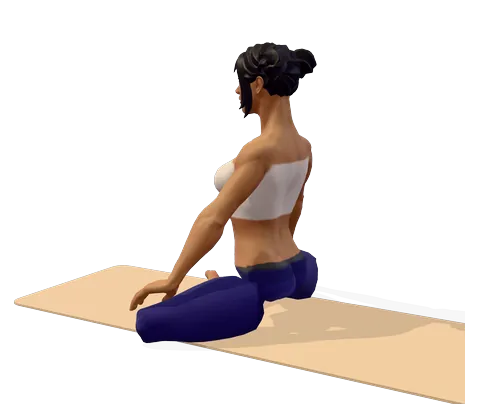 Breath Awareness MeditationRest your attention on the natural breath and gently return to it each time the mind wanders.
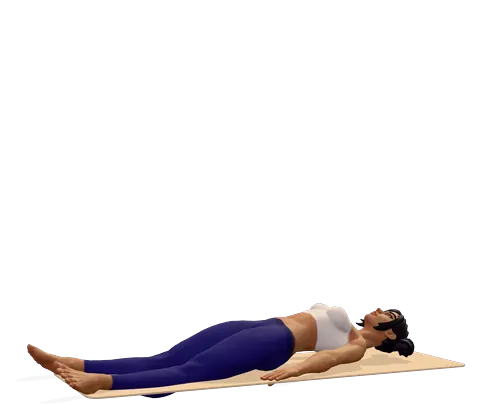 Body Scan MeditationMove your attention slowly through the body from the toes to the head, noticing sensations without trying to change them.Loving-Kindness MeditationSilently repeat warm wishes for yourself, then widen them step by step to others and to all beings.So Hum Mantra MeditationSilently hear the sound "So" as you breathe in and "Hum" as you breathe out, linking a mantra to the natural breath.OM Chanting MeditationChant OM aloud in slow, long breaths, then sit in the silence that follows the sound.Trataka Candle MeditationGaze steadily at a candle flame, then close your eyes and hold the after-image in your mind. See our full Trataka guide for more detail.
Meditation supports health; it does not replace medical or psychological care. If meditation brings up distressing memories or feelings, stop, open your eyes and ground yourself; talk to a professional if it keeps happening. Medical disclaimer.