How to do breath awareness meditation
- Sit comfortably on a cushion or chair with your spine upright and your shoulders relaxed.
- Close your eyes or lower your gaze, and let the breath move naturally through the nose.
- Choose one place to feel the breath: the nostrils, the chest or the belly.
- Notice each breath as it comes in and goes out, without changing it.
- When the mind wanders, notice where it went, and kindly return to the breath.
- Continue for ten minutes. Finish by feeling your whole body and opening your eyes.
Benefits
- Studies of breath-focused mindfulness show reduced stress and anxiety for many people
- Builds the skill of noticing when attention wanders, the core of most meditation
- Can slow breathing and help the body shift toward rest
- Easy to learn and can be done anywhere
Be careful
If focusing on the breath makes you anxious or breathless, open your eyes and rest your attention on your hands or feet instead.
Breath awareness meditation is the oldest and simplest way to train attention: you sit, you feel the breath, and you notice when the mind has wandered away from it. Because the breath is always with you, this is the practice most teachers give first, and many people keep it for life.
The guided player above reads a gentle breath awareness meditation script and handles the timing for you. This page explains where the practice comes from, how to observe the breath in meditation without controlling it, how to build a daily routine, what research says, and the mistakes that make beginners give up too early.
What is breath awareness meditation?
In breath awareness meditation, the breath is an anchor. You rest your attention on one clear sensation of breathing, such as the cool air at the nostrils or the rise of the belly, and you return to it whenever you notice you have drifted into thought. The skill you build is not "an empty mind" but the moment of noticing and coming back.
It is different from pranayama. In pranayama you shape the breath with counts, ratios or holds. In breath awareness you leave the breath alone and only watch it. The breath often slows down on its own once it is observed, but that is a side effect, not a goal.
What is anapana meditation? The meaning of anapanasati
The Pali word anapana joins ana (breathing in) and apana (breathing out). Sati means mindfulness, so anapanasati means "mindfulness of breathing in and out". The Buddha's teaching on it is recorded in the Anapanasati Sutta, which lays out 16 steps in four groups of four: awareness of the body, of feelings, of the mind, and of how things change. Anapanasati meditation begins exactly where you begin here: knowing a long breath as long, a short breath as short, and feeling the whole body as you breathe.
Yoga has its own version of the same idea. Patanjali's Yoga Sutras describe dharana (holding attention on one point) as a step toward dhyana (meditation), and the breath is one of the most common points. You do not need to follow any religion to practise; the method is simply attention training.
Vipassana vs breath awareness
In the vipassana tradition taught by S. N. Goenka, students first practise anapana meditation for several days to steady the mind, then move on to vipassana, which observes sensations throughout the body. So anapana is the concentration step, and vipassana is the insight step that follows. If you want to explore the second step at home, try our vipassana-style noting meditation or the body scan meditation, which builds breath and body awareness together.
How to observe breath in meditation (and how to breathe while meditating)
The most common question from beginners is "how should I breathe during meditation?" The honest answer is: however you are already breathing. Breathe through the nose if that is comfortable, keep the mouth closed and the jaw soft, and let the belly move freely. Then choose one of these three places to watch:
- The nostrils. Feel the air touching the rim of the nostrils or the skin above the upper lip. This is the classic anapana point.
- The chest. Feel the ribs widen and settle. Some people find this area warmer and easier to feel.
- The belly. Feel the belly rise and fall. This is the most calming choice and is good if you feel anxious.
Pick one place and stay with it for the whole sitting. If you struggle to feel anything, rest one hand on the belly for the first few minutes.
How to focus on my breathing when the mind keeps wandering
Wandering is not a mistake; it is the gym equipment. Three mindful breathing techniques help beginners:
- Counting. Silently count each out-breath from one to ten, then start again. If you lose count, go back to one without any fuss.
- Noting. Say "in" and "out" softly in your mind, as the guided voice suggests near the middle of the session.
- Naming the distraction. When you notice you are planning, say "planning" once, then return.
A daily breath awareness practice: how long and how often
Short and regular beats long and rare. A realistic plan for breath awareness meditation for beginners:
| Stage | Length | How often | What to add |
|---|---|---|---|
| Week 1–2 | 5 minutes | Daily | Start with a five-minute meditation; count breaths |
| Week 3–6 | 10 minutes | Daily | Use the guided 10-minute session above; drop the counting when you can |
| Month 2+ | 15–20 minutes | Daily or twice daily | Sit in silence with the meditation timer and its bells |
| Retreat style | 30 minutes or more | Occasionally | Anapana meditation 30 minutes or longer, best after some experience |
Morning: sit after you wash your face and before you check your phone. A 10-minute anapana meditation at this time sets a steady tone for the day. Evening: a gentle breathing meditation for sleep works best lying down, with attention on the belly; if you fall asleep, that is fine. During the day: try the "three-minute breathing space" used in mindfulness courses: one minute noticing what is here, one minute on the breath, one minute widening to the whole body.
A comfortable seat matters more than a perfect one. Sukhasana (easy pose) on a folded blanket suits most people; a chair with both feet on the floor is just as good. Resting the hands in chin mudra is traditional but optional. Your sessions are saved in My practice on this device, so you can see your streak grow.
Breathing meditation for beginners: common mistakes
- Controlling the breath. Watching often turns into managing. If the breath feels stiff, let it go for a few breaths and simply feel the body instead.
- Judging each sitting. A session full of wandering, with many returns, is a good session.
- Sitting too long too soon. Forty minutes on day one usually leads to sore knees and quitting. Build up slowly.
- Slumping or straining. Sit upright but not rigid. A cushion under the hips helps the spine stay tall without effort.
- Waiting for a special state. Calm, lights or bliss are not the target. Ordinary, clear attention is.
Breath awareness meditation benefits: what research says
Most studies look at mindfulness programmes such as Mindfulness-Based Stress Reduction (MBSR) and Mindfulness-Based Cognitive Therapy (MBCT), in which a mindfulness of breathing meditation is the core exercise. A large review published in JAMA Internal Medicine in 2014 found moderate evidence that mindfulness meditation programmes improve anxiety, depression and pain. Trials of MBCT show it can lower the risk of depression coming back in people who have had several episodes. These are the best-established benefits of meditation; they come from regular practice over weeks, not from a single sitting.
Research on slow breathing also suggests that a slower, longer out-breath tends to shift the nervous system toward rest. That is why breathing meditation for anxiety often feels calming quickly. For blood pressure, an American Heart Association statement concluded that meditation may be a reasonable addition to standard care, though the evidence is modest. So a breathing meditation for BP can support, but never replace, the medicine and advice your doctor gives. Read more on yoga for anxiety and yoga for high blood pressure.
Meditation is not a treatment for panic disorder, trauma or severe depression. For some people, close attention to the breath can raise anxiety at first. If that happens, open your eyes and rest your attention on your hands or feet, and talk to a mental health professional if distress continues.
Other breathing techniques for meditation compared
People often mix up breath awareness with active breathwork. Here is how they differ:
- Box breathing guided meditation uses equal counts in, hold, out, hold. It is structured and good for focus; see box breathing (sama vritti).
- 4-7-8 meditation breathing uses a long hold and a longer out-breath, often used before sleep; see 4-7-8 breathing.
- Deep belly breathing teaches the diaphragm to move fully; see diaphragmatic breathing. It is a good warm-up before you sit.
- Breath of fire and other breathwork meditation uses fast, forceful breathing. It is stimulating and not suitable for everyone. Breath awareness is the opposite: no effort at all.
- Open awareness meditation lets go of any single anchor and notices whatever arises. It is the natural next step once breath awareness feels steady; the last minutes of the guided session touch on it, and mindfulness meditation goes further.
Mindful breathing for kids
Children can enjoy a short mindful breathing exercise if it is playful and brief: one minute per year of age is a sensible upper limit. Ask them to lie down with a soft toy on the belly and watch it rise and fall, or to "smell the flower, blow out the candle" with slow breaths. Keep eyes open if they prefer, and never insist. A short breathing meditation for kids before bed can become a calm ritual. For a full family routine, see the Yoga for Kids session on the guided sessions page.
आनापान ध्यान (Anapana meditation) — हिंदी में आनापान का अर्थ है आती-जाती साँस को देखना। आराम से सीधे बैठें, आँखें बंद करें और नाक के पास साँस के स्पर्श को महसूस करें। साँस को बदलें नहीं, केवल देखें। जब मन भटके, तो बिना नाराज़ हुए फिर से साँस पर ध्यान लाएँ। रोज़ 10 मिनट का अभ्यास तनाव कम करने और एकाग्रता बढ़ाने में मदद कर सकता है।
Frequently asked questions
What is breath awareness meditation?
It is a meditation in which you rest your attention on the natural breath, at the nostrils, chest or belly, and gently return to it each time the mind wanders. You watch the breath without changing it.
Is anapana meditation the same as breath awareness?
Yes, in practice. Anapana (anapanasati) is the Pali name for mindfulness of breathing in and out. It is the first stage of Buddhist insight meditation and appears, in a similar form, in yoga as dharana on the breath.
How long should a beginner do breathing meditation?
Start with five minutes a day for two weeks, then move to breathing meditation 10 minutes daily. Build to 15 or 20 minutes when ten feels easy. Regular short sittings matter more than occasional long ones.
How should I breathe when meditating?
Breathe naturally through the nose, with a soft belly and relaxed jaw. Do not try to make the breath deep or slow. If you want a calmer breath, do a minute of belly breathing first, then let the breath go back to normal before you start watching.
What are the 16 steps of anapanasati?
The Anapanasati Sutta groups 16 steps into four sets: the body (knowing long and short breaths, feeling the whole body, calming the body), feelings (such as joy and ease), the mind (knowing, steadying and freeing it), and insight (seeing change and letting go). Beginners work mainly with the first set.
Can breathing meditation help with anxiety or sleep?
Studies of mindfulness programmes built around the breath show reduced anxiety for many people, and a long, slow out-breath tends to calm the body before sleep. If watching the breath makes you more anxious, switch your attention to your hands or feet, or try the body scan.
Is it normal to feel short of breath while watching my breath?
It is common at first, because attention makes you want to control the breath. Open your eyes, take a few ordinary breaths and move attention to a neutral spot like your hands. Let it settle before returning. Stop and seek medical advice if breathlessness happens outside meditation too.
More guided meditations
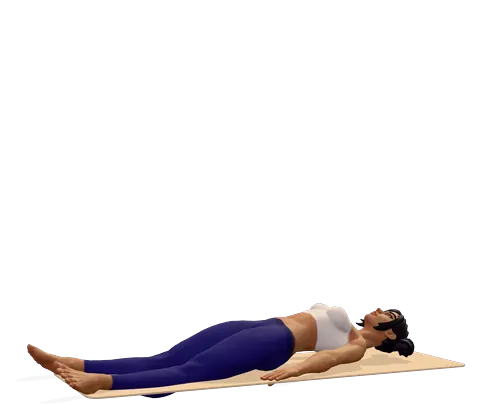 Body Scan MeditationMove your attention slowly through the body from the toes to the head, noticing sensations without trying to change them.
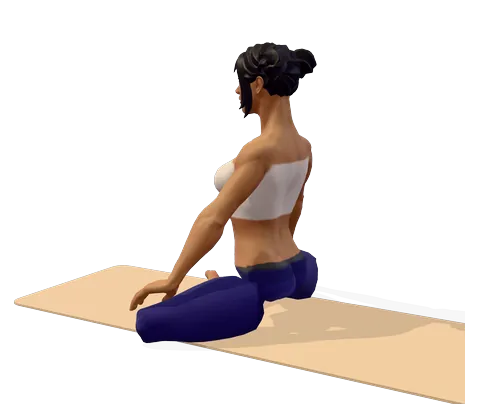 Loving-Kindness MeditationSilently repeat warm wishes for yourself, then widen them step by step to others and to all beings.So Hum Mantra MeditationSilently hear the sound "So" as you breathe in and "Hum" as you breathe out, linking a mantra to the natural breath.OM Chanting MeditationChant OM aloud in slow, long breaths, then sit in the silence that follows the sound.Trataka Candle MeditationGaze steadily at a candle flame, then close your eyes and hold the after-image in your mind. See our full Trataka guide for more detail.Chakra Meditation (All 7 Chakras)Move your attention up through the seven chakras from the base of the spine to the crown, using colour and the seed sounds.
Meditation supports health; it does not replace medical or psychological care. If meditation brings up distressing memories or feelings, stop, open your eyes and ground yourself; talk to a professional if it keeps happening. Medical disclaimer.