How to do loving-kindness meditation
- Sit comfortably, close your eyes and rest one hand on your heart if you like.
- Bring to mind someone you love easily, and silently wish them well with simple phrases.
- Turn the same phrases toward yourself: may I be safe, may I be happy, may I be healthy, may I live with ease.
- Offer them to a neutral person, someone you see but do not really know.
- If you feel ready, offer them to someone you find difficult.
- Finally, widen the wishes to all beings everywhere, and rest in that feeling.
Benefits
- Studies suggest it can increase positive emotions and feelings of social connection
- May reduce self-criticism when practised regularly
- Some research links it with lower stress and more compassion toward others
- The Yoga Sutras also recommend friendliness (maitri) as a way to calm the mind
Be careful
Some people find self-kindness hard at first, and strong feelings may come up. Start with someone easy to love, go gently, and seek support if old grief or hurt feels overwhelming.
Loving-kindness meditation trains the heart the way breath meditation trains attention. You sit quietly and repeat a few simple wishes, such as "may you be safe, may you be happy", first for someone you love, then for yourself, and then in wider and wider circles. You do not have to feel warm on command. The practice is in offering the wish, again and again, and noticing what happens.
The guided voice above follows a gentle loving kindness meditation script, with the heart center of the 3D teacher glowing softly. This page explains what metta bhavana means, how to choose your phrases, how to work with difficult people and a critical inner voice, and what research says about its benefits.
What is loving kindness meditation? Meaning and roots
Metta is a Pali word, and maitri is its Sanskrit form. Both come from the word for "friend", so the best translation is friendliness: a warm, uncomplicated wish for someone's wellbeing. Bhavana means cultivation or development, the way a gardener develops a plant. So metta bhavana is "the cultivation of friendliness". In Buddhism, the text most linked with loving kindness meditation is the Karaniya Metta Sutta, which describes a love as boundless as a mother's care for her only child, extended to all beings.
Metta is the first of four qualities that Buddhism calls the brahmaviharas: loving-kindness, compassion (karuna), joy in others' happiness (mudita) and equanimity (upekkha). Yoga names the same four. Patanjali's Yoga Sutras (1.33) advise friendliness toward the happy, compassion toward those who suffer, gladness toward the good and calm distance from harmful behaviour, saying that this keeps the mind clear and peaceful. So maitri bhavana is not only a Buddhist practice; it sits at the heart of classical yoga philosophy too. In the chakra system it is linked with Anahata, the heart chakra, which is why our 3D guide lights up the chest.
Christian loving kindness meditation and other faith-based versions exist, often using a prayer instead of phrases. The method works the same way, and you do not need any belief at all to practise.
Loving kindness meditation vs mindfulness
Mindfulness asks you to notice experience as it is, without adding anything. Loving-kindness adds something on purpose: an intention of goodwill. The two support each other. Mindfulness shows you when you are being harsh; metta gives you a kinder alternative. In Buddhism the two have always been taught together. Many people like to sit for a few minutes of breath awareness first, so the mind is settled, then move into the metta phrases.
Loving kindness meditation phrases and words
The classic phrases are short and plain. The most common set, used in the guided session, is:
- May you be safe.
- May you be happy.
- May you be healthy.
- May you live with ease.
You can change the words so they feel honest to you. "May you be free from fear", "may you be peaceful" or "may you be kind to yourself" are all good metta meditation phrases. Keep them to three or four, keep them the same for weeks, and say them slowly, like dropping pebbles into a pond. Choosing wishes that fit a real need helps: someone who is ill may need "may you be at peace with your body" more than "may you be happy".
How to practice loving kindness meditation, circle by circle
The basic metta bhavana technique, and the core of all loving kindness meditation instructions, is to move through five kinds of people. The classical texts begin with yourself; many modern teachers, including our guided session, begin with a loved one because that warmth is easier to find and can then be turned inward.
| Circle | Who | Tip |
|---|---|---|
| 1. Benefactor or loved one | Someone who makes you smile easily, even a pet | Picture their face or hear their voice |
| 2. Yourself | You, now, or you as a child | A hand on the heart can help |
| 3. Neutral person | A shopkeeper, a neighbour, a bus driver | Remember they have their own worries and joys |
| 4. Difficult person | Someone who irritates you, not your worst enemy | Start small and stop if it feels forced |
| 5. All beings | Your home, town, country, the world | Let the wishes spread in every direction |
Loving kindness meditation for difficult people
This is the part people fear most. Wishing someone well does not mean agreeing with them, excusing harm, or letting them back into your life. It means recognising that they, too, want to be happy, and that their suffering often drives their harmful actions. Start with someone only slightly difficult, like a rude driver. Never begin with a person who seriously hurt you. If anger rises, return to yourself or your loved one for a few breaths; that is part of the practice, not a failure.
Self compassion meditation and the inner critic
Many people find it easier to love others than themselves. If "may I be happy" feels false, try "may I be kind to myself in this moment" or picture yourself as a small child. If you prefer an open, non-verbal style, mindfulness meditation pairs well with this. Kristin Neff, a researcher who draws on loving kindness meditation in her self-compassion work, describes three parts: kindness to yourself, remembering that everyone struggles, and noticing pain without exaggerating it. A short self compassion meditation script can be as simple as a hand on the heart and the words "this is hard; may I be gentle with myself". Used this way, loving-kindness works as a kindness meditation for the inner critic.
A metta meditation daily routine
- Morning (10–12 minutes): the full guided session, seated in easy pose or on a chair. Setting a friendly tone early changes how you meet people all day.
- During the day (1 minute): silently wish "may you be happy" to strangers you pass. This short loving kindness meditation turns waiting in queues into practice.
- Evening (5 minutes): a loving kindness meditation for sleep, lying down, offering wishes to everyone you met that day. Pair it with the gratitude meditation, or follow it with the sleep meditation.
Most people notice a change after two to four weeks of near-daily practice. For silent sessions, set the meditation timer and repeat the phrases on your own. Placing the palms together in anjali mudra at the end is a traditional way to close.
Loving kindness meditation for beginners: common mistakes
- Forcing a feeling. The goal is the intention, not a warm glow. Dry, flat sessions still count.
- Racing through the words. Leave a breath or two between phrases so the meaning lands.
- Starting with the hardest person. Build strength with easy circles first.
- Judging yourself for resistance. Notice resistance kindly; that itself is metta.
Loving kindness meditation benefits: what research says
Loving-kindness has a growing body of research on its health benefits. A well-known 2008 study led by Barbara Fredrickson found that several weeks of loving-kindness practice increased people's daily positive emotions, which in turn were linked with more life satisfaction. Another 2008 study found that even a few minutes of loving-kindness increased feelings of social connection toward strangers. Reviews since then suggest it can increase positive emotions and self-compassion and may reduce self-criticism, though many studies are small.
Therapists use it too. Compassion-focused therapy is built around it, and loving-kindness is taught as a skill in some versions of dialectical behaviour therapy (DBT). Loving kindness meditation in DBT and similar therapies shows it has a practical place, but it works alongside professional care, not instead of it. See yoga for depression and yoga for anxiety.
Strong feelings such as grief, loneliness or old anger can come up. That is common and often passes. If they feel overwhelming, stop, open your eyes and feel your feet on the floor. A loving kindness meditation for grief is best practised gently, in short sessions, and with support from someone you trust or a counsellor.
Loving kindness meditation for kids and teens
Children often love this practice because it is simple and warm. Ask them to think of someone they love, a pet, a friend at school, and say "I wish you a happy day" together. Two or three minutes is enough; a loving kindness meditation script for kids should be short, concrete and fun. Teens may prefer to write their own phrases and practise before sleep or after a hard day at school. For young people, keep the difficult-person circle optional.
Frequently asked questions
What is metta meditation?
Metta meditation, or metta bhavana, is the Buddhist practice of cultivating friendliness by silently repeating good wishes for yourself and others. Metta means friendliness and bhavana means cultivation. In yoga the same quality is called maitri, and maitri meditation follows the same steps. See all our guided meditations for related practices.
What is the correct metta bhavana pronunciation?
Say "MET-tah BHAH-vah-nah". The "tt" is a doubled t, held a little longer, and the "bh" is a b sound with a small puff of breath.
What are the four loving-kindness phrases?
The most common are: may you be safe, may you be happy, may you be healthy, may you live with ease. You can change them to words that feel sincere to you, and use "I" or "all beings" instead of "you".
Does loving kindness meditation work?
Research suggests it can increase positive emotions, feelings of connection and self-compassion for many people, especially with regular practice over several weeks. Effects vary, and many studies are small, so treat it as a helpful skill rather than a cure.
What if I cannot feel any love during the practice?
That is very common. Keep offering the phrases as a sincere intention without waiting for a feeling. Warmth often grows slowly, sometimes days or weeks later, and it may show up first in daily life rather than on the cushion.
How long should a beginner practise metta?
Start with 5 to 10 minutes a day. A loving kindness meditation of 5 minutes before work is enough to begin; move to the full 12-minute guided session when you are ready.
Is loving-kindness meditation religious?
It comes from Buddhist and yogic traditions, but the method is simply repeating good wishes with attention. People of any faith or none practise it, and some use a prayer from their own tradition in place of the phrases.
More guided meditations
 Breath Awareness MeditationRest your attention on the natural breath and gently return to it each time the mind wanders.
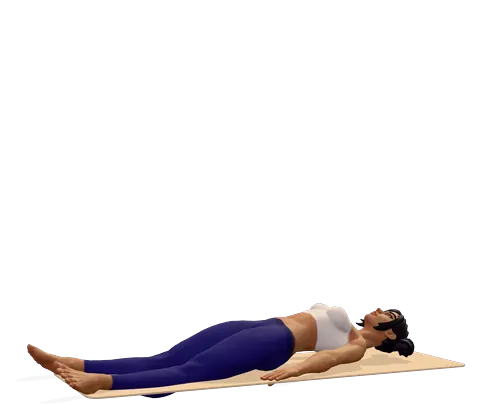 Body Scan MeditationMove your attention slowly through the body from the toes to the head, noticing sensations without trying to change them.So Hum Mantra MeditationSilently hear the sound "So" as you breathe in and "Hum" as you breathe out, linking a mantra to the natural breath.OM Chanting MeditationChant OM aloud in slow, long breaths, then sit in the silence that follows the sound.Trataka Candle MeditationGaze steadily at a candle flame, then close your eyes and hold the after-image in your mind. See our full Trataka guide for more detail.Chakra Meditation (All 7 Chakras)Move your attention up through the seven chakras from the base of the spine to the crown, using colour and the seed sounds.
Meditation supports health; it does not replace medical or psychological care. If meditation brings up distressing memories or feelings, stop, open your eyes and ground yourself; talk to a professional if it keeps happening. Medical disclaimer.