How to do so hum mantra meditation
- Sit comfortably with your spine upright and close your eyes.
- Let the breath become natural and quiet through the nose.
- As you breathe in, silently hear the sound "So".
- As you breathe out, silently hear the sound "Hum".
- Let the mantra follow the breath, never the other way round.
- When the mind wanders, gently return to "So" and "Hum".
- After ten minutes, let the mantra fade and rest in silence before opening your eyes.
Benefits
- Mantra meditation has been linked in studies with lower stress and anxiety for many people
- Linking a word to the breath gives a busy mind something simple to hold
- Easy to continue during daily life, walking or before sleep
- Needs no belief; the words are traditionally translated as "I am that"
Be careful
Keep the breath natural; do not force it to match the mantra. If you feel lightheaded, let go of the mantra and breathe normally.
So Hum meditation is one of the gentlest mantra practices in yoga. You do not chant aloud or count anything. You simply let the breath flow and hear, inside, the sound "So" on the in-breath and "Hum" on the out-breath. Because the mantra rests on something the body already does, it is often recommended as a first mantra for people who find silent breath watching too dry.
The guided voice above leads you through a full So Hum meditation script of about ten minutes. This page explains the So Hum meaning, its long history as ajapa japa, how to use it day to day, the most common mistakes, and what research says about mantra meditation.
So Hum meaning: "I am That"
The mantra comes from two Sanskrit words: sah, meaning "that", and aham, meaning "I". Joined by the rules of Sanskrit sound, they become so'ham, usually translated "I am That". In the Upanishads, "That" points to the whole of existence, the reality behind all things, so the mantra is read as a reminder that the individual self and the universal Self are not separate. A verse near the end of the Isha Upanishad uses this very phrase: "so'ham asmi", "that I am".
So the Soham meaning in English is simple, but its sense in Sanskrit is deep: not "I am this body" or "I am my worries", but "I am that which is aware". Many people also hear it as a statement of belonging, a quiet sense that you are part of something larger. You are free to take it either way, or to treat the words as pure sound.
Hamsa mantra and "Hum So"
Say "so-ham" over and over and it turns into "ham-sa". Hamsa means swan, a symbol in Indian thought of the soul that glides through the world untouched, the way a swan's feathers stay dry in water. So the hamsa mantra is the same practice in reverse order, and some teachers suggest "Hum" on the in-breath and "So" on the out-breath. A hum so meditation is not wrong; the traditional and more common order links "So" with breathing in.
Om So Hum and Soham Shivoham
You will also meet longer forms. Om So Hum, used in om so hum meditation, places OM before the mantra, as is traditional with many Sanskrit mantras; the Om So Hum meaning is the same "I am That", opened with the universal sound. The Soham Shivoham mantra ("I am That, I am Shiva") comes from the Vedanta tradition and is sung as a devotional chant, echoing Adi Shankara's famous hymn with its refrain "Shivoham". These are usually chanted aloud, while So Hum meditation is silent. If you enjoy sound, try the OM chanting meditation.
What is ajapa japa meditation?
Japa means repeating a mantra. Ajapa means "without repeating". So the simplest ajapa japa definition is the "repetition that repeats itself": yogic texts say the breath naturally makes the sound of Soham, day and night, whether we notice or not. Some Upanishads give a traditional figure of 21,600 breaths a day, each one a silent repetition of the hamsa mantra. That number is symbolic tradition rather than measured physiology, but the idea is lovely and practical: you are not adding a mantra, you are tuning in to one that is said to be already there.
In the Bihar School of Yoga, Swami Satyananda taught ajapa japa in stages, beginning exactly as you practise here, then adding a gentle ujjayi breath and moving awareness along the front of the body or the spine with each "So" and "Hum". Start with the simple stage for several weeks before you explore those.
How to do So Hum meditation well
The steps above give the basic Soham meditation technique, which is also the answer to how to do simple meditation step by step: sit, breathe, listen, return. These details help it settle:
- Let the breath lead. The mantra follows the breath, never the other way round. If you find yourself making the breath long to fit "Sooooo", let go and breathe normally.
- There is no so hum breathing count. Unlike box breathing, you do not count seconds. Short breath, short "So"; long breath, long "So".
- Hear it, do not say it. The sound is heard inside, softly, almost like remembering it. The lips and tongue stay still.
- Let it fade. Near the end of a sitting the mantra often becomes faint. Allow that. Resting in the silence afterwards is part of the practice.
- Sit comfortably. Easy pose on a cushion, accomplished pose if your hips allow, or a chair. Hands can rest in chin mudra.
Soham mantra pronunciation
"So" rhymes with "go". "Hum" sounds like the English word "hum". It is spelled "ham" in Sanskrit because the short Sanskrit "a" sounds like the "u" in "hum". Written in Sanskrit it is सोऽहम्. Because the practice is silent, perfect pronunciation matters less than keeping it relaxed.
A daily So Hum routine: how long and how often
- Morning: so hum meditation 10 minutes daily with the guided voice, soon after waking. After two or three weeks, sit in silence with the meditation timer for 15 to 20 minutes.
- During the day: ajapa japa is easy to carry. Hear "So... Hum..." while walking, waiting or before a difficult call. Our walking meditation pairs well with it.
- Night: lie in bed and follow So Hum with the breath at the belly. Many people fall asleep before they reach fifty breaths. For more help, see the sleep meditation.
If you are learning how to meditate at home, this is a good anchor to return to. Once it feels natural, you may like to compare it with plain breath awareness meditation, which uses no words at all.
Why is meditation so hard? Beginner mistakes
- Forcing the breath to match the mantra. This can make you lightheaded. Breathe naturally.
- Repeating mechanically while planning your day. The mantra is a place to rest attention, not background noise.
- Fighting thoughts. Thoughts will come. Notice, then return to "So... Hum..." without scolding yourself.
- Expecting a special experience. Calm is common; visions are not the point.
So Hum meditation benefits: what research says
There are few studies on So Hum itself, but mantra meditation in general has been studied for decades. Reviews suggest mantra-based meditation can reduce anxiety and stress for many people, though the quality of the studies is mixed. A well-known 2001 study in the BMJ found that reciting a yoga mantra or the rosary slowed breathing to around six breaths a minute, a rhythm linked with calmer heart and blood pressure regulation. In So Hum the breath is not controlled, but many people notice it slows on its own as the mind settles.
Why does meditation work this way? A practical benefit is focus: a word linked to the breath gives a busy mind something simple to hold, which is why this so hum breathing exercise is often easier for beginners than silent observation. It is also a quiet way to calm your breathing when you feel rushed. Some people also ask about meditation with humming vs without humming. Humming aloud, as in bhramari pranayama, lengthens the out-breath and creates vibration, and most humming meditation benefits come from that longer out-breath; silent So Hum is quieter and can be done anywhere, even on a crowded train.
So Hum vs TM and other variations of meditation
Transcendental Meditation (TM) also uses a silent mantra, given privately by a trained teacher; So Hum is freely shared and tied to the breath. Both work by giving attention a gentle, repeated focus.
If you feel dizzy, breathless or anxious, drop the mantra and breathe normally with your eyes open. People with a history of psychosis or severe dissociation should meditate only with guidance from their care team. For general stress, see yoga for stress relief.
सोऽहम् मंत्र (so hum meditation in Hindi, soham dhyan) — हिंदी में सोऽहम् का अर्थ है "मैं वही हूँ"। आराम से बैठें, आँखें बंद करें और साँस को सामान्य रहने दें। साँस अंदर लेते समय मन में "सो" सुनें और साँस छोड़ते समय "हम"। साँस को मंत्र के अनुसार न बदलें, मंत्र को साँस के साथ चलने दें। रोज़ 10 मिनट का सोऽहम् ध्यान मन को शांत करने और तनाव कम करने में मदद कर सकता है।
Frequently asked questions
What does So Hum mean?
So Hum (Soham) comes from the Sanskrit sah (that) and aham (I), and is usually translated "I am That". In yoga and Vedanta it points to the idea that your true self is part of the whole of existence. You can also use it simply as a calming sound.
How do you do So Hum meditation?
Sit comfortably, close your eyes and let the breath flow naturally through the nose. Silently hear "So" as you breathe in and "Hum" as you breathe out. When the mind wanders, return to the sounds. After ten minutes, let the mantra fade and sit quietly.
What are the benefits of So Hum meditation?
Many people find it calming and easier to focus on than silent breath watching. Research on mantra meditation in general suggests it can lower stress and anxiety, and it can be practised anywhere, including while walking or falling asleep.
Is So Hum the same as ajapa japa?
Ajapa japa is the traditional name for the practice of hearing the Soham (or hamsa) mantra in the natural breath. So Hum meditation is its simplest stage. Advanced ajapa japa adds ujjayi breathing and moving awareness along a path in the body.
Should Christians practise Soham meditation?
That is a personal choice. The phrase has a Hindu philosophical meaning, but the technique of linking a word to the breath is found in many faiths, including Christian prayer traditions. Some Christians use the method with a short prayer word instead of So Hum.
Can I do So Hum meditation lying down before sleep?
Yes. Lie on your back or side, let the breath slow naturally and follow "So" and "Hum". It is a simple way to quiet the mind at night. If you want to stay alert, practise sitting up in the morning instead.
Which is better, So Hum or OM?
Neither is better. OM is usually chanted aloud and uses sound vibration; So Hum is silent and follows the breath. Try both and use the one that settles your mind most easily, or begin with OM and move into silent So Hum.
More guided meditations
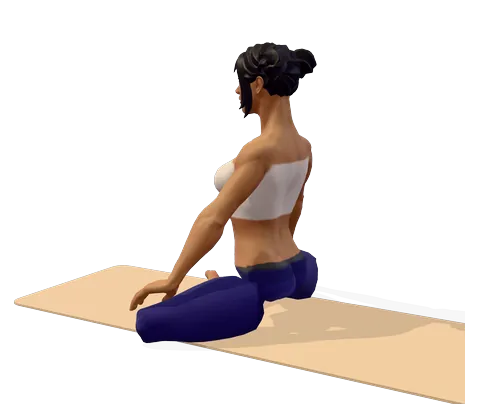 Breath Awareness MeditationRest your attention on the natural breath and gently return to it each time the mind wanders.
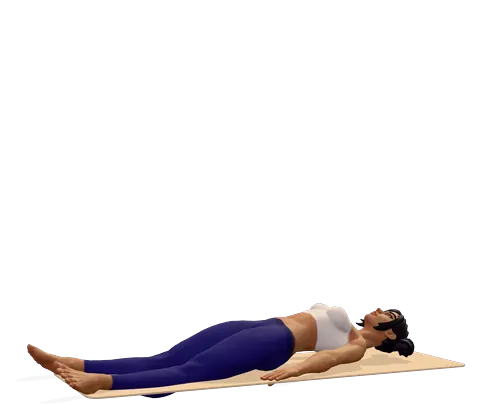 Body Scan MeditationMove your attention slowly through the body from the toes to the head, noticing sensations without trying to change them.Loving-Kindness MeditationSilently repeat warm wishes for yourself, then widen them step by step to others and to all beings.OM Chanting MeditationChant OM aloud in slow, long breaths, then sit in the silence that follows the sound.Trataka Candle MeditationGaze steadily at a candle flame, then close your eyes and hold the after-image in your mind. See our full Trataka guide for more detail.Chakra Meditation (All 7 Chakras)Move your attention up through the seven chakras from the base of the spine to the crown, using colour and the seed sounds.
Meditation supports health; it does not replace medical or psychological care. If meditation brings up distressing memories or feelings, stop, open your eyes and ground yourself; talk to a professional if it keeps happening. Medical disclaimer.