How to do om chanting meditation
- Sit tall with your hands in Gyan mudra and close your eyes.
- Take a full breath in through the nose.
- On the out-breath, chant "Aaa" from the belly, "Ooo" in the chest, and "Mmm" as a long hum in the head.
- Let the hum fade completely, then breathe in again naturally.
- Repeat for about five minutes at a slow, comfortable pace.
- Sit in silence for a few minutes and notice the vibration and quiet after the sound.
Benefits
- Slow chanting naturally lengthens the out-breath, which tends to calm the body
- Small studies suggest OM chanting can reduce stress and improve mood
- Humming sounds are linked in research with better airflow in the nasal sinuses
- Gives a clear focus for people who find silent meditation hard
Be careful
Chant gently and never strain the voice. Rest if you feel lightheaded. If you have a sore throat or voice problems, hum quietly or chant silently.
OM chanting meditation is one of the oldest practices in yoga: you breathe in fully, then let a single sound, AUM, travel slowly from the belly to the head on the out-breath. After several rounds you stop and listen to the silence the sound leaves behind. That silence is as much a part of the practice as the chant itself.
The guided voice above chants with you for about ten minutes, and the 3D teacher's point between the eyebrows glows, the place the tradition links with OM. Below you will find what OM means, how to chant OM correctly, how many times to chant, how to fit it into your day, and what research does and does not show.
What is OM chanting? The meaning of AUM
OM (also written AUM, or Omkar and Pranava in Sanskrit; its sound is called omkar dhwani in Hindi) is called the sound of the universe in Indian tradition. It opens and closes most Vedic prayers and mantras. The Mandukya Upanishad, a short text devoted entirely to OM, explains its three parts and the silence after them:
| Part | Where you feel it | Traditional meaning |
|---|---|---|
| A ("aaa") | Belly and lower body | The waking state |
| U ("ooo") | Chest and throat | The dreaming state |
| M ("mmm") | Face and head, as a hum | Deep, dreamless sleep |
| Silence | The whole body, then beyond it | Turiya, "the fourth": pure awareness underlying the other three |
So one OM is a small map of consciousness, moving from the outer world to stillness. In Patanjali's Yoga Sutras (1.27–1.29), OM is named as the word for the divine, and repeating it while reflecting on its meaning is said to turn the mind inward and remove obstacles to practice. That is the root of om japa (om jaap), the repetition of OM as a mantra meditation, and of every om chanting meditation practised today. You can approach it spiritually, or simply as a sound that slows the breath; both work.
OM in the chakra system
In tantric yoga, OM is the seed sound (bija mantra) of Ajna, the third eye chakra, which is why the session ends with attention between the eyebrows. Some teachers also practise om japa in the chakras, moving the sound or attention from the base of the spine to the crown; our chakra meditation does this with each chakra's own seed sound. These are traditional maps for directing attention, not anatomy.
How to chant OM correctly
The steps above give the basic sequence of an om chanting meditation. These OM meditation techniques make the difference between a strained chant and a relaxed, resonant one:
- Posture: sit tall in easy pose, thunderbolt pose or on a chair. A slumped spine squeezes the belly and cuts the sound short. Hands can rest in gyan mudra.
- Breath in: a full, quiet breath through the nose into the belly and ribs, without lifting the shoulders.
- Proportion: a common guide is roughly one part "A", one part "U" and two parts "M". Many teachers let the humming "M" last longest.
- Pitch: choose a low, comfortable note you could hold for a long time. There is no correct pitch; forcing a deep voice strains the throat.
- Volume: moderate. Loud chanting tires the voice; very soft chanting loses the vibration. Aim for a sound you can feel in your chest and face.
- Ending: let the "M" fade to nothing, then pause before the next breath. Don't gasp.
Which OM is best for meditation: aloud, whispered or silent?
Traditional texts describe three ways of chanting a mantra: aloud (vachika), whispered (upamshu) and silent, in the mind (manasika). The tradition calls the silent form the most subtle, but beginners usually find chanting aloud easiest because the sound holds attention. A good pattern is the one used in the guided session: chant aloud, then softer, then stop and rest in silent awareness. If you want silence from the start, try the So Hum mantra meditation.
Om chanting 21 or 108 times? How long and how often
One slow OM with its in-breath takes around ten seconds, so:
- Om chanting 5 minutes: about 21–30 rounds. Aum chanting 21 times is a traditional short practice and a good daily starting point.
- Om meditation 10 minutes: chanting for five to seven minutes and sitting in silence for the rest, as in the guided session.
- Om chanting 108 times: roughly 15 to 20 minutes. 108 is a sacred number in Indian traditions and the number of beads on a mala. The benefits of chanting OM 108 times are traditionally described as deeper absorption, but the number itself is symbolic; steady, relaxed chanting matters more than the count.
As an om meditation breathing exercise, it also trains a slow, full breath. Morning is the traditional time: chanting after a short warm-up is an energising yet calm way to start. Evening practice works too, with a softer voice and a longer silence. Daily practice for a few weeks is when most people notice a change. For silent periods afterwards, use the meditation timer with its singing-bowl bells.
Recordings of om chanting 1 hour long, or tuned to 432 Hz with Tibetan singing bowls, are popular for background listening. They can be relaxing, but there is no good evidence that a particular frequency has special healing effects. Your own voice, chanting without music, gives you the breathing benefit that listening alone cannot.
OM chanting benefits: what scientific research says
Research on OM chanting is still small, so read results with care:
- Calm through a long out-breath. Each OM makes the out-breath several times longer than the in-breath. Slow breathing with long exhalations is well known to shift the body toward rest. This is the most solid reason chanting feels calming.
- Brain activity. A small brain-imaging study published in 2011 in the International Journal of Yoga found that OM chanting was linked with reduced activity in emotional brain areas such as the amygdala, compared with a simple "ssss" sound. It suggests a calming effect but was too small to be conclusive.
- Nasal airflow. Research on humming, published in 2002, found that it greatly increases nitric oxide in the nose and sinuses compared with quiet breathing out, which may help sinus ventilation. The long "M" of OM is a hum. See yoga for sinusitis.
- Mood and stress. Small studies suggest regular chanting may reduce stress and improve mood and attention. Larger, well-controlled trials are needed.
Claims about OM "activating the vagus nerve" or filling a room with positive energy are popular. The vagus link is a reasonable idea because of the long exhalation and throat vibration, but it has not been proven in strong trials, and positive energy is a traditional way of describing how the practice feels. For more on calm breathing, see udgeeth pranayama, the OM chanting breath, and bhramari (humming bee breath).
Chant gently. Stop if you feel dizzy, lightheaded or short of breath, and rest with normal breathing. If you have a sore throat, voice strain, recent throat surgery or a vocal cord problem, hum very softly or chant silently. OM chanting supports, but does not replace, treatment for anxiety, high blood pressure or any other condition.
OM chanting for beginners and kids
- Start with three. Chant three OMs, then sit quietly for one minute. Add more rounds over a week.
- Don't run out of breath. If the "M" wobbles, end it earlier. Longer comes with practice.
- Record yourself once. It helps you hear whether the sound is relaxed or pushed.
- OM chanting for kids: make it a game: "who can make the longest, softest bee sound?" Three to five OMs are plenty for young children, and they often enjoy feeling the buzz with a hand on the chest.
Once you know the basics, an om chanting meditation of 10 minutes each morning is a steady daily practice. It pairs well with gentle yoga for stress relief and anxiety, and many people use it before study to settle the mind.
ओम उच्चारण ध्यान (OM chanting kaise kare, meditation kaise kare in Hindi) — हिंदी में सीधे बैठें, आँखें बंद करें और नाक से गहरी साँस लें। साँस छोड़ते हुए "ओ" पेट और छाती से, और "म्" को सिर में गूँजते हुए लंबा बोलें। आवाज़ पूरी तरह शांत होने दें, फिर अगली साँस लें। 5–10 मिनट जाप के बाद कुछ मिनट चुपचाप बैठें। ओम जाप के फायदे (om jaap ke fayde): मन शांत होता है, साँस लंबी होती है और तनाव व ज़्यादा सोचना (overthinking) कम करने में मदद मिल सकती है। अगर आप सोच रहे हैं कि stress kaise kam kare, तो रोज़ 21 बार ओम जाप एक सरल शुरुआत है।
Frequently asked questions
What is OM chanting meditation?
It is a meditation in which you chant the sound OM (AUM) slowly on each out-breath for several minutes, then sit in silence. The sound gives the mind a clear focus and naturally lengthens the out-breath, which tends to calm the body.
How do you chant OM correctly?
Sit tall, breathe in fully through the nose, then on the out-breath say "aaa" from the belly, "ooo" in the chest and a long "mmm" hum in the head. Keep the pitch low and comfortable, let the sound fade completely, and pause before the next breath.
What are the benefits of OM chanting?
Regular chanting may reduce stress, improve mood and help concentration, mostly because it slows the breath and gives the mind one focus. Humming also raises nitric oxide in the nose, which may help sinus airflow. Research is promising but still small.
How many times should I chant OM?
Start with 3 to 11 rounds. Twenty-one is a traditional daily number and takes about five minutes. Chanting OM 108 times takes around 15 to 20 minutes and is often done with a mala. Quality and relaxation matter more than the count.
Is it better to chant OM aloud or silently?
Beginners usually find chanting aloud easier to focus on. Traditional texts call silent, mental repetition the most subtle form. A good approach is to chant aloud, then more softly, and finally rest in silent awareness.
What is the best time for an om chanting meditation?
Early morning is traditional, ideally on an empty stomach. Any quiet time works, though; a few OMs before sleep or before study can help settle the mind.
Can OM chanting be harmful?
It is safe for most people. Chanting too forcefully can strain the voice or make you lightheaded, so keep it gentle and breathe normally between rounds if needed. People with throat or voice problems should hum softly or chant silently.
More guided meditations
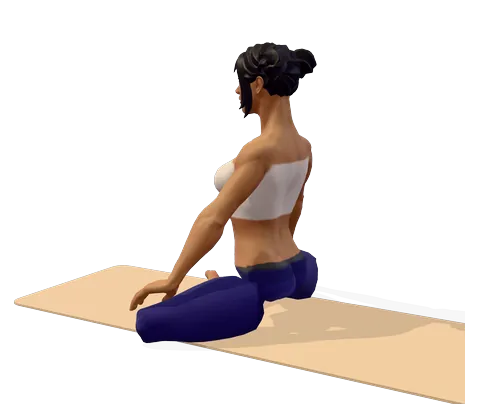 Breath Awareness MeditationRest your attention on the natural breath and gently return to it each time the mind wanders.
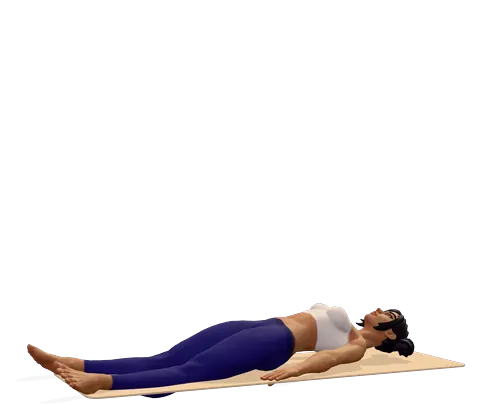 Body Scan MeditationMove your attention slowly through the body from the toes to the head, noticing sensations without trying to change them.Loving-Kindness MeditationSilently repeat warm wishes for yourself, then widen them step by step to others and to all beings.So Hum Mantra MeditationSilently hear the sound "So" as you breathe in and "Hum" as you breathe out, linking a mantra to the natural breath.Trataka Candle MeditationGaze steadily at a candle flame, then close your eyes and hold the after-image in your mind. See our full Trataka guide for more detail.Chakra Meditation (All 7 Chakras)Move your attention up through the seven chakras from the base of the spine to the crown, using colour and the seed sounds.
Meditation supports health; it does not replace medical or psychological care. If meditation brings up distressing memories or feelings, stop, open your eyes and ground yourself; talk to a professional if it keeps happening. Medical disclaimer.