How to do vipassana-style noting meditation
- Sit upright with your eyes closed and your hands resting in your lap.
- Rest attention on the rising and falling of the belly, silently noting "rising" and "falling".
- When something else takes your attention, give it a soft one-word label: "thinking", "hearing", "feeling", "itching".
- Note it once or twice, lightly, then return to the belly.
- Keep the labels quiet and simple, about one tenth of your attention; the rest is simply knowing.
- After fifteen minutes, drop the noting and sit quietly before opening your eyes.
Benefits
- Insight meditation is linked in studies with less stress and better emotional regulation
- Labelling experiences can reduce how strongly you react to them
- Builds clear, balanced awareness of body and mind
- A simple home introduction to a practice taught in longer courses
Be careful
This is a short home practice, not a full retreat. Long silent retreats can bring up intense emotions and are not suitable for everyone, especially people with a history of psychosis, severe depression or trauma, without professional advice.
Vipassana meditation is the traditional Buddhist practice of insight: watching your body and mind closely enough to see how every experience appears, changes and passes. This page gives you a vipassana-style noting practice you can do at home in 15 minutes, with a calm voice and a 3D teacher seated beside you. It is a doorway into the practice, not a substitute for the long silent courses in which vipassana is traditionally taught.
Vipassana meaning: what type of meditation is it?
You pronounce vipassana vi-PAH-sa-na. It is a Pali word. Passana means "seeing" and vi adds the sense of "clearly" or "in a special way", so the usual translation is insight or clear seeing. In English you will also see it called insight meditation.
In Buddhism, vipassana meditation is one of two sides of practice. Samatha is calm: resting the mind on one object until it settles. Vipassana is insight: using that steadier mind to look at experience itself. What does vipassana meditation aim to achieve? In the tradition, the goal is to see directly three marks of existence: that everything changes (anicca), that clinging to changing things brings dissatisfaction (dukkha), and that there is no fixed, separate self behind experience (anatta). Buddhism teaches that this seeing leads, over long practice, to freedom from suffering. That is a spiritual claim, not a medical one; on a practical level, many people simply find they react less and understand themselves better.
Vipassana meditation history and origins go back to the Buddha, about 2,500 years ago. The practice was preserved for centuries in Theravada monasteries, especially in Myanmar (Burma), and spread worldwide in the 20th century.
Is vipassana mindfulness meditation?
They share a root. Both come from the Buddha's teaching on the foundations of mindfulness. Mindfulness meditation is the broad skill of present-moment awareness; vipassana uses that awareness in a more precise, investigative way, often for longer periods and in retreat.
What is mental noting?
Mental noting is a way of making attention precise. When something takes your attention, you name it with one quiet word, "thinking", "hearing", "itching", "restless", and then return to your anchor. The noting method was made widely known in the 20th century by the Burmese teacher Mahasi Sayadaw, who taught students to note the rising and falling of the abdomen, exactly as the guided session does.
The guided voice follows a noting meditation script based on this method. Why note at all? The benefits of mental noting start with a small step back. "Worrying" is easier to see than the worry itself. Psychologists call this affect labelling: a well-known UCLA brain-imaging study found that putting feelings into words reduced activity in the amygdala, the brain's alarm centre. Dialectical behaviour therapy (DBT) uses a similar skill, "observe and describe", which is why people search for mental noting DBT worksheets. Noting your emotions in meditation is the same idea practised calmly and regularly; mental noting is mindfulness made precise.
Three ways vipassana is taught
| Method | What you do | Where it is taught |
|---|---|---|
| Noting (Mahasi style) | Label experiences softly, anchor in the belly | Many Burmese and Western insight centres; this page |
| Body sweeping (Goenka tradition) | Observe sensations part by part, without reacting | 10-day residential courses worldwide |
| Choiceless awareness | Watch whatever arises, without labels | Many modern insight and mindfulness teachers |
How to do vipassana at home
The vipassana meditation steps above give the technique. Here is how to turn that vipassana meditation technique into a real home practice.
Setting up
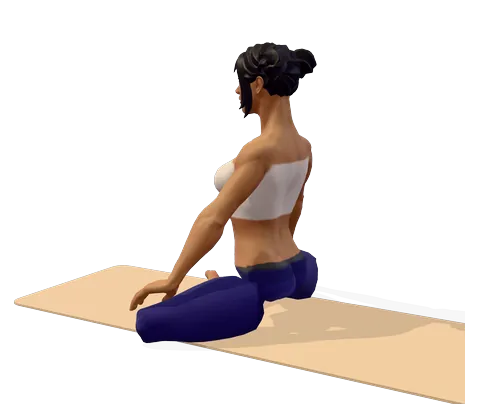
- Posture: sit on a cushion in Easy Pose or Siddhasana, kneel in Vajrasana, or use a chair. The spine is upright but not stiff. Hands can rest in Dhyana Mudra.
- Time: early morning, before the day fills your head, is the traditional time. Same place, same time helps.
- Length: begin with vipassana meditation 10 minutes a day for the first week, then use the full 15-minute guided session. After a month, try 25 to 30 minutes with the meditation timer.
Vipassana meditation helpful tips for noting
- Light labels. About a tenth of your effort goes into the word; the rest goes into feeling the experience. The word is a whisper, not a shout.
- Note what is strongest. If a sound is louder than the breath, note "hearing". Then return.
- Useful labels: rising, falling, thinking, planning, remembering, hearing, seeing, feeling, wanting, doubting, tired, calm.
- Note the noter. If you are annoyed with yourself for wandering, note "judging". That too is just something passing.
- Walking noting. Between sits, try slow walking meditation, noting "lifting, moving, placing" with each step.
Vipassana meditation techniques for beginners: common mistakes
- Noting too fast or too hard. Rapid, tense labelling makes the mind busier. Slow down to about one note per second or less.
- Hunting for special experiences. Lights, tingling or bliss are not the goal. Note them like anything else: "seeing", "pleasant".
- Getting lost in analysis. You do not need to know why a thought came. Just note it and return.
- Forcing the belly breath. If you cannot feel the abdomen, use the breath at the nostrils, as in breath awareness meditation.
- Jumping to long retreats. Build a steady daily practice for a few months before attempting a residential course.
What happens in a vipassana 10-day course?
The best-known course is the 10-day residential course in the tradition of S. N. Goenka, who learned from the Burmese teacher Sayagyi U Ba Khin and began teaching in India in 1969. The tradition traces the technique to the Buddha, so Goenka is better described as the teacher who spread it widely than as its founder. Vipassana meditation in India is taught at dozens of centres, including Dhamma Giri at Igatpuri near Nashik, and there are centres in many other countries. How to apply for vipassana: choose a centre and date on the tradition's official website and fill in the online form. Every vipassana meditation centre in this tradition offers courses free, funded by donations from past students.
A vipassana 10-day meditation experience is demanding. Students keep noble silence (no talking, eye contact, phones or reading), wake around 4 a.m. and meditate for about ten hours a day. The first days train anapana, attention to the breath at the nostrils. From the fourth day, students learn to move attention systematically through the body, observing sensations without reacting. The last day introduces metta, similar to loving-kindness meditation. Note that this tradition uses body sweeping rather than noting, and asks students not to mix it with other techniques during the course.
The 1997 documentary Doing Time, Doing Vipassana showed these courses taught inside Tihar Jail in Delhi, and they have since been offered in prisons in several countries.
Vipassana meditation benefits: what research says
Studies of insight and mindfulness-based practice suggest several health benefits of vipassana meditation, though research on vipassana specifically is smaller and harder to run than drug trials.
- Stress and emotional regulation. Insight meditation is linked in studies with lower stress and better regulation of emotions, which fits the everyday report of "noticing before reacting". This is where vipassana meditation benefits for stress are most consistently seen.
- Labelling reduces reactivity. The affect-labelling research above suggests one reason mental noting helps.
- Substance use. A US study of a 10-day course taught in a Seattle jail found that participants reported less alcohol and drug use after release than inmates who did not take it. It was one study, not proof, but it is often cited.
If you use insight meditation for anxiety, pair it with other support; see yoga for anxiety and yoga for stress relief for gentle movement and breathing that help settle the body first.
Is vipassana meditation dangerous?
A short home practice like this one is safe for most people. Long, intensive practice is different. Research interviewing Western Buddhist meditators has documented challenging experiences during intensive practice, including fear, panic, sleep problems, strong emotions and feeling unreal or detached. These vipassana meditation side effects are usually temporary but can be severe for a few people.
If you have a history of psychosis, bipolar disorder, severe depression, PTSD or trauma, talk to your doctor or therapist before any silent retreat, and tell the course staff honestly on the application. At home, if noting stirs up distress, open your eyes, feel your feet on the floor, and switch to a gentler practice such as a body scan.
Vipassana meditation kaise kare, in Hindi (vipassana dhyan): विपश्यना ध्यान विपश्यना का अर्थ है "चीज़ों को जैसी हैं, वैसी साफ़ देखना"। सीधे बैठें, आँखें बंद करें और साँस के साथ पेट का उठना-गिरना महसूस करें। मन में धीरे से "उठना", "गिरना" कहें। कोई विचार या आवाज़ ध्यान खींचे तो उसे एक शब्द दें, जैसे "सोचना" या "सुनना", और फिर पेट पर लौट आएँ। घर पर रोज़ 10–15 मिनट से शुरू करें; 10 दिन का पूरा कोर्स किसी मान्य केंद्र पर ही करें।
For a complete overview of every technique on this site, see the meditation for beginners guide.
Frequently asked questions
What is vipassana meditation in simple words?
Vipassana means insight or clear seeing. You watch your breath, body sensations, thoughts and feelings closely and without reacting, so you see for yourself how every experience arises, changes and passes. It comes from Theravada Buddhism and is taught today in a non-religious way.
How do I do vipassana at home as a beginner?
Sit upright, close your eyes and feel the belly rise and fall, noting "rising, falling" silently. When something else takes your attention, give it a soft one-word label such as "thinking" or "hearing", then return. Start with 10 minutes a day and build up to 15 to 30 minutes.
What is mental noting?
Mental noting is naming your experience with one quiet word, such as "thinking", "hearing" or "tired", then returning to your anchor. It creates a little distance from thoughts and feelings, so you notice them instead of being carried away by them.
Can I learn vipassana at home instead of a 10-day vipassana meditation course?
You can learn the basic skills of noting and insight at home, and many people practise this way for years. The traditional 10-day course goes much deeper and gives you support from teachers, so it is worth doing once you have a steady daily practice and your health allows.
Is vipassana meditation dangerous?
Short daily practice is safe for most people. Long silent retreats can bring up intense emotions, anxiety or sleep problems, and are not suitable for everyone without professional advice, especially people with a history of psychosis, severe depression or trauma.
What is the difference between vipassana and mindfulness?
Mindfulness is the general skill of present-moment awareness. Vipassana uses that awareness in a more precise, investigative way to see impermanence, often with noting or body sweeping, and is traditionally practised in longer, intensive courses.
How long does it take to see benefits from vipassana?
Many people notice they are calmer and react less quickly after a few weeks of daily practice. Deeper insight, as described in the tradition, is said to develop over months and years. Consistency matters more than long sessions.
More guided meditations
 Breath Awareness MeditationRest your attention on the natural breath and gently return to it each time the mind wanders.
 Body Scan MeditationMove your attention slowly through the body from the toes to the head, noticing sensations without trying to change them.Loving-Kindness MeditationSilently repeat warm wishes for yourself, then widen them step by step to others and to all beings.So Hum Mantra MeditationSilently hear the sound "So" as you breathe in and "Hum" as you breathe out, linking a mantra to the natural breath.OM Chanting MeditationChant OM aloud in slow, long breaths, then sit in the silence that follows the sound.Trataka Candle MeditationGaze steadily at a candle flame, then close your eyes and hold the after-image in your mind. See our full Trataka guide for more detail.
Meditation supports health; it does not replace medical or psychological care. If meditation brings up distressing memories or feelings, stop, open your eyes and ground yourself; talk to a professional if it keeps happening. Medical disclaimer.