How to do chakra meditation (all 7 chakras)
- Sit upright with your hands in Gyan mudra and take a minute to settle the breath.
- Bring attention to the base of the spine, picture red, and chant LAM a few times.
- Move to the lower belly (orange, VAM), then the navel (yellow, RAM).
- Move to the center of the chest (green, YAM), then the throat (blue, HAM).
- Move to the point between the eyebrows (indigo, OM).
- At the crown of the head, picture violet or white light and rest in silence.
- Come back down by feeling the whole body and the ground before opening your eyes.
Benefits
- Gives a clear, structured path for attention from the base of the spine to the head
- Slow chanting lengthens the out-breath, which tends to be calming
- Many people find it helps them notice where they hold tension
- Chakras are a traditional map; benefits are likely to come from focus, breath and sound rather than energy centers
Be careful
This is a meditation of attention, not a treatment. If you feel dizzy, anxious or "spaced out", stop, open your eyes, and feel your feet on the floor.
Chakra meditation is a way of moving attention through the body along a map that yoga has used for centuries: seven centers stacked along the spine, from the pelvic floor to the crown of the head. At each one you rest your attention, picture a colour and chant a short seed sound. It gives the mind a clear path to follow, which is why many beginners find it easier than sitting in open silence.
The guided session above follows a gentle chakra meditation script of about fifteen minutes, and the chakra points on the 3D teacher glow in turn as the voice moves up the spine. Below you will find what the chakras are in tradition, how this all-7 practice fits with the single-chakra meditations, how to practise daily, common mistakes, and an honest look at what "chakra balancing" can and cannot mean.
What is chakra meditation?
Chakra means "wheel" or "circle" in Sanskrit. In tantric and hatha yoga, the chakras are described as centers where subtle channels of energy (nadis) meet along the central channel of the spine (sushumna). The best-known source for the seven-chakra system is the Sat-Chakra-Nirupana, a Sanskrit text from 1577, which describes each chakra as a lotus with a set number of petals, an element and a seed sound (bija mantra).
So a 7 chakra practice, also called chakra dhyana, is concentration (dharana) placed on these points one by one. The chakras are a traditional map for the mind and the subtle body, not organs that anatomy can find. Modern teachers often link them with nerve plexuses or glands, but that is an interpretation, not established science. You can practise with full faith in the tradition or simply as a structured body-and-sound meditation; both approaches work for attention.
Chakra chart and meditation techniques: location, colour and mantra
| Chakra | Where to place attention | Element | Colour used | Bija mantra |
|---|---|---|---|---|
| Muladhara (root) | Base of the spine, pelvic floor | Earth | Red | LAM |
| Svadhisthana (sacral) | Lower belly, below the navel | Water | Orange | VAM |
| Manipura (solar plexus) | At and just above the navel | Fire | Yellow | RAM |
| Anahata (heart) | Center of the chest | Air | Green | YAM |
| Vishuddha (throat) | Pit of the throat | Space | Blue | HAM |
| Ajna (third eye) | Between the eyebrows | Mind | Indigo | OM |
| Sahasrara (crown) | Top of the head | Beyond elements | Violet or white | Silence |
A note on colour: the rainbow sequence from red to violet is a modern convention that became popular in the 20th century. The old tantric texts give different colours (Muladhara, for example, is described with a yellow square). Both are symbolic. Use the rainbow, as the guided session does, because it is easy to remember. The bija mantras LAM, VAM, RAM, YAM, HAM and OM, on the other hand, are traditional. Each chakra page linked above has its own guided meditation, poses and mudras; the overview is on our 7 chakras page.
How to do chakra meditation for beginners, step by step
The steps above give the full sequence. These chakra meditation techniques help you meditate on the chakras properly:
- Feel first, picture second. Before imagining any colour, notice the actual area: the contact of the pelvis with the cushion, the belly moving with the breath, the warmth of the chest. Physical sensation keeps the practice grounded.
- Chant low and slow. Let each bija mantra end in a long hum on the "M". Chant aloud for the lower chakras if you like, and more softly as you rise. A chakra meditation built on LAM, VAM, RAM and the other sounds lengthens the out-breath, which tends to calm the body. If you enjoy the sound, try the OM chanting meditation too.
- Use a simple mudra. Gyan mudra, thumb and index finger touching, works for the whole session. Each chakra also has its own traditional mudras, shown on its page, if you want to use a different mudra for each chakra.
- Always come back down. The session ends by returning attention to the base of the spine and the ground. Do not skip this; it is what keeps you steady after focusing on the head.
Working with one chakra at a time
Once the full sequence is familiar, you may want to spend a whole session on one center: the root for beginners who feel scattered, or the heart on a day of conflict. Each chakra page explains how to do that practice (root, sacral, heart, Ajna or crown), with a guided voice that stays with one point for ten minutes.
What is chakra balancing? Cleansing, aligning and unblocking
You will see many promises to balance, cleanse, align or unblock your chakras quickly. In the yoga tradition, a "balanced" chakra means the qualities linked with it, such as steadiness for the root or open, honest speech for the throat, are expressed in a healthy way. There is no scientific test for a blocked or misaligned chakra, and no way to "realign" one in three minutes.
What a chakra balancing meditation script, or any chakra healing or cleansing meditation, can honestly do is this: give regular, calm attention to each part of the body and each theme of life. If you notice the belly is tight when you reach Manipura, or the throat feels closed at Vishuddha, that is useful information about how you are holding stress. So the best meditation for clearing chakras, and the best answer to "how to cleanse your chakras", is a steady routine of meditation, breath, movement and honest reflection, not a quick fix. Traditional descriptions of chakra powers and awakening, and of kundalini rising through the chakras, are spiritual teachings to read with respect, not medical claims.
A chakra daily meditation routine
| When | Practice | Length |
|---|---|---|
| Morning | The full guided 7 chakra meditation, seated | 15 min |
| Short on time | One breath and one bija mantra per chakra, rising and returning | 5 min |
| Evening | A single chakra meditation from its own page, often root or heart | 10 min |
| Before sleep | Chakra meditation lying down, silent, without chanting | 10 min |
A chakra meditation of 10 minutes most days is more useful than an hour once a week. Pair it with yoga for the chakras, a few poses for each center, found on the chakra pages. After two or three weeks, you can sit in silence with the meditation timer and guide yourself.
For a chakra meditation before sleep, lie on your back, skip the chanting and simply feel each area on a slow out-breath, from the crown back down to the root. Moving downward is calming. If you often lie awake, the sleep meditation is built for that purpose.
Beginner mistakes
- Straining to see colours. Some people see vivid colour, many see nothing. A simple idea of red, orange or green is enough.
- Staying at the head. Long, intense focus on the third eye or crown can leave you dizzy or "spaced out". Balance it with grounding.
- Chasing sensations. Heat, tingling or pulsing may come and go. Notice them calmly; they are not proof of success or failure.
- Self-diagnosing. Feeling a "blocked" chakra is not a diagnosis. If you have physical or emotional symptoms, see a doctor or therapist.
7 chakra meditation benefits: what we can say
There is no research on the chakras themselves, but the ingredients of this meditation have been studied. Focused attention training, slow breathing and chanting with a long out-breath are all linked in research with lower stress and a calmer nervous system for many people. Body-focused practices can also increase awareness of where you hold tension. So chakra meditation for anxiety or stress may help through these same routes, while the chakra map gives the practice a meaningful structure. See yoga for anxiety for more.
This is a meditation of attention, not a treatment. If you feel dizzy, anxious or detached, stop, open your eyes, feel your feet on the floor and breathe normally. People with a history of psychosis, severe dissociation or trauma should practise gently and with support from their care team. For children, keep it playful and short: three minutes, naming a colour for each body area, is a lovely chakra meditation for kids.
चक्र ध्यान (chakra meditation in Hindi, saat chakra dhyan) — हिंदी में सीधे बैठें और आँखें बंद करें। ध्यान को रीढ़ के आधार से सिर के ऊपर तक एक-एक चक्र पर ले जाएँ और हर चक्र का बीज मंत्र धीरे-धीरे बोलें: मूलाधार — लं, स्वाधिष्ठान — वं, मणिपुर — रं, अनाहत — यं, विशुद्ध — हं, आज्ञा — ॐ, और सहस्रार पर मौन। अंत में ध्यान वापस नीचे लाकर ज़मीन को महसूस करें। कुंडलिनी शक्ति कैसे जागृत करें (kundalini jagrit kaise karen), इसके लिए जल्दबाज़ी न करें; परंपरा में यह लंबी, धीरे-धीरे की जाने वाली साधना है, और यह ध्यान उसकी सुरक्षित शुरुआत है।
Frequently asked questions
What is chakra meditation?
It is a meditation in which you move your attention through the seven chakras, the energy centers described in tantric and hatha yoga, from the base of the spine to the crown. At each one you may picture a colour and chant its seed sound, such as LAM or YAM.
How do I do chakra meditation as a beginner?
Sit upright, settle your breath, then bring attention to the base of the spine and chant LAM a few times. Move up through the lower belly (VAM), navel (RAM), chest (YAM), throat (HAM) and brow (OM), then rest in silence at the crown. Finish by returning attention to the ground. The guided session on this page leads you through each step.
What is the mantra for each chakra?
The traditional bija mantras are LAM (root), VAM (sacral), RAM (solar plexus), YAM (heart), HAM (throat) and OM (third eye). The crown chakra is usually met in silence, though some teachers use OM there as well.
Can meditation balance or unblock chakras?
In yoga tradition, regular meditation, breath and posture are said to bring the chakras into balance. There is no scientific way to measure a chakra, so think of balance as the steady, healthy expression of each chakra's themes, supported by regular practice rather than a quick cleanse.
How long should chakra meditation take?
The full guided session takes about 15 minutes. A short version with one breath and one mantra per chakra takes five minutes. Ten to fifteen minutes most days is a good routine.
Is chakra meditation the same as kundalini awakening?
No. This is a gentle attention practice. Kundalini awakening is described in tradition as a powerful process that unfolds over years of preparation. Read our kundalini page for safe, gradual practices.
Can I do chakra meditation lying down?
Yes, especially before sleep. Skip the chanting, feel each area on the out-breath, and move downward from the crown to the root to help the body settle.
More guided meditations
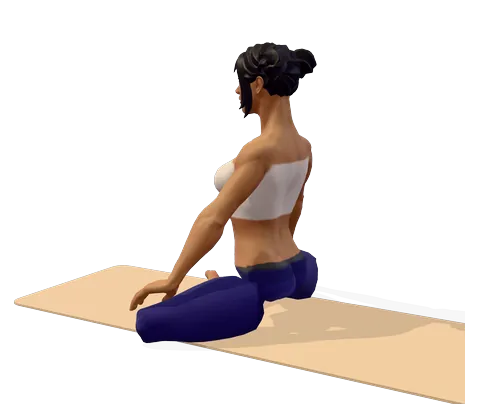 Breath Awareness MeditationRest your attention on the natural breath and gently return to it each time the mind wanders.
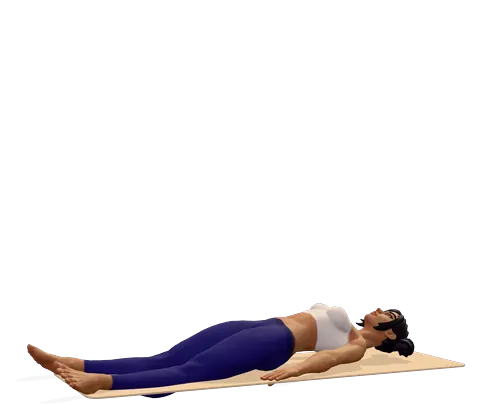 Body Scan MeditationMove your attention slowly through the body from the toes to the head, noticing sensations without trying to change them.Loving-Kindness MeditationSilently repeat warm wishes for yourself, then widen them step by step to others and to all beings.So Hum Mantra MeditationSilently hear the sound "So" as you breathe in and "Hum" as you breathe out, linking a mantra to the natural breath.OM Chanting MeditationChant OM aloud in slow, long breaths, then sit in the silence that follows the sound.Trataka Candle MeditationGaze steadily at a candle flame, then close your eyes and hold the after-image in your mind. See our full Trataka guide for more detail.
Meditation supports health; it does not replace medical or psychological care. If meditation brings up distressing memories or feelings, stop, open your eyes and ground yourself; talk to a professional if it keeps happening. Medical disclaimer.